Let's be honest. You love your dog, but you probably don't love what they do to your sofa. The hair, the muddy paw prints, the occasional accident, the determined scratching before nap time—it's a war of attrition your furniture usually loses. I've been through three sofas in ten years, each a learning experience in what doesn't work. The good news? You don't have to choose between a stylish living room and a happy pup. The secret is all in the fabric. Forget vague advice; we're getting into the nitty-gritty of thread counts, weaves, and treatments that make a fabric truly dog-proof.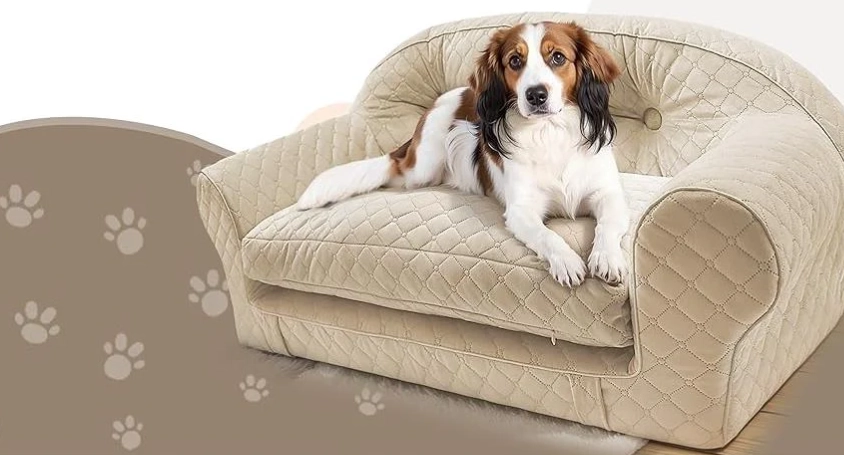
What's Inside: Your Quick Guide to Dog-Proof Fabrics
What Makes a Fabric "Dog-Proof"?
It's not just about being "tough." A great dog sofa fabric balances three things: durability, cleanability, and comfort (for both you and your dog). Miss one, and you'll have regrets.
Durability means resistance to claws. Tight weaves or dense piles are key. A loose, loopy weave is a claw magnet. Look for a high double rub count (a measure of abrasion resistance). For dogs, aim for at least 30,000 double rubs for heavy use. The International Textile Institute often publishes guidelines on fabric durability ratings.
Cleanability is non-negotiable. The fabric must handle spills, slobber, and dirt with ease. This comes from two places: the material itself and any applied treatments. Performance fabrics with built-in stain resistance are game-changers.
Comfort is what everyone forgets. If the fabric is hot, sticky, or rough, your dog won't use it—they'll scratch at it more to "fluff" it, or worse, avoid it entirely and claim your bed instead. It needs to breathe.
Top-Tier Dog-Proof Fabrics (The Champions)
These are the fabrics where performance meets practicality. They cost more upfront but save you money, time, and sanity in the long run.
1. Performance Fabrics (Crypton, Sunbrella, etc.)
This isn't one material, but a category of engineered fabrics. Brands like Crypton are the gold standard. They're typically synthetic blends (polyester, nylon) treated with a miracle layer that repels liquids, stains, and odors at a molecular level. I've seen red wine bead up and roll off a Crypton sofa. Mud dries and brushes right off. The core is also moisture-resistant, so accidents don't soak in.
The Catch: Price. You're paying for technology. Also, while highly scratch-resistant, a determined claw from a large dog can still puncture the surface layer. It's more repairable than most, but not invincible.
My Verdict: Worth every penny for heavy-shedding dogs or puppies. It's the closest thing to a force field for your sofa.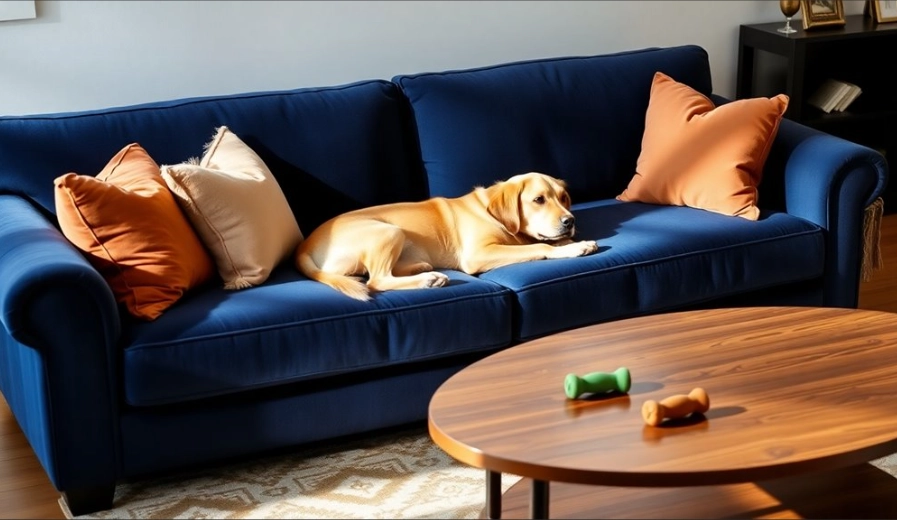
2. Tight-Weave Microfiber (The Unsung Hero)
Don't scoff. A high-quality, tightly woven microfiber (look for a suede-like feel, not a fluffy one) is a workhorse. The tiny synthetic fibers create a dense surface that claws struggle to get a grip on. Spills sit on top long enough for you to blot them. Hair doesn't weave into the fibers; it sits on top, ready for a lint roller or vacuum.
I have a personal bias here. My current sofa is a charcoal grey, tight-weave microfiber. After two years with a 70-pound Labrador, it looks nearly new. The hair vacuums off in seconds. The only mark is a single, faint scratch from a particularly enthusiastic game of fetch.
The Catch: Cheaper microfibers can pill and wear shiny. They can also feel a bit warm. Ensure it's a performance-grade version.
My Verdict: The best value-for-money option. It's not glamorous, but it's incredibly effective.
3. Leather (Real, Top-Grain or Full-Grain)
This is controversial. Many say leather is terrible for dogs because it scratches. Here's the non-consensus view: It depends on the leather and your mindset. Cheap, thin, coated leather (corrected grain) will show every scratch as a permanent white mark. But a thick, full-grain or top-grain leather develops a patina. Scratches blend into the character. Hair doesn't embed. Wipes clean with a damp cloth.
Think of it like a good leather boot. It gets marks, but that tells its story. If you demand a pristine, flawless surface, skip it. If you like a lived-in, rich look that ages with your family, it's a fantastic choice.
The Catch: Expensive. Can be cold in winter, sticky in summer. Vulnerable to punctures from sharp claws if not regularly trimmed.
My Verdict: Ideal for dog owners who appreciate rustic elegance and don't mind a "character mark." Avoid with puppies or dogs who are aggressive chewers.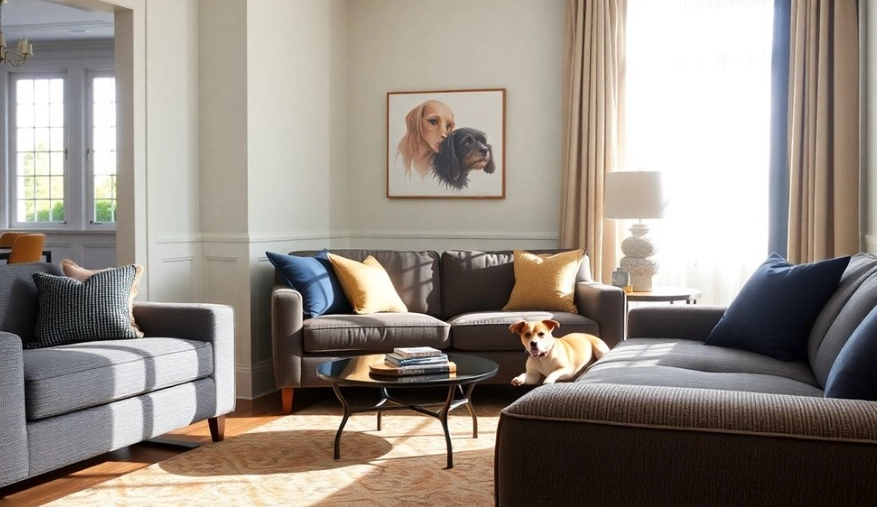
Solid Contender Fabrics (Good with Caveats)
These can work well, but they require a bit more management or specific circumstances.
| Fabric | Why It Can Work | The Major Caveat | Best For... |
|---|---|---|---|
| Canvas & Duck Cloth | Extremely durable, tight plain weave. Often treated for stain resistance. Casual, rugged look. | Can be stiff initially. Colors may fade. Texture can trap dirt if not cleaned regularly. | Active families, casual spaces, dog who are more "lumpers" than "scratchers." |
| Velvet (Synthetic) | Surprisingly, a dense, low-pile synthetic velvet (polyester/nylon) can be good. Hair sits on top of the smooth nap. Luxe feel. | The pile direction matters. Scratches or heavy wear can change the nap, creating visible patches. Shows water spots. | Low- to medium-shed dogs, homes wanting a more formal look without sacrificing some practicality. |
| Outdoor Fabric (High-End) | UV, mold, and stain resistant. Easy to clean with soap and water. | Often lacks breathability and cozy comfort. Can feel synthetic. Not ideal for primary lounging sofa. | Sunrooms, covered patios, or homes in very humid climates. |
Fabrics to Approach with Caution
- Linen & Cotton (Slipcovers excepted): Beautiful, breathable, and a nightmare. They stain easily, wrinkle, and claws snag the threads. A white cotton sofa with a dog is a cry for help. However: A machine-washable cotton or linen slipcover is a brilliant strategy. You get the look without the permanent risk.
- Chenille, Bouclé, or Any Looped Weave: These are claw catchers. One playful jump can pull a loop, leading to a run or snag that unravels. The texture also traps hair and dirt deep within.
- Silk, Raw Silk, or Delicate Wool: This should be obvious, but it's worth stating. These are investment pieces for pet-free homes.
How to Maintain Your Dog-Friendly Sofa
The best fabric is only as good as your care routine. This isn't complicated, but consistency is key.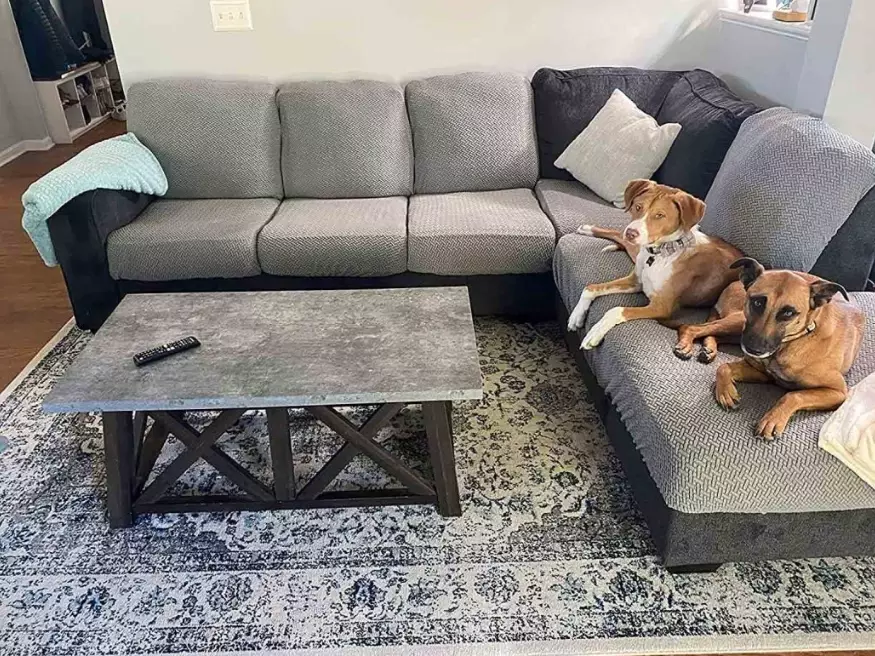
The Weekly Routine: Use a vacuum with a soft brush attachment (not a beater bar, which can damage fibers). Go with the nap of the fabric. This removes surface hair and dirt before it gets ground in.
Spot Cleaning: Blot, never rub. Keep a microfiber cloth and a cleaner designed for your fabric type. For most performance fabrics, mild soap and water work. For a tough organic stain, a 1:1 mix of white vinegar and water in a spray bottle is a magic, pet-safe elixir. Always test in a hidden area first.
The Big One - Claw Maintenance: This is the most underrated tip. Keep your dog's nails trimmed. It's not just about the fabric; it's about their joint health. Dull nails do exponentially less damage. A monthly trim or a scratchboard can save your sofa's life. The American Kennel Club has great guides on proper nail trimming technique.
A Real-Life Sofa Case Study
A friend has two German Shepherds and a beautiful, butter-soft top-grain leather sofa. Everyone told her she was crazy. Five years later, it's the centerpiece of her home. The leather has darkened slightly and bears a few faint, sweeping marks near the corners. She calls them "shepherd signatures." She wipes it down with a leather conditioner every few months. The hair vacuums off in a pass. No smells, no stains.
The lesson? She chose the right type of leather and embraced the aging process. She also committed to regular nail trims. It worked because her choice aligned with her lifestyle and expectations.
Your Dog & Sofa Fabric Questions Answered
 My dog is a dedicated digger on the sofa cushions. What fabric holds up best?