Let's be honest, the thought of washing a duvet can feel daunting. It's big, it's bulky, and the fear of ruining it is real. I learned this the hard way years ago when I shoved a king-size down duvet into a small top-loader with too much soap. The result? A lumpy, sad mess that never fully recovered. But here's the truth most basic guides won't tell you: washing your duvet isn't just possible, it's necessary for hygiene and longevity, and doing it right is simpler than you think if you follow a clear process.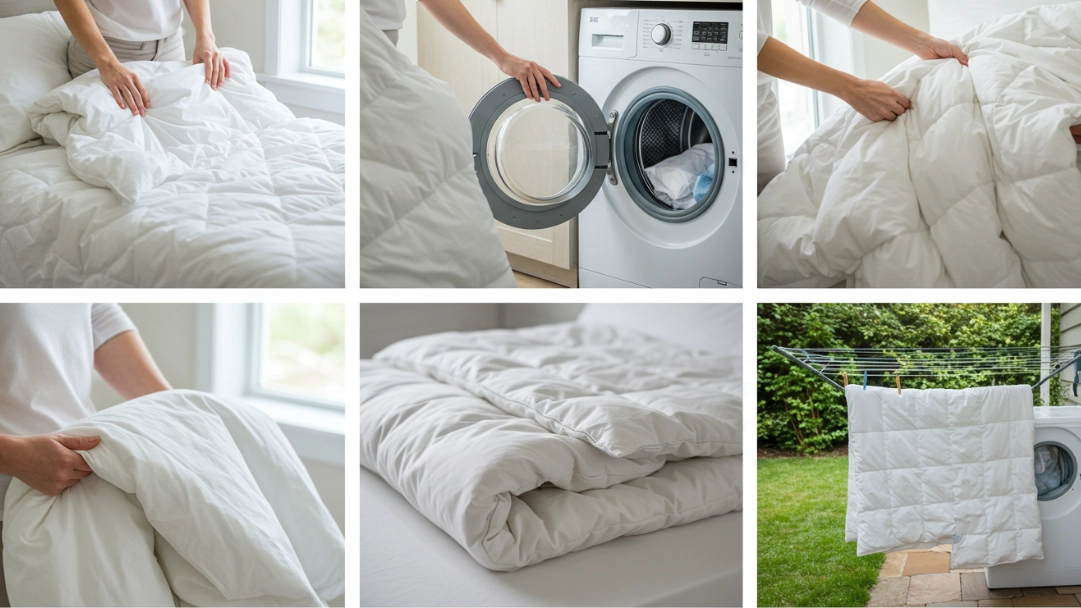
This guide cuts through the confusion. We'll walk through exactly how to wash a duvet by hand or machine, how to dry it properly (the most critical step everyone rushes), and how to avoid the subtle mistakes that lead to clumping, mildew, or fabric damage.
What's Inside This Guide?
The Non-Negotiable Pre-Wash Checklist
Before you even think about water, do these three things. Skipping this is where 90% of problems start.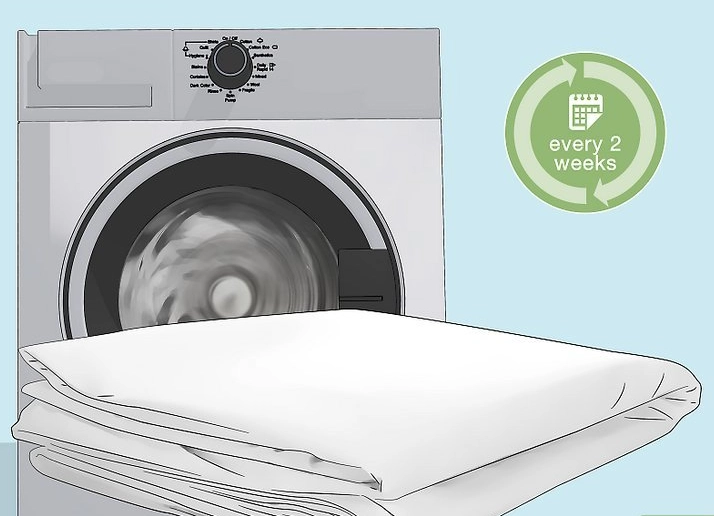
1. Decode the Care Label. This isn't a suggestion; it's the manufacturer's rulebook. Look for symbols or text. "Machine washable" is your green light. "Dry clean only" means just that—take it to a professional. "Down" or "feather" fill needs gentler handling than synthetic fills like polyester.
2. Check for Tears and Loose Threads. Run your hands over the seams. A small hole in the inner baffle box will turn into a feather explosion in your washer. Mend any openings with a needle and thread first.
3. Assess Your Washing Machine. This is the big one. Is your machine large enough? A front-loading (HE) washer is almost always better than a top-loader because it uses less water and is gentler on the fabric. As a rule, a king-size duvet needs a washer with at least a 4.5 cubic foot capacity. If it's a tight fit, it won't agitate or rinse properly.
How to Wash a Duvet by Hand (The Safe Method)
Hand washing is the gold standard for delicate, antique, or expensive duvets, or if your machine is just too small. You'll need a bathtub, a gentle detergent (like Woolite or a dedicated down wash), and about an hour of hands-on time.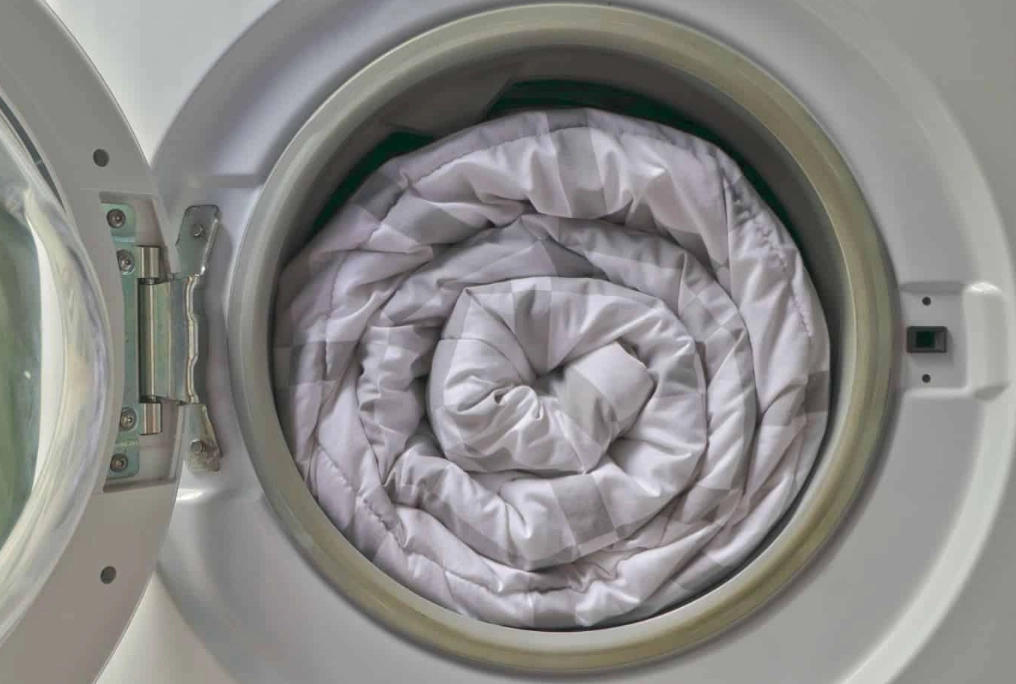
Step-by-Step Bathtub Washing
Fill your tub with lukewarm water. Hot water can damage down clusters and set stains. Add a small amount of mild detergent and swish to dissolve. Submerge the duvet completely, pressing out air bubbles so it soaks evenly.
Now, the work: don't wring, twist, or scrub. Instead, use a gentle pressing and lifting motion. Push down on sections, let the water flow through, and lift. Imagine you're kneading a giant, delicate piece of dough. Focus on stained areas with a bit more gentle pressure.
Drain the soapy water. This is the messy part. Press the duvet against the side of the tub to squeeze out water, but again, avoid twisting. Refill the tub with clean, cool water and repeat the pressing process. You'll need to rinse 3-4 times until the water runs completely clear. Any soap residue left inside will attract dirt faster.
How to Machine Wash a Duvet (The Efficient Way)
If the care label allows it and your machine is big enough, this is the most practical method. The goal is to mimic the gentle, thorough action of hand washing.
Load it Right: Put the duvet in the drum by itself. Washing it with other items creates unbalanced loads and prevents proper rinsing. Make sure it's distributed evenly.
Detergent Matters: Use half the amount of detergent you normally would. Too many suds are the enemy—they're incredibly hard to rinse out of a thick duvet and leave a residue that makes it stiff. For down duvets, I swear by a technical down wash like Nikwax Down Wash or Grangers Down Wash. They're formulated to clean without stripping down's natural oils, which keep it fluffy.
Cycle Settings are Crucial: Select the gentle or delicate cycle with cold or lukewarm water. Avoid the "heavy-duty" or "whitens" cycle—the aggressive agitation can tear internal baffles. Add an extra rinse cycle if your machine has the option. This is non-negotiable for ensuring all soap is gone.
Drying Your Duvet: Patience is Key
Drying is where you win or lose. Rushing this step causes clumping and mildew. You have two good options.
Using a Dryer (The Faster Route): Toss in two or three clean, dry tennis balls or wool dryer balls. These will bounce around and physically break up clumps of down or synthetic fiber as it dries. Set the dryer to low heat or the air fluff (no heat) setting. High heat can scorch fabrics and melt synthetic fills.
This will take a long time—2 to 3 hours for a synthetic duvet, potentially 4+ hours for a thick down one. Stop the dryer every 45 minutes to manually break up any clumps you feel and redistribute the filling. It's done only when it is completely, utterly dry to the core. No damp patches, no cool spots.
Air Drying (The Gentlest Route): This is ideal for sunny, breezy days. Lay the duvet flat over two or three parallel clotheslines or a large, clean drying rack. The key is support. Hanging it from one line by the corners will strain the seams and cause the filling to sag to the bottom. Flip it every few hours. This method can take 24-48 hours, so plan accordingly.
5 Common Mistakes That Ruin Duvets
After helping hundreds of people, I see the same errors repeatedly.
Overloading the Washer. The duvet needs room to move and be lifted by the agitator or tumbled in the drum. A crammed machine equals poor cleaning and worse rinsing.
Using Fabric Softener. Never, ever do this on a duvet, especially a down one. Fabric softener coats the fibers and feathers, stripping their natural loft and making them clump together. It also reduces the fabric's breathability.
High Heat in the Dryer. It seems like a shortcut, but it bakes the filling, damages the outer fabric, and is a fire hazard. Low and slow is the only way.
Ignoring the Extra Rinse. Soap residue is sticky. It attracts dirt and oils from your body faster, meaning you'll have to wash the duvet again sooner. It also makes the fabric feel stiff and crusty.
Storing it Dirty or Damp. Always wash your duvet before storing it for the season. Any body oils or moisture left in it will attract pests and cause yellowing or mildew over time.
Your Duvet Washing Questions, Answered
How often should I actually wash my duvet?
Twice a year is a good rule of thumb—once at the change to spring/summer bedding, and again in the fall. If you use a duvet cover and wash that weekly, you can stretch it to once a year. But if you sleep directly under it or have allergies, bump it up to quarterly. You'll be surprised at the dust and skin cells it holds.
My duvet came out lumpy after washing. Can I fix it?
Often, yes. Lumps usually mean it wasn't fully dry or wasn't agitated enough during drying. Toss it back in the dryer on air fluff with those dryer balls. Manually break up the clumps from the outside as it tumbles. For severe cases, you can carefully open a seam (usually at the foot end), reach in and redistribute the filling by hand, then stitch it back up. Prevention is easier than the cure.
 Can I wash a duvet with a waterproof or hypoallergenic coating?
You need to be extra careful. Check the label first. Many modern coatings can handle a gentle, cool machine wash. Use a mild detergent and avoid any stain removers with bleach or enzymes, which can degrade the coating. Air drying is usually safer than machine drying for these. The heat from a dryer is the most common thing that causes these specialty finishes to peel or crack over time.
What's the difference between washing a down duvet vs. a synthetic one?
Down is more delicate and requires more thorough drying. It's also more susceptible to damage from harsh detergents. Always use a down-specific wash for down. Synthetic fills (like polyester hollowfibre) are more forgiving with detergent and dry faster, but they can be prone to clumping if agitated too harshly or dried on high heat. The gentle cycle is your friend for both.
My home washer is too small. What are my options?
You have three. First, use the bathtub hand-wash method outlined above. Second, take it to a laundromat with oversized, front-loading commercial washers and dryers—just bring your own mild detergent and dryer balls. Third, consider professional cleaning. For a delicate or expensive duvet, a reputable cleaner using a wet-cleaning process (not just dry cleaning) can be a worthwhile investment.