Let's be honest. Picking bedding fabric feels overwhelming. You're bombarded with terms like "Egyptian cotton," "French flax," and "OEKO-TEX certified bamboo." Is it all marketing, or do these choices actually matter for your sleep? After a decade of testing everything from bargain-bin poly-cotton to outrageously priced silk, I can tell you this: the fabric is the single most important factor in your bedding experience. It dictates how you sleep, how long your sheets last, and frankly, how much you enjoy getting into bed. Forget thread count myths for a moment. We're going deep on material.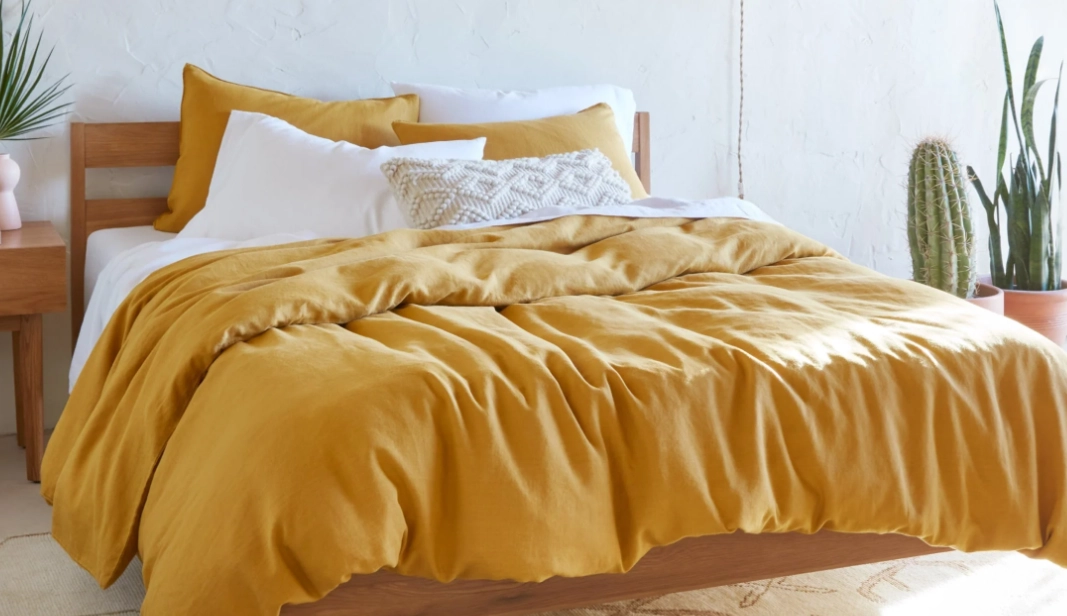
In This Guide
- Why Your Bedding Fabric is a Big Deal
- The Quick-Reference Fabric Showdown
- The Cotton Family: From Everyday to Luxury
- Linen: The Effortlessly Cool Contender
- Bamboo Viscose: The Cooling Superstar (With a Caveat)
- Silk, Tencel, Flannel & The Rest
- How to Pick Your Perfect Fabric Match
- Your Bedding Fabric Questions, Answered
Why Your Bedding Fabric is a Big Deal
Think of your bedding fabric as your sleep environment's climate control and sensory interface. A poor choice isn't just a minor annoyance—it can lead to nights of overheating, skin irritation, or constantly wrestling with wrinkled sheets. The right fabric works with your body.
It manages moisture (wicking sweat away), regulates temperature (keeping you cool or warm), and feels good against your skin. Durability is another huge factor. A cheap polyester blend might pill and degrade after 50 washes, while a good linen set gets softer for years. You're investing in one-third of your life. The fabric is where that investment pays off—or falls flat.
The Quick-Reference Fabric Showdown
Before we dive into the nuances, here's a high-level comparison. This table is your cheat sheet.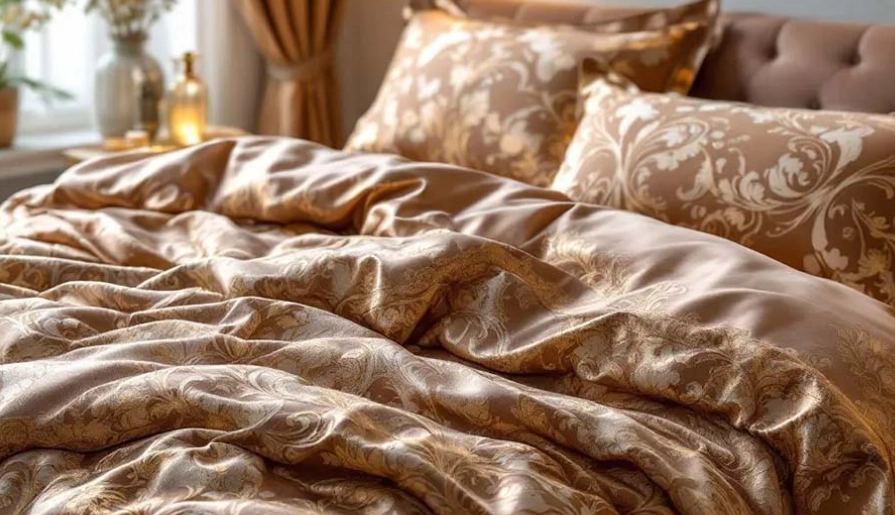
| Fabric | Best For | Feel & Texture | Breathability & Temp | Durability & Care | Price Point |
|---|---|---|---|---|---|
| Long-Staple Cotton (Egyptian, Pima) | Most sleepers; luxury feel seekers | Soft, smooth, crisp | Good breathability; all-season | Very durable; easy care | $$ - $$$ |
| Linen | Hot sleepers, texture lovers | Textured, relaxed, rustic | Exceptional breathability; cooling | Extremely durable; wrinkles easily | $$$ |
| Bamboo Viscose/Rayon | Extremely hot sleepers, sensitive skin | Silky soft, drapey, cool to touch | Superb moisture-wicking; very cooling | Moderate; can be delicate when wet | $ - $$ |
| Silk | Cold sleepers, skin/hair care focus | Luxuriously smooth, slippery | Temperature regulating (warm in winter) | Delicate; requires special care | $$$$ |
| Tencel Lyocell | Eco-conscious buyers, allergy sufferers | Soft like bamboo, more substantial | Excellent moisture management | Good durability; relatively easy care | $$ - $$$ |
| Flannel (Brushed Cotton) | Cold climates, winter months | Fuzzy, cozy, warm | Insulating; retains heat | Good; may pill over time | $ - $$ |
| Polyester Blends | Budget, low-wrinkle needs | Can feel synthetic, less breathable | Poor; traps heat and moisture | Wrinkle-resistant but may pill | $ |
Now, let's get into the details the table can't capture.
The Cotton Family: From Everyday to Luxury
Cotton is the default for a reason. It's natural, breathable, and widely available. But not all cotton is equal. The magic lies in the staple length—the length of the individual cotton fibers.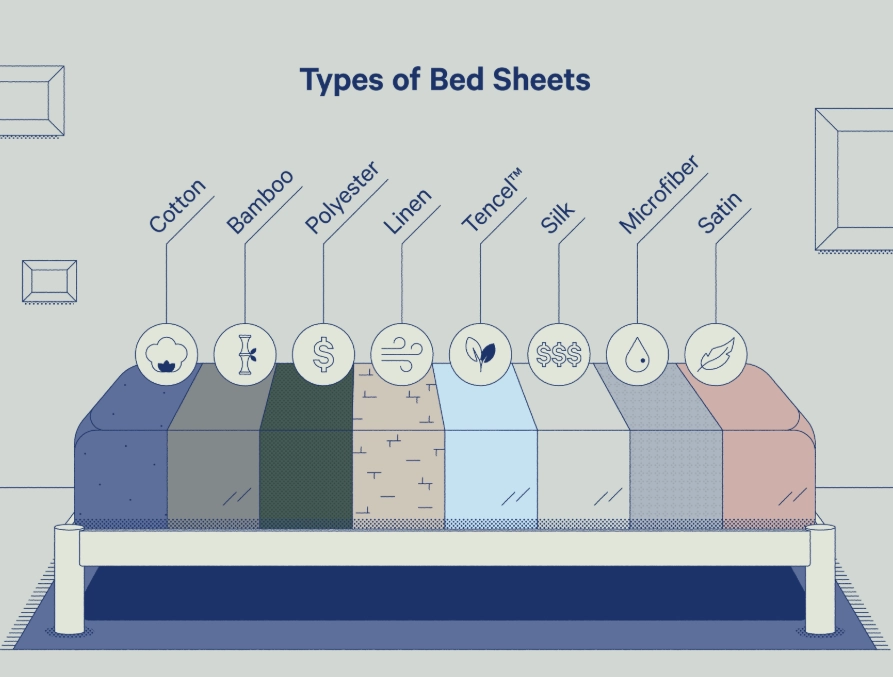
Long-staple cotton (like Egyptian or Pima) is the gold standard. The longer fibers can be spun into finer, stronger yarns. This results in sheets that are incredibly soft, resist pilling, and have a lovely luster. They feel substantial yet smooth. The Cotton Egypt Association defines strict standards for authentic Egyptian cotton. Look for that certification if you're splurging.
Upland cotton is shorter-staple, more common, and cheaper. It's perfectly fine for everyday sheets, but it won't have the same longevity or silky feel as its longer-staple cousins.
Here's a common mistake: obsessing over thread count with cheap cotton. A 1000-thread count sheet made from short, inferior fibers is worse than a 300-thread count sheet made from long-staple cotton. The brand will often use multi-ply yarns to artificially inflate the count, creating a dense, less breathable fabric.
The Organic Cotton Niche
Organic cotton, certified by bodies like GOTS (Global Organic Textile Standard), is grown without synthetic pesticides. The feel is often comparable to high-quality conventional cotton. The main benefit is environmental and for those with severe chemical sensitivities. Don't expect it to feel radically different, but it's a principled choice if you can afford the premium.
Linen: The Effortlessly Cool Contender
Linen, made from the flax plant, is the secret weapon of hot sleepers and aesthetes. Its reputation for being rough is outdated. High-quality linen is soft from the start and becomes unbelievably soft—like your favorite worn-in t-shirt—after a dozen washes.
Its structure is its superpower. The hollow flax fibers are incredibly breathable and wick moisture away faster than cotton. You'll rarely feel clammy. The texture also means it doesn't stick to your skin, promoting air circulation.
The downside? It wrinkles. Profoundly. You must embrace the relaxed, rumpled look. If you're a person who needs crisp, hospital-corner sheets, linen will frustrate you. Also, it's expensive, though its lifespan (easily 20+ years with care) justifies the cost.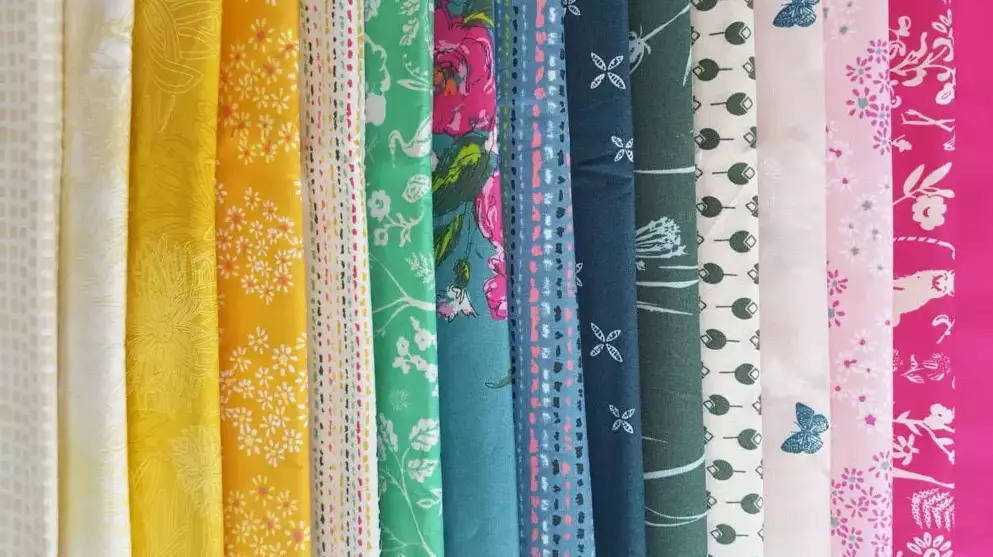
Bamboo Viscose: The Cooling Superstar (With a Caveat)
Bamboo bedding is almost always bamboo viscose or rayon. It's not a woven bamboo grass; it's a regenerated cellulose fiber. This process gives it that incredibly silky, cool-to-the-touch feel that people love. Its moisture-wicking is top-tier, making it a fantastic choice for night sweats or humid climates.
However, there's a significant eco-elephant in the room. The chemical process to turn bamboo pulp into viscose (using solvents like carbon disulfide) can be polluting if not done in a closed-loop system. Brands using Lyocell process (like Tencel, but for bamboo) are better. Don't just trust "bamboo is eco-friendly" claims. Look for specifics on the manufacturing process.
Performance-wise, bamboo viscose can be less durable than cotton or linen, especially when wet. Handle it gently during washing.
Silk, Tencel, Flannel & The Rest
Silk is the ultimate indulgence. It's not the best for hot sleepers, as it's more about temperature regulation (warm in winter, cool-ish in summer). Its real benefits are for skin and hair—reducing friction, which can help with acne and prevent hair breakage. The care is high-maintenance: hand wash or dry clean, avoid sun drying. For most, a silk pillowcase is a more practical entry point.
Tencel Lyocell, often just called Tencel, is my top recommendation for the eco-aware. Made from sustainably sourced wood pulp in a closed-loop process (recycling over 99% of solvents), it's the environmental gold standard for man-made cellulosics. It feels similar to bamboo—soft, cool, great at moisture management—but often has a bit more body and strength. It's also naturally resistant to bacteria.
Flannel is brushed cotton or wool, creating a fuzzy nap that traps warm air. It's strictly for cold sleep. Quality varies; look for a tight weave so it doesn't pill excessively.
Polyester or Blends: I generally avoid them for sheets. They're less breathable, can make you sweat, and often develop a pilly surface. Their only advantages are low cost, wrinkle resistance, and sometimes specific performance features in athletic bedding.
How to Pick Your Perfect Fabric Match
Stop looking for a universal "best." Ask yourself these questions instead: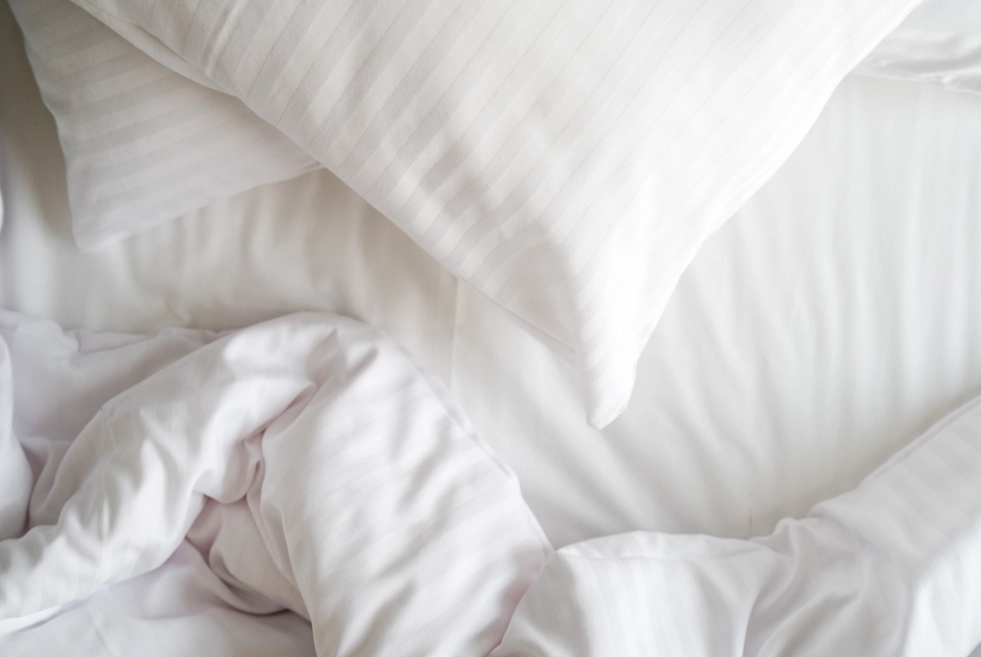
- Do you sleep hot or cold? Hot: Linen, Bamboo, Tencel. Cold: Flannel, Cotton, Silk.
- What feel do you crave? Crisp and smooth? Go for Percale-weave cotton. Soft and drapey? Try Sateen-weave cotton or Bamboo. Textured and rustic? Linen.
- What's your maintenance tolerance? Low: Easy-care cotton or Tencel. High: Silk or linen (if you hate ironing).
- What's your budget for a queen set? Under $100: Look for sales on bamboo or Upland cotton. $100-$250: Good quality long-staple cotton or bamboo. $250+: Premium linen, Egyptian cotton, or Tencel.
- Any skin sensitivities? Avoid synthetic blends. Opt for GOTS-certified organic cotton, Tencel, or silk.
Consider a seasonal rotation. I use linen or bamboo in the summer and switch to a heavier cotton percale or flannel in the winter. It sounds extravagant, but having the right tool for the job improves sleep quality year-round.
Your Bedding Fabric Questions, Answered
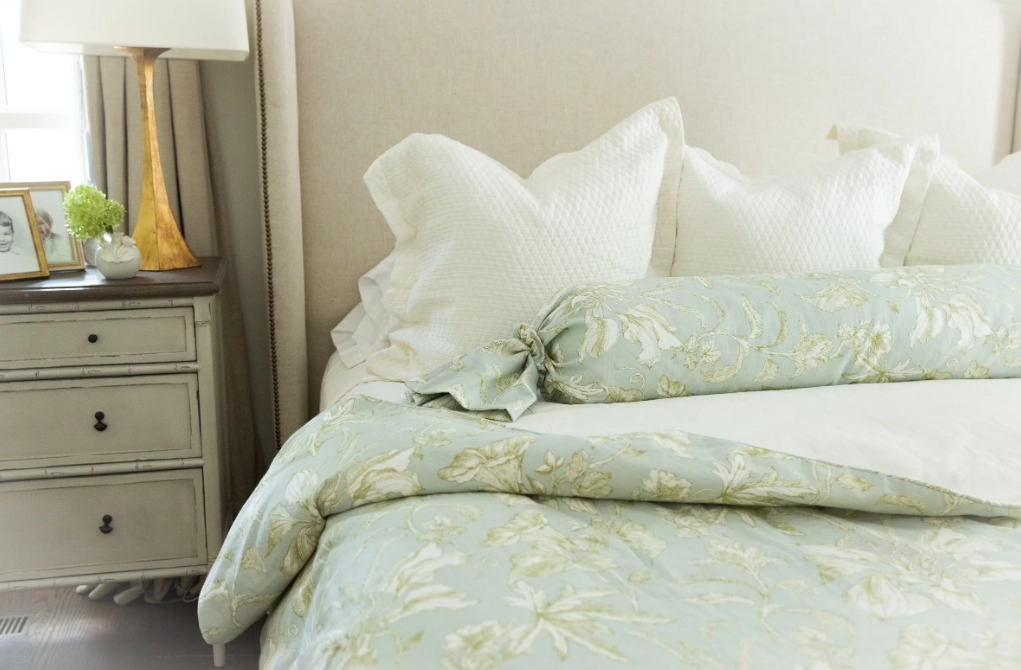 Is high-thread-count Egyptian cotton always the best?