Let's cut through the noise. Asking for the "best" fabric paint is like asking for the best tool—it depends entirely on the job. Are you reviving a faded denim jacket, creating a custom tote bag, or designing a wall tapestry? The fabric, the desired finish, and how often you'll wash the item completely change the answer. I've seen too many projects fail because someone used a stiff acrylic meant for canvas on a soft t-shirt. This guide isn't just a list of products; it's a decision-making framework from someone who's made (and fixed) a lot of fabric painting mistakes over the years.
What You'll Learn
Breaking Down the Contenders: Acrylic vs. Fabric-Specific vs. Spray Paint
Most paints you'll consider fall into one of these three families. Their core chemistry dictates everything from feel to washability.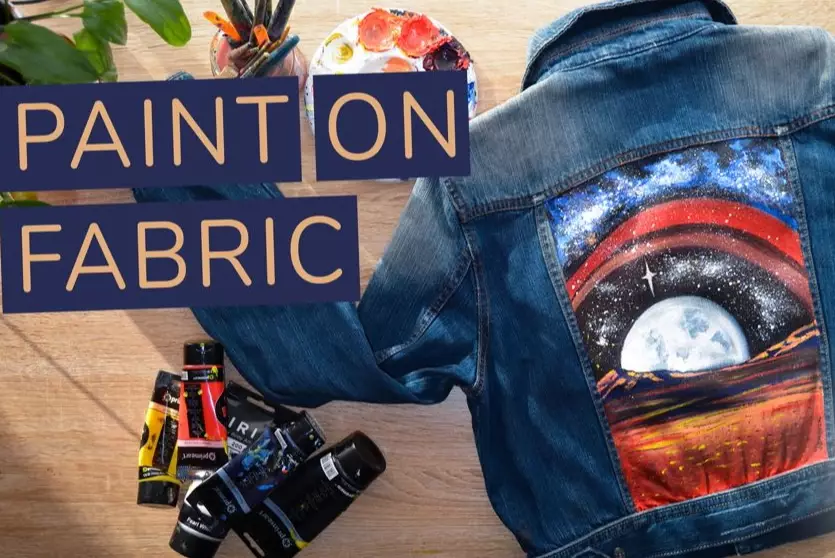
| Paint Type | Best For | Key Advantages | Potential Drawbacks | Washability |
|---|---|---|---|---|
| Acrylic Paint (with medium) | Canvas shoes, home decor (pillows, tapestries), art pieces that won't be machine-washed often. | Huge color range, affordable, readily available. Great opacity and vibrancy. | Can be stiff and crack if used straight. Requires a fabric medium for flexibility. | Good to Excellent (when properly mixed with medium and heat-set) |
| Dedicated Fabric Paint | Clothing (T-shirts, jeans, jackets), bags, anything that requires regular washing and softness. | Formulated to remain flexible and soft. Often requires only heat-setting. Brands like Jacquard, Tulip, and Decart are leaders here. | Can be more expensive per volume than basic acrylics. Some cheaper brands have less pigment density. | Excellent (specifically designed for it) |
| Fabric Spray Paint | Large areas, gradient effects, stenciling on bulky items like furniture upholstery or canvas sneakers. | Incredibly fast coverage, unique effects (mists, fades). Brands like Montana Colors offer fabric-specific lines. | Less control, requires ventilation/masking. Can feel slightly plasticky if over-applied. | Varies (always check the can; some are more flexible than others) |
Acrylic Paints: The Versatile Workhorse (With a Caveat)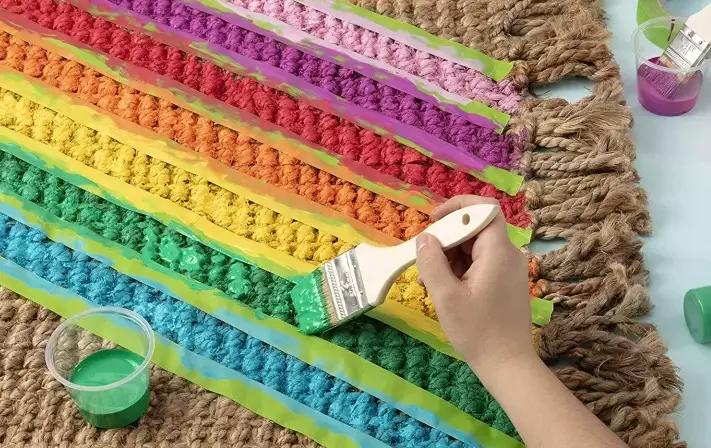
Your tube of Liquitex Basics or Apple Barrel isn't useless for fabric. Far from it. But using it straight from the tube is the #1 mistake I see. Acrylic polymer, when dry, forms a plastic film. On a flexible fabric that gets crumpled, that film will crack.
The secret weapon? A fabric medium. This is a clear liquid you mix with your acrylic paint (usually a 1:1 ratio). It does two critical things: it thins the paint for easier application and modifies the polymer so it remains flexible when dry. Golden GAC 900 is a professional-grade example often cited on artist forums. Without it, you're risking a flawed finish.
Dedicated Fabric Paints: The Specialists
These are the hassle-free option. Brands like Jacquard Textile Color are industry favorites for a reason. They're pigment-loaded, come in various finishes (matte, metallic, neon), and are engineered to bond with fabric fibers. They typically have a thinner consistency than heavy-body acrylics, making them better for detail work or screen printing techniques.
Then you have the "puffy" paints or dimensional paints like Tulip Slick. These are great for adding raised texture and outline details. They have their place, but don't use them for filling large areas—the result can be uncomfortably bulky.
Fabric Spray Paints: For Scale and Effect
Don't confuse regular spray paint with fabric spray paint. The latter is formulated with more flexible binders. I used Montana Colors BLACK fabric spray to refresh a faded black canvas backpack, and the coverage and adhesion were fantastic. It's messy, though. Always, always work in a well-ventilated area and protect your workspace. The control is different from a brush—it's about layering light mists rather than one heavy coat.
My Non-Consensus Take: The "best" paint is often a hybrid approach. Use a dedicated fabric paint for the main colored areas where softness is crucial, and mix your own custom shades with acrylics + medium for specific accent colors you can't find in fabric paint lines. This gives you maximum flexibility without compromising on quality.
How to Choose the Right Paint: Match the Paint to the Project
Stop thinking about paint first. Start with your project.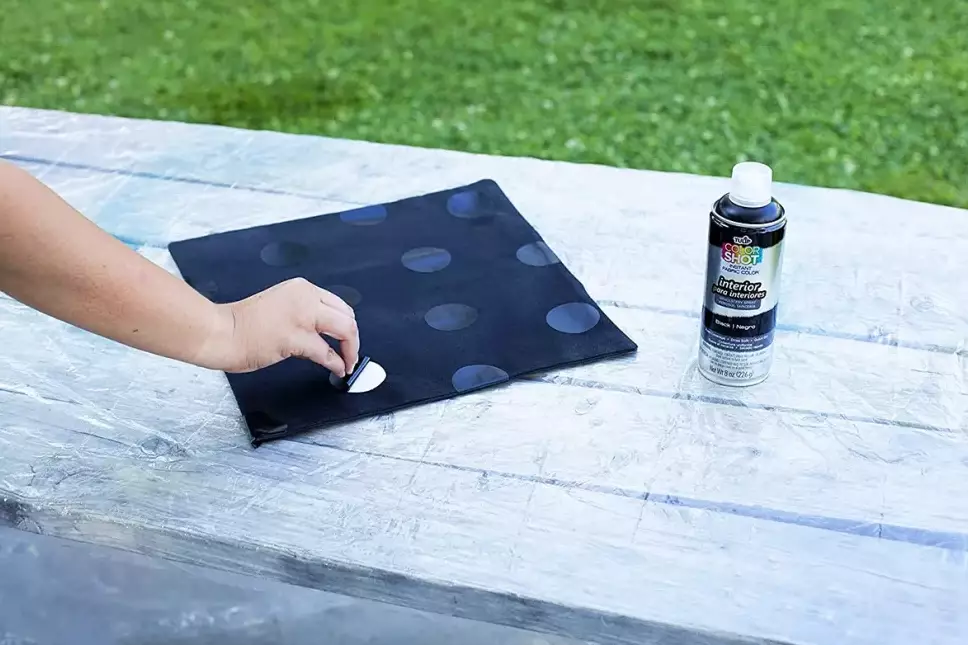
Scenario 1: You're painting a cotton T-shirt to wear and wash frequently.
This is the prime territory for dedicated fabric paint or acrylic mixed with a high-quality fabric medium. Softness is non-negotiable. Look for paints labeled "soft" or "flexible." Thin layers are better than one thick one. Jacquard Neopaque is excellent for bold, opaque colors on dark fabrics.
Scenario 2: You're customizing canvas sneakers or a denim jacket.
These are tougher fabrics. You have more leeway. A good acrylic + medium mix works wonderfully here, as does a heavier-body fabric paint. For sneakers, consider adding a finisher like Decart Textile Varnish for extra scuff resistance. For denim, remember it's often a tighter weave—you might need an extra coat for full coverage.
Scenario 3: You're creating a decorative pillow cover or wall hanging.
Since these items see less abrasive wear and washing, your priority shifts to color and effect. This is where artist-grade acrylics with medium shine. You can achieve complex blends and textures. If it's a pillow, paint the front panel before sewing it into the final product.
The Expert Application Guide: It's More Than Just Painting
Buying the right paint is only half the battle. How you prepare and finish the fabric is what separates a lasting piece from a disappointing one.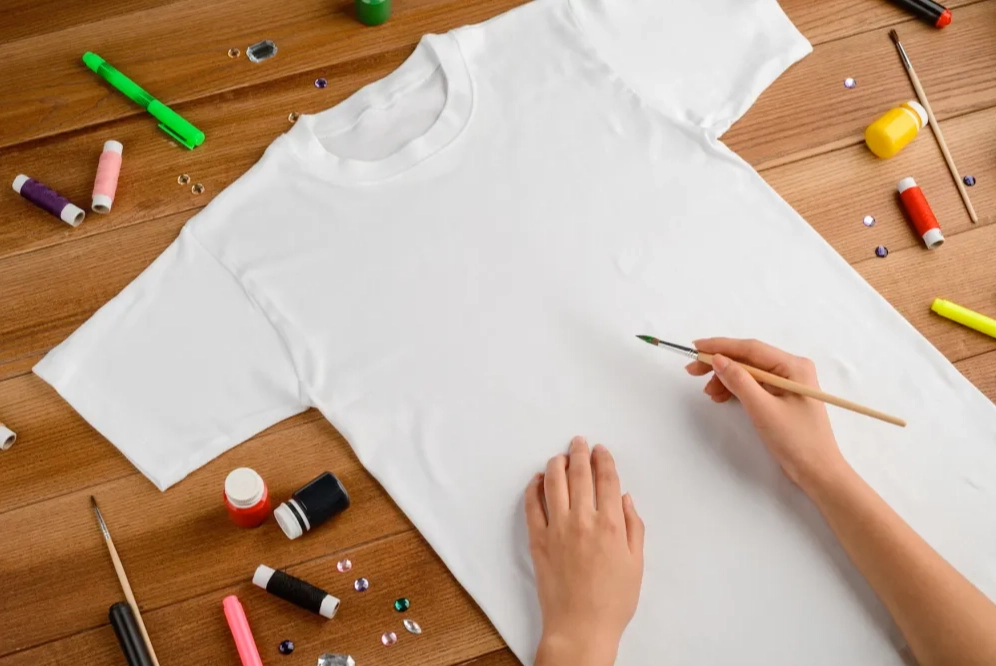
Step 1: Fabric Preparation (Don't Skip This!)
Wash and dry your fabric without fabric softener. This removes any sizing, chemicals, or residues that can prevent paint adhesion. Fabric softener coats the fibers—that's its job—which is exactly what you don't want. Iron it smooth. A wrinkled surface makes for a messy painting experience.
Step 2: The Painting Surface
Place a piece of cardboard or a plastic sheet inside a T-shirt or bag. This prevents bleed-through onto the back layer and provides a firm surface to work on. Tape your fabric taut if working on a flat piece like a pillowcase.
Step 3: Application Techniques
Brushes: Use synthetic brushes for acrylics and fabric paints. Natural bristles can absorb too much water and splay.
Sponges & Stencils: Perfect for textured effects. Use a dabbing motion, don't drag.
Bleeding: To prevent paint bleeding under stencils, make sure your paint isn't too watery, and press your stencil down firmly. You can even use a light spray of repositionable adhesive spray on the back of the stencil.
Step 4: The Most Critical Step - Heat Setting
This is not optional. Heat setting uses heat to cure the paint's binder, locking it into the fibers. Instructions vary, so always check your paint's label. The general rule:
- Let the paint dry completely for 24-72 hours.
- Place a thin cloth (like a pillowcase) over the design to protect it.
- Iron on the cotton setting (medium-high heat) for 3-5 minutes, moving the iron constantly.
- Alternatively, tumble dry on high heat for 30-40 minutes.
I've ruined a piece by impatience—ironing too soon smudged everything. Wait the full time.
Common Pitfalls and How to Side-Step Them
Learning from my errors so you don't have to:
Paint feels stiff and cracks. Cause: Using straight acrylic without a medium, or applying the paint too thickly. Solution: Always use a fabric medium with acrylics. Build up color in thin layers, letting each dry.
Design washes out or fades quickly. Cause: Skipping the heat-setting step, or washing the item too soon after painting. Solution: Never skip heat setting. Wait at least 72 hours after heat setting before the first wash, and always turn the item inside out, using a gentle cycle.
Colors bleed into each other. Cause: Applying wet paint next to another wet area, or using overly-thinned paint. Solution: Let adjacent sections dry completely before painting next to them. If you want blends, work quickly on a wet surface intentionally.
Fabric Paint FAQs: Beyond the Basics
 Choosing the best paint for fabric isn't about finding a single magic product. It's about understanding the relationship between the paint's chemistry, your fabric's nature, and the life your creation will have. Start with your project's needs, prepare meticulously, and never underestimate the power of heat. With that framework, even a simple acrylic can be transformed into a durable fabric paint, and your DIY projects will look professional for years to come.