You bought them for their crisp, clean look. Now your white shoes look like they’ve been through a mud run. Grass stains, scuff marks, that mysterious grey tinge around the edges. I get it. I’ve ruined a pair of pristine white leather sneakers by being too aggressive with the wrong cleaner. The good news? You can almost always bring them back. Washing white shoes isn't just about scrubbing harder; it's a precise craft of using the right tools, avoiding common pitfalls, and understanding why they turn yellow in the first place. This guide cuts through the noise and gives you a clear, expert-backed process.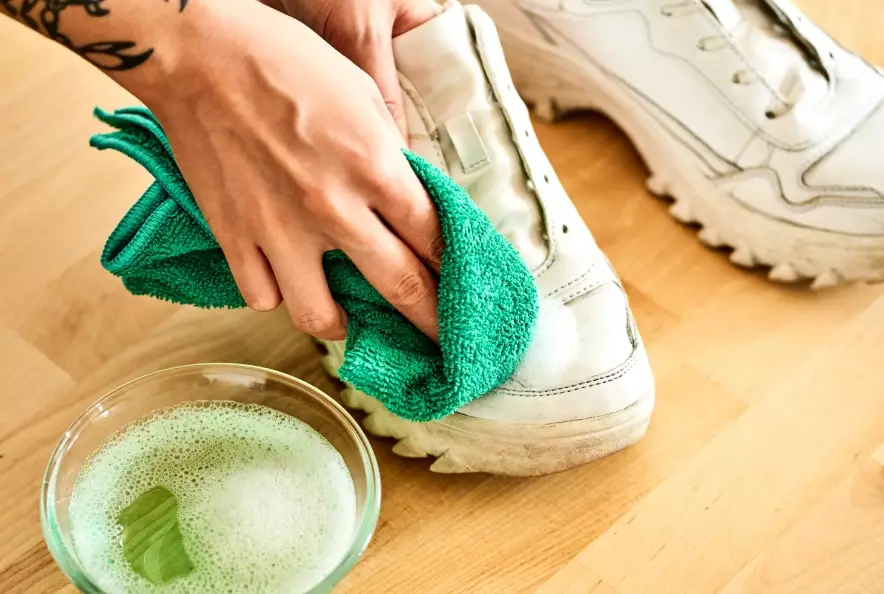
What You’ll Learn
Gather Your Tools: The Right Arsenal
Don't just grab dish soap and an old toothbrush. The wrong soap can leave residues that attract dirt or cause yellowing. Here’s what you actually need, broken down by necessity.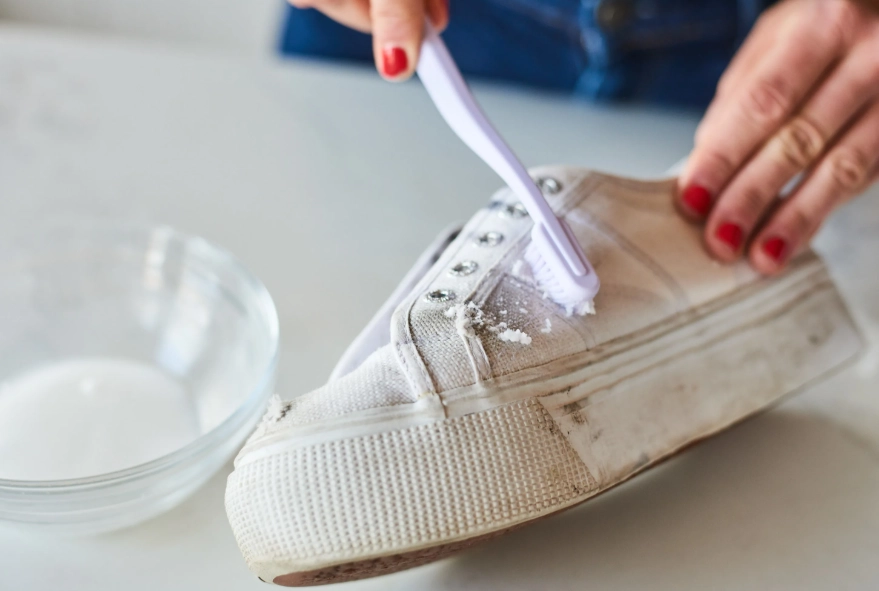
- Soft-Bristled Brushes: Two are ideal. One stiffer (like a nail brush) for outsoles and rugged rubber, one super soft (like a horsehair detailing brush) for uppers and delicate materials.
- Microfiber Cloths: These are lint-free and won’t scratch. Essential for drying and applying cleaners.
- Mild Liquid Detergent or Castile Soap: Look for clear, dye-free, and fragrance-free options. Dr. Bronner’s unscented is a favorite. Avoid powders—they don’t always dissolve fully.
- Cold or Lukewarm Water: Hot water can set stains and damage adhesives.
- A Bowl or Sink: For your cleaning solution.
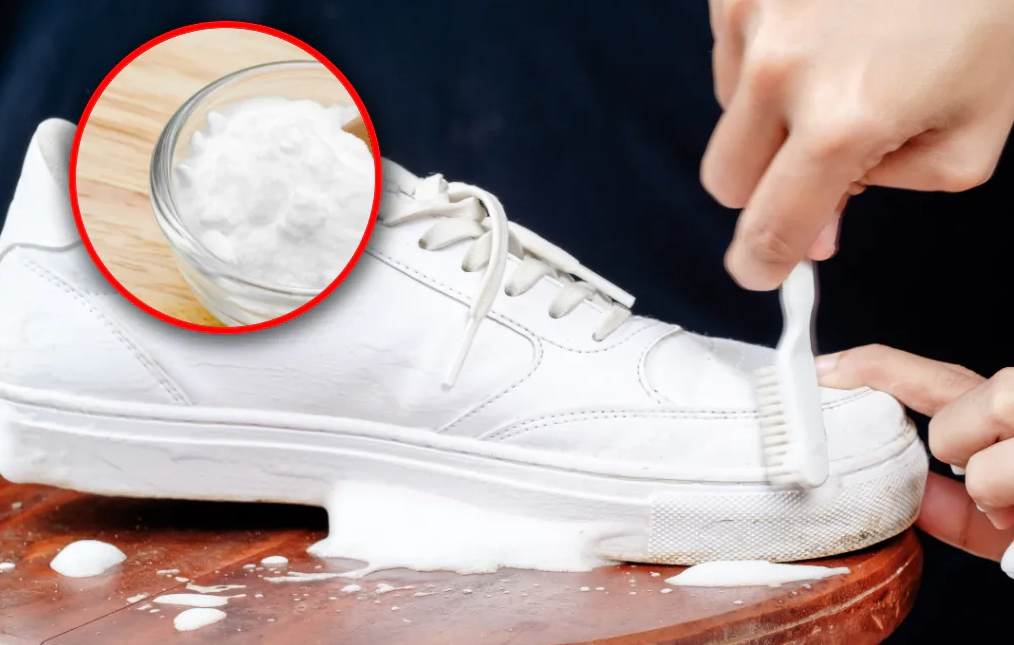
Advanced/Stain-Fighting Tools: For tougher jobs, consider hydrogen peroxide (3% solution), a paste of baking soda and water, or a dedicated sneaker cleaning pen for spot treatments. A soft eraser (like a Magic Eraser) works wonders on rubber midsoles, but use it gently—it’s mildly abrasive.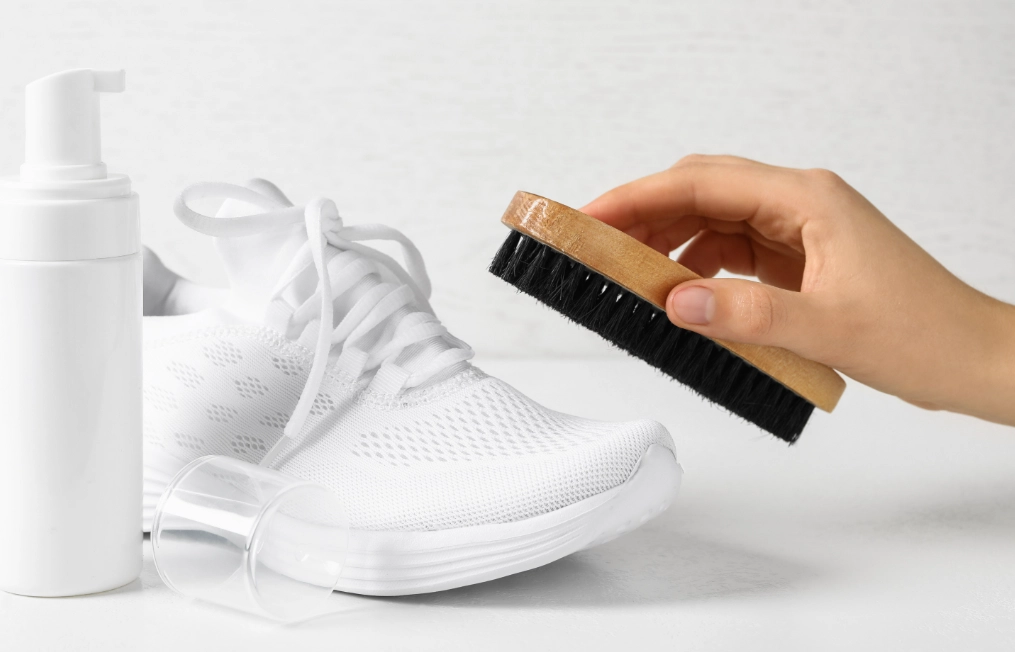
The Crucial Pre-Wash Prep
This step is where most people fail. Rushing in means grinding dirt deeper into the fabric.
First, remove the laces and insoles. Wash them separately in a small mesh bag or by hand with soapy water. This lets you clean the tongue and interior fully.
Next, dry brush. Use your soft brush to knock off all loose dirt, dust, and dried mud. Do this over a trash can. I’ve seen people skip this and just create muddy soup on their shoes.
Finally, identify your shoe’s material. This dictates everything that follows.
Step-by-Step Washing by Material
Here’s where we get specific. A one-size-fits-all approach ruins shoes.
How to Wash Canvas & Mesh White Shoes (e.g., Converse, Vans, most running shoes)
These are the most forgiving. Create a sudsy bath in a bowl with cold water and a teaspoon of detergent. Dip your soft brush in the solution, scrub gently in circular motions, focusing on stained areas. Never submerge the whole shoe! Excess water is the enemy. For the midsole, a Magic Eraser dampened with water works miracles on scuffs. Rinse by dabbing with a cloth dipped in clean water, don’t hold under the tap.
How to Wash Leather & Synthetic Leather White Shoes
Water is the risk here. Wipe down with a damp microfiber cloth first. For deeper cleaning, use a dedicated leather cleaner or a mix of 1:1 water and white vinegar on a cloth. Test on an inconspicuous area first. Scrub gently, then wipe immediately with a dry cloth. Conditioning after cleaning (with a white leather conditioner) prevents cracking, but it’s not always needed after every wash.
How to Wash Suede or Nubuck White Shoes
Stop. Do not use water or liquid soap. You’ll create a permanent stain. Use a dry, soft suede brush or a specialized suede eraser block to lift dirt and stains. For oil-based stains, a tiny amount of cornstarch left overnight can draw it out. For overall grime, a product like the Saphir Omninettoyant Suede Cleaner is your best bet. Always brush in one direction.
| Material | Best Cleaning Agent | Key Do's | Key Don'ts |
|---|---|---|---|
| Canvas/Mesh | Mild detergent solution | Use a soft brush, blot to rinse. | Don't soak, don't use bleach. |
| Leather | Leather cleaner or diluted vinegar | Wipe dry immediately, condition occasionally. | Don't drench, avoid harsh chemicals. |
| Suede/Nubuck | Dry brush & suede eraser | Brush in one direction, use specialized cleaners. | NEVER use water or standard soap. |
| Rubber Outsoles | Magic Eraser or baking soda paste | Scrub with grain, rinse thoroughly. | Don't use acetone or nail polish remover. |
How to Tackle Stubborn Stains
General cleaning won't fix these. You need targeted tactics.
Grass Stains: The chlorophyll is tough. Apply a paste of baking soda and hydrogen peroxide (3%). Let it sit for 30-60 minutes, then scrub gently with a soft brush and rinse. The mild bleaching action of the peroxide works without the damage of chlorine bleach.
Oil/Grease Stains: Cornstarch or talcum powder. Cover the stain thickly, let it sit overnight to absorb the oil, then brush off. Repeat if necessary.
Ink Stains: Rubbing alcohol (isopropyl alcohol) on a cotton swab. Dab, don't rub, to avoid spreading. Blot immediately with a clean cloth. Test first on a hidden spot.
Yellowing on Midsoles: This is often oxidation of the rubber or glue. The internet swears by “sneaker whitening” methods like using Salon Care 40 cream with UV light. It works, but it's a chemical process. For maintenance, a simple paste of baking soda and water, scrubbed on and rinsed, can lift surface grime that contributes to the yellow look.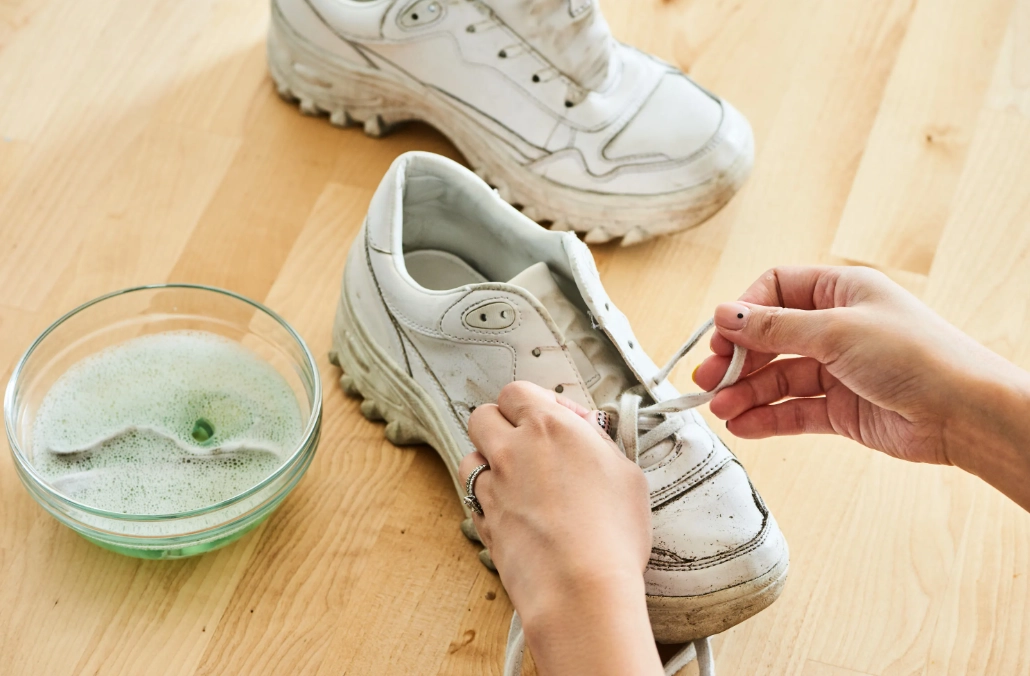
The #1 Rule: Drying to Prevent Yellowing
This is the most important part of the entire process. How you dry your white shoes determines if they stay white or turn a sad, creamy yellow.
Never, ever put them in direct sunlight or on a heater. Heat is the primary culprit for yellowing. It bakes in stains and accelerates the oxidation of materials and leftover soap residues.
Stuff them with white paper towels or acid-free white tissue paper. This absorbs moisture from the inside and helps maintain the shape. Newspaper can transfer ink, so avoid it.
Place them in a well-ventilated room at room temperature, away from direct light. A fan circulating air nearby speeds up the process. Expect canvas shoes to take 12-24 hours to dry completely. Leather and thicker materials may take longer.
Patience is non-negotiable. Wearing them even slightly damp invites dirt and defeats the whole purpose.
A Simple Maintenance Routine
Frequent, light cleaning beats one brutal deep clean.
Keep a dedicated soft brush and a microfiber cloth in your closet. After wearing your white shoes, give them a quick dry brush to remove dust. For minor scuffs on rubber, a quick pass with the eraser takes seconds.
Consider a protective spray. For canvas and leather, a waterproofing spray (like Crep Protect or Jason Markk Repel) creates a barrier against liquid stains. For suede, use a suede-specific protector. Apply this to clean, dry shoes before their first wear.
Rotate your shoes. Don't wear the same white pair multiple days in a row. Let them air out and recover their shape.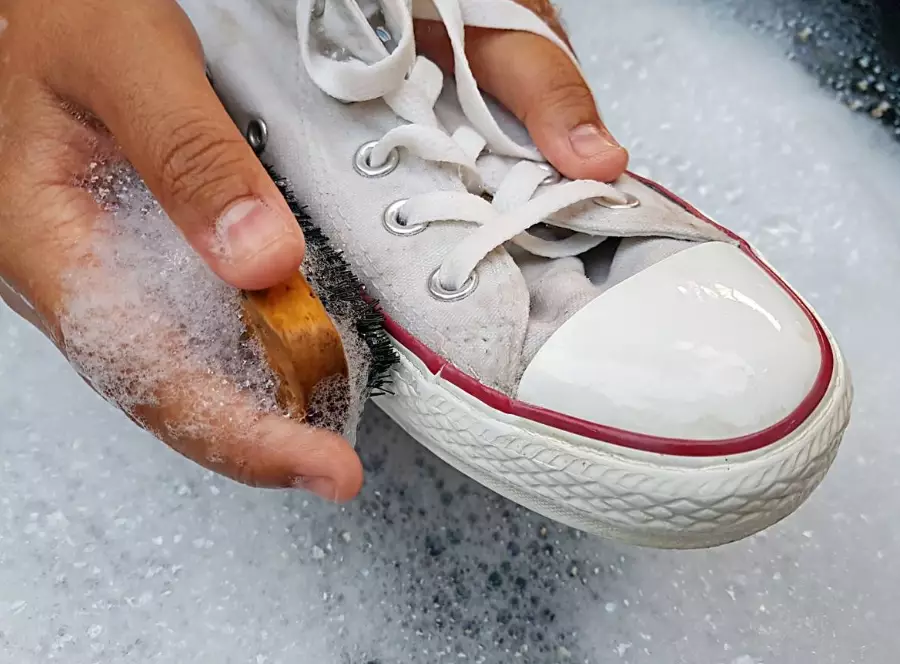
Your White Shoe Questions, Answered
Why did my white shoes turn yellow after I washed them?
Can I put my white shoes in the washing machine?
How often should I clean my white shoes?
 What’s the best product for keeping white soles white?
Is it safe to use vinegar on white leather shoes?
Keeping white shoes clean isn't about a secret hack. It's about consistent, gentle care with the right tools. Ditch the bleach, embrace the shade for drying, and tackle stains early. Your sneakers will thank you.