Let's cut to the chase: there is no single "best" fabric for drapes. Anyone telling you otherwise is selling you something. The real answer depends entirely on what you need those drapes to do in your specific room. Are you trying to block out streetlights for better sleep? Create a breezy, sun-drenched living room? Add a shot of drama to a formal dining room? The fabric you choose is the most critical decision, far more than color or pattern.
I've been specifying fabrics for interior projects for over a decade, and the most common mistake I see is choosing based on looks alone. A gorgeous raw silk in a sunny breakfast nook will be destroyed by UV rays in two years. Heavy velvet in a humid bathroom is a mold invitation. Getting it right means balancing aesthetics, function, durability, and maintenance.
What's Inside This Guide?
Fabric Breakdown: From Linen to Blackout
Think of this as your fabric menu. Each has a personality and a specific job.
The Natural Classics: Linen & Cotton
Linen is the darling of the design world for good reason. It has a beautiful, slubby texture that filters light into a soft, diffused glow. It's inherently casual and breezy. But here's the non-consensus part: you have to embrace the wrinkle. Linen drapes will never look crisp and pressed, and that's the point. They're supposed to look relaxed. If you're a perfectionist who can't stand a crease, linen will drive you mad. It also fades in direct sun over time, which can be a charming patina or a deal-breaker.
Cotton (like cotton duck, canvas, or sateen) is the workhorse. It's versatile, takes dye beautifully for vibrant colors, and is generally easy to clean. A medium-weight cotton canvas offers decent light blockage and insulation. The big catch? It can shrink. Always, always ask if the fabric is pre-shrunk or plan to buy unlined cotton drapes a few inches longer and wider than your window.
The Drama Makers: Velvet & Silk
Velvet is the ultimate for light blocking, insulation, and sound dampening. It creates a luxurious, cozy cave of a room—perfect for bedrooms, media rooms, or formal spaces. Modern velvets are often cotton or polyester blends, making them more durable and less prone to crushing than traditional silk velvet. They're heavy, so you need a robust rod and bracket.
Silk is incomparable for sheen and rich color depth. It's a statement. But it's also fragile. Sunlight rots silk. Even lined, prolonged exposure weakens the fibers. I only use real silk in interior rooms with no direct sun, like formal dining rooms. For the look without the heartache, high-quality rayon or polyester blends (often labeled "silk-like" or "faux silk") are brilliant alternatives.
The Practical Performers: Polyester & Rayon Blends
Don't snub synthetics. A high-density polyester can mimic the look of linen, cotton, or silk with superior durability, fade resistance, and wrinkle resistance. It's often the best choice for high-sun areas or homes with kids and pets. Polyester blends are also less likely to shrink. The downside can be a less "breathable" feel, but for drapes, that's rarely an issue.
Rayon/Viscose (made from wood pulp) has a beautiful drape and a luminous quality close to silk. It's often blended with other fibers for stability. While more sensitive to water than polyester, it's a fantastic middle-ground for achieving a high-end look with moderate sun exposure.
The Functional Specialist: Blackout Fabric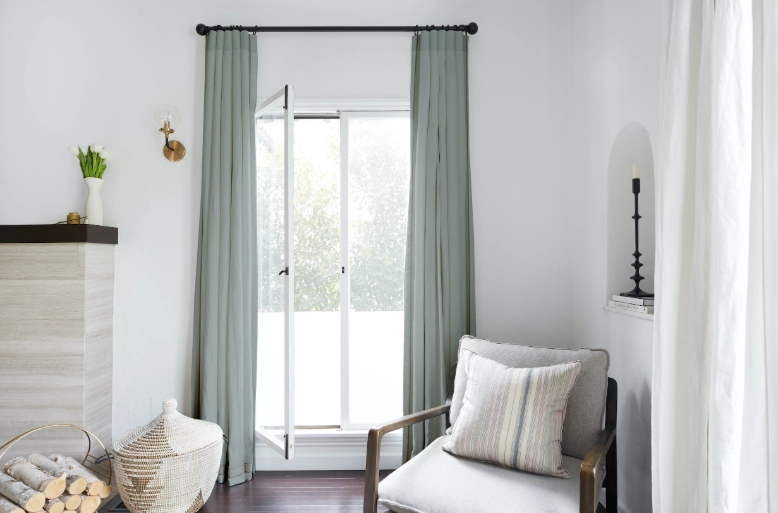
This isn't a fiber type, but a construction. True blackout fabric has a dense, often rubberized backing that blocks 99-100% of light. It's essential for shift workers, baby rooms, or home theaters. It also provides great thermal and acoustic insulation. The fabric face can be any of the above (polyester, cotton, etc.). Just know that the drape will be stiffer, and they can feel more "industrial." For a softer look, consider a room-darkening fabric (which blocks ~90% of light) instead.
| Fabric | Best For | Light Control | Maintenance | Watch Out For |
|---|---|---|---|---|
| Linen | Casual living rooms, sunrooms, relaxed filter | Sheer to Medium | Dry clean; wrinkles easily | Sun fading, permanent creasing |
| Cotton Canvas | Versatile all-rounder, kids' rooms | Medium to Heavy | Machine washable (if pre-shrunk) | Potential shrinkage, can fade |
| Velvet | Bedrooms, media rooms, insulation, drama | Heavy to Blackout | Vacuum/dry clean; heavy | Crushing marks, needs strong hardware |
| Silk | Formal, sun-protected interiors, luxury | Varies with lining | Professional dry clean only | Sun damage, water spots, expensive |
| Polyester Blend | High-sun areas, durability, budget-friendly | Varies widely | Easy; often machine washable | Can look/feel synthetic if low quality |
| Blackout | Sleep, home theaters, total light control | Total Blackout | Wipe clean; stiff drape | Bulky appearance, limited fabric choices |
How to Choose: Your 4-Step Decision Framework
Forget browsing thousands of swatches online. Answer these four questions first.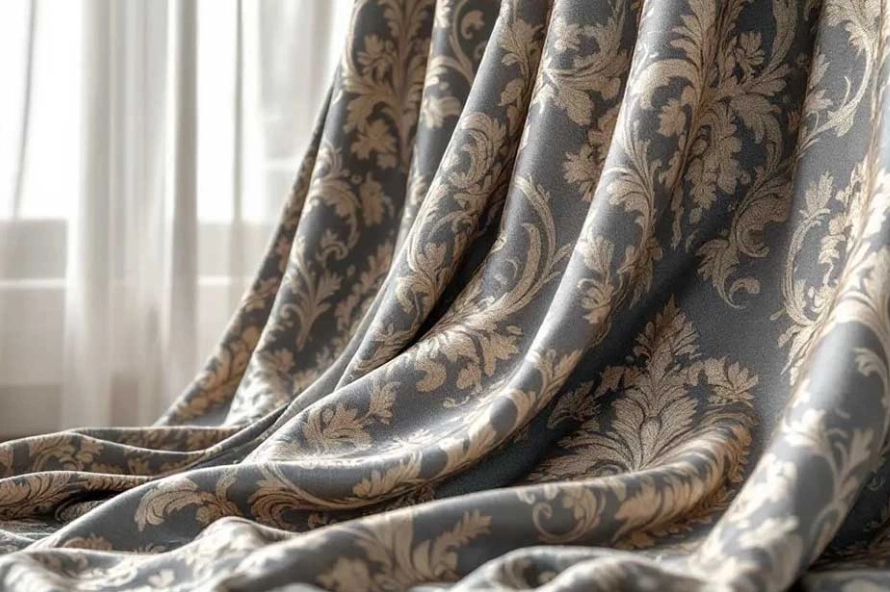
1. What is the ROOM'S PRIMARY FUNCTION?
This dictates your fabric weight and opacity.
- Bedroom: Priority is darkness and warmth. Think velvet, heavy cotton, or lined blackout.
- Living Room: Often about light modulation and style. Linen, cotton, or medium-weight blends work well.
- Kitchen/Bathroom: Moisture and grease are factors. Avoid linens and silks. Choose easy-clean cottons or polyesters.
- Home Office/Media Room: Glare control and acoustics. A medium to heavy fabric with a lining helps.
2. How much LIGHT and PRIVACY do you need?
- Want to see the trees but blur the view of your neighbor's yard? A light-filtering fabric like linen or voile.
- Need to read a screen without glare but still know it's daytime? A room-darkening fabric (most medium-weight cottons, blends).
- Need to sleep past sunrise or watch a movie at noon? True blackout is your only real option.
3. What's your REALISTIC MAINTENANCE tolerance?
Be honest. If you never dry clean anything, don't pick dry-clean-only silk. If you have cats that love to climb, a delicate linen is a bad idea. Polyester and treated cottons are your friends. Remember, drapes collect dust. Can you vacuum them regularly?
4. What's the BUDGET, including hardware?
Heavy fabrics like velvet require expensive, sturdy rods and brackets. Factor that in. Lining adds cost but extends fabric life and improves function. For a large window, a premium fabric might blow your budget, but a great-looking polyester blend could be perfect.
A quick story: A client insisted on natural white linen for a south-facing beach house window. It looked stunning for six months. After a year, the sun-facing side was visibly yellowed and brittle. We replaced it with a sun-resistant polyester-linen blend that looked identical but held up for years. Sometimes, the "natural" choice isn't the most practical one.
Common Mistakes & Pro Tips You Won't Find Elsewhere
These are the subtle errors I see constantly.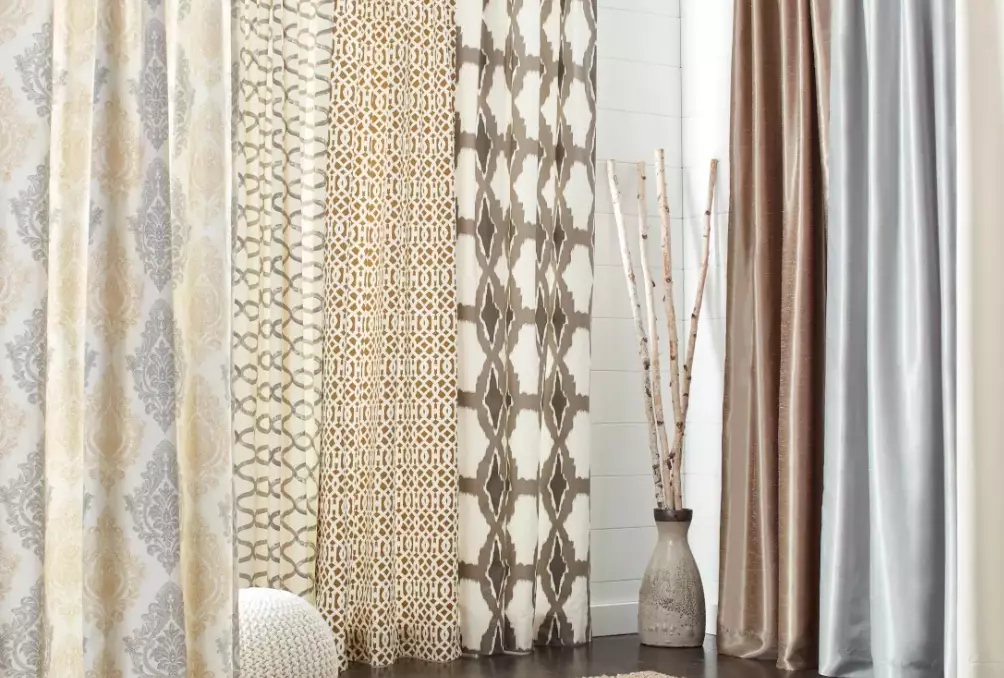
Ignoring the Lining. An unlined drape is a half-finished product. A standard cotton sateen lining protects the face fabric from sun damage, improves drape, adds insulation, and gives a uniform exterior look to your house. For sunrooms, consider a UV-protective lining. It's an upgrade that pays for itself.
Skimping on Fabric Quantity. For proper fullness and those beautiful, luxurious folds, your drapery width should be 2 to 2.5 times the width of your rod. Pinch-pleated drapes look anemic with less. This isn't just aesthetics; fuller drapes function better when drawn closed.
Forgetting the Climate. In humid climates, natural fibers like cotton and linen can attract mildew, especially if they're lined and pressed against a cold window. Ensure good air circulation. In dry, sunny climates, UV degradation is the enemy—prioritize fade-resistant fibers or linings.
Ordering Swatches, But Not Testing Them. Tape the large swatch to your window. Live with it for a few days. See how the color changes in morning light vs. evening. See how much privacy it actually provides at night with the lights on. This step saves so much regret.
Your Fabric Questions, Answered
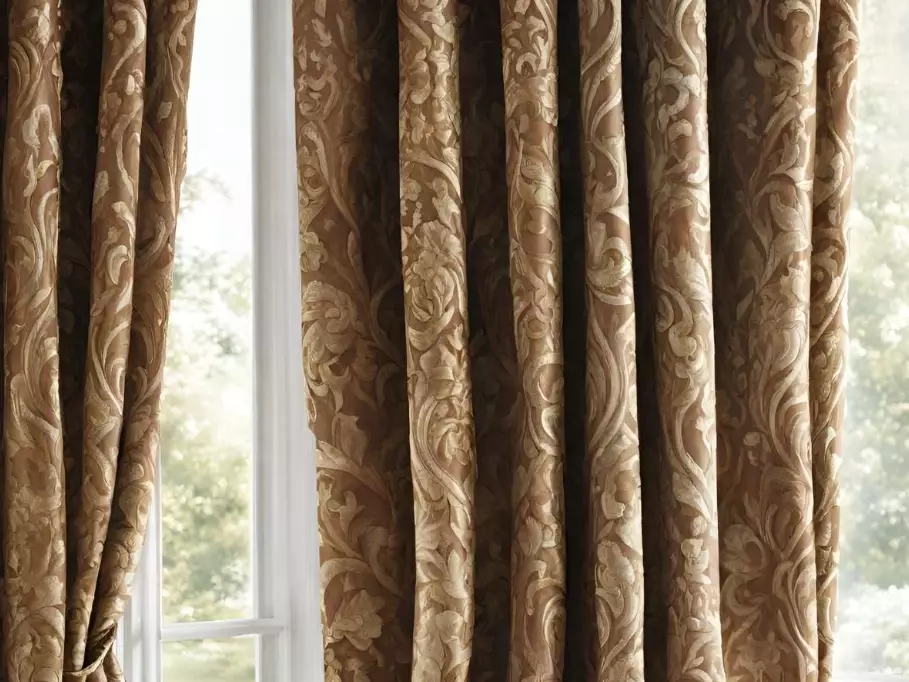 I need drapes for a nursery that are safe, functional, and easy to clean. What fabric?