Let's be honest. Washing a blanket feels like a high-stakes operation. That cozy wool throw from your grandma? The expensive down comforter? The plush fleece you live in all winter? One wrong move and you're looking at a shrunken, matted, or lumpy mess. I've been there—I once turned a beautiful merino wool blanket into a felted dishcloth by being careless. It doesn't have to be that way.
The truth is, washing blankets at home is completely doable. It saves you a fortune compared to professional cleaning, and you have full control. The secret isn't in a magic detergent; it's in understanding what your blanket is made of and treating it accordingly. This guide cuts through the generic advice and gives you a clear, material-specific roadmap.
Your Blanket Washing Roadmap
Why Getting It Right Matters (Beyond Cleanliness)
You're not just removing stains and odors. Proper blanket care is about preserving investment, comfort, and health. A poorly washed blanket loses its loft (that fluffy warmth), its softness, and its shape. It can also harbor allergens and bacteria if not cleaned effectively. The International Association of Certified Home Inspectors often notes the buildup of dust mites and allergens in bedding as a common indoor air quality concern. Regular, correct washing mitigates this.
Think of it this way: a good blanket can last decades. I have a cotton woven blanket that's been in my family for 25 years, washed countless times, and it's still perfect. The key was never treating it like a load of towels.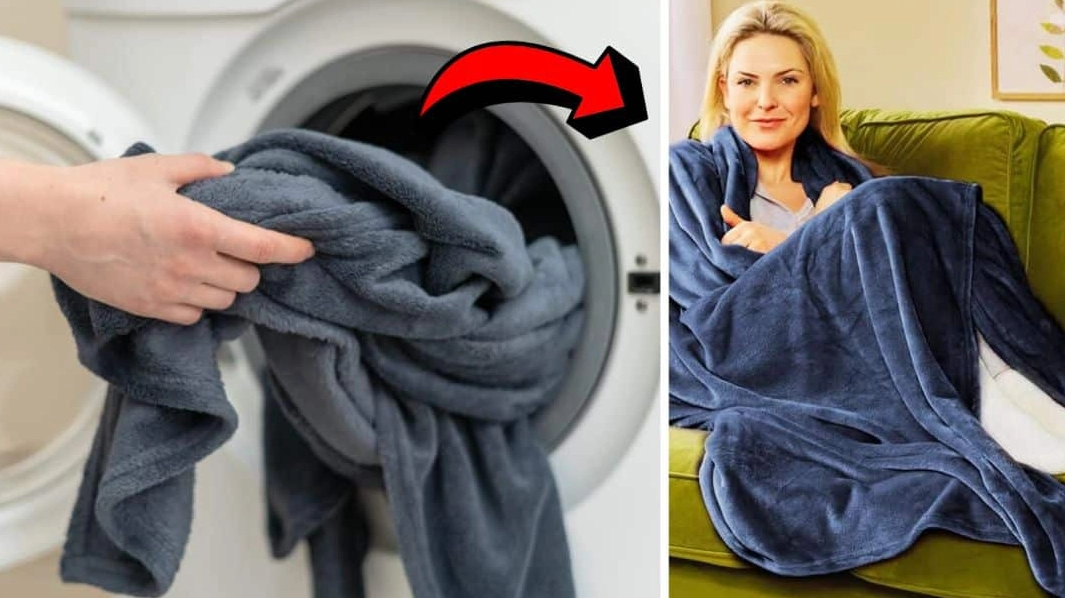
The Ultimate Material-by-Material Washing Guide
This is where most guides fail. They give one-size-fits-all advice. Here’s the breakdown you actually need, based on fiber behavior, not guesswork.
>Machine wash (gentle). Large capacity machine is best. Use a down-specific detergent (like Nikwax Down Wash) or a tiny amount of mild liquid.>Usually, spot clean only. Some detachable cords allow gentle machine wash. NEVER submerge the control unit.| Blanket Type | Key Characteristic | Washing Method | Critical Do's & Don'ts |
|---|---|---|---|
| Wool & Cashmere | Animal protein fibers; felts with heat/agitation. | Hand wash only. Use cold water & wool-specific detergent (like Woolite or The Laundress Wool & Cashmere Shampoo). | DO soak for 15 mins, gently press water out. DON'T wring, rub, or use regular detergent. Never machine wash/dry unless label explicitly says "superwash." |
| Cotton & Linen | Plant fibers; durable but can shrink. | Machine wash (cool/warm). Can handle regular mild detergent. | DO wash similar colors together. DON'T use high heat to dry—it's the main cause of shrinkage. Tumble dry low or air dry. |
| Down & Feather | Clusters that clump when wet; needs thorough rinsing. | DO add 2-3 clean tennis balls to dryer on low heat to fluff. DON'T use fabric softener—it coats feathers, reducing loft. Ensure it's 100% dry to prevent mildew. | |
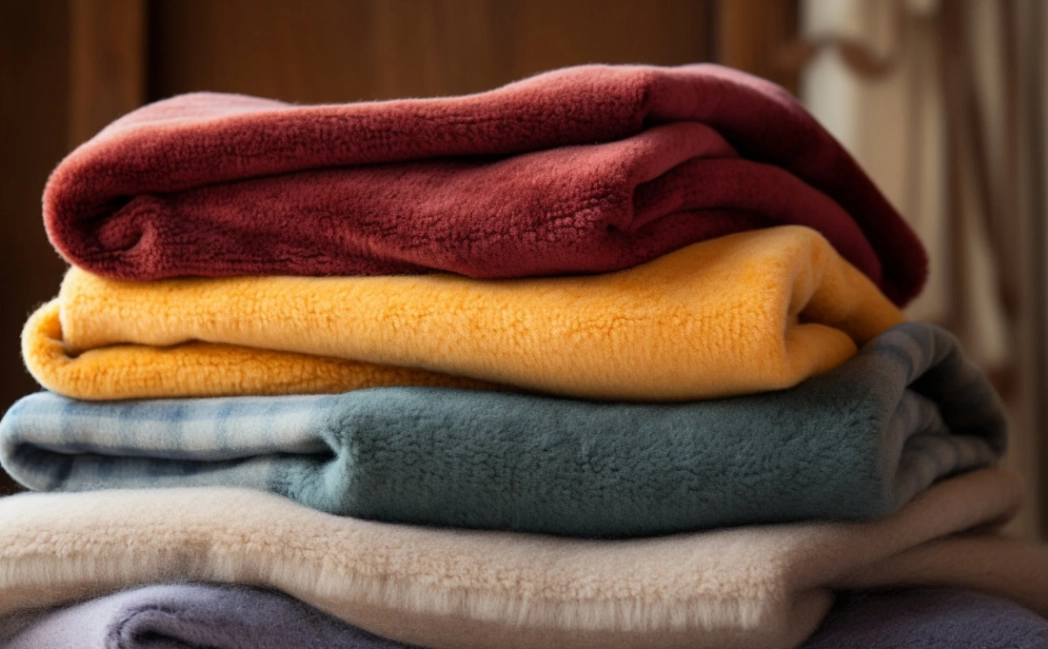
| Fleece & Synthetic Plush (Polyester) | Plastic-based; pills easily, holds odors. | Machine wash (cold, gentle). Use less detergent. | DO turn inside out to reduce pilling. DON'T use dryer sheets or high heat—they melt fibers slightly, causing stiffness. Air dry or tumble dry no heat. |
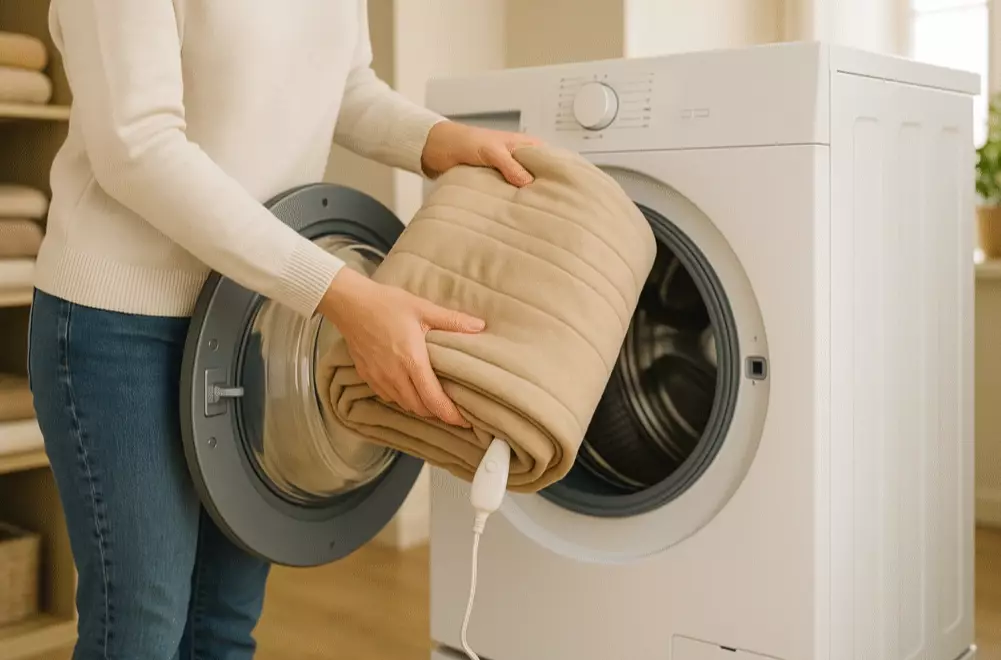
| Electric Blankets | Contains wiring. Check manual first! | DO unplug and detach all controls. DON'T dry clean, wring, or iron. Lay flat to dry. When in doubt, don't wash—consult the manufacturer (e.g., Sunbeam or Biddeford). |
A common mistake I see? People assume "gentle cycle" is safe for everything. For wool, even the gentle spin cycle can cause felting. Always check the care label first, but use this table to understand the why behind those symbols.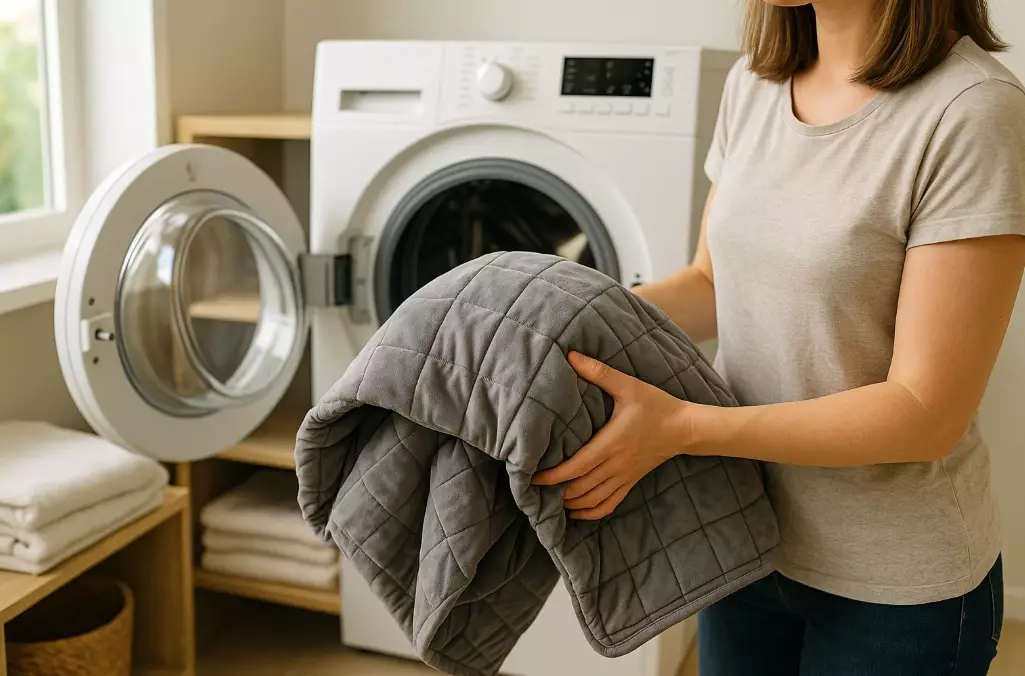
The 5-Minute Pre-Wash Checklist
Before any water touches your blanket, run through this list. It prevents 80% of washing disasters.
- Read the darn label. It's obvious, but we skip it. Look for symbols or instructions.
- Check for holes or loose seams. Mend them first. The wash cycle will make them worse.
- Shake it out outdoors. Remove loose dust, pet hair, and crumbs.
- Treat stains now, not later. Use a stain remover or a dab of detergent directly on the spot. Let it sit for 10 minutes.
- Is your machine big enough? A crammed washer won't clean properly and strains the fabric. For large comforters, use a front-loading commercial machine if possible.
The Core Washing Process: Machine vs. Hand
Let's get into the mechanics. The goal is maximum cleaning with minimum stress on the fibers.
How to Machine Wash a Blanket (The Right Way)
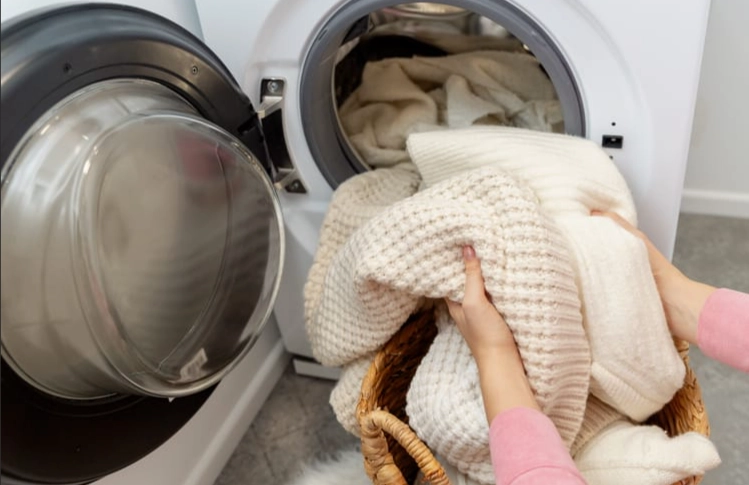
This is for your cottons, linens, synthetics, and "machine-washable" down.
- Load Solo or with Similar Items: Wash the blanket alone or with one or two similar-colored lightweight items (like sheets) for balance. Don't overload.
- Select Cold or Warm Water: Cold is safest for colors and energy use. Warm is okay for white cotton if tackling germs.
- Choose Gentle/Delicate Cycle: This has slower agitation and spin speeds.
- Use the Correct Detergent: Liquid is better than powder (dissolves completely). Measure carefully—using too much leaves residue that attracts dirt. For down, that specialized wash is non-negotiable.
- Skip the Extras: Do not use fabric softener or bleach (unless it's white cotton and you know it's safe). They break down fibers over time.
- Double Rinse (Optional but Smart): If your machine has the option, an extra rinse cycle ensures all soap is out, crucial for down and sensitive skin.
How to Hand Wash a Blanket (Non-Negotiable for Wool)
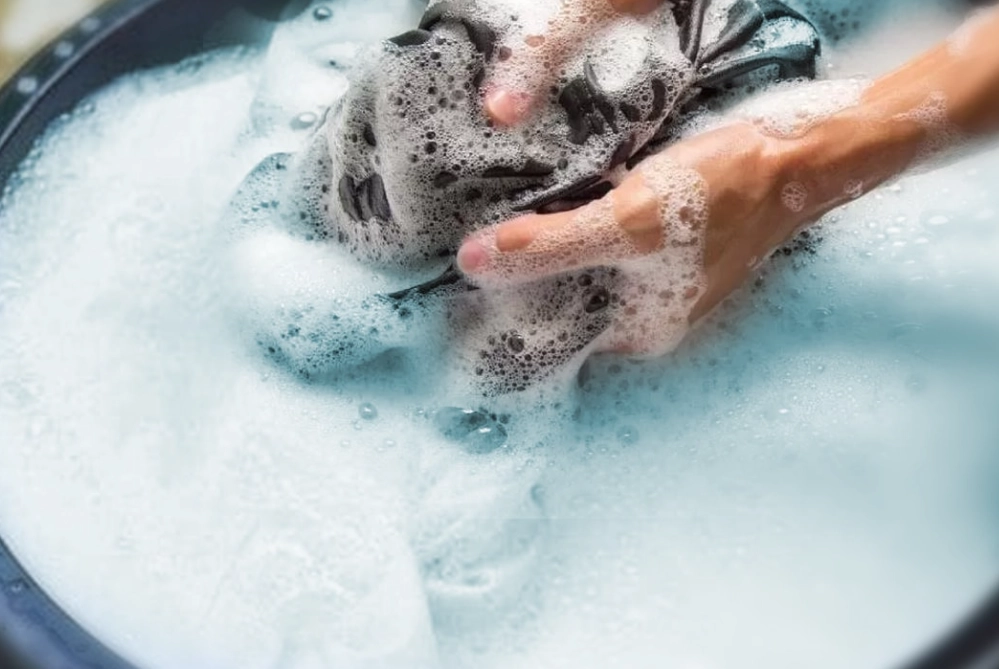
It's more hands-on, but it's peaceful, almost therapeutic. You'll need a bathtub or a very large clean sink.
Pro Tip: Fill the tub with water and detergent first, then submerge the blanket. This prevents harsh agitation while it's dry and delicate.
- Fill & Mix: Plug the drain. Fill with cold water and a capful of wool wash. Swirl to mix.
- Submerge & Soak: Gently place the blanket in, pressing it down until fully wet. Let it soak for 15-30 minutes. Don't stir or swish aggressively.
- The "Agitation": Very gently press handfuls of the blanket, moving it around the tub. Imagine you're kneading dough with zero force.
- Drain & Rinse: Drain the soapy water. Gently press water out of the blanket against the side of the tub. Refill with clean cold water. Repeat the gentle pressing to rinse. Do this 2-3 times until water runs clear.
- Remove Water: Never lift a soaking wet wool blanket—the weight can stretch it irreparably. Press water out in the tub, then roll it up to support its weight as you transfer it to a drying spot.
The Make-or-Break Steps: Drying & Storage
Drying is where most damage happens. Heat is the enemy of elasticity and fiber integrity.
Air Drying: The Gold Standard
Lay the blanket flat on a clean, dry towel or multiple drying racks. Reshape it to its original dimensions. For wool, place it on a mesh rack for airflow underneath. Flip it every few hours. This can take 1-3 days. Be patient.
You can also dry on a clothesline, but use multiple lines to support the weight evenly and avoid stretching. Don't hang a heavy wet wool blanket by its corners—it will stretch into a diamond shape.
Tumble Drying (If You Must)
Use the lowest heat setting possible. For down, add those clean tennis balls or dryer balls to break up clumps. Check every 20 minutes. Remove while slightly damp to finish air drying—this prevents over-drying and stiffness.
Critical Warning: Never, ever put a wool, cashmere, or electric blanket in the dryer unless the care label explicitly states it is safe. The results are irreversible.
How to Store Blankets to Keep Them Fresh
Make sure they are 100% bone-dry before storing to prevent mildew. Fold them neatly and store in a cool, dry place. Avoid plastic bins long-term; they trap moisture. Use cotton storage bags or an old cotton pillowcase. For off-season storage, consider a cedar block or lavender sachet to deter moths naturally.
Troubleshooting Common Blanket Disasters
- It Shrunk! (Usually wool or cotton): For wool, it's likely felted and permanent. For cotton, try soaking it in lukewarm water with a generous amount of hair conditioner for 30 minutes. Gently stretch it back to shape while wet, then air dry flat. Results vary.
- It's Pilling (those little balls of fuzz): Common on fleece and wool blends. Use a fabric shaver or a clean disposable razor to gently shave them off. Turn the blanket inside out before washing next time to reduce friction.
- Down is Clumpy After Washing: It's not dry. Tumble dry on no heat or air fluff with those tennis balls. Break up clumps by hand every 30 minutes. It may take several cycles.
- It Smells Musty/Milky: Soap residue or incomplete drying. Rewash with half the detergent and add 1 cup of white vinegar to the rinse cycle (safe for most fabrics, avoid on silk/stonewashed items). Ensure it dries completely.
Your Top Blanket Washing Questions, Answered
 My wool blanket got felted and stiff. Is it ruined forever?
The biggest takeaway? Slow down. Blanket care isn't a race. Rushing leads to hot water, high heat, and regret. Treat your blankets like the long-term comfort investments they are, and they'll reward you with years of cozy, clean warmth.