Let's cut to the chase. There's no single "best" fabric for sheets that works for everyone. The perfect choice lives at the intersection of your personal sleep style, your budget, and how much effort you're willing to put into laundry. After years of testing and advising clients (and making my own costly mistakes), I've learned that the magic happens when you match the fabric's properties to your body's needs, not just a brand name or a thread count number.
What's Inside
What Makes a Fabric “The Best” for Sheets?
Forget marketing fluff. We're judging fabrics on the stuff that actually matters between 10 PM and 6 AM.
Breathability & Temperature Regulation: This is king. Can the fabric move moisture away from your body and allow air to circulate? If you sleep hot or experience night sweats, this is your top priority. A non-breathable fabric will trap heat and leave you damp and miserable.
Hand Feel & Comfort: The texture against your skin. Is it crisp, silky, buttery, or rustic? This is highly subjective but crucial for falling asleep.
Durability & Longevity: Will it pill, tear, or fade after 20 washes? Good sheets are an investment. You want them to last years, not months.
Care & Maintenance: Are we talking "toss in the dryer" or "hand wash cold, lay flat to dry"? Your lifestyle dictates how practical a fabric is for you.
Cost: The price range is massive, from $50 for a basic set to over $1000 for the finest long-staple linen.
One subtle error I see all the time? People obsess over thread count alone. A 1000-thread-count sheet made from short, low-quality cotton fibers can feel plasticky and wear out fast. Meanwhile, a beautifully woven 300-thread-count sheet made from extra-long staple cotton can feel like a dream and last a decade. The fiber quality and weave are often more important than the number.
The Contenders: A Detailed Fabric Breakdown
Here’s the real-world scoop on the major players. I've included where they shine and where they often disappoint first-time buyers.
| Fabric | Best For | Feel & Vibe | Durability | Care Level | Price Point |
|---|---|---|---|---|---|
| Long-Staple Cotton (Egyptian, Pima, Supima) | Most sleepers; year-round comfort | Soft, crisp, breathable | Excellent (ages well) | Easy (machine wash/dry) | $$ - $$$ |
| Linen | Hot sleepers; lovers of texture | Rustic, textured, cooling | Exceptional (softens with age) | Medium (wrinkles easily) | $$$ |
| Tencel Lyocell (from Eucalyptus) | Hot sleepers, sensitive skin | Silky-smooth, drapey, cool to touch | Very Good | Easy (low shrinkage) | $$ - $$$ |
| Silk | Skin & hair care; cool sleepers | Luxuriously smooth, slippery | Delicate (sun & friction damage) | High (hand wash/dry clean) | $$$$ |
| Flannel (Brushed Cotton) | Cold sleepers; winter months | Fuzzy, warm, cozy | Good (may pill over time) | Easy | $ - $$ |
| Bamboo Viscose/Rayon | Softness seekers | Very soft, drapey, cool | Fair (can weaken when wet) | Medium (gentle cycle) | $ - $$ |
| Polyester/Cotton Blend | Budget, low-maintenance | Can feel synthetic, less breathable | Good (wrinkle-resistant) | Very Easy | $ |
Long-Staple Cotton: The Reliable All-Star
Egyptian, Pima, and Supima cottons are all varieties of extra-long staple (ELS) cotton. The longer the fiber, the stronger and smoother the resulting yarn. This means softer, more lustrous sheets that resist pilling.
Where people get tripped up: Not all "Egyptian Cotton" is created equal. The label isn't tightly regulated. Look for reputable certifications like the Supima trademark or brands that are transparent about their sourcing. A 400-thread-count sateen weave in Supima cotton will feel more luxurious than a 600-thread-count percale in a generic cotton.
My go-to for a classic, hotel-like feel is a 300-400 thread count percale weave in long-staple cotton. It's breathable, crisp, and gets better with every wash.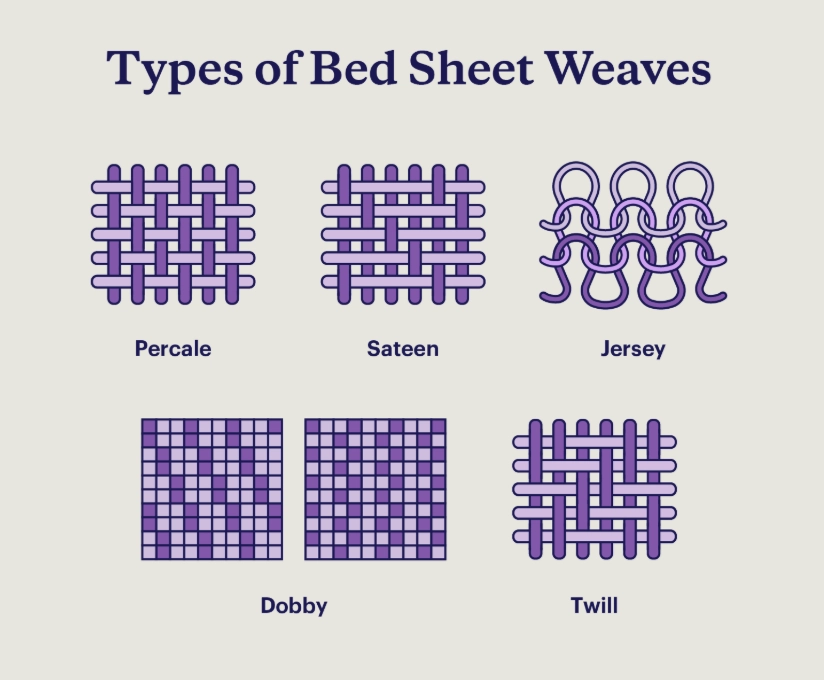
Linen: The Effortlessly Cool (and Wrinkled) Choice
Linen, made from flax plant fibers, is the undisputed champion of breathability. It wicks moisture away incredibly fast and feels noticeably cooler to the touch than cotton. It's also naturally antibacterial and gets softer over decades.
But here's my non-consensus take: Linen is overhyped for its texture. Many ads show perfectly smooth linen beds. That's a fantasy. Linen wrinkles. A lot. The "relaxed, lived-in" look is part of the deal. If you need pristine, ironed sheets every day, linen will be a constant source of frustration. Also, good linen is expensive. Cheap linen can be stiff and sandpapery.
For a true test, feel a sample from a company like Linum or look for stone-washed options that start off softer.
Tencel Lyocell: The Modern Performance Fabric
Don't let the scientific name fool you. Tencel is a branded form of lyocell, usually made from sustainably sourced eucalyptus wood pulp. It's a dream for hot sleepers. The fibers are exceptionally smooth, creating a silky feel that's also highly absorbent—better than cotton at moving moisture. It's also resistant to bacteria growth.
The environmental story is strong (closed-loop process, less water than cotton), which makes it a great industry热点词 pick. The drape is beautiful, but it doesn't have the crispness of cotton percale. Some find it almost too cool in the winter.
Silk: The High-Maintenance Luxury
Silk is in a league of its own. It's hypoallergenic, supremely smooth to reduce friction on skin and hair (great for preventing "bed head" and fine lines), and temperature regulating. However, it's delicate, expensive, and requires babying. Sunlight can degrade it, and it needs gentle, specific care.
It's not the warmest fabric, so cold sleepers might need a layer. For most, silk is a splurge for a pillowcase rather than a full sheet set.
How to Choose Based on Your Sleep Style
Let's make this actionable. Imagine you're shopping online right now.
Scenario: You're a hot sleeper who wakes up sweaty.
Your shortlist: Linen or Tencel Lyocell.
Go with linen if you love a textured, rustic feel and don't mind wrinkles. Go with Tencel if you prefer a silky-smooth, drapey feel and easy care. Avoid sateen weaves (they're tighter and less breathable) and any fabric with a high polyester content.
Scenario: You want year-round, no-fuss comfort and classic luxury.
Your winner: Long-Staple Cotton (Percale weave).
Percale's one-over-one-under weave is more breathable than sateen. Aim for 200-400 thread count from a reputable brand. This is your safe, excellent bet that will please almost anyone.
Scenario: You're on a tight budget but want natural fibers.
Look for: 100% cotton with a clear weave description (like percale) from a trusted mass retailer. Skip the thread count race. A well-made 200-thread-count cotton percale will outperform a fuzzy, pill-prone 800-thread-count blend. Also, watch for sales on last season's colors from direct-to-consumer brands.
Quick Decision Hack: Still stuck? Buy a single pillowcase in the fabric you're considering. Sleep on it for a week. It's a cheap way to test feel, temperature, and care before committing to a full set.
My Personal Take and Common Pitfalls
I've owned them all. Here's my blunt assessment.
I live in a place with distinct seasons. My daily drivers are two sets of long-staple cotton percale sheets. They're reliable, feel great, and I can wash them without thinking. For peak summer, I switch to a Tencel set. The cooling effect is real and immediate.
I bought into the linen hype and spent a fortune on a set from a famous brand. They were gorgeous but stiff for the first year. The wrinkles drove my partner nuts. They've finally softened into something lovely, but it was a long, expensive journey. I don't reach for them as often as I thought I would.
Common pitfalls I see:
- Ignoring the Weave: Sateen (silky, warmer) vs. Percale (crisp, cooler) makes a huge difference in the same cotton.
- Washing with Fabric Softener: It coats fibers, reducing breathability and absorbency. Especially bad for towels and performance sheets like Tencel or linen. Use wool dryer balls instead.
- Over-drying: High heat shrinks natural fibers and causes premature wear. Tumble dry on low and remove while slightly damp.
- Assuming Higher Price = Better for You: The best silk sheets are useless if you hate slippery fabric or won't dry clean them.
Your Sheet Fabric Questions Answered
 What type of sheets last the longest?