Let's be honest. That beautiful suede couch in your living room is a source of both pride and anxiety. It feels luxurious, looks incredible, and then... someone spills a glass of red wine. Your heart sinks. The common advice online is a confusing mix of "never use water" and "just use a special cleaner," leaving you more paralyzed than before. After years of working with furniture and making my own costly mistakes, I'm here to cut through the noise. Washing a suede couch isn't about dunking it in water; it's a precise process of targeted cleaning and meticulous grooming. This guide will walk you through exactly how to do it, step-by-step, for both daily upkeep and tackling those dreaded stains.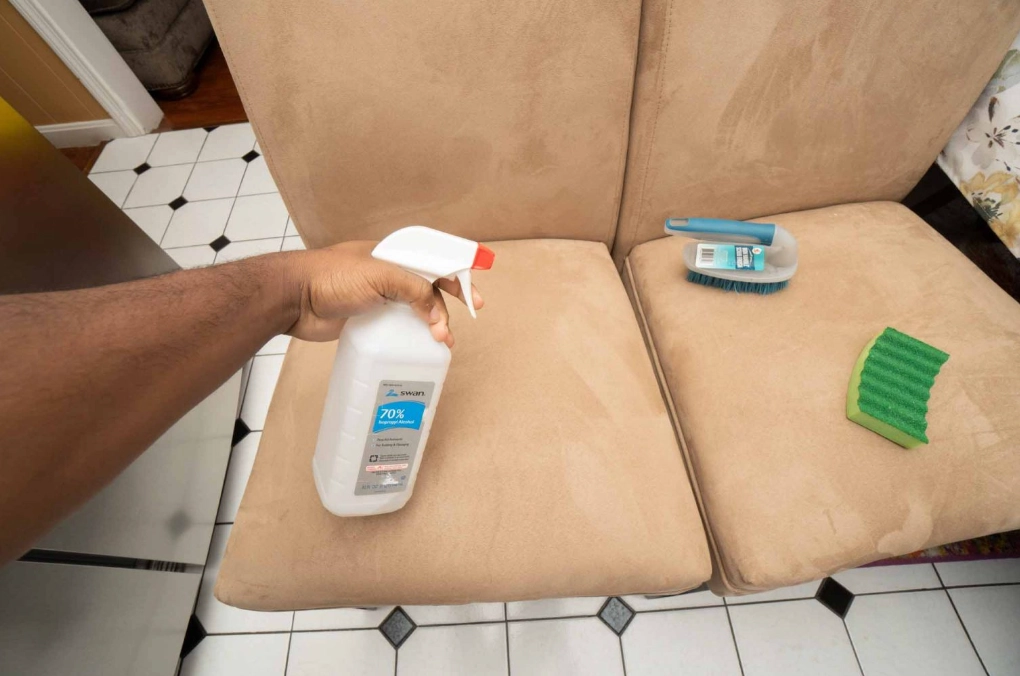
What You'll Learn in This Guide
First, Know What You're Actually Dealing With
Most modern "suede" couches aren't made from traditional animal hide suede. They're usually a synthetic microfiber suede (often called "microsuede" or "ultrasuede"). This is good news. Real suede is notoriously water-sensitive and delicate. Microsuede is far more durable and often treated with stain-resistant coatings. Your first job is to check the manufacturer's tag, usually tucked under a cushion. Look for a code like "W" (water-based cleaning), "S" (solvent-based), or "WS" (both). If it's "X," only vacuum—no liquids. Can't find the tag? Do a spot test in a hidden area (like behind a back cushion) with a damp white cloth. If the water beads up, you have a treated, cleanable fabric. If it soaks in dark, be extra cautious.
Your Essential Suede Cleaning Toolkit
You can't clean suede with paper towels and dish soap. Gather these tools first. Trying to improvise is where disasters happen.
- A Vacuum with Upholstery Attachment: Non-negotiable. This is your first and most important line of defense.
- Soft-Bristled Brushes: Two types: a dense suede/nubuck brush (with brass or plastic bristles) and a softer horsehair detailing brush. The stiff brush lifts the nap; the soft one smooths it.
- White, Lint-Free Microfiber Cloths: Never use colored towels—dye transfer is a real risk.
- Distilled Water: Tap water contains minerals that can leave rings.
- Mild, Clear Dish Soap (like Dawn) or a Dedicated Microfiber Cleaner: Avoid detergents with dyes, fragrances, or moisturizers.
- Isopropyl Alcohol (70% or 90%): The secret weapon for oil-based stains. Higher concentration evaporates faster.
- White Vinegar: Great for odor neutralization and some organic stains.
I learned the hard way that using a scrub brush meant for carpets on my first suede chair created a permanent bald spot. The nap never recovered.
The 5-Minute Routine That Prevents Big Problems
Consistency beats heroic cleaning sessions. Do this weekly.
- Vacuum Thoroughly: Use the upholstery attachment on medium suction. Go with the nap (the direction the fibers naturally lie) to lift dust and crumbs from the base. This alone removes 80% of the dirt that grinds into the fabric.
- Brush the Nap: Take your stiff suede brush and brush the entire surface in one direction. This erases light pressure marks and restores the velvety texture. It's like combing hair.
- Address Spills Immediately: For liquid spills, blot, never rub. Use a clean microfiber cloth to absorb as much as possible from the outside in. Rubbing pushes the stain deeper and distorts the nap.
Pro Tip: Keep a soft brush by the couch. A quick brush-down after movie night can erase the impression left by someone leaning back, making it look fresh instantly.
How to Deep Clean Stains (The Right Way)
For set-in stains or an overall refresh, follow this method. Work in small sections (about 2x2 feet).
Step 1: Make Your Cleaning Solution
Mix a 1:10 ratio of clear dish soap to distilled water in a spray bottle. Shake gently. For tougher, greasy stains, a 1:1 mix of distilled water and isopropyl alcohol can be more effective. Always test in a hidden area first.
Step 2: The Cleaning Process
- Lightly mist the solution onto a microfiber cloth until damp, not soaking wet.
- Gently dab and circle the stained area. Don't soak the fabric. The goal is to lift the stain, not drown it.
- Use a second clean, damp cloth (with just distilled water) to "rinse" the area by dabbing.
- Blot dry with a third dry cloth.
Step 3: Restore the Texture
This is the step everyone forgets. Let the area air dry completely (a fan helps). Once dry, the nap will be matted and stiff. Use your stiff suede brush to brush the area vigorously in one direction, then the other, until the soft, raised texture returns. If it's still flat, use the steam from a garment steamer or kettle held at a safe distance (do not touch the fabric with the steamer) to gently moisten the fibers, then brush again.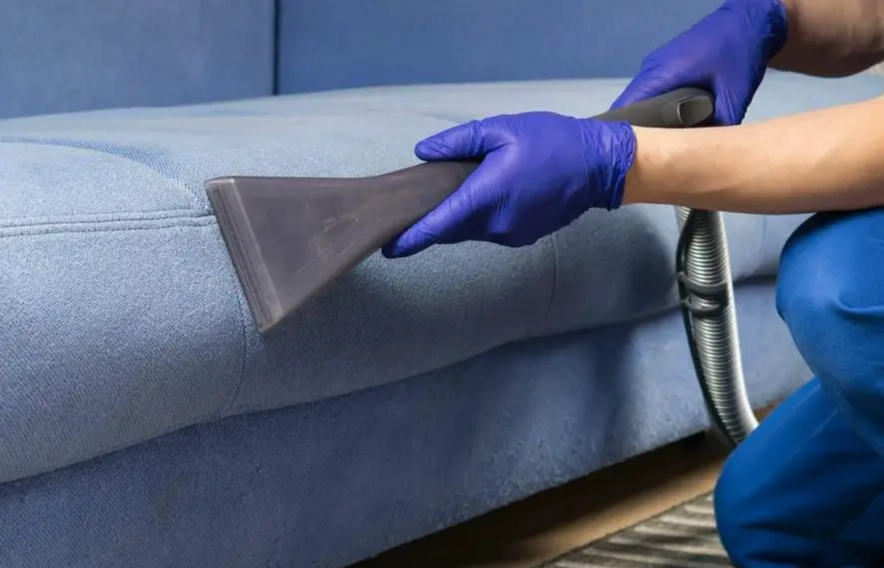
The 3 Mistakes That Permanently Ruin Suede
I've seen these destroy otherwise salvageable furniture.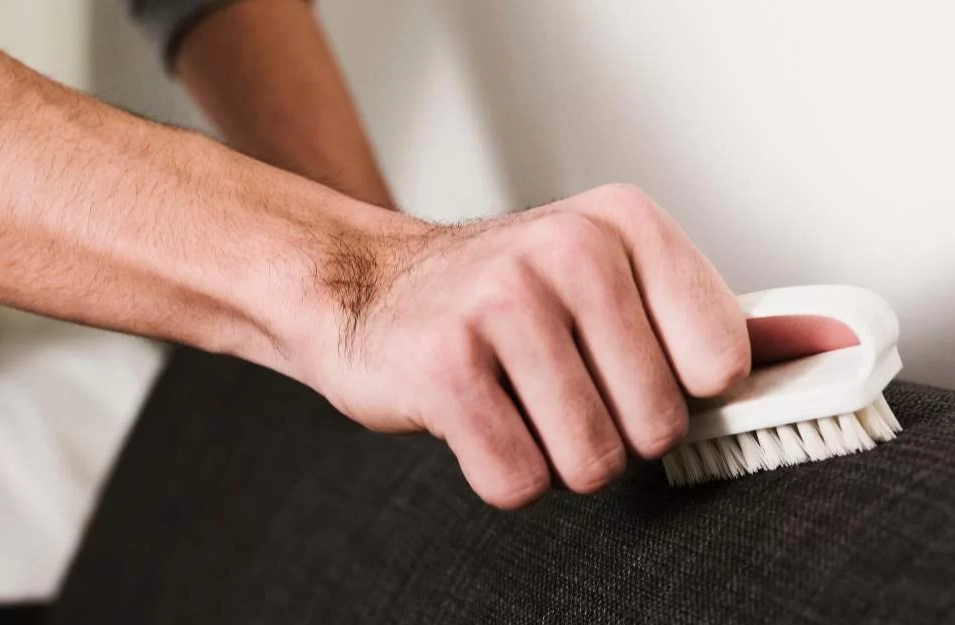
| Mistake | Why It's Bad | The Right Approach |
|---|---|---|
| Using a Soaking Wet Cloth | Drenches the backing, causes water rings, and can lead to mildew inside the cushion. The biggest cause of irreversible damage. | Dampen your cloth, wring it out completely. The fabric should only feel slightly cool to the touch. |
| Scrubbing or Rubbing Aggressively | Frays the microfibers, flattens the nap permanently, and spreads the stain. | Always use a dabbing or gentle circular motion. Let the cleaner and cloth do the work. |
| Using Generic Stain Removers or Bleach | Most contain harsh chemicals that strip stain-resistant coatings and discolor the fabric. They leave a sticky residue that attracts more dirt. | Stick to the mild soap/water or water/alcohol solutions. For persistent stains, consider a cleaner specifically for microfiber, like those from Bissell. |
Stop! Never use heat to dry suede (like a hair dryer or placing it in the sun). Heat can set stains, shrink the fabric backing, and make any water rings permanent.