Let's be honest. You love your cat, but you also love your couch. The dream of a pristine, stylish living room often crashes into the reality of claws, hair, and the occasional hairball. I've been there – my first "nice" sofa was a beautiful linen blend that looked like it lost a fight with a weed whacker after six months. That expensive mistake taught me more than any store salesperson ever did.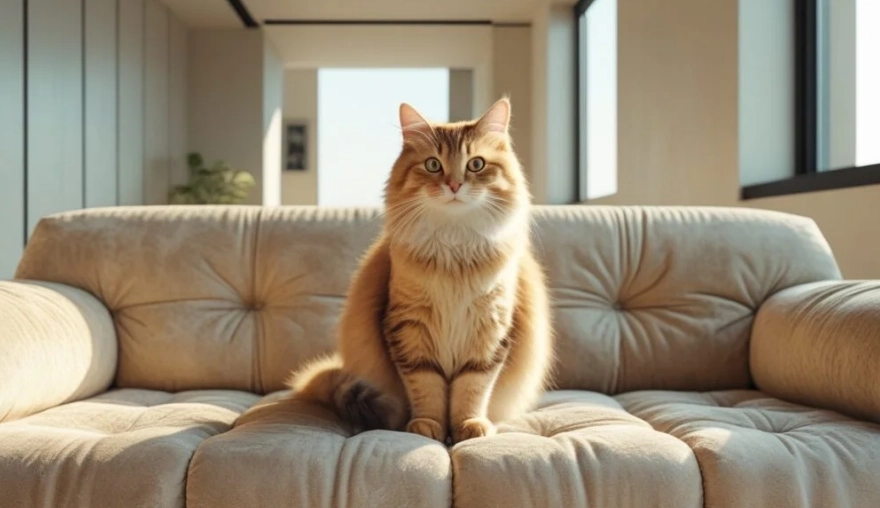
The truth is, there's no magical fabric that's 100% impervious to a determined feline. But some options are leagues better than others. The best couch fabric for cats isn't about finding an indestructible material; it's about choosing one where the damage is minimal, easy to clean, and doesn't make you wince every time your cat jumps up for a nap.
After a decade of testing, researching, and talking to other cat owners and upholsterers, I've broken down the real pros and cons. Forget the marketing fluff. Here’s what actually works.
Your Quick Navigation Guide
- The Fabric Showdown: Side-by-Side Comparison
- The Top Pick: Why Microfiber is a Cat Owner's Best Friend
- The Great Leather Debate: Yay or Nay for Cats?
- Velvet, Tweed & Other Options: The Nuanced Middle Ground
- Fabrics to Avoid (Unless You Like Stress)
- Beyond Fabric: The Often-Forgotten Factors
- Your Burning Questions Answered (FAQ)
The Fabric Showdown: Side-by-Side Comparison
Before we dive deep, here's the cheat sheet. This table compares the most common couch fabrics through the lens of a cat owner's daily life.
| Fabric Type | Scratch Resistance | Hair & Stain Cleanup | Durability (vs. Cats) | Overall Cat-Owner Grade |
|---|---|---|---|---|
| Tightly Woven Microfiber / Microsuede | Excellent. Claws slide off or leave minimal marks. | Superb. A damp cloth or lint roller works miracles. | High. The tight weave resists snagging and pilling. | A |
| Leather (Top-Grain or Full-Grain) | Good. Scratches show but can blend into a patina. | Excellent. Wipes clean instantly. Hair doesn't embed. | Medium-High. Punctures are permanent, but surface scratches are less critical. | B+ |
| Velvet (Synthetic like Polyester) | Fair. Can snag if claws catch the nap wrong. | Medium. Hair sticks to the pile; needs frequent vacuuming. | Medium. The texture hides some minor pulls, but not major damage. | B- |
| Tweed & Other Tight, Textured Weaves | Good. The busy pattern camouflages small pulls and marks. | Poor to Medium. Hair gets trapped in the nooks and crannies. | Medium-High. The structure is often durable, but cleanup is a chore. | C+ |
| Linen, Cotton, Chenille | Poor. These are like a scratching post – they pull and snag easily. | Poor. Stains set quickly; hair weaves into the fibers. | Low. They wear out quickly under feline activity. | D |
The Top Pick: Why Microfiber is a Cat Owner's Best Friend
If I had to recommend one fabric to a friend with multiple cats, it's tightly woven microfiber (often sold as "microsuede"). This isn't the cheap, shiny microfiber of old office chairs. Modern versions are soft, durable, and surprisingly stylish.
Here's the magic: The fibers are so thin and densely packed that a cat's claw has a hard time finding a single thread to hook onto. It's like trying to climb a smooth, vertical wall. The claw tends to slide off. Any marks left behind are often shallow and can be brushed away with your hand or a slightly damp cloth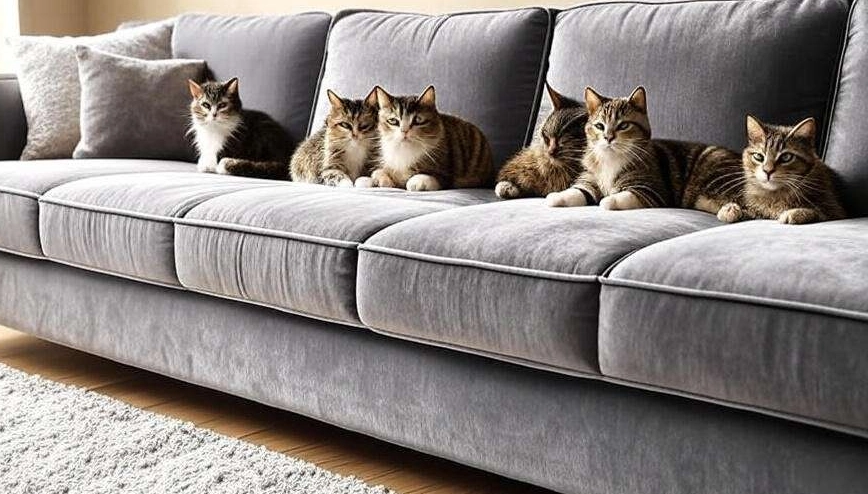
Pro Tip from an Upholsterer: When shopping, do the "scratch test" in the store. Gently try to snag the fabric with your fingernail. If you can easily catch a thread and pull it, so can your cat. A good microfiber will resist this completely.
Cleaning is its other superpower. Cat hair? A quick pass with a rubber glove or a lint roller pulls it right up. Spilled water, milk, even the occasional vomit? Blot it with a damp cloth and mild soap – it usually disappears without a trace. This ease of maintenance is a huge mental relief.
The One Microfiber Caveat
Not all microfibers are created equal. Avoid anything with a loose, fluffy, or "brushed" finish. You want a tight, flat weave. The "pet-friendly" labels some brands use are usually a good sign, but always do the fingernail test.
The Great Leather Debate: Yay or Nay for Cats?
Leather is divisive. Some swear by it; others have a horror story. The difference often comes down to the type of leather and your personal tolerance for patina.
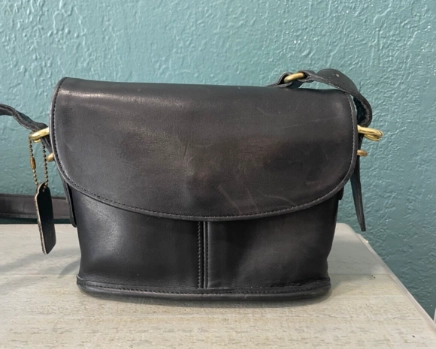
Top-Grain or Full-Grain Leather is thick and develops a character over time. A surface scratch from a cat doesn't cut the threads (because there are none); it just marks the surface. Many owners learn to see these as part of the couch's "story." They can sometimes be minimized with leather conditioner. The biggest win? Hair and messes wipe off in seconds. No embedding, no lingering smells.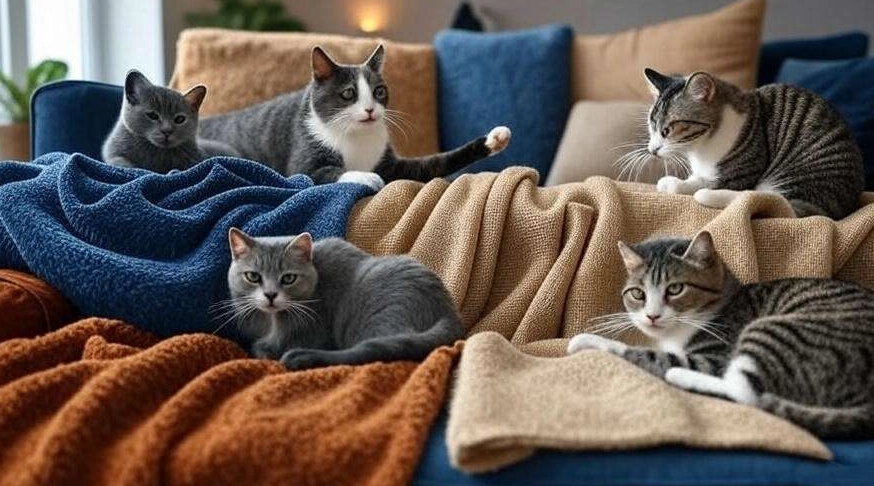
The Deal-Breaker: Bonded leather or "faux" leather is a catastrophe waiting to happen. It's a thin layer of plastic over compressed fibers. Cat claws will peel it up like a sticker, creating irreversible, ugly flaps. Never buy bonded leather if you have pets.
The real risk with real leather is a puncture. If your cat gets a good grip and digs in hard, that hole is permanent. It's a risk you have to accept. If you're the type who wants furniture to stay museum-perfect, leather will cause you anxiety. If you appreciate a worn-in, rustic look, it can be a fantastic, low-maintenance choice.
Velvet, Tweed & Other Options: The Nuanced Middle Ground
What if you hate the look of microfiber and are scared of leather? You have some middle-ground options, but they come with compromises.
Synthetic Velvet (Polyester or Nylon): Modern velvets are surprisingly resilient. The dense, short pile can hide a multitude of sins. Light scratches often just disturb the nap, which you can smooth back with your hand. The downside? It's a hair magnet. A cordless handheld vacuum will become your new best friend. Avoid silk or cotton velvets – they're too delicate.
Tweed, Bouclé, and Textured Weaves: These fabrics win on camouflage. A small pulled thread or a scratch gets lost in the chaotic, nubby pattern. This is their greatest strength. Their weakness is maintenance. Every crumb, every piece of litter, every strand of cat hair finds a home in the texture. Cleaning requires a good upholstery attachment and patience.
I had a tweed accent chair once. It looked great and hid the cat's occasional kneading perfectly. But I was constantly fishing hair out of it with a pumice stone (a weird but effective trick). It's a trade-off: visual forgiveness for physical effort.
Fabrics to Avoid (Unless You Like Stress)
Let's be clear. Some fabrics are basically an invitation for destruction.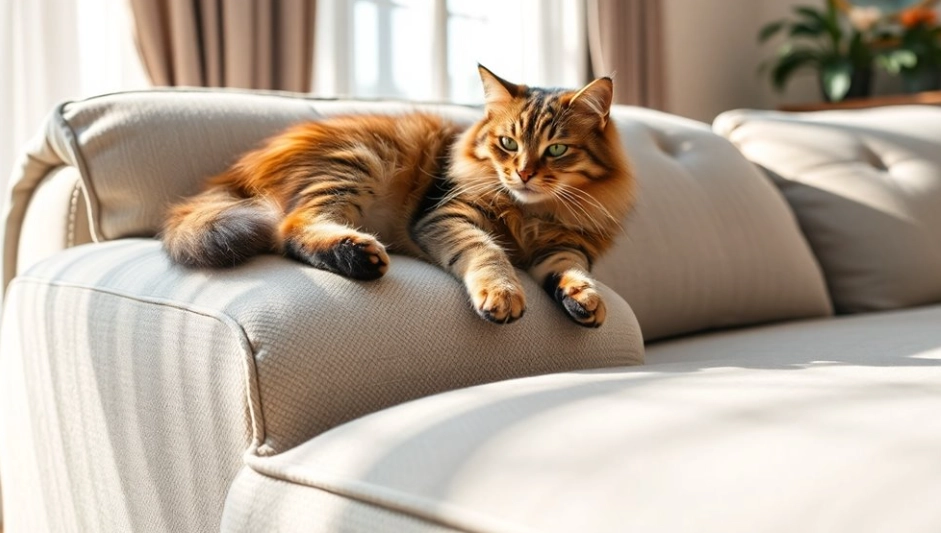
Linen and Lightweight Cotton: Beautiful, breathable, and a complete nightmare. They snag if you look at them wrong. Claws create permanent pulls that unravel the fabric. They stain easily and show every watermark.
Chenille and Other Loopy Fabrics: Cats love these. Those little loops are irresistible to hook and pull. What starts as one small loop pulled out can turn into a major run in the fabric.
Silk, Raw Silk, or any Delicate Natural Fiber: This should be obvious, but it's worth stating. These are for pet-free homes.
I made the linen mistake. It was a light grey, beautiful, and utterly impractical. Within a year, the arms looked frayed and worn. I spent more time worrying about it than enjoying it. Learn from my error.
Beyond Fabric: The Often-Forgotten Factors
Choosing the right material is 70% of the battle. The other 30% is in the details.
Color and Pattern Are Your Secret Weapons
A medium-toned, patterned fabric will hide cat hair, minor scratches, and stains far better than a solid light grey or beige. Think charcoal with a subtle weave pattern, a navy tweed, or a dark, multi-toned textured fabric. The goal is to create visual noise that masks the evidence of your pet.
Solid black can be tricky – it shows every single white cat hair like a spotlight. A medium brown or grey is often the sweet spot.
The Construction Matters
A well-made couch with tight seams and a sturdy frame will last longer, regardless of fabric. Loose cushions are easier to remove and clean than tight-back styles. Consider a couch with removable, machine-washable cushion covers – this is a game-changer for any pet owner.
Your Cat's Personality
Be realistic. Is your cat a gentle lap cat who rarely extends its claws? You have more options. Is it a rambunctious kitten or a cat who loves to vigorously knead "making biscuits" on soft surfaces? You need to lean into the most durable options (microfiber, tight-weave textured).
Your Burning Questions Answered (FAQ)
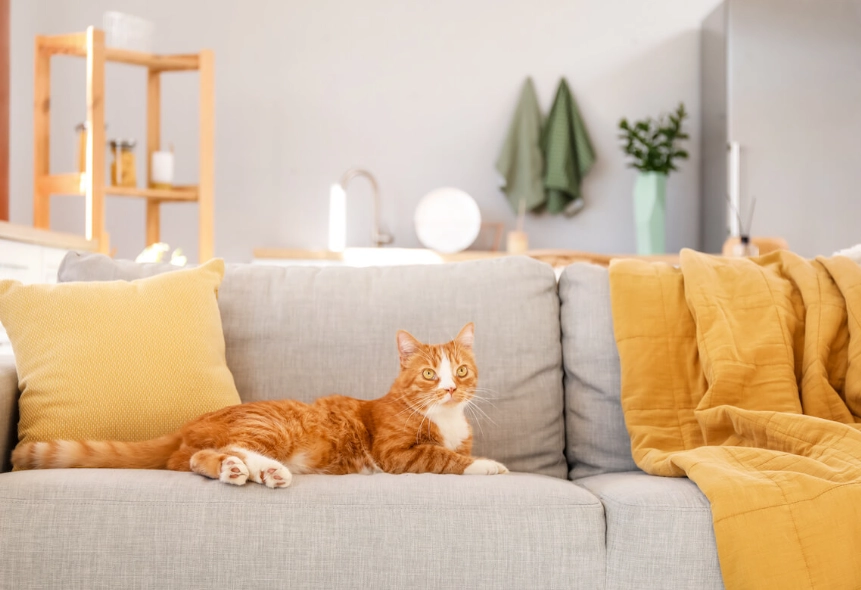 Choosing the best couch fabric for cats is about smart compromises. You're balancing aesthetics, durability, and your own sanity. My journey through shredded linen and stained chenille led me to a simple, durable microfiber sectional that I don't have to panic about. It looks good, cleans easily, and lets me enjoy my cats' company without the constant background worry about my furniture. That peace of mind, in the end, is the real luxury.
What's your experience been? Found a miracle fabric I missed? Share your stories – we're all in this hairy, scratchy, wonderful mess together.