Let's cut to the chase. There's no single "best" fabric for curtains. Anyone who tells you otherwise is selling you something. The perfect fabric depends entirely on what you need those curtains to do in your specific room. Are you trying to sleep past sunrise in a bedroom that faces east? Do you have a formal living room that needs a touch of luxury, or a kid's playroom that demands something you can throw in the washer? The "best" choice changes with the question.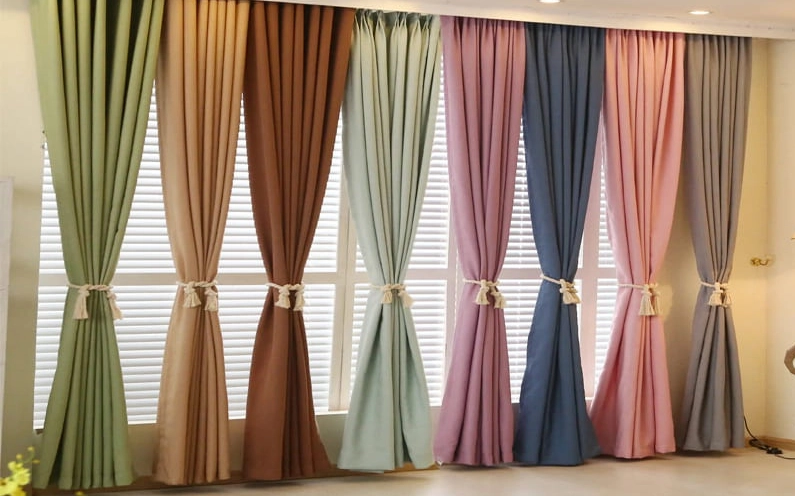
I've been specifying fabrics for window treatments for over a decade, and the most common mistake I see is people picking a fabric purely for its look on a tiny swatch, without considering how it will function (or fail) in real life. A gorgeous raw silk will rot in a sunny window. A heavy cotton duck might not drape the way you hope. This guide is here to prevent those expensive regrets.
Your Quick Navigation Guide
What Makes a Fabric 'Good' for Curtains?
Before we talk about specific materials, let's talk about the four key properties that determine if a curtain fabric will work for you. Think of this as your checklist.
Light Control & Privacy: This is the big one. Do you need total blackout, a soft filter, or just a decorative layer? Fabric weight, weave tightness, and color all play a role. A loosely woven white linen will always let in a glow, while a tightly woven, dark-colored velvet will block much more.
Drape and Fullness: How does the fabric fall? This is where weight and fiber content matter. A good drape creates elegant folds and doesn't look stiff or cardboard-like. Linen has a beautiful, relaxed drape. Some heavy decorator cottons can be a bit rigid unless you use plenty of fabric width (what we call "fullness").
Durability and Sun Resistance: South-facing windows are murder on fabric. UV rays break down fibers, causing fading and brittleness. If your curtains will get direct sun, you need fibers that can take the heat. Polyester is a champ here. Natural fibers like cotton and linen will fade faster unless treated or lined.
Ease of Care: Are you willing to steam-iron giant panels of fabric every few weeks? Or do you need something that can survive a trip to the washing machine? This single factor often rules out the most luxurious options for busy households.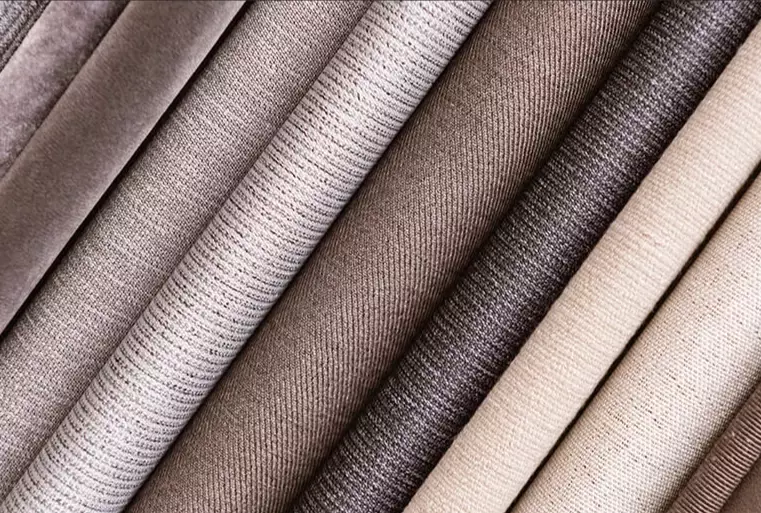
Top Curtain Fabric Contenders: A Detailed Breakdown
Here’s where we get into the specifics. I’ve put together a comparison table to give you the bird's-eye view, then we'll dive into the nuances of each one.
| Fabric Type | Best For | Light Control | Drape & Feel | Durability & Care | Price Point |
|---|---|---|---|---|---|
| Cotton & Cotton Blends | Versatility, casual styles, easy care. | Medium. Varies with weight. | Soft, casual, can be crisp. | Good. Machine washable. May fade in sun. | $$ (Budget to Mid) |
| Linen & Linen Blends | Texture, relaxed elegance, light diffusion. | Low to Medium. Glowy light. | Excellent, fluid, textured. | Moderate. Wrinkles easily. Dry clean often. | $$$ (Mid to High) |
| Polyester & Synthetic Blends | Budget, high-sun areas, blackout, easy care. | High (especially in blackout). | Can vary. Modern versions are good. | Excellent. Fade & wrinkle resistant. | $ (Budget) |
| Velvet & Heavy Weaves | Drama, insulation, formal rooms, sound dampening. | High. Excellent blocker. | Luxurious, heavy, opulent folds. | High. Durable but usually dry clean. | $$$$ (High) |
| Specialty Blackout | Bedrooms, media rooms, shift workers. | Maximum. Near-total darkness. | Structured, often coated feeling. | High. Wipe clean. Coating can degrade. | $$ (Mid) |
Cotton: The Reliable All-Rounder
Cotton is the workhorse. It's breathable, widely available, and comes in a massive range of weaves—from airy voiles to heavy canvas ducks. A mid-weight cotton twill or sateen is a fantastic choice for living rooms and dining rooms. It takes dye beautifully, so color options are endless.
But here's the insider tip: pure cotton curtains can shrink significantly if you machine wash and dry them. Always look for pre-shrunk cotton or a cotton-polyester blend (like 80/20) if you plan to wash them at home. The blend reduces shrinkage and wrinkles dramatically. I used pure cotton canvas curtains in my first apartment and ended up with panels that were a good two inches shorter after a wash. Lesson learned.
Linen: The Textured Favorite (With a Caveat)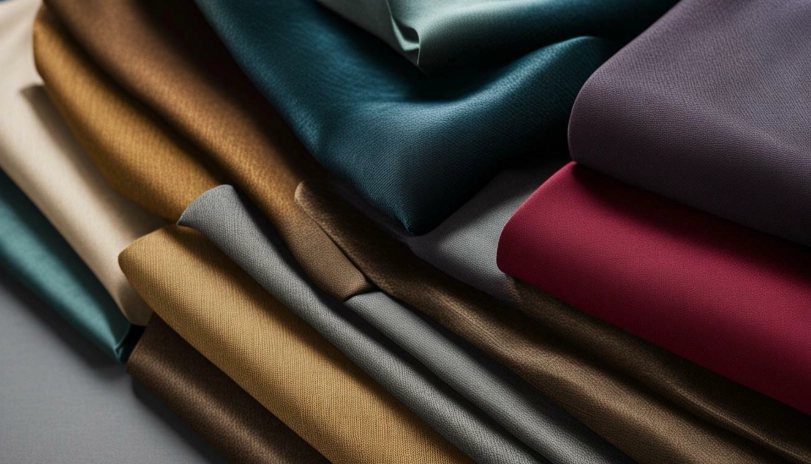
Linen is beloved for its natural, slightly slubby texture and gorgeous, relaxed drape. It diffuses light in a way that makes a room feel warm and inviting. It's a top choice for living rooms, sunrooms, and anywhere you want a casual yet sophisticated look.
Now for the reality check. Linen wrinkles. A lot. If you're someone who irons your jeans, you might be okay with it. If the thought of ironing curtains makes you laugh, look for a linen-cotton or linen-rayon blend. These blends retain much of linen's look but wrinkle less and are often more affordable. Also, pure linen is prone to sun damage. For a sunny window, a lining is non-negotiable.
A note on "look": Don't get fooled by polyester masquerading as linen. Many affordable "linen-look" curtains are 100% polyester. They'll be more wrinkle-resistant and cheaper, but they won't have the same breathability or authentic texture. Check the label.
Polyester: The Practical Powerhouse
Let's be honest, polyester gets a bad rap. People associate it with cheap, shiny suits from the 70s. Modern decorator polyester is a different beast. It's engineered to be durable, fade-resistant, and incredibly easy to care for. Most are machine washable and come out needing little to no ironing.
It's the best fabric for curtains in high-sun areas, kids' rooms, and for anyone on a tight budget. Where it often falls short is in natural breathability and that high-end hand-feel. However, for a reliable blackout curtain (which often uses a polyester base with a acrylic foam or coating), it's unbeatable for function.
Velvet: The Luxurious Insulator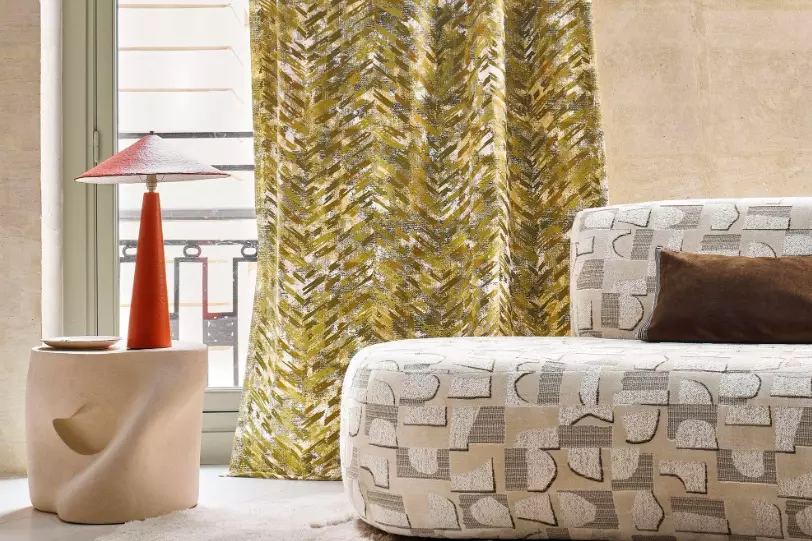
Velvet is all about opulence and function. Its dense pile blocks light and insulates against both cold and noise beautifully. It's perfect for bedrooms, home theaters, and formal dining rooms where you want to create a cozy, intimate atmosphere.
The catch? It's high-maintenance. Dry cleaning is usually recommended. It also attracts dust and pet hair. And it's heavy, requiring sturdy rods and hardware. But if you want drama and superior functionality, it's worth the effort. A cotton or polyester velvet will be more practical (and affordable) than silk velvet.
Blackout Fabrics: The Sleep Savior
These are less of a fiber and more of a construction. True blackout fabrics have a tight weave plus a layer of foam, acrylic, or rubbery coating on the back. They're almost always synthetic-based (polyester).
They work. If you work night shifts or have a streetlight right outside your window, they're a lifesaver. Just know that the coating can make them feel less like traditional fabric and more like a flexible board. The coating can also crack or degrade over many years. For a softer feel, look for a "triple-weave" blackout fabric that achieves darkness through density rather than coating.
How to Choose the Best Fabric for Your Curtains
Let's apply this knowledge. Here’s my room-by-room breakdown, assuming standard conditions.
Bedroom: Function first. You need darkness and privacy. Blackout-lined fabric is the top choice. The face fabric can be anything you like—a soft cotton sateen, a polyester blend—but that lining is key. For a guest room with less critical light needs, a medium-weight cotton or linen blend with a standard lining works well.
Living Room: Here, aesthetics and light filtering often take priority. You want to soften the light, not obliterate it. Linen, linen blends, or a mid-weight cotton are ideal. They offer privacy while keeping the room bright and airy. If you have a media/TV wall, consider a heavier fabric or a lining for that section to reduce glare.
Kitchen / Dining Room: Think about moisture and smells. Easy-to-clean is paramount. Cotton or polyester blends that are machine washable are perfect. Avoid heavy velvets or silks here. A cotton canvas or a polyester faux linen can handle the environment.
Nursery / Kids' Room: Durability and washability are non-negotiable. Machine-washable polyester or cotton blends win. Skip anything that says "dry clean only." A fun print on a durable poly-cotton fabric is both practical and cheerful.
Home Office: You need to control screen glare. A medium to heavy fabric like cotton duck, velvet, or a lined linen helps. Also consider acoustic benefits—a thicker fabric can dampen echo during calls.
Curtain Fabric Care and Maintenance
Your fabric choice dictates your care routine. Ignoring this leads to ruined curtains.
For machine-washable fabrics (most cottons, poly blends): Use cold water on a gentle cycle. Never put them in the dryer on high heat. Tumble dry low or, better yet, hang them while slightly damp to let gravity pull out wrinkles. A quick steam is easier than a full iron.
For dry-clean only fabrics (most linens, velvets, silks, heavy decorator fabrics): Don't try to cheat. Professional cleaning preserves the fabric's finish, shape, and color. Plan for this expense every 1-3 years depending on dust levels.
Regular Maintenance: Vacuum your curtains monthly with a brush attachment to prevent dust from grinding into the fibers. For sun exposure, rotate panels if possible (swap left and right) every year to ensure even fading.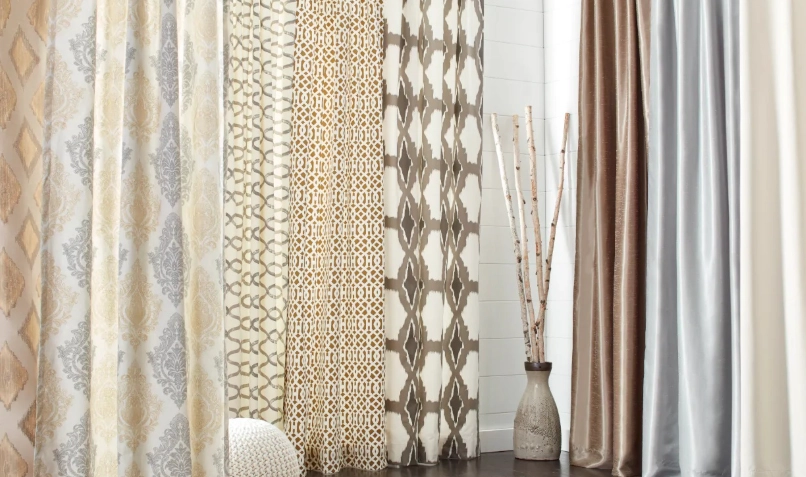
Expert Answers to Your Curtain Fabric Questions
Can I use a lightweight cotton or linen for blackout curtains?
Not effectively on its own. The weave is too loose. To get true blackout from a lightweight natural fabric, you must pair it with a separate blackout lining. This is a common custom treatment: a beautiful linen face fabric sewn to a blackout lining fabric. The lining does the work, the linen provides the look.
What's the best curtain fabric to prevent fading in a sunny room?
Solution-dyed acrylic or polyester are the most fade-resistant fibers on the market. The color is embedded in the polymer before it's spun into yarn, making it incredibly stable against UV rays. Some companies like Sunbrella (known for outdoor fabric) make indoor curtain fabrics using this technology. For natural fibers, a protective lining is your best defense.
 I hate ironing. Is there any natural fabric that doesn't wrinkle much?
Look for textured weaves. A cotton or linen slub, homespun, or tweed weave has inherent texture that disguises wrinkles. A linen-rayon blend will also wrinkle significantly less than pure linen. Ultimately, a high-quality polyester blend will give you the most natural look with the least ironing effort.
How important is curtain lining? Do I always need it?
Lining is like underwear for your curtains—not always visible, but it adds protection, modesty, and improves function. It extends fabric life by shielding it from sun and dirt, improves insulation, gives lighter fabrics more body and a better drape, and increases privacy and light blockage. For any curtain you care about and plan to keep for years, a lining is a wise investment. The only time you might skip it is with very casual, seasonal, or purely decorative sheers.
What fabric is best for thermal insulation to save on energy bills?
It's less about the fiber and more about the weight and layers. A tightly woven, heavy fabric like velvet, wool, or heavy cotton damask acts as a good barrier. However, the real magic happens with a thermal or insulated lining. These linings have a layer of acrylic foam or metallic coating that reflects room heat back inside in winter and blocks solar heat in summer. Pairing a medium-weight face fabric with a thermal lining is the most effective combo for energy efficiency.