Let's cut to the chase. After testing dozens of duvet covers over the years, I can tell you that the best fabric isn't a one-size-fits-all answer. For most people, high-quality cotton—like Egyptian or Pima—wins because it balances comfort, durability, and ease of care. But if you sleep hot, linen might be your hero, or if luxury is key, silk could be worth the splurge. Your choice hinges on factors like your sleep style, budget, and how much laundry you're willing to do. In this guide, I'll break down everything you need to know, moving beyond basic advice to the nuances that actually matter when you're shopping.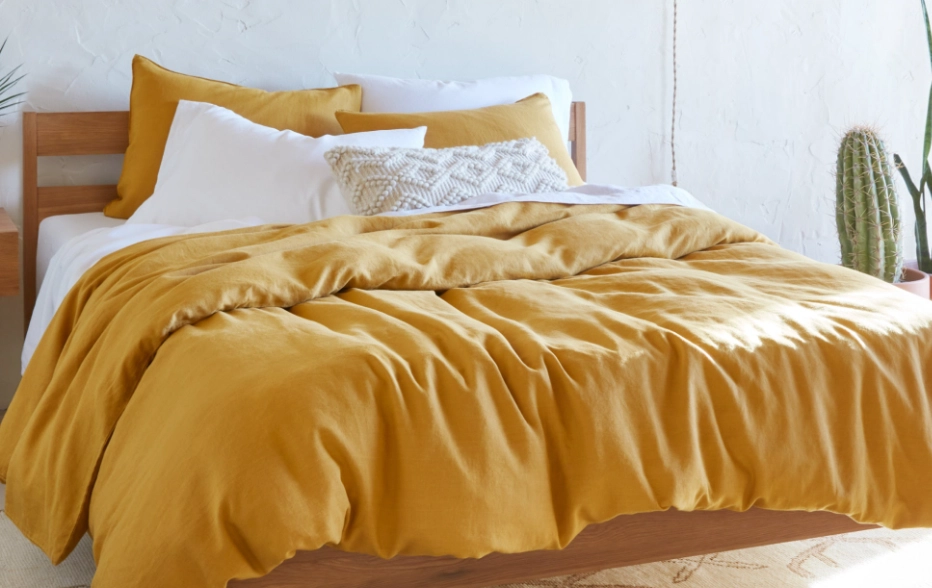
Quick Navigation to Key Sections
What Really Matters in a Duvet Cover Fabric?
Before diving into specific materials, let's talk about the criteria that separate a good duvet cover from a great one. Most guides list the same points, but here's what I've learned from hands-on experience.
Comfort and Feel Against Your Skin
This is non-negotiable. You're spending hours in bed, so the fabric needs to feel right. Breathability is huge—if it traps heat, you'll wake up sweaty. Natural fibers like cotton and linen excel here because they allow air circulation. Then there's softness. Some fabrics start soft but pill over time, while others (like certain linens) get softer with each wash. Don't just go by marketing terms like "silky smooth"; feel it in person if you can.
Durability and How Long It Lasts
A duvet cover should survive years of use and washing. I've seen cheap polyester blends fray after six months, while my Belgian linen cover is going strong after five years. Look for fabric weight (measured in grams per square meter or GSM) and weave. A tighter weave, like percale or sateen in cotton, often means better durability. Also, check the thread count myth—higher isn't always better if the threads are thin or low-quality.
Care and Maintenance Effort
Be honest about your laundry habits. Some fabrics, like silk, require dry cleaning or hand-washing, which is a hassle for daily use. Cotton and microfiber are usually machine-washable, but linen wrinkles easily, so if you hate ironing, that's a consideration. I learned this the hard way when I bought a beautiful linen cover without realizing how much upkeep it needed.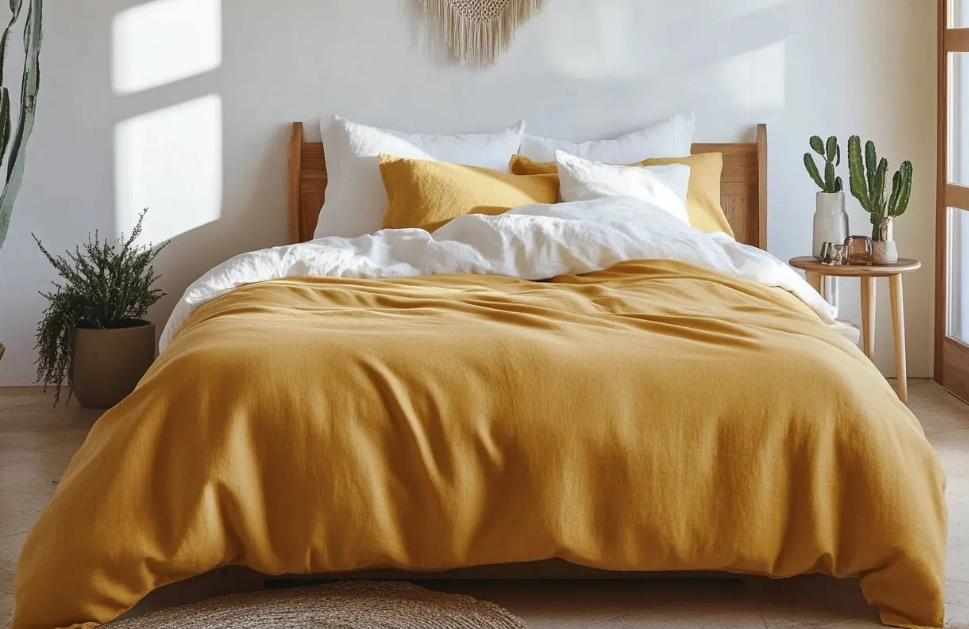
Side-by-Side Fabric Comparison: Cotton, Linen, Silk & More
Here's a detailed table comparing the top fabrics for duvet covers. I've included real-world notes based on my testing and feedback from other users.
| Fabric Type | Key Characteristics | Best For | Price Range (Queen Size) | Personal Take |
|---|---|---|---|---|
| Cotton (Egyptian/Pima) | Breathable, soft, durable, easy to care for. Thread counts vary (200-800). Percale is crisp; sateen is silky. | Most sleepers, all seasons, families with kids. | $50 - $200+ | My go-to for balance. Egyptian cotton feels luxurious but watch for fake labels. |
| Linen | Highly breathable, moisture-wicking, gets softer over time. Wrinkles naturally, texture is rustic. | Hot sleepers, summer use, those who prefer organic feel. | $100 - $300+ | Love it for heat, but the wrinkles bother some people. Belgian linen is worth the extra cost. |
| Silk | Luxuriously smooth, hypoallergenic, temperature-regulating. Delicate, requires special care. | Cold sleepers, sensitive skin, luxury seekers. | $150 - $500+ | Feels amazing but high maintenance. Not practical for everyday if you're lazy like me. |
| Microfiber (Polyester) | Affordable, wrinkle-resistant, easy to clean. Can trap heat and feel less breathable. | Budget buyers, low-maintenance households, guest rooms. | $20 - $80 | Good value, but I avoid it for master bedrooms—it just doesn't breathe well. |
| Bamboo Rayon | Soft, eco-friendly, moisture-wicking. Durability can vary, sometimes pills. | Eco-conscious buyers, those with allergies. | $60 - $150 | A solid alternative to cotton, but check the blend—some are mixed with polyester. |
Notice how each fabric has trade-offs. Cotton is versatile, linen excels in heat, silk offers luxury, and microfiber saves money. Your decision should align with what you prioritize.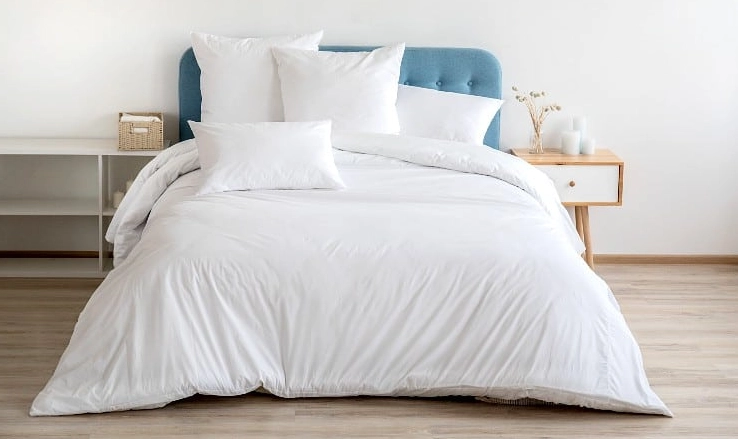
Pro tip: Don't overlook the weave. Percale cotton (plain weave) feels crisp and cool, perfect for hot sleepers. Sateen cotton (twill weave) has a smoother, warmer feel—great for colder climates. I made the mistake of buying sateen for a summer bedroom and regretted it.
How to Choose the Best Fabric for Your Specific Needs
Now, let's match fabrics to real-life scenarios. This is where most guides fall short—they don't get specific enough.
If you're a hot sleeper or live in a warm climate: Prioritize breathability. Linen is your top pick—it's like having built-in air conditioning. Cotton percale is a close second. Avoid sateen weaves and microfiber, as they tend to retain heat. I used to wake up drenched until I switched to linen; the difference was night and day.
If you have allergies or sensitive skin: Go for natural, hypoallergenic materials. Silk is naturally resistant to dust mites and mold. Organic cotton or bamboo rayon are also good choices because they're less treated with chemicals. Steer clear of synthetic blends that might irritate your skin.
If you have kids or pets: Durability and easy cleaning are key. Cotton, especially with a higher thread count (300-400), holds up well to frequent washing. Microfiber is stain-resistant and cheap to replace, but it might not feel as nice. I've found that a good cotton duvet cover can handle toddler messes without fading.
If you're on a tight budget: Microfiber offers the best value—it's affordable, low-maintenance, and comes in many colors. However, consider investing in at least one cotton cover for comfort; it lasts longer. I've seen budget cotton options around $40 that perform decently.
If you want luxury and indulgence: Silk or high-end Egyptian cotton (with a sateen weave) provide that hotel-like feel. Silk feels incredibly smooth and regulates temperature well, but it's fragile. For a balance, try long-staple cotton like Pima—it's softer than regular cotton without the silk price tag.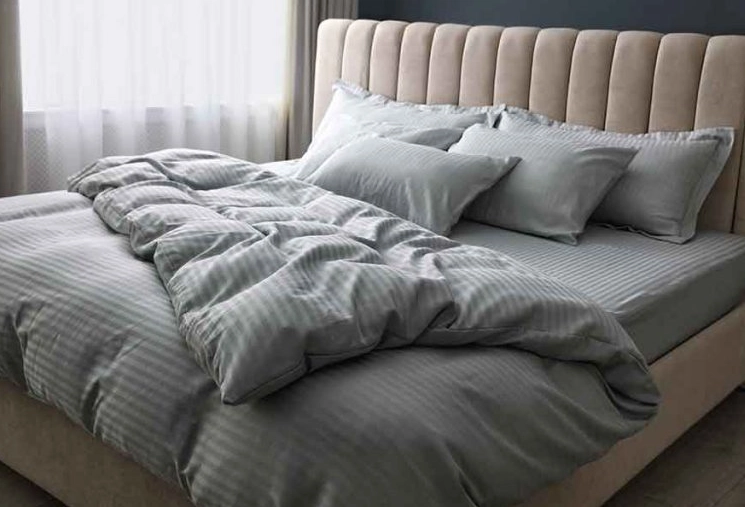
Common Mistakes Everyone Makes (And How to Avoid Them)
Here are some pitfalls I've observed, both from my own errors and from talking to other buyers.
Mistake 1: Focusing only on thread count. Many people think a higher thread count (like 1000) means better quality. Not true. If the threads are thin or low-grade, high thread counts can actually make the fabric less breathable. Aim for 200-400 for percale or 300-600 for sateen, and prioritize fiber quality (e.g., Egyptian cotton over generic).
Mistake 2: Ignoring care instructions. I bought a silk-blend cover once without reading the label—it shrank in the wash. Always check if the fabric is machine-washable or needs special care. Linen wrinkles, so if you hate that look, maybe skip it.
Mistake 3: Choosing based on price alone. Cheap microfiber might save money upfront, but it often pills or loses softness after a year. Investing in a good cotton or linen cover can last 5-10 years, making it cheaper in the long run. I learned this after replacing three budget covers in two years.
Mistake 4: Overlooking environmental impact. Synthetic fabrics like polyester are derived from petroleum and shed microplastics in washes. If sustainability matters to you, opt for organic cotton, linen, or bamboo. But beware: "bamboo" can sometimes be greenwashed—look for certifications like OEKO-TEX.
Your Burning Questions Answered
Wrapping up, the best fabric for your duvet cover boils down to personal needs. Cotton is the reliable all-rounder, linen beats the heat, silk pampers, and microfiber saves cash. Test different materials if you can, and don't sweat the small details—comfort is king. Remember, a good duvet cover should make you look forward to bed, not stress over laundry. Happy sleeping!