Let's be honest. Picking fabric for your home feels overwhelming. You're staring at a hundred swatches, worrying about spills, pets, kids, and whether that beautiful linen will turn into a wrinkled mess in a week. I've been an interior textiles specialist for over a decade, and I've seen the same mistakes repeated. The "best" fabric isn't a single magical material. It's the one that perfectly matches your life to the piece of furniture or window it's covering. This guide cuts through the marketing fluff and gives you a clear, practical framework for choosing.
Your Quick Fabric Finder
- Forget Trends: The 5-Point Fabric Selection Framework
- Natural Fabrics: Beauty with a Temperament
- Synthetic & Performance Fabrics: The Workhorses
- Why Fabric Blends Are Often the Smartest Choice
- Room-by-Room Fabric Recommendations
- 3 Costly Fabric Mistakes Almost Everyone Makes
- Your Burning Fabric Questions, Answered
Forget Trends: The 5-Point Fabric Selection Framework
Before we talk about cotton or polyester, you need a decision-making checklist. Rank these factors for your project:
Durability (Abrasion): Measured in double rubs (a Martindale test). For a heavily used family sofa, aim for 30,000+ double rubs. A decorative bedroom chair can get away with 9,000.
Maintenance & Cleanability: Be realistic. If the thought of professional cleaning gives you anxiety, choose a stain-resistant, machine-washable fabric.
Comfort & Feel (Hand): Do you want cool crispness or cozy warmth? This is subjective but crucial for items you touch constantly.
Aesthetics & Drape: How does it look and hang? A stiff canvas works for a structured cushion but would be a disaster for flowing curtains.
Sustainability & Health: Consider organic fibers, recycled materials, and certifications like OEKO-TEX® Standard 100, which ensures no harmful chemicals.
Natural Fabrics: Beauty with a Temperament
Natural fibers breathe, feel amazing, and have unique character. Their downside? They often require more care.
Cotton & Linen: The Fresh Classics
Cotton is the reliable friend. It's soft, breathable, and generally easy to clean. But plain cotton soils and wrinkles easily. The secret is in the weave.
- Canvas/Duck: Tight, heavy weave. Incredibly durable. Perfect for slipcovers, playroom furniture, and headboards. It starts stiff but softens beautifully.
- Denim: Yes, home denim is a thing. It's tough, casual, and hides dirt well. Great for a family room.
- Velvet: When made from cotton, it's more casual and crush-resistant than silk velvet. A good middle ground.
Linen is effortlessly elegant, cool in summer, and gets softer with age. The wrinkles are the look. If you're a perfectionist who irons pillowcases, avoid it. It can also be prone to abrasion and staining. Use it in lower-traffic adult spaces like master bedrooms or formal living areas.
Wool: The Underrated All-Rounder
Wool isn't just for winter coats. As an upholstery fabric, it's naturally resilient, stain-resistant (the lanolin repels water), and flame-retardant. A good wool blend is a top contender for a durable, comfortable sofa. It can be prone to pilling initially and may feel scratchy to some, so always feel it first. The International Wool Secretariat has great resources on its properties.
Silk & Leather: The Luxury Investments
Silk is pure luxury with a luminous sheen and sublime feel. It's also incredibly delicate, fades in sunlight, and water spots easily. Reserve it for accent pillows in adult-only rooms or formal drapery that's lined and protected from the sun.
Leather is in a category of its own. Full-grain leather develops a rich patina and lasts decades. It's easy to wipe clean. The cons? It can be cold, sticky in heat, and shows scratches (though that adds character). Bonded or corrected-grain leather is much less durable and not a great long-term value.
Synthetic & Performance Fabrics: The Workhorses
Don't let "polyester" scare you. Modern synthetics and performance fabrics are the heroes of real-life homes.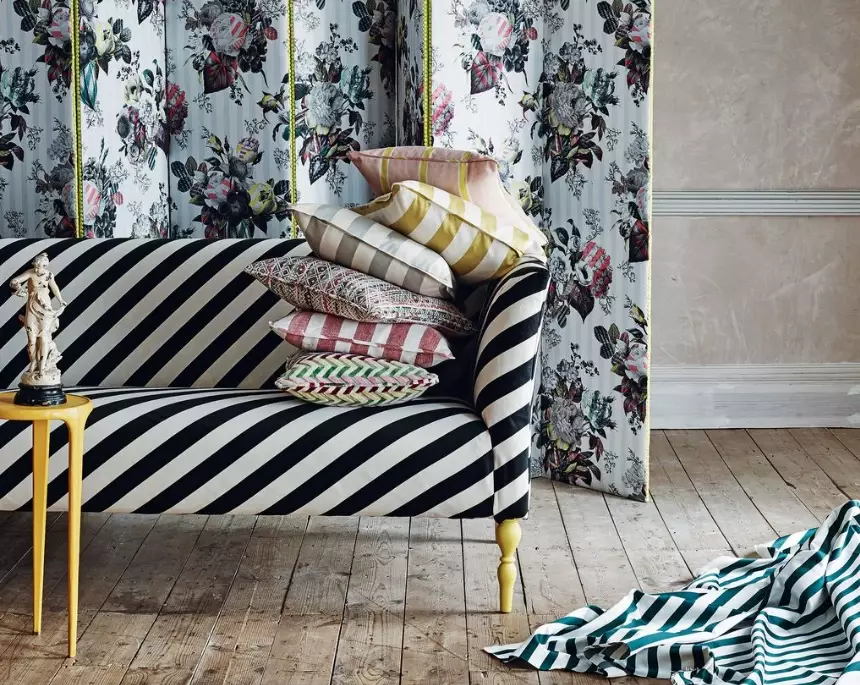
| Fabric Type | Best For | Key Advantages | Watch Out For |
|---|---|---|---|
| Polyester | Curtains, slipcovers, everyday upholstery | Wrinkle-resistant, colorfast, durable, affordable | Can pill, may feel less breathable |
| Olefin/Polypropylene | Outdoor furniture, indoor/outdoor rugs, high-moisture areas | Stain-proof, mildew-resistant, incredibly durable, often solution-dyed for fade resistance | Texture can feel plastic-like; not as soft |
| Acrylic | Outdoor cushions, blankets, faux wool looks | Soft, wool-like feel, excellent fade and mildew resistance | Less durable than olefin for heavy wear |
| Microfiber/Suede | Family sofas, pet-friendly furniture, kids' rooms | Extremely durable, stain-resistant, easy to clean (many are water-resistant), velvety feel | Can attract pet hair and lint; some weaves can snag |
| Performance Velvets (e.g., Crypton, Sunbrella) | Any high-traffic, high-risk area (dining chairs, main sofa) | Engineered to be stain, moisture, odor, and bacteria-resistant. Many are incredibly soft now. | Higher price point. Ensure the feel matches your comfort needs. |
Brands like Crypton, Sunbrella (yes, they do indoor fabric now), and Perennials have revolutionized this category. I used a performance velvet on a white sofa for a family with two toddlers and a dog. Two years later, it still looks new after countless juice spills and muddy paws. It's worth the investment for your primary seating.
Why Fabric Blends Are Often the Smartest Choice
This is where the magic happens. Blends combine the best qualities of different fibers.
A 55% cotton / 45% polyester blend gives you the soft, breathable feel of cotton with the wrinkle and shrink resistance of polyester. It's a classic for a reason.
A wool-nylon blend takes wool's natural resilience and beauty and boosts its durability significantly with nylon. This is a powerhouse for upholstery.
A linen-cotton-rayon blend might soften linen's wrinkling tendency while keeping its beautiful texture.
Always check the blend percentages. A "linen blend" with only 10% linen is basically a polyester that looks vaguely like linen.
Room-by-Room Fabric Recommendations
Living Room & Family Room: The Durability Zone
This is ground zero for wear and tear. Prioritize high double rub counts (25,000+).
- Primary Sofa: Performance velvet, tight-weave canvas, durable wool blend, or high-quality microfiber.
- Accent Chairs: You can take more risks here. Try linen-cotton blends, textured wools, or even leather.
- Curtains: In a sunny room, choose solution-dyed acrylic or polyester for fade resistance. In a low-light room, you can use cotton or linen blends.
Bedroom: The Comfort Sanctuary
Here, feel is king. Abrasion matters less unless you have pets who sleep with you.
- Bedding: Long-staple cotton (Egyptian, Pima) or linen for breathability. Silk if you love luxury and have a cool room.
- Upholstered Headboard/Bench: Velvet (cotton or performance), linen, or a soft bouclé wool.
- Curtains: Blackout lining is non-negotiable for sleep. The face fabric can be anything you love—silk for drama, linen for calm.
Dining Room: The Stain Defense Perimeter
Every meal is a potential battle. Your chairs need armor.
- Dining Chairs: Performance fabrics (Crypton, etc.), olefin, or treated leather. Scotchgard™ a cotton blend if you must, but know it will wear off.
- Table Linens: A polyester-cotton blend tablecloth is more forgiving than pure linen for weekly use.
Kids' Rooms & Playrooms: The Indestructible Lab
Function overrules everything. Think wipeable, washable, and tough.
- Everything: Machine-washable slipcovers in heavy-duty canvas or denim. Indoor/outdoor rugs (olefin). Removable, washable curtains.
- Avoid: Delicate weaves, silks, light-colored linens. It's just setting everyone up for stress.
3 Costly Fabric Mistakes Almost Everyone Makes
- Ignoring the Martindale Rub Count. You wouldn't buy a car without knowing the MPG. Don't buy upholstery fabric without knowing its durability rating. A beautiful 8,000-double-rub fabric on a main sofa is a recipe for heartbreak in 18 months.
- Forgetting About Sunlight. That gorgeous navy blue by the window? Without UV protection, it could be gray in a year. For south-facing rooms, insist on solution-dyed or high UV-resistant fabrics. The Cotton Incorporated website notes that natural fibers generally have less inherent fade resistance than solution-dyed synthetics.
- Being Swayed by Marketing Terms Alone. "Stain-resistant" is not "stain-proof." "Performance" can mean many things. Ask what specific tests it has passed (e.g., AATCC stain tests). Demand specifics.
Your Burning Fabric Questions, Answered
What's the single most durable fabric for a household with kids and a large dog?
I love the natural, wrinkled look of linen but I'm terrified of stains. Is there any hope?
 Are "machine washable" upholstery fabrics a gimmick?
How much should fabric durability (double rubs) factor into choosing bedroom curtains?