Let's be honest. Most of us grab the first towel off the shelf that feels soft. But that plush feel in the store can turn into a stiff, musty, sandpaper-like experience after a few washes. The secret isn't just in the brand name; it's in the threads. After years of testing everything from bargain-bin finds to obscenely priced hotel-style linens, I've learned the hard way that the best fabric for bath towels isn't one single thing. It's a balance of fiber, construction, and your personal routine. Forget the marketing fluff. We're going to break down what actually matters for softness, absorbency, and durability.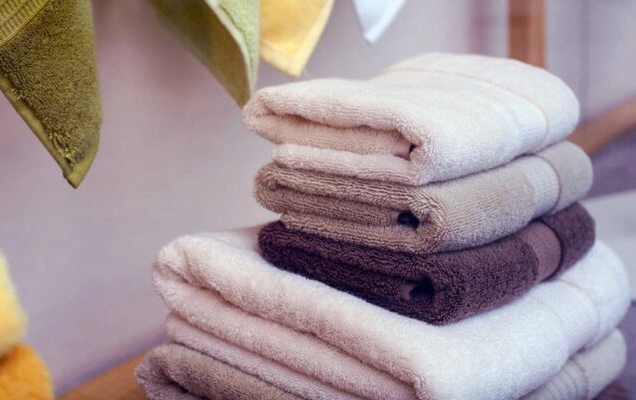
What's Inside: Your Quick Guide
- What Makes a Bath Towel Feel Luxurious?
- Top 3 Contenders for the Best Bath Towel Fabric
- The Cotton Deep Dive: Egyptian vs. Turkish vs. Pima
- Beyond Cotton: Bamboo & Microfiber Explained
- How to Choose the Best Fabric for Your Needs
- Common Mistakes & Pro Care Tips
- Your Burning Towel Questions, Answered
What Makes a Bath Towel Feel Luxurious?
It's not magic. That spa-like feel comes from three tangible factors: fiber quality, GSM, and weave. Get these wrong, and you're just wrapping yourself in expensive cardboard.
Fiber: The Raw Material
This is the plant (or synthetic) the thread comes from. Long-staple cotton fibers, like those from Egypt or the Turkish Aegean coast, are smoother and stronger. They can be spun into finer, softer yarns that resist pilling. Shorter fibers create a rougher, fuzzier yarn that breaks down faster.
GSM: The Density Gauge
GSM stands for grams per square meter. It's the weight and density of the fabric.
- 400-500 GSM: Lightweight, fast-drying. Feels thin. Common in hotels for laundry efficiency.
- 550-700 GSM: The sweet spot for most homes. Plush, absorbent, and reasonably quick to dry.
- 700+ GSM: Ultra-plush and luxurious. Very absorbent but takes forever to dry completely, which can lead to mildew if you're not careful. I made this mistake in a humid bathroom once.
Weave & Construction: How It's Built
A jacquard weave creates those beautiful patterns and thicker piles. A terry loop is the classic, absorbent loop on the surface. The tightness of the weave (called thread count or terry density) matters more than a high thread count on the label. A densely woven 600 GSM towel will outperform a loosely woven 700 GSM one every time.
Top 3 Contenders for the Best Bath Towel Fabric
Based on absorbency, softness, durability, and feel, here’s how the frontrunners stack up.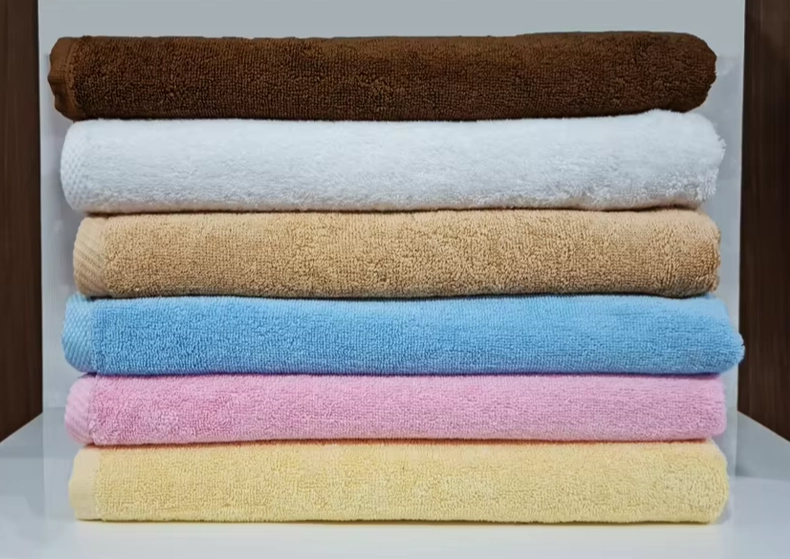
| Fabric Type | Best For | Feel & Performance | Key Consideration |
|---|---|---|---|
| Egyptian Cotton | Ultimate softness & long-term durability | Exceptionally soft, gets better with washes, highly absorbent. | Look for genuine "Giza" cotton; many labels are misleading. |
| Turkish Cotton | Quick drying & a textured, spa-like feel | Lightweight, absorbent, famous for its long loops and brisk dry. | The loops can snag more easily if you have rough skin or jewelry. |
| Bamboo Rayon (Lyocell) | Eco-conscious buyers & sensitive skin | Silky-soft, naturally antibacterial, very absorbent. | Can feel less "thirsty" initially and has a different drape. |
Microfiber has its place—in the gym bag or for cleaning. As a primary bath towel, it falls short for me. It feels slick, doesn't breathe, and just moves water around instead of absorbing it deeply.
The Cotton Deep Dive: Egyptian vs. Turkish vs. Pima
All "luxury" cottons are long-staple, but terroir matters.
Egyptian Cotton (specifically Giza): Grown in the Nile Valley's specific climate, the fibers are extra-long and fine. This allows for a high thread count that results in a dense, heavy, and incredibly soft fabric. It's the gold standard for a reason. But beware: the term "Egyptian cotton" is poorly regulated. According to the Cotton Egypt Association, look for their logo to ensure authenticity.
Turkish Cotton (Aegean region): The fibers are also long, but the traditional weaving creates those famous long loops. This gives Turkish towels a unique texture—slightly exfoliating when new, becoming supremely soft. The real win is their drying speed. The loop structure holds less water, so they dry faster than their dense Egyptian counterparts. Perfect for shared bathrooms or humid climates.
Pima/Supima Cotton: Grown in the US, Peru, and Australia. Supima is a trademarked, certified American Pima cotton. It's excellent—very soft and durable—and often a more affordable and reliably sourced alternative to Egyptian. If you're unsure about provenance, Supima is a safe, high-quality bet.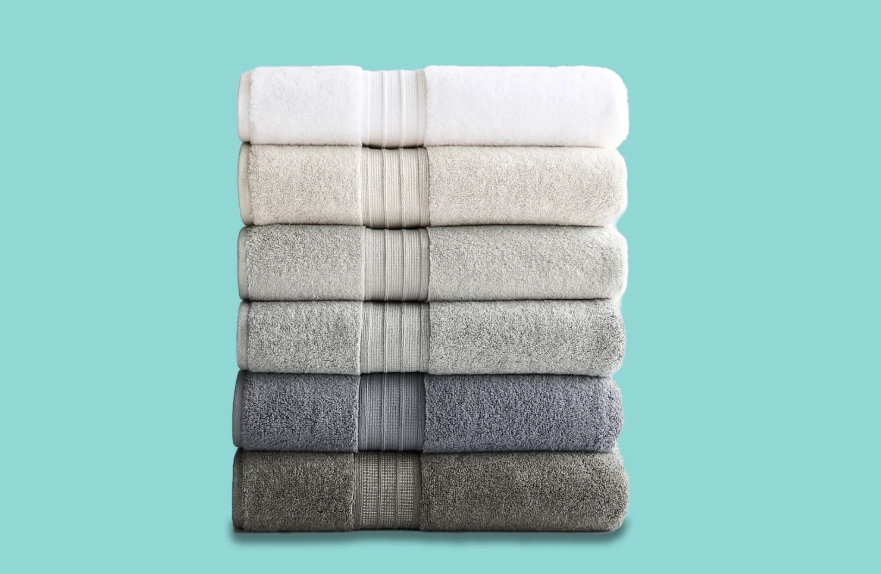
Beyond Cotton: Bamboo & Microfiber Explained
Bamboo Rayon/Viscose/Lyocell
This is a processed fiber. Bamboo pulp is dissolved and extruded into threads. Don't buy the "100% natural bamboo" claim; it's a semi-synthetic rayon. However, the process (especially TENCEL™ Lyocell, which uses a closed-loop system) can be eco-friendly.
The feel is distinct: cool, silky, and drapes differently than cotton. It's naturally more resistant to odor because of a substance called bamboo kun. Great for sensitive skin. The downside? Some find it less absorbent on the first touch—it absorbs well but distributes moisture differently. It can also lose shape more easily if stretched when wet.
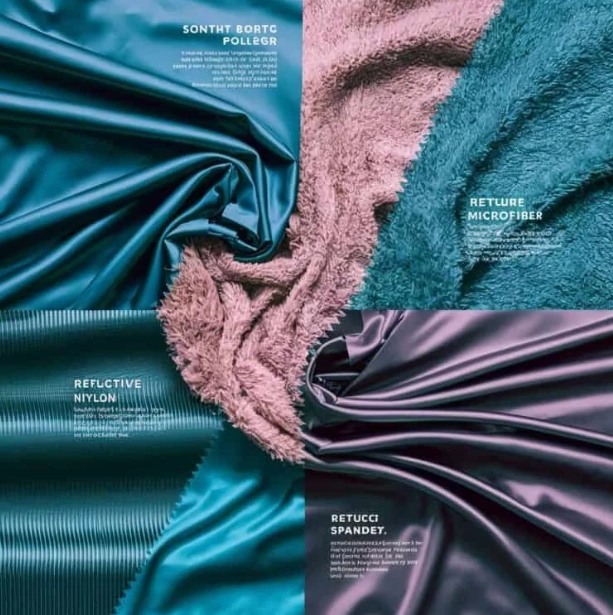
Microfiber (Polyester/Polyamide)
I'll be blunt: I don't recommend it for daily bathing. It's made from ultra-fine synthetic fibers. It dries incredibly fast and is packable, which is why it's great for travel or sports. But the feel is divisive (some hate the slickness), it can generate static, and it lacks the breathability of natural fibers. It's a functional choice, not a luxurious one.
How to Choose the Best Fabric for Your Needs
Stop thinking about "the best." Think about what's best for you.
For a Family Bathroom with Constant Use: Prioritize drying speed. Go for Turkish cotton in the 500-600 GSM range. You'll get fewer mildewy towels. A blend of cotton and bamboo can also work well here for its odor resistance.
For a Master Bath & Luxurious Soaks: This is where you invest. High-quality Egyptian or Supima cotton at 600-700 GSM. It's your personal spa. Just ensure you have good ventilation or a heated towel rail.
For Sensitive or Eczema-Prone Skin: Bamboo lyocell or unbleached, combed cotton (often called "baby cotton") are fantastic. They're smoother with less surface agitation. Avoid heavy looped weaves initially.
For a Guest Bathroom: You want something that looks and feels nice but is forgiving. A mid-weight Turkish cotton or a Pima cotton towel is perfect. It's universally appreciated and durable.
Common Mistakes & Pro Care Tips
You can buy the best fabric and ruin it in a month. Here's how to avoid that.
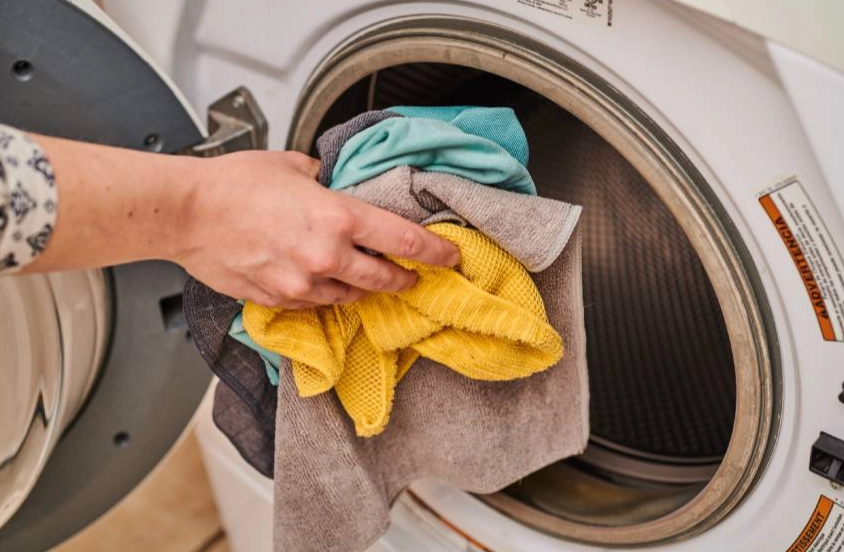
First Wash is Non-Negotiable. Always wash new towels before use. This removes manufacturing residues and fluffs up the fibers. Use warm water, a mild detergent, and no fabric softener. Ever. Fabric softener coats the fibers, destroying their absorbency. That's why your towels eventually feel water-repellent.
Heat is the Enemy. Tumble dry on low heat. High heat bakes the fibers, making them brittle and rough. When they're about 90% dry, pull them out and let them air-dry the rest of the way. This preserves softness.
Don't Overload the Washer. Towels need space to agitate and rinse properly. Cramming them in leads to detergent buildup and uneven wear.
The Vinegar Trick. Every few months, run a wash with a cup of white vinegar (no detergent). This dissolves mineral and detergent buildup, restoring absorbency and freshness. Follow with a rinse cycle.
Your Burning Towel Questions, Answered
 Is a higher GSM always better for plushness and durability?