So you spilled coffee on your favorite leather jacket. Or maybe it just smells a bit... lived-in. Your first thought might be to toss it in the washer. Stop right there. Washing a leather jacket isn't like washing a cotton tee, but with the right know-how, you can absolutely do it safely at home. I've cleaned and conditioned dozens of jackets over the years, from vintage motorcycle styles to modern lambskin blazers. The biggest mistake I see? People treating all leather the same. Let's fix that.
What's Inside This Guide
- Step 1: Know Your Leather Type (This is Crucial)
- Step 2: Always Try Spot Cleaning First
- Step 3: The Safe Hand Wash Method (Step-by-Step)
- Step 4: Can You Machine Wash a Leather Jacket? (The Risky Truth)
- Step 5: Drying & Conditioning: Where Most People Fail
- Common Mistakes to Avoid at All Costs
- Your Leather Jacket Washing Questions Answered
Step 1: Know Your Leather Type (This is Crucial)
This is the non-negotiable first step. Using water on the wrong type of leather is a one-way ticket to a stiff, cracked mess. Check the care label first. If it's gone, here's a quick touch test:
- Full-Grain or Top-Grain Leather: Feels thick, slightly waxy, and has natural markings. Handles moisture better but needs gentle care.
- Nappa or Lambskin Leather: Incredibly soft and supple. Very absorbent and delicate. Water can stain it easily.
- Suede or Nubuck: Has a fuzzy, matte surface. Do not use liquid washes on these at home. That's a job for a specialist with specific brushes and erasers.
- Bonded or "Genuine" Leather (Reconstituted): Made from leather scraps. Unpredictable with water; often falls apart.
My rule of thumb? If it's a premium jacket (you paid a few hundred or more), and it's suede, nubuck, or ultra-soft lambskin, consider professional cleaning. For full-grain, top-grain, and sturdier lambskin, proceed with caution at home.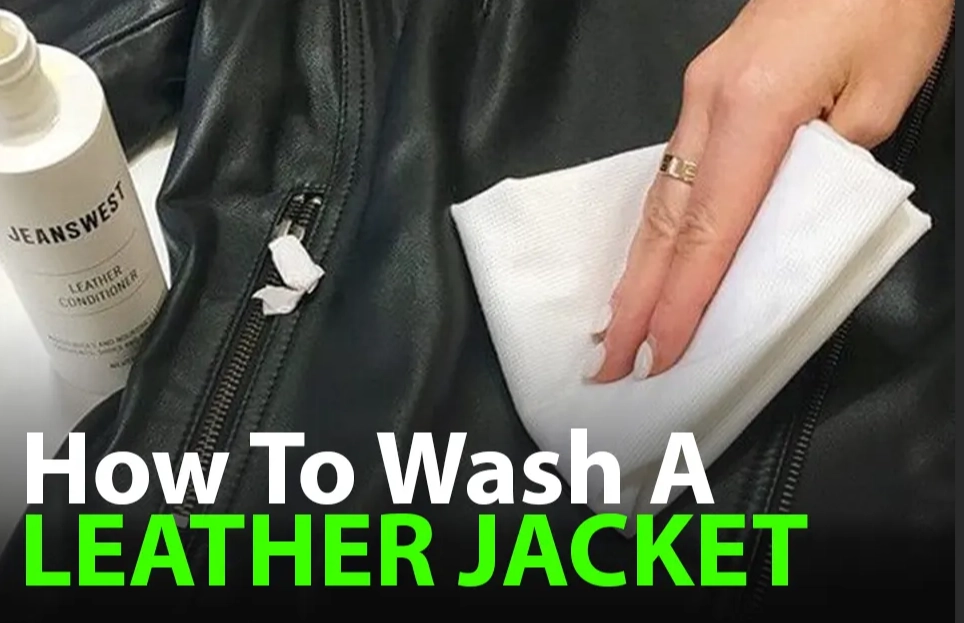
Step 2: Always Try Spot Cleaning First
You probably don't need a full wash. For dust, light dirt, or fresh spills, spot cleaning is your best friend.
For Grease or Oil Stains
Sprinkle cornstarch or talc-free baby powder on the stain. Let it sit overnight; it absorbs the oil. Brush it off gently in the morning. Repeat if needed. This has saved many a jacket from a pizza stain.
For Water-Based Stains (Mud, Coffee, Soda)
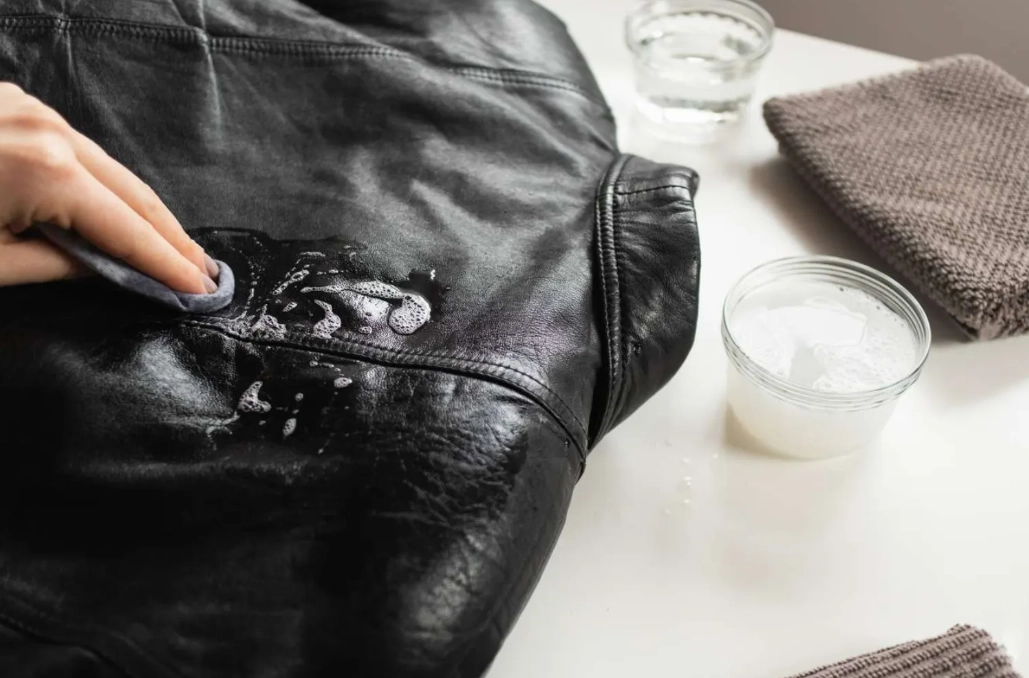
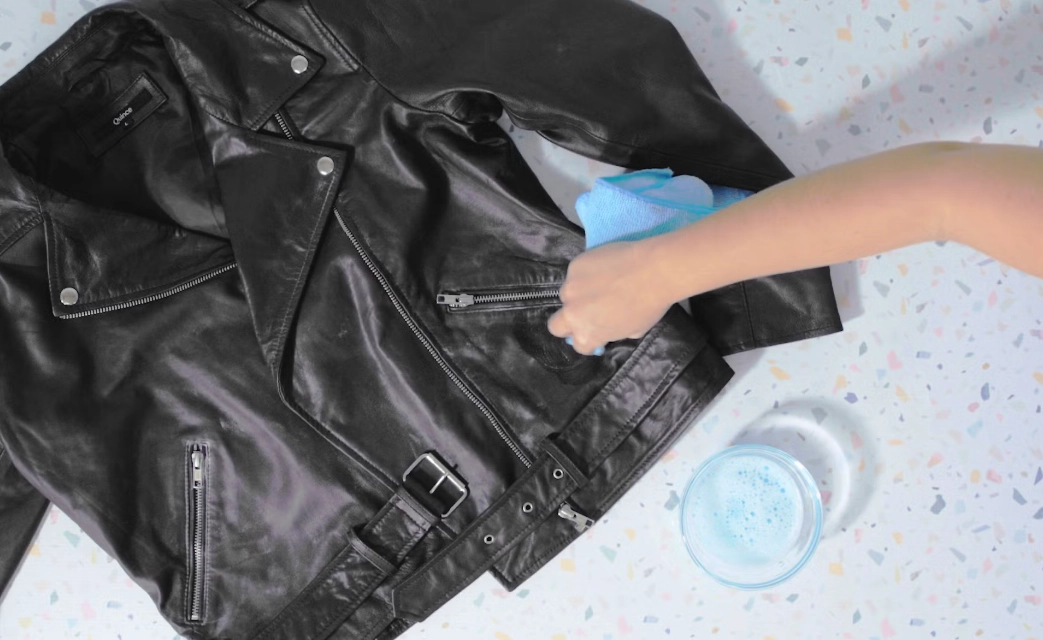
Mix a drop of Castile soap (like Dr. Bronner's) with a cup of distilled water. Dampen a soft, white microfiber cloth in the solution, wring it out until it's just barely damp. Gently dab (don't rub!) the stain from the outside in. Follow immediately with a cloth dampened with just distilled water to rinse the soap, then pat dry with a towel.
Let the area air dry completely away from heat. If a faint water ring remains, it often disappears once you condition the entire jacket later.
Step 3: The Safe Hand Wash Method (Step-by-Step)
If the whole jacket is grimy, here's the safest home method. Set aside 60-90 minutes.
- Prep Your Space: Use a clean bathtub or a large plastic bin. Lay down a clean towel at the bottom to prevent scratches.
- Mix Your Solution: Fill with lukewarm waterleather cleaner or a tiny amount of Castile soap. Swish to create mild suds.
- Test, Test, Test: Dip a corner of a white cloth in the solution, wring it out, and dab it on an inconspicuous area (like inside the hem). Wait 10 minutes. If color doesn't transfer and the leather doesn't warp, you're good.
- Wash: Submerge the jacket. Use your hands to gently agitate it, focusing on soiled areas like cuffs and collars. Don't twist, wring, or scrub.
- Rinse: Drain the soapy water. Refill the tub with clean, lukewarm water. Swish the jacket around to rinse out all soap residue. This step is critical—leftover soap attracts dirt.
- Remove Excess Water: Gently press the jacket against the side of the tub. Don't wring. Lay it flat on a thick, absorbent bath towel. Roll the towel up with the jacket inside, like a sushi roll, and press gently to absorb water.
Step 4: Can You Machine Wash a Leather Jacket? (The Risky Truth)
I'm going to be blunt: I almost never recommend it. The agitation, spin cycle, and heat are brutal on leather. However, for a very sturdy, old, non-valuable work jacket (like a plain cowhide), some people roll the dice. If you must, here's the only way to even consider it:
- Turn the jacket inside out.
- Place it in a mesh garment bag.
- Use the gentlest, cold water cycle with NO spin or the lowest spin possible.
- Use zero detergent, or a single drop of leather wash.
The risk of shrinkage, stiffness, and seam separation is high. The Leather Research Laboratory at the University of Cincinnati has documented how mechanical agitation degrades leather fibers. For 99% of jackets, hand washing is the only sane home option.
Step 5: Drying & Conditioning: Where Most People Fail
Drying is more important than washing. Get this wrong, and you get stiff, cracked leather.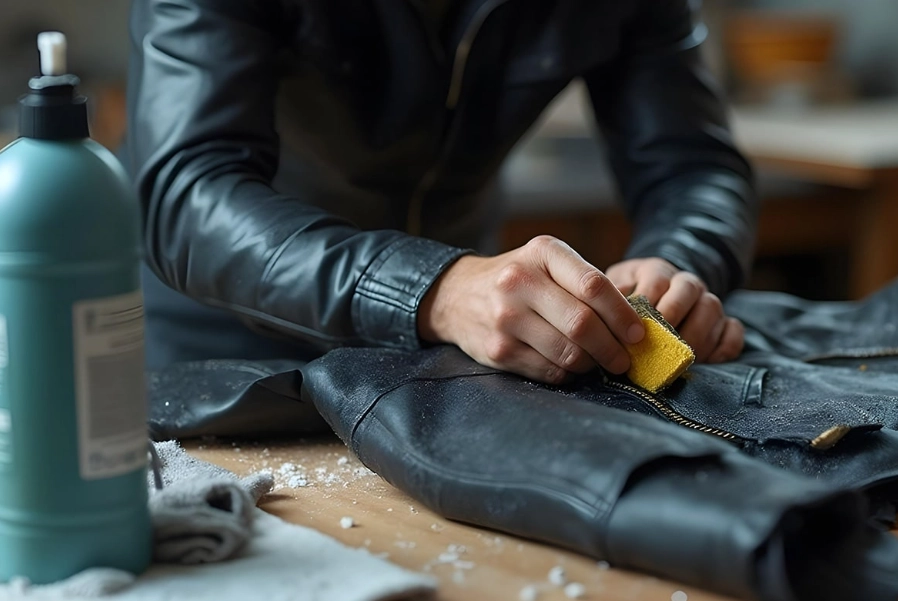
Air Dry Only. Never use a hair dryer, radiator, or direct sunlight. Hang it on a wide, padded hanger (not wire!) in a well-ventilated room. Stuff the sleeves with crumpled paper to help them keep shape.
It can take 1-3 days to dry completely. Be patient.
The Conditioning Must-Have
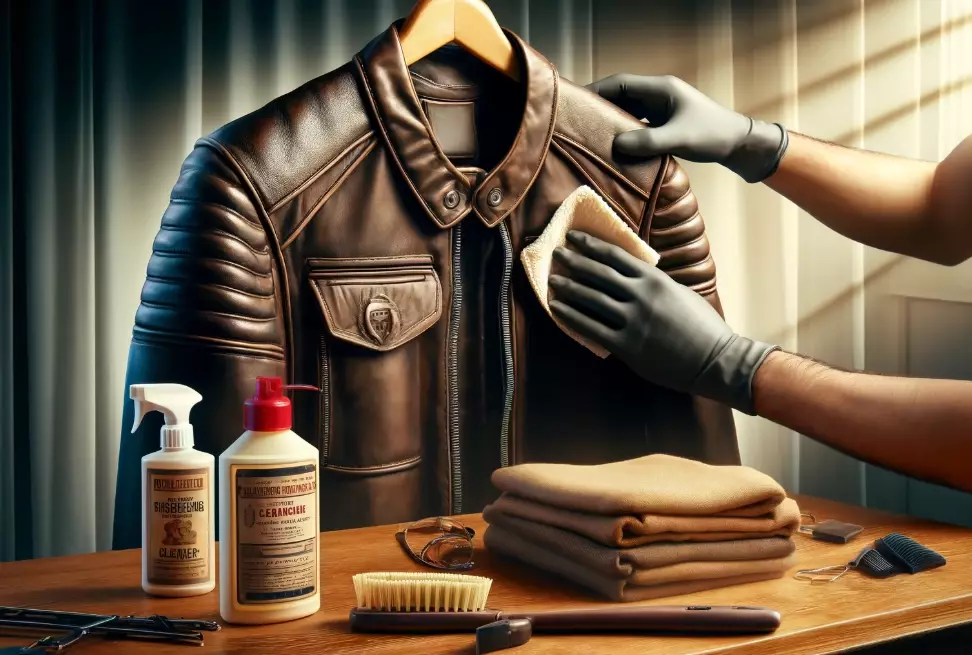
Once completely dry, leather needs its oils back. This is non-optional. Apply a quality leather conditioner (like Bickmore Bick 4 or Lexol) with a clean cloth, using circular motions. A little goes a long way. Let it absorb for an hour, then buff off any excess with a dry cloth.
Conditioning restores suppleness and provides a protective barrier. I do this every 6-12 months, even if I haven't washed the jacket.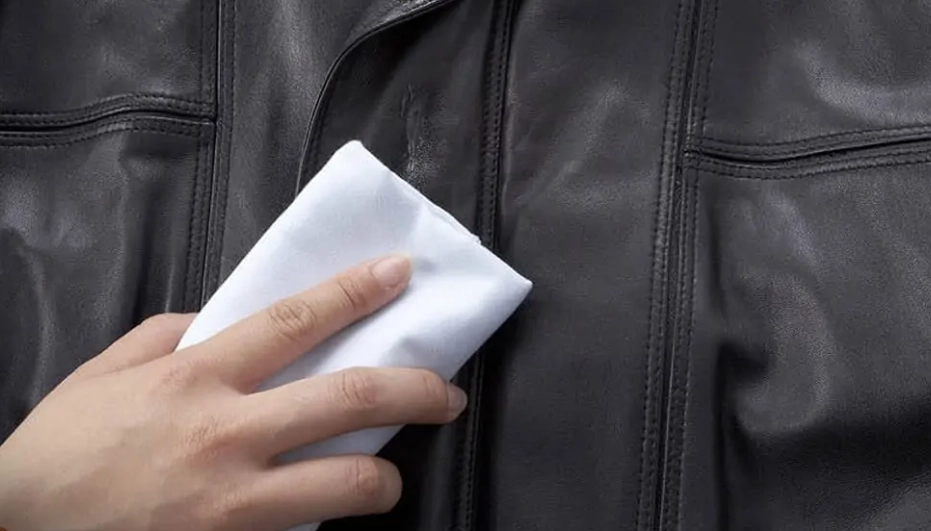
Common Mistakes to Avoid at All Costs
| Mistake | Why It's Bad | The Right Way |
|---|---|---|
| Using Dish Soap | Strips all-natural oils, leaving leather brittle. | Use pH-balanced leather cleaner or Castile soap. |
| Drying in Sun/Heat | Causes rapid, uneven drying leading to cracks. | Air dry at room temperature, away from heat sources. |
| Skipping Conditioning | Leather dries out and loses flexibility. | Always condition after cleaning, once fully dry. |
| Scrubbing Stains | Spreads the stain and damages the grain. | Always dab gently from the outside in. |
| Storing While Damp | Promotes mold and mildew growth. | Ensure 100% dryness before storing in a breathable bag. |
Your Leather Jacket Washing Questions Answered
 My leather jacket got caught in the rain. What should I do?