Let's be honest. We've all thrown a pair of jeans in the wash without a second thought, only to pull out something that's tighter, fader, or just... off. Washing denim isn't rocket science, but it's not mindless either. Get it right, and your favorite jeans will mold to your body, develop beautiful fades, and last a decade. Get it wrong, and you're left with stiff, shrunk, or prematurely worn-out denim. I've been deep in the denim world for over a decade, and I've seen—and made—every mistake in the book. This guide cuts through the myths and gives you the actionable steps to wash your denim, whether it's a fresh pair of raw selvedge or your go-to vintage Levi's.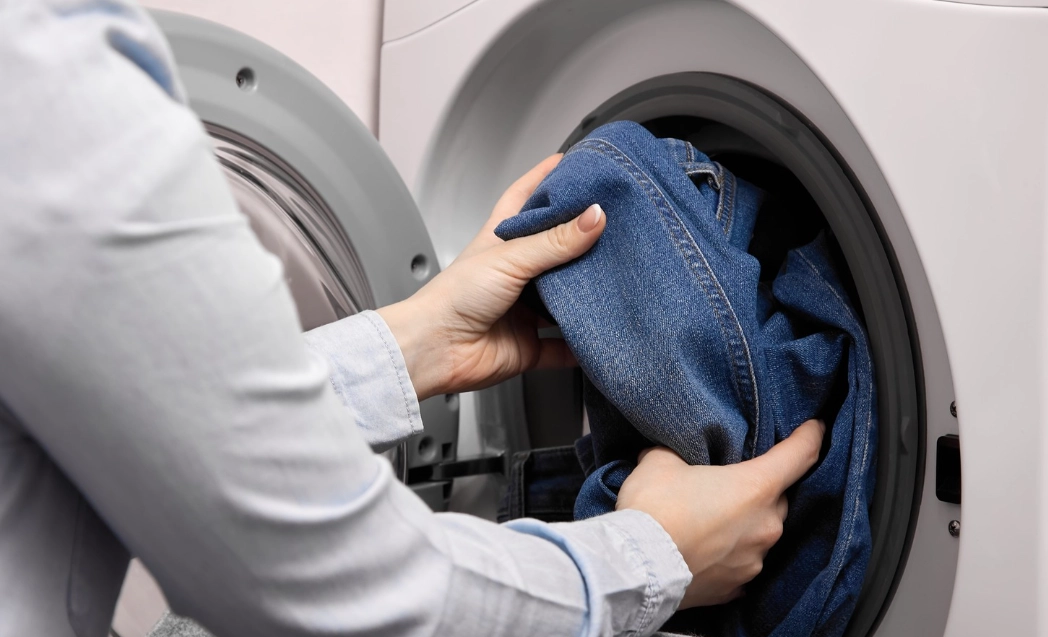
In This Article
Why Your Wash Method Actually Matters
Denim is more than just cotton twill. The dye, the weave, and the finishing all react to water, agitation, and heat. A brutal wash cycle doesn't just clean dirt; it aggressively strips indigo, breaks down fibers prematurely, and can permanently alter the fit. The goal isn't just cleanliness—it's preservation. You're maintaining the fabric's integrity, the color's depth, and the fit you paid for.
Think of raw denim. That stiff, dark fabric is meant to wear in uniquely based on your life. A gentle first wash after 4-6 months of wear sets those honeycombs and whiskers beautifully. A harsh first wash? It can muddy those high-contrast fades into a bland, uniform blue. For pre-washed or vintage denim, gentle care prevents further fading and keeps the fabric from becoming thin and brittle.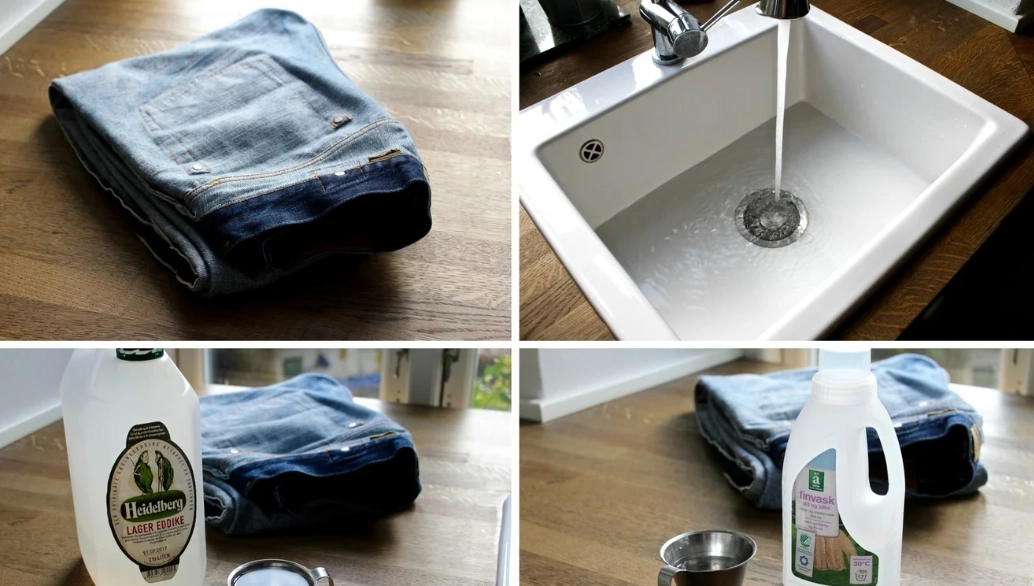
The Non-Negotiable Pre-Wash Checklist
Before any water touches your jeans, run through this list. Skipping these steps is where accidents happen.
- Check the Care Label: It's obvious, but how many of us actually do it? Look for temperature limits and drying instructions. "Turn inside out" is usually there for a reason.
- Do the Zipper & Button Test: Zip up all the way. Button up. This prevents the metal teeth from snagging and tearing the fabric during the spin cycle. A torn pocket bag from an open zipper is a common, easily avoided tragedy.
- Turn Them Inside Out: This is the single most effective trick for minimizing surface abrasion and color loss. The inside takes the beating, protecting the outer indigo layer.
- Pretreat Stains: Got a grease spot from lunch? Apply a small amount of liquid detergent or a dedicated stain remover (like one from The Laundress) directly to the spot. Gently rub the fabric together and let it sit for 10-15 minutes before washing.
- Wash Alone or With Similar Colors: For the first few washes of dark denim, wash it alone. Later, you can wash with other dark, non-abrasive items like black t-shirts. Never wash new dark denim with light towels or cottons—you'll get blue lint everywhere.
The Gold Standard: Hand Washing Denim
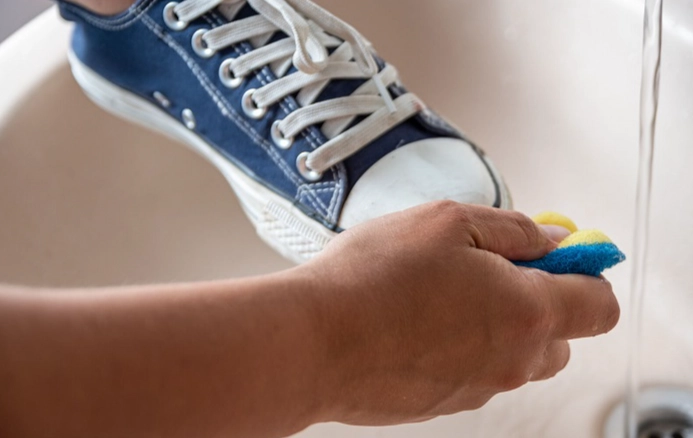
If you have the time, hand washing is the absolute best method for control and fabric longevity. It's what I do for my prized pairs. You don't need a tub—a clean sink or large bucket works.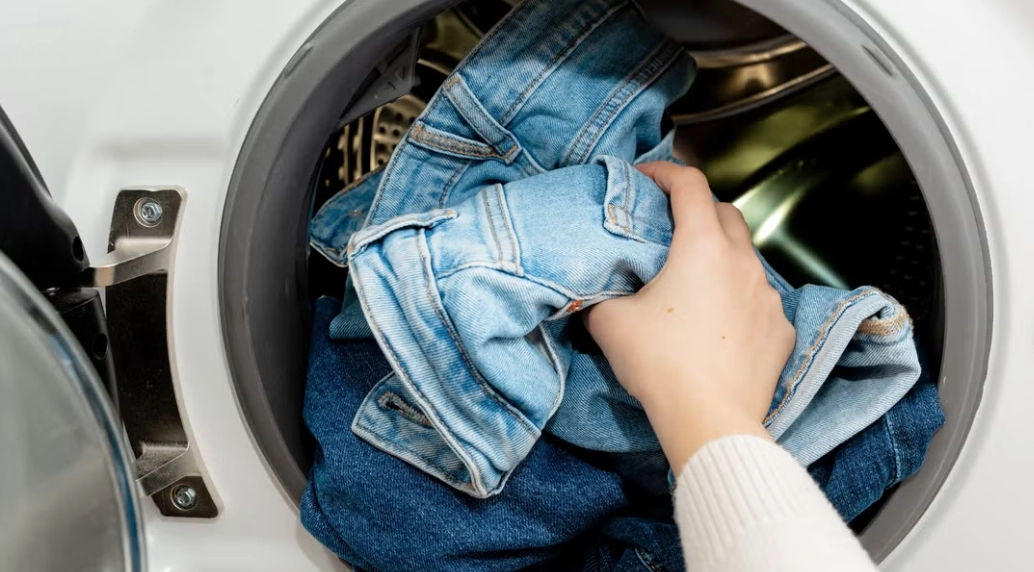
Step-by-Step Hand Wash Process
Fill your basin with cold or lukewarm water. Hot water sets stains and accelerates dye loss. Add a small amount of mild, dye-free liquid detergent. Woolite Dark or a dedicated denim soap like Dr. Bronner's Pure-Castile Liquid Soap are great choices. Swirl the water to mix.
Submerge your turned-inside-out jeans. Gently agitate and massage the fabric for 3-5 minutes, paying attention to areas like the knees and seat. Don't twist or wring. Let them soak for 15-45 minutes. Longer soaks can help release deep dirt but may lead to more dye loss—a trade-off.
Drain the soapy water. Refill the basin with fresh cold water to rinse. Agitate gently, drain, and repeat until the water runs clear (usually 2-3 rinses). To remove excess water, press the jeans against the side of the basin. Do not wring. Roll them in a clean, dry towel and press to absorb more moisture before air drying.
How to Machine Wash Denim Safely
For most people, machine washing is reality. Done correctly, it's perfectly fine. Here’s how to not let your washer ruin your denim.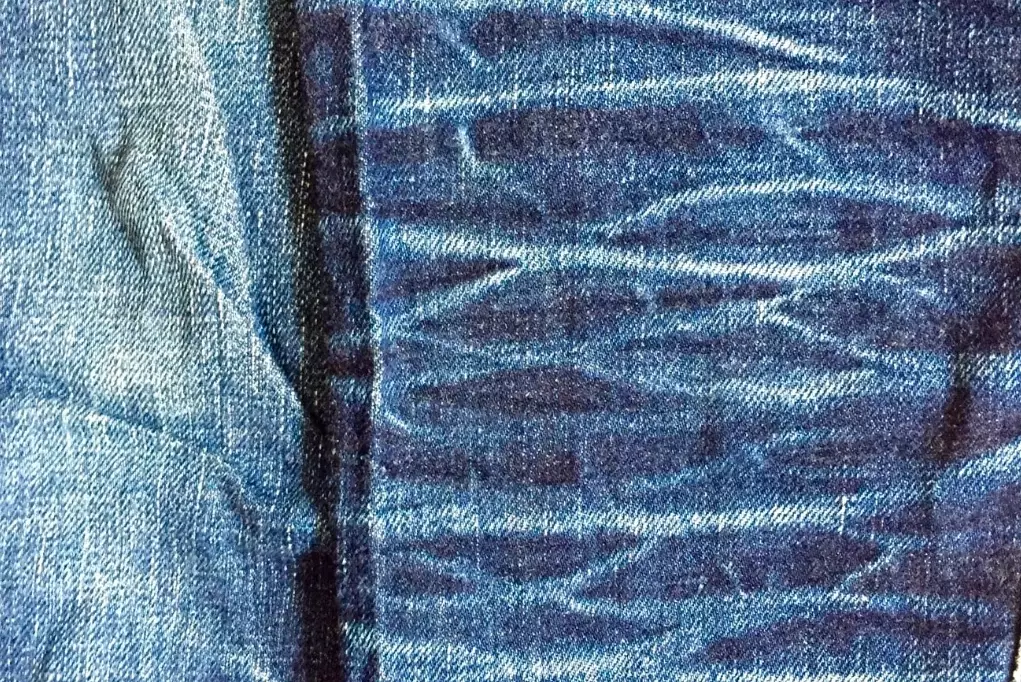
First, use the gentle or delicate cycle. The slow agitation is key. Second, cold water only. I can't stress this enough. Warm or hot water significantly increases the risk of shrinkage, especially with unsanforized denim. Third, a mild detergent. Avoid heavy detergents with optical brighteners or bleach—they are designed to make whites brighter and will strip indigo fast. Stick to detergents for darks or colors.
What about fabric softener? Don't. It coats the fibers, can break down elastane (in stretch denim), and prevents that crisp, broken-in feel denimheads love.
Drying & Aftercare: Where Most People Slip Up
This is the final, critical hurdle. Heat is the enemy of fit.
Never, ever use a dryer for denim you care about. The intense, uneven heat is a guaranteed way to shrink jeans, set wrinkles in weird places, and accelerate overall fabric degradation. The only exception might be cheap, fully pre-shrunk jeans where you don't mind some additional wear and tear.
The right way is air drying. Lay your damp, inside-out jeans flat on a drying rack, or hang them from the waist by the belt loops. Hanging from the hem can cause the legs to stretch weirdly. Ensure good air circulation. Drying in direct sunlight can cause fading, so a shaded, ventilated spot is ideal.
Once dry, you might find them a bit stiff. This is normal, especially after a first wash. Wear them for an hour; they'll soften up and conform to your body again. To store them, fold them or hang them properly—don't crumple them in a ball at the bottom of your closet.
A note on the "freezer method" for odor: Sticking jeans in the freezer to kill bacteria is a half-measure. It might reduce odors temporarily but does nothing for oils, dirt, or dead skin cells. It's not cleaning.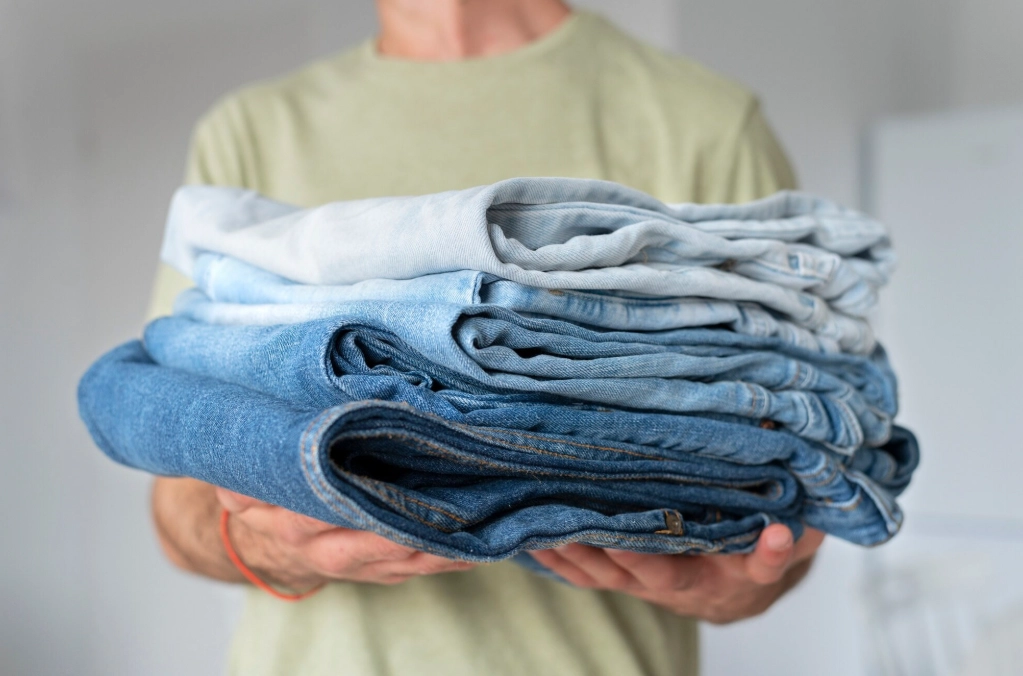
Your Denim Washing Questions, Answered
 My jeans shrank in the wash. Can I fix it?