After testing dozens of bed sheets over the years, I can tell you that the best fabric isn't a one-size-fits-all answer. It depends on your sleep style, budget, and how much effort you want to put into care. Let's cut through the marketing hype and get real about what works. If you're looking for quick advice, Egyptian cotton with a sateen weave often tops the list for balance of comfort and durability, but read on to see why that might not be perfect for you.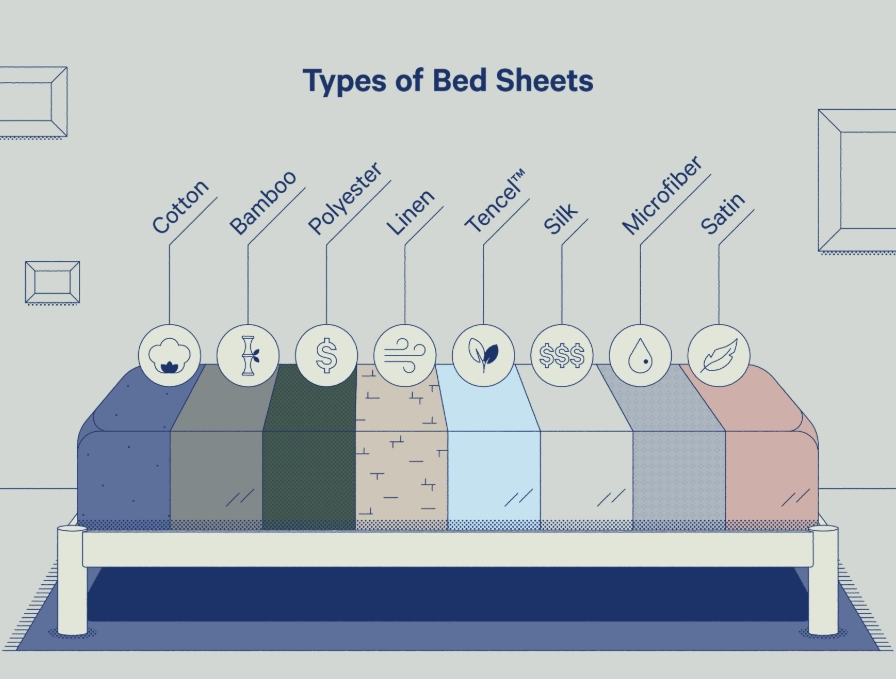
What's Inside This Guide
Key Factors to Judge Bed Sheet Fabrics
Most people just look at thread count and call it a day. That's a mistake. Thread count matters, but it's not the whole story. I've seen sheets with 1000 thread count that feel like sandpaper because of poor quality cotton. Here's what you should really focus on.
Comfort and Feel Against Your Skin
This is subjective, but some fabrics consistently win. Cotton percale feels crisp and cool, ideal if you sleep hot. Sateen weaves give a silky, smooth touch but can trap heat. Linen starts rough but softens beautifully over time—it's like breaking in a good pair of jeans. Silk is luxurious but slippery; some folks hate how pillows slide around.
Durability and How Long It Lasts
You don't want sheets that pill or tear after a few washes. Long-staple cotton, like Egyptian or Pima, lasts longer because the fibers are stronger. Linen is incredibly durable, often outliving cotton by years. Synthetic blends like polyester-cotton resist wrinkles but may degrade faster with heat. I had a set of cheap microfiber sheets that developed holes in six months—never again.
Temperature Regulation for Better Sleep
If you're a hot sleeper, breathability is key. Linen and bamboo are champions here, wicking moisture away. Cotton is decent, but avoid sateen if you overheat. Silk regulates temperature well but can be too warm in summer. There's a reason hotels use high-quality cotton percale—it keeps guests comfortable year-round.
Top Bed Sheet Fabrics Compared Side-by-Side
Let's break down the most common options. I've included a table for quick reference, but the details matter. For example, "cotton" isn't just one thing; it ranges from basic to luxury grades.
| Fabric Type | Best For | Pros | Cons | Average Price Range (Queen Set) |
|---|---|---|---|---|
| Egyptian Cotton | All-season comfort, durability | Soft, breathable, long-lasting | Expensive, requires careful washing | $150 - $400 |
| Linen | Hot sleepers, rustic aesthetic | Highly breathable, durable, eco-friendly | Wrinkles easily, rough initially | $200 - $500 |
| Silk | Luxury, sensitive skin | Hypoallergenic, smooth, temperature-regulating | High maintenance, pricey, slippery | $300 - $800 |
| Bamboo Rayon | Eco-conscious buyers, softness seekers | Silky feel, moisture-wicking, sustainable | Can be less durable, often blended | $100 - $250 |
| Polyester Blend | Budget, easy care | Wrinkle-resistant, affordable, quick-drying | Less breathable, may pill over time | $30 - $100 |
Notice how price varies widely. A high-end linen set can cost over $500, but it might last a decade with proper care. On the other hand, that $50 polyester blend might need replacing in two years. Think long-term.
Here's a tip many miss: Check the weave, not just the fabric. Percale (plain weave) feels crisp and cool, while sateen (twill weave) is smoother but warmer. I prefer percale for summer and sateen for winter—it's a simple switch that improves sleep quality.
Why Organic Cotton Isn't Always Better
Organic cotton is trendy, but it doesn't automatically mean softer or more durable. The benefits are environmental: fewer pesticides and water usage. However, the feel depends on the fiber length and processing. I've tried organic sheets that were scratchy because of low-quality milling. According to the Textile Exchange, organic standards focus on farming practices, not end-product quality. So, don't pay a premium unless sustainability is a top priority for you.
How to Care for Different Bed Sheet Materials
Maintenance can make or break your sheets. I learned this the hard way when I shrunk a set of Egyptian cotton by washing it in hot water. Here's a quick rundown.
- Cotton: Wash in cool or warm water, tumble dry low. Avoid high heat to prevent shrinkage. Iron if needed, but it's not necessary.
- Linen: Machine wash cold, line dry or tumble dry low. Embrace the wrinkles—they're part of the charm. Ironing linen is a pain, so I skip it.
- Silk: Hand wash or dry clean only. Use mild detergent. Never wring or expose to direct sunlight. It's high-maintenance, but worth it for the feel.
- Bamboo: Similar to cotton, but use gentle cycles. Avoid fabric softeners—they can reduce absorbency.
- Synthetics: Easy—machine wash warm, tumble dry. But don't over-dry; it can cause static and wear.
Invest in a good laundry bag for delicate fabrics. It saves time and money in the long run.
My Hands-On Experience with Various Fabrics
I've been through my share of bed sheet experiments. A few years ago, I splurged on silk sheets for my anniversary. They felt amazing, but my partner kept complaining about sliding off the bed. We switched to linen for summer, and it was a game-changer—cool, breathable, and it got softer with every wash. The downside? It looks perpetually rumpled, which bugs some people.
For daily use, I stick with high-thread-count Egyptian cotton percale. It's reliable, comfortable, and lasts. I bought a set from a reputable brand five years ago, and it's still going strong with weekly washes. On the flip side, I tried a budget bamboo set that pilled within months. Lesson learned: not all bamboo is created equal; look for brands that use high-quality rayon processes.
One thing I wish more guides mentioned: thread count isn't everything. I've seen sheets with 800 thread count that feel inferior to 300-count ones because of shorter fibers. Focus on fiber length (long-staple is better) and weave type.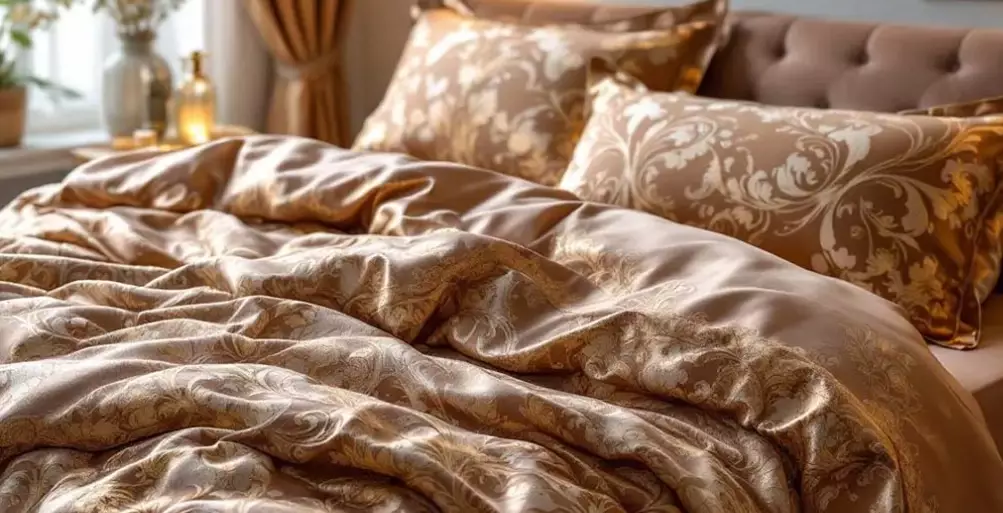
Your Bed Sheet Fabric Questions Answered
 How do I prevent pilling on my bed sheets, especially with cheaper fabrics?