Let's be honest. The thought of washing a wool blanket is scary. You've heard the horror stories. A favorite blanket goes in fluffy and comes out toddler-sized, felted and stiff. I know because I've done it. Years ago, a beautiful heirloom wool throw met its end in my washer on a warm cycle. That mistake taught me more than any care label ever could. The truth is, washing wool isn't hard, but it is specific. Get the basics wrong, and you'll ruin it. Get them right, and your blanket will last for decades, getting softer and more cherished with each gentle clean. This guide strips away the fear and gives you the clear, actionable steps used by textile conservators and experts.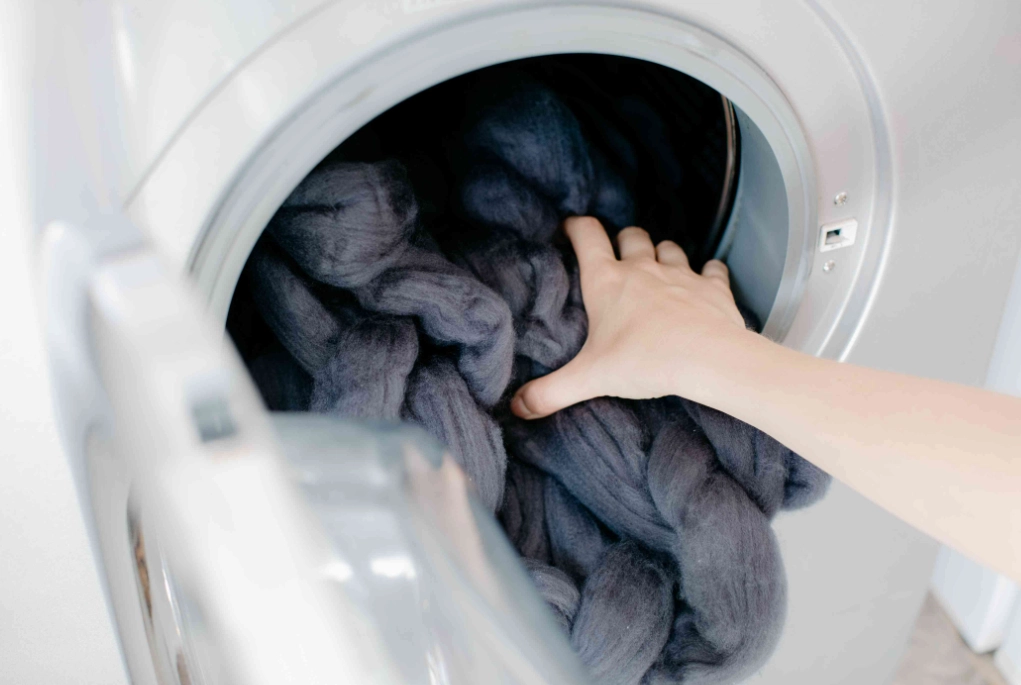
Your Quick Wash Guide
The Non-Negotiable Pre-Wash Checklist
Don't even fill the sink until you've done these three things. This is where most people slip up.
1. Decode the Care Label. This seems obvious, but look for specifics. "Dry clean only" means just that—especially for blankets with intricate bindings or blends. A "hand wash" symbol is your green light. If there's no label, assume it's a delicate, hand-wash-only item. When in doubt, test a small, inconspicuous corner (like an inside seam) with a drop of cool water and mild soap. See if the color bleeds or the fibers change texture.
2. Identify the Wool Type. Not all wool is created equal. A dense, felted military blanket can handle more than a loose, fluffy Merino throw. Lambswool is particularly delicate. The general rule is: the softer and fluffier it feels, the gentler you need to be. If the fibers are tightly woven and the blanket has little nap, it's more robust.
3. Gather Your Arsenal. You need the right tools:
- Mild Detergent: Use a detergent specifically for wool or delicates. Brands like Eucalan or The Laundress Wool & Cashmere Shampoo are excellent. They contain lanolin or similar agents that help maintain wool's natural oils. Never use standard laundry detergent, fabric softener, or bleach—they strip wool and cause felting.
- A Clean Tub or Sink: Ensure it's free of soap scum or residue.
- Two Clean, Thick Towels: For the rolling drying method (crucial).
- Cool or Lukewarm Water: Hot water is the enemy. Think baby-bath temperature.
The Gold Standard: Hand Washing Step-by-Step
This is the method I use for every precious wool item. It's meditative, and it guarantees the best result.
Step 1: The Gentle Soak
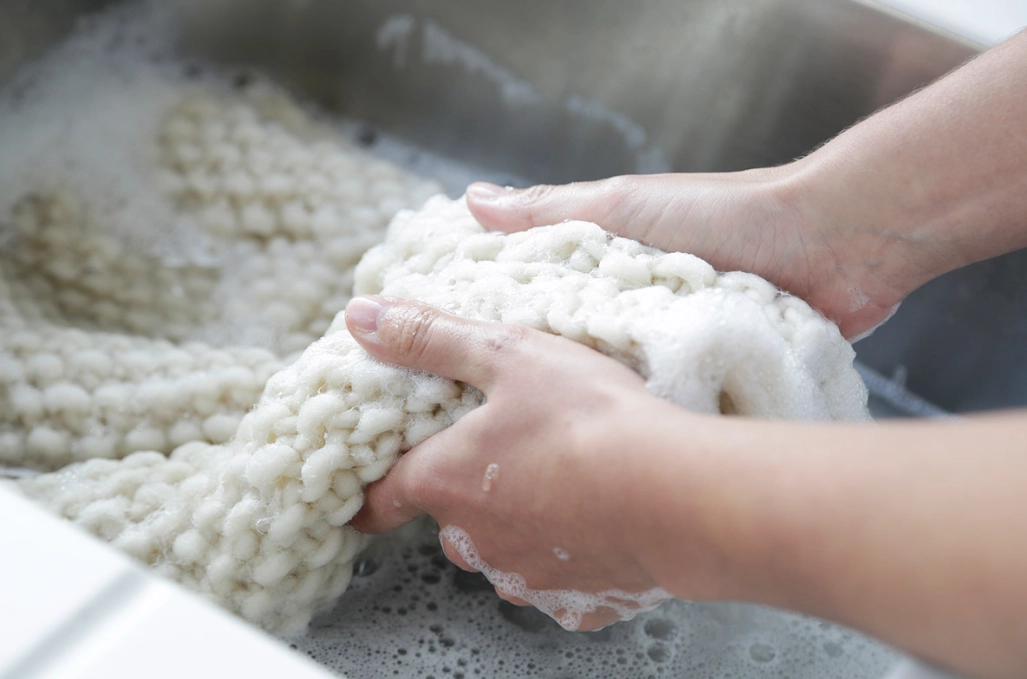
Fill your bathtub or a large basin with cool to lukewarm water. Add the recommended amount of wool wash and swish to dissolve. Submerge the blanket completely. Gently press it down to ensure it's soaked through. No swirling, wringing, or rubbing. Just let it sit for 15-20 minutes. The detergent will do the work.
Step 2: The Rinse (Without Agitation)
Drain the soapy water. Gently press the blanket against the side of the tub to remove some water. Refill with fresh cool water. Again, just press and lift the blanket in the water to rinse. You may need 2-3 rinse cycles until the water runs clear. The key is minimal disturbance.
Step 3: The Towel Roll
Lay a large, absorbent towel flat on the floor. Place the sopping wet blanket on top, smoothing it out. Starting from one end, tightly roll the towel and blanket together into a log. Once rolled, press down firmly along the length of the roll and even stand on it. This transfers the bulk of the water from the blanket into the towel. Unroll, remove the wet blanket, and repeat with a second dry towel if it's still very heavy with water.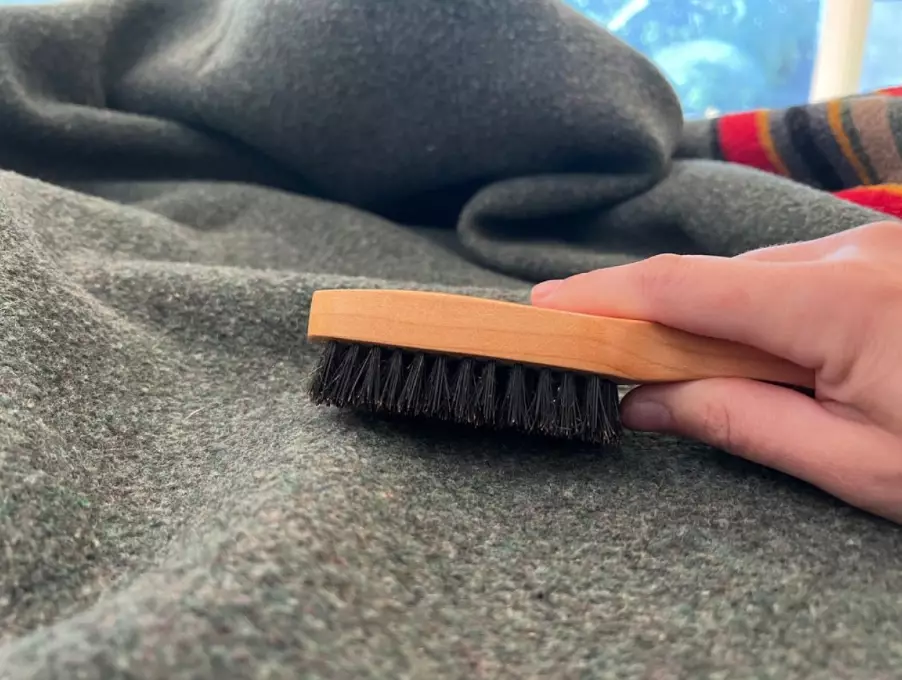
Machine Washing: When It's Okay and How to Do It Safely
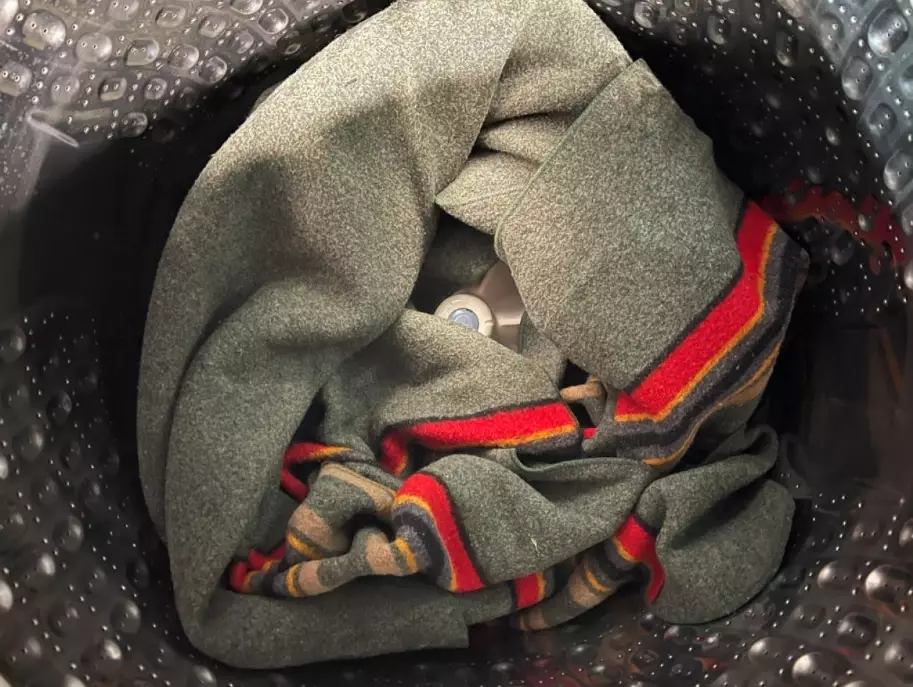
I only recommend machine washing for very sturdy, modern wool blankets that explicitly allow it on the label. Think of those thick, tightly woven utility blankets. For anything heirloom, handmade, or labeled "superwash," stick to hand washing. "Superwash" wool is chemically treated to resist felting, but machine agitation can still wear it out prematurely.
If you must use a machine, here's the only safe protocol:
- Use a front-loading washer. The agitator in a top-loader is too harsh.
- Set the machine to the delicate, wool, or hand wash cycle with COLD water only.
- Use a tiny amount of wool-specific detergent.
- Place the blanket in the drum by itself. Washing with other items causes friction.
- As soon as the cycle ends, remove it immediately. Don't let it sit wet.
Here’s a quick comparison to visualize the risk:
| Method | Best For | Risk Level | Control |
|---|---|---|---|
| Hand Washing | All wool blankets, especially delicate, vintage, or expensive ones. | Very Low | Complete control over water temp, agitation, and pressure. |
| Machine (Delicate Cycle) | Sturdy, modern blankets with clear machine-wash instructions. | Moderate to High | Low. You rely on the machine's programming. |
| Dry Cleaning | Blankets with "dry clean only" labels, complex trims, or severe stains. | Low (but uses chemicals) | None. You trust a professional. |
The Critical Phase: Drying and Storing Your Blanket
How you dry wool is arguably more important than how you wash it. Heat and direct sunlight are destructive.
Never, ever put a wool blanket in the dryer. Even on an air-fluff or no-heat setting, the tumbling action causes felting. I don't care what the internet says—it's a gamble you'll lose over time.
The right way is flat drying. After the towel roll, lay the blanket flat on a clean, dry towel or a mesh drying rack. Reshape it to its original dimensions. Gently pat and smooth it out. Flip it over every few hours to ensure even drying. This can take 24-48 hours depending on humidity. Ensure good air circulation in the room.
For storage, never hang a wool blanket. The weight will stretch it. Fold it loosely and store in a breathable cotton bag or pillowcase in a cool, dry place. Avoid plastic bins long-term, as they can trap moisture and lead to mildew. Tuck in some cedar blocks or lavender sachets to deter moths.
3 Costly Mistakes Almost Everyone Makes
After helping hundreds of people rescue their woolens, I see the same errors repeatedly.
1. Using Fabric Softener. This is a killer. Fabric softener coats wool fibers, breaking down their natural resilience and making them unable to breathe. It attracts more dirt over time and is a nightmare to wash out. Wool is naturally soft when cared for properly.
2. Soaking or Agitating Too Vigorously. Wool felts through a combination of heat, moisture, and agitation. Vigorous swishing or prolonged soaking in hot water mats the fibers together permanently. Gentle pressing is all that's needed.
3. Assuming "Air Fluff" is Safe. The dryer's tumbling action, even without heat, subjects wool to constant friction and pressure. It's a mechanical felting machine. The only safe place for a wet wool blanket is lying flat.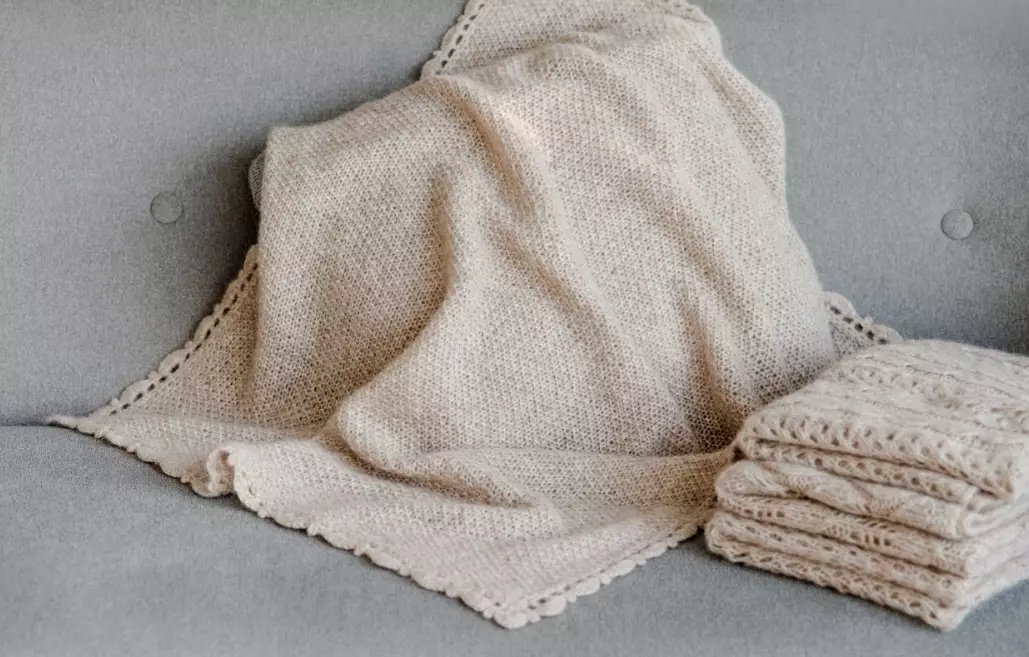
Your Wool Washing Questions, Answered
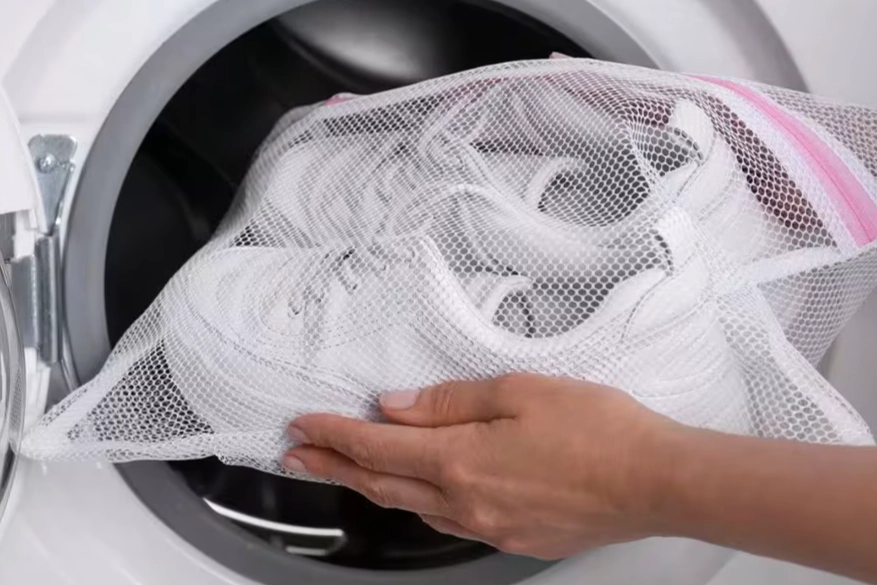
Can I wash a wool blanket in the washing machine if I use a delicate bag?
A mesh bag protects from snags but does nothing to reduce the fundamental agitation and spinning of the wash cycle. The fibers inside the bag are still being sloshed and tumbled against each other. It offers a false sense of security. For true safety, hand washing is the only guaranteed method.
How do I remove a musty smell from a wool blanket without washing the whole thing?
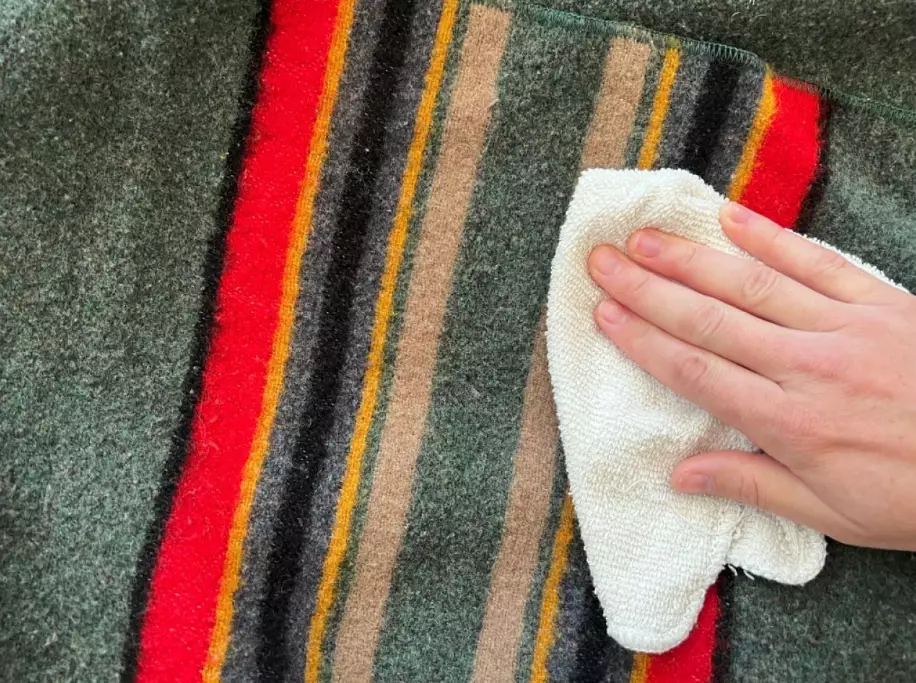
First, air it outside on a dry, breezy day away from direct sun for several hours. If the smell persists, try this spot treatment: Mix a tablespoon of white vinegar with a cup of cool water. Dampen a clean cloth in the solution, wring it out thoroughly, and gently dab the affected areas. Then, use a cloth dampened with plain cool water to dab the area again. Let it air dry completely. The vinegar neutralizes odors without damaging the wool. For persistent storage smells, a light steaming from a garment steamer held a few inches away can help, but test on a corner first.
My wool blanket shrank a little. Can I stretch it back out?
You can attempt to block it back to shape, but it's not always successful. While the blanket is still damp from washing, gently pull and shape it back to its original dimensions on your flat drying surface. Use pins (like T-pins for knitting) to secure the edges to the towel or mat if necessary. As it dries, the fibers will set in this slightly stretched state. This works best for minor shrinkage. Severe felting, where the fibers have permanently matted together, is irreversible. Prevention is the only real cure.
 Is dry cleaning really bad for wool blankets?
It's not "bad," but it's often unnecessary and uses chemical solvents like perchloroethylene. For routine cleaning, hand washing is gentler and more economical. Reserve dry cleaning for blankets with non-wool trims, severe stains (like oil or wine), or if the care label insists. If you do dry clean, look for a "green" cleaner that uses liquid carbon dioxide or silicone-based solvents, which are milder. The International Wool Secretariat provides guidelines on wool care that support gentle washing over frequent dry cleaning.
How often should I actually wash my wool blanket?
Far less often than you think. Wool is naturally resistant to odors and stains due to lanolin. For a blanket used on a bed over sheets, a wash once at the end of the season is plenty. For a decorative throw, every year or two might suffice. Between washes, air it outside, give it a gentle brush, or spot clean spills immediately. Over-washing wears down the fibers unnecessarily.