Let's be honest, most of us forget our pillows exist when we do laundry. We wash sheets, pillowcases, but the pillow itself? It just sits there, absorbing years of sweat, skin cells, and drool. The thought of tossing it in the washing machine can be intimidating. Will it fall apart? Will it come out lumpy? I ruined a perfectly good down pillow years ago by being careless, so I get the hesitation.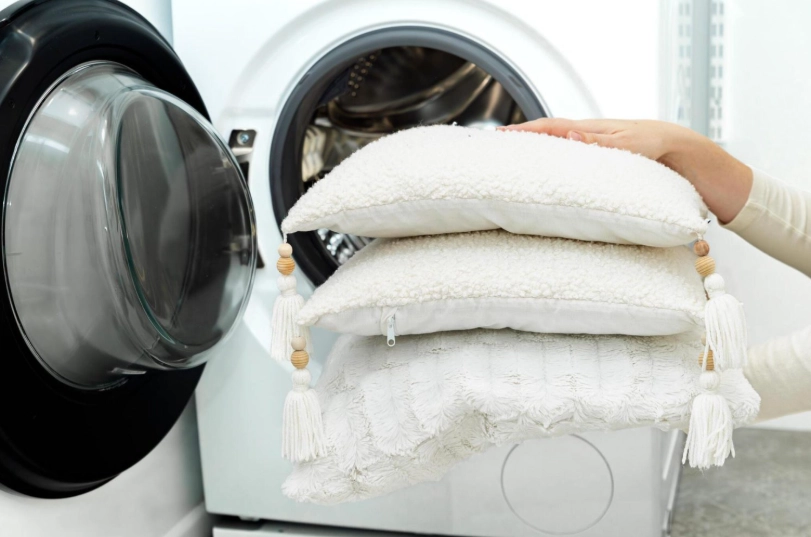
But here's the good news: washing a pillow in a washing machine is not only possible, it's recommended for hygiene and extending its life. The secret isn't a special product; it's a specific process. This guide cuts through the generic advice and gives you the exact steps, tailored to your pillow type, so you end up with a fresh, fluffy pillow, not a soggy, clumped mess.
What You'll Learn in This Guide
The Non-Negotiable Pre-Wash Checklist
Skip this, and you risk disaster. I'm not being dramatic. Washing a pillow is different from washing a t-shirt.
First, find the care label. It's usually sewn into the seam. If it has a big "X" over the washing tub, your machine-washing journey ends here. Dry clean only means dry clean only. If it says "machine washable," you're good to go.
Check for rips and seams. Run your fingers along all the seams. Any small hole will become a giant hole in the wash, spewing feathers or foam bits everywhere. Mend any tears with a needle and thread first.
Do a smell and stain assessment. Is it just generally musty, or are there visible yellow stains (usually from sweat)? For general freshness, washing will suffice. For stains, you'll need to pre-treat. Mix a paste of baking soda and water or use a small amount of enzyme-based stain remover. Gently dab it on the stain—don't rub aggressively or you'll damage the fabric.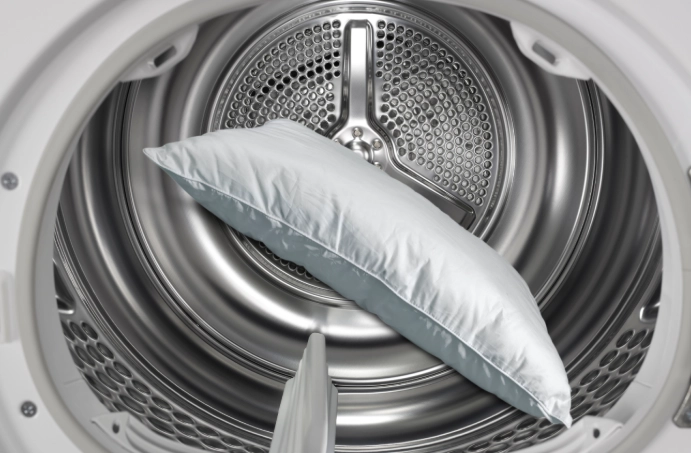
Pro Tip from a Laundry Veteran: Most people use too much detergent for pillows. Excess soap is the #1 reason for lumpy, stiff pillows after washing. The soap gets trapped in the filling and can't rinse out fully. We'll get to the right amount later.
The Step-by-Step Washing Machine Process
Okay, your pillow passed the checklist. Let's move to the machine.
1. The Two-Pillow Rule & Machine Prep
Always wash two pillows of similar size and type together. This balances the load in your washing machine drum, preventing it from becoming off-balance and thumping violently. No second pillow? Throw in a couple of bath towels for balance.
Use a front-loading or top-loading HE (high-efficiency) machine if possible. The agitator in a traditional top-loader can be too rough and tear pillows apart. If you only have an agitator machine, place the pillows vertically around the agitator, not horizontally over it.
2. Detergent, Settings, and Temperature
This is where the magic (or mess) happens.
- Detergent: Use a mild, liquid detergent. Powdered detergent often doesn't dissolve fully in cooler water and leaves residue. How much? Use half the amount you'd use for a normal load. Seriously, half.
- Skip the fabric softener. It coats the fibers and filling, reducing absorbency and breathability. It's terrible for pillow fluff.
- Cycle: Select the "gentle" or "delicate" cycle.
- Temperature: Cold or warm water for the wash. Hot water can damage certain fills and set protein-based stains (like sweat). Use a cold rinse to help thoroughly flush out soap.
- Extra Rinse: If your machine has the option, add an extra rinse cycle. This is your insurance policy against leftover detergent.
Start the machine. The first few spins might sound odd as the pillows absorb water and shift weight. That's normal.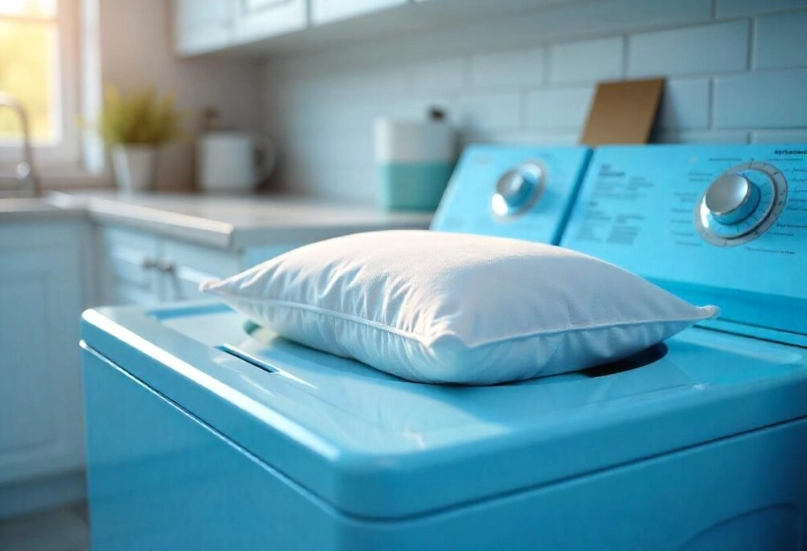
Pillow Type Guide: Down, Memory Foam & More
Not all pillows are created equal. Here’s a breakdown of how to handle the most common types.
| Pillow Type | Machine Washable? | Key Washing Consideration | Biggest Risk |
|---|---|---|---|
| Down or Feather | Usually Yes | Must be thoroughly dried to prevent clumping and mildew. Use tennis balls in dryer. | Clumping into hard, unusable lumps. |
| Polyester / Synthetic Fill | Almost Always Yes | The most forgiving. Can often handle a slightly warmer wash. | Heat damage in dryer causing flatness. |
| Memory Foam | Almost Never | Do NOT machine wash or soak. Spot clean only. The foam absorbs water, breaks down, and won't dry properly. | Complete structural failure, crumbling foam. |
| Latex | Check Label; Often Hand-wash Only | Similar to memory foam, moisture is the enemy. Usually requires gentle hand-washing and air drying. | Waterlogging and degradation of latex. |
| Buckwheat / Millet Hull | No | Empty the filling, wash the cotton shell alone, let it dry completely, then refill. | Moldy, ruined filling. |
See that? Memory foam and buckwheat are basically machine-washing kryptonite. For a memory foam pillow, unzip the cover (if it has one) and wash that. Wipe the foam core with a damp cloth and a tiny bit of mild soap, then let it air dry completely away from sun.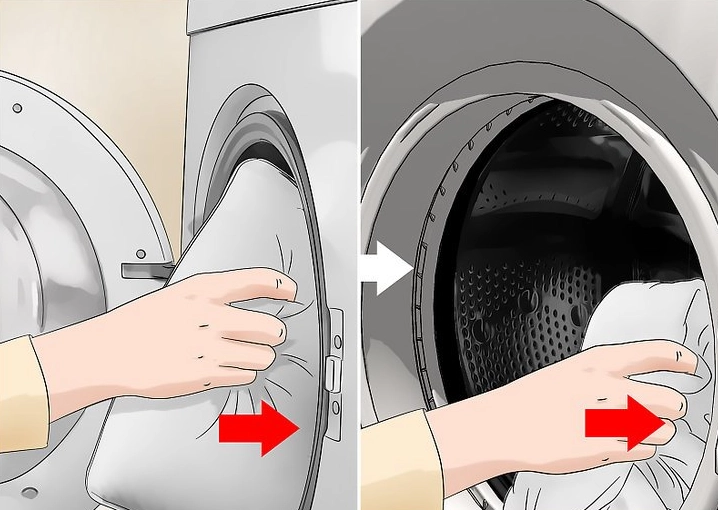
Drying Mastery: The Make-or-Break Phase
Washing is only half the battle. Drying is where you win or lose. A damp pillow equals mildew. A fast-dried down pillow equals lumps.
Never, ever put a pillow in the dryer without checking it's dryer-safe on the label. Memory foam and latex can melt or warp.
For machine-dryable pillows (down, synthetic):
- Low Heat is Law. Use the lowest heat setting or an air-fluff (no heat) setting. High heat damages fibers and can melt synthetic fills.
- Throw in Dryer Balls. This is the expert move. Two or three clean tennis balls or wool dryer balls in the drum will pummel the pillow as it dries, breaking up clumps (crucial for down) and restoring fluff.
- Expect it to Take Forever. A pillow can take 2-3 hours to dry completely. Don't stop early.
- Check for Dampness. Stop the dryer every hour. Feel the pillow, especially the very center. It must be completely dry, warm, and fluffy all the way through. Any cool or damp spots mean back in it goes.
For pillows that must air dry (or as a final step): lay them flat on a drying rack in a well-ventilated area. Flip them every few hours. Sunlight can help disinfect but may fade colors.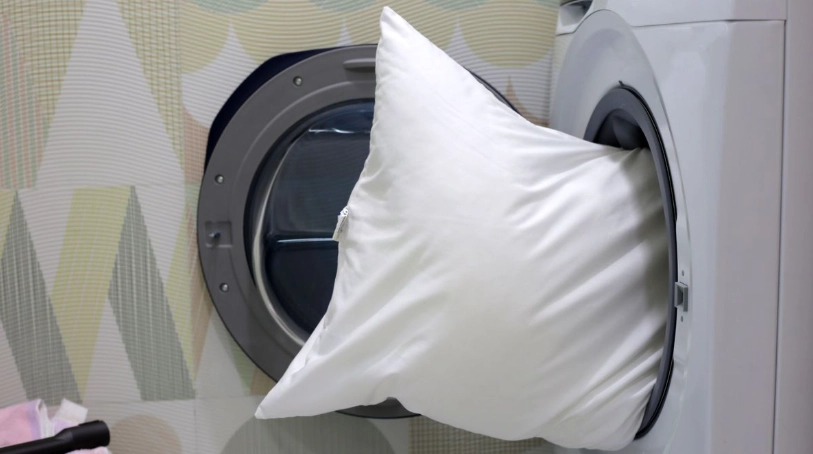
Your Pillow Washing Questions Answered
 The pillow smells musty even after washing. What now?
There you have it. It's not complicated, but it requires attention to detail. Treat your pillows right with a proper wash every few months, and they'll reward you with better support, cleaner sleep, and a longer life. Now go check those care labels.