You just finished straining yogurt, bundling herbs, or pressing tofu. Now you're staring at a messy, stained piece of cheesecloth. Toss it in the washer? Hand scrub it? Honestly, most advice online gets this wrong. Treating it like a regular kitchen towel is the fastest way to ruin it. I learned this the hard way after shredding more cloths than I care to admit. Properly washing cheesecloth isn't just about cleanliness; it's about fabric preservation, food safety, and saving money. Do it right, and a single piece can be your kitchen workhorse for dozens of uses. Let's break down the real method, step by step.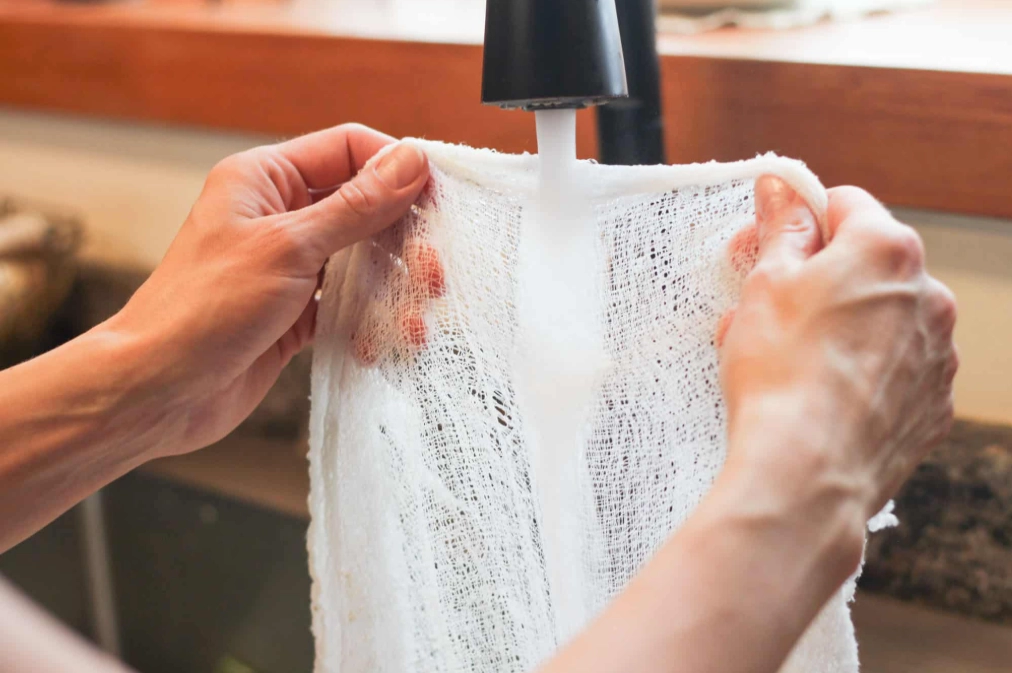
What You'll Learn in This Guide
Why Proper Washing Matters More Than You Think
Cheesecloth is a loose-woven, gauzy cotton fabric. That open weave is what makes it perfect for straining—but also makes it incredibly fragile when wet and loaded with gunk. The goal of washing isn't just to remove visible dirt. It's a three-part mission:
Remove Food Particles & Bacteria: Leftover milk solids, fruit pulp, or grease become a breeding ground for bacteria. The U.S. Food and Drug Administration (FDA) emphasizes that porous food contact materials need thorough cleaning to prevent contamination. A quick rinse won't cut it.
Maintain Fabric Integrity: Aggressive scrubbing or high heat can stretch, tear, or felt the delicate cotton fibers. Once the weave tightens or distorts, its straining ability is gone.
Preserve Reusability: A well-cared-for cheesecloth can be reused 15-20 times easily. That's less waste and more value from a simple product.
I see people make the first big mistake right after use: letting the cloth sit. Once it dries with food residue, the stain sets and the fibers start to break down. Your first action should always be a quick cold water rinse, even if you're not doing a full wash for a few hours.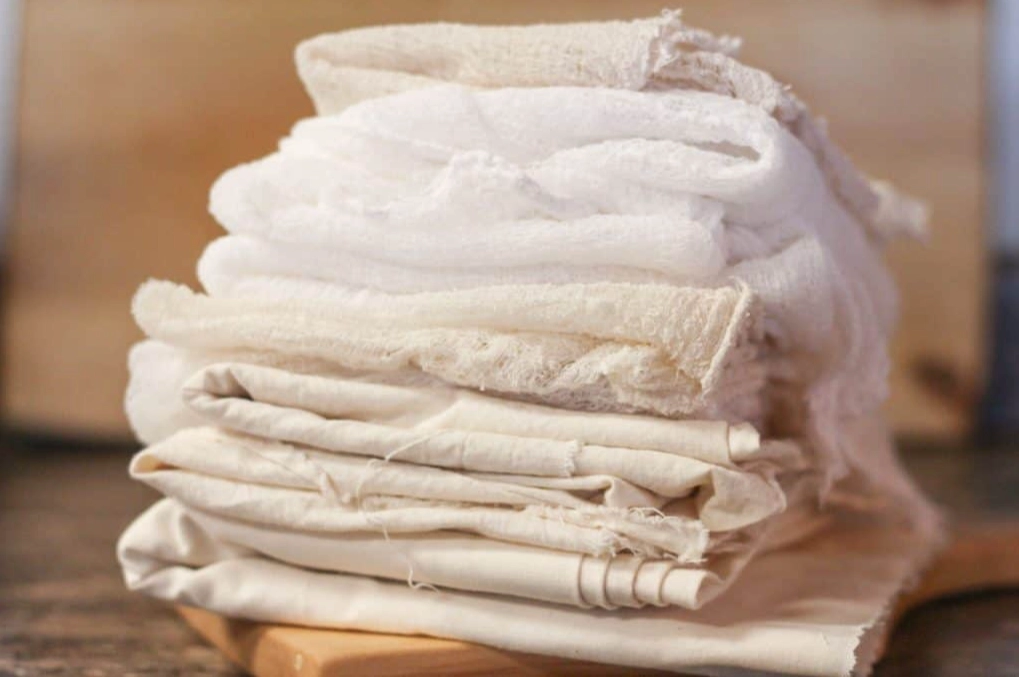
The Foolproof Step-by-Step Washing Guide
Forget complicated routines. This is the core method I've settled on after years of trial and error. It works for 90% of post-cooking situations.
What You'll Need: Cold water, a mild detergent (like dish soap or a dab of castile soap), white vinegar or baking soda (optional for odor/disinfection), and your hands. No brushes, no bleach at this stage.
Step 1: The Immediate Post-Use Rinse (Non-Negotiable)
As soon as you're done using the cloth, hold it under cold, running water. Gently press and squeeze the fabric to flush out the bulk of the food particles. Use cold water—hot water will cook proteins like egg or dairy into the fibers, making them permanent. Don't wring it out aggressively. Just let the water flow through.
This 60-second step prevents stains from setting and makes the deep wash infinitely easier.
Step 2: The Hand Wash (The Gold Standard)
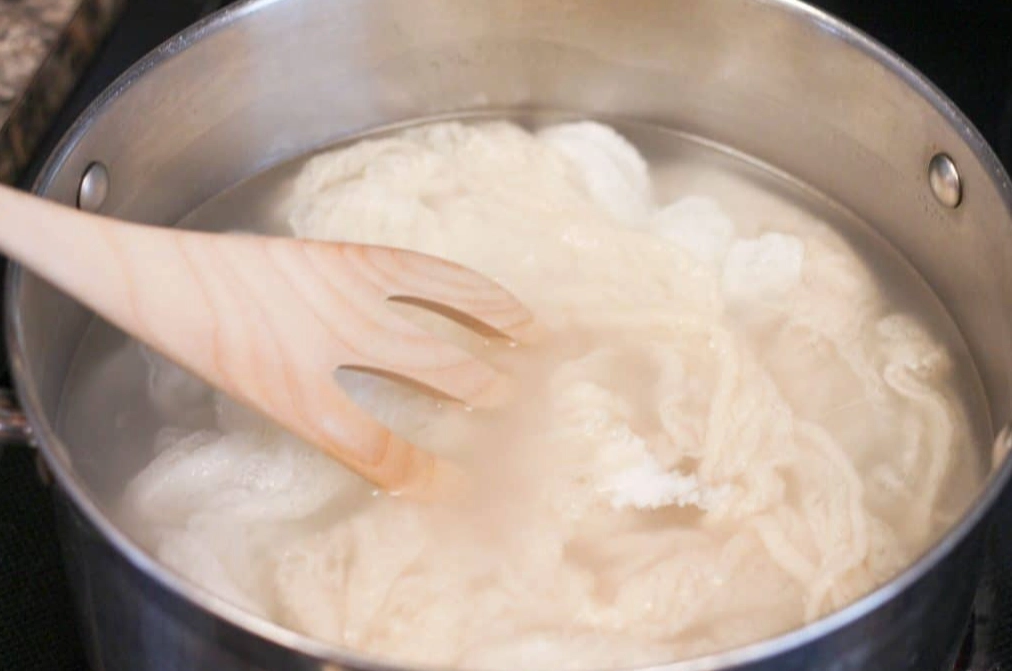
Fill a clean basin or sink with cold or lukewarm water. Add a few drops of mild detergent. Submerge the rinsed cheesecloth and let it soak for 10-15 minutes. This loosens the remaining debris.
Now, gently agitate the cloth with your hands. Use a kneading and pressing motion, not a twisting or scrubbing motion. Imagine you're gently handling a delicate sponge. Pay extra attention to any visibly soiled areas.
Drain the soapy water. Refill the basin with clean, cold water and rinse the cloth by pressing and swishing it until the water runs clear and no suds remain. This may take 3-4 rinses. Residual soap can affect the taste of future foods.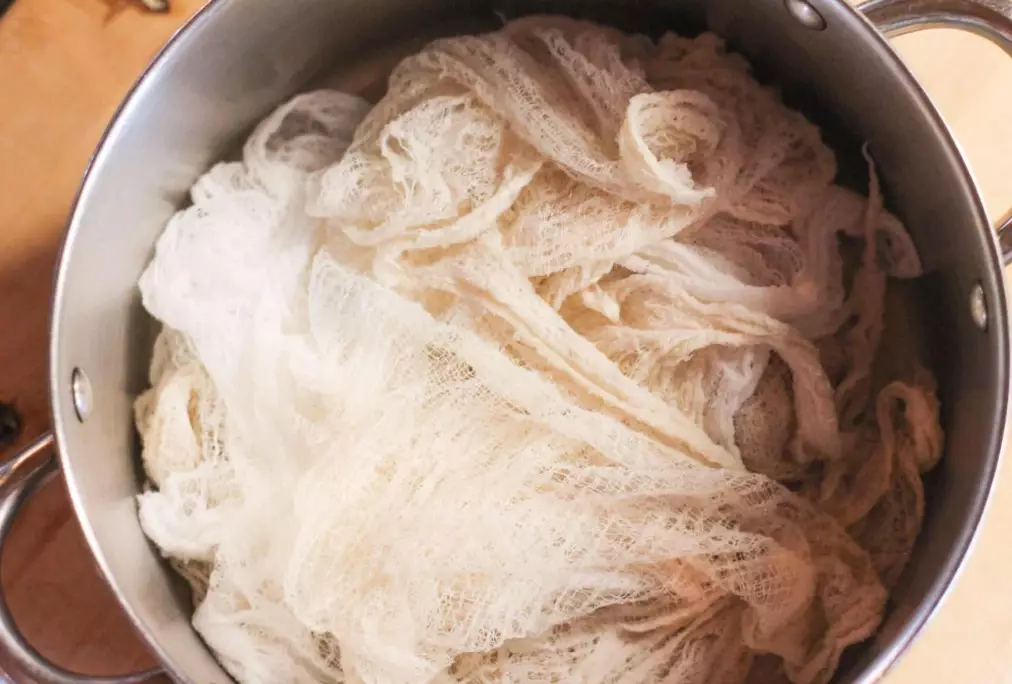
Step 3: Sanitizing (Optional but Recommended)
For tasks involving raw ingredients, dairy, or meat, I always do an extra sanitizing step. You have two great, fabric-safe options:
- White Vinegar Soak: Add 1/4 cup of white vinegar to a basin of cold water. Soak the washed cheesecloth for 15 minutes. Vinegar is a mild disinfectant and odor neutralizer.
- Boiling Water Pour-Over: This is where most guides get it wrong. Do not boil the cloth in a pot. Instead, place the rinsed cloth in a colander or heat-proof bowl. Slowly pour a kettle of freshly boiled water over it, ensuring it's fully saturated. Let it sit until cool. The boiling water kills germs without the sustained agitation of a rolling boil, which damages fibers.
How to Tackle Specific Stains & Scenarios
Not all messes are created equal. Here’s how to handle the tough ones.
| Stain / Use Case | Best Approach | What to Avoid |
|---|---|---|
| Dairy (Yogurt, Cheese Curds) | Cold water rinse first. Soak in cool water with a spoon of baking soda before the main wash. | Hot water initial rinse – it will coagulate proteins. |
| Grease & Oil (Straining broth, frying) | Pre-rinse with warm (not hot) water and a drop of dish soap to cut grease. Then proceed with standard wash. | Using only cold water first, which can set grease. |
| Fruit & Berry Pulp | Immediate cold rinse. If stains persist, soak in cool water with a splash of lemon juice or white vinegar for 30 mins before washing. | Rubbing the stain, which can push pigment deeper. |
| Herb Bundling (Pesto, Bouquet Garni) | Shake out loose herbs. Soak in cool water to loosen chlorophyll stains. Expect some natural dyeing; it's harmless. | Worrying about perfect color removal. Focus on odor and residue. |
| Nut Milks & Pulps | Rinse thoroughly to remove fine particles. Soaking is key. Check the weave for trapped grit after washing. |
The 3 Most Common Mistakes (And How to Avoid Them)
These are the errors that shorten your cheesecloth's life dramatically.
Mistake 1: Using the Washing Machine. I know it's tempting. But even on a gentle cycle, the agitation and spinning can stretch, tear, and tangle the loose weave with other laundry. It's a gamble not worth taking for a $3 item. Stick to hand washing.
Mistake 2: Using Bleach or Strong Detergents. Chlorine bleach weakens cotton fibers over time, making them brittle and prone to holes. It can also leave a chemical residue. Opt for oxygen-based bleach (like hydrogen peroxide) only for extreme cases of mold or set stains, and dilute it heavily.
A subtle point everyone misses: Fabric softener is a nightmare for cheesecloth. It coats the fibers, reducing their absorbency and straining capability. Never use it.
Mistake 3: High-Heat Drying. Tossing it in the dryer on high heat is a death sentence. The high heat shrinks and felts the cotton, tightening the weave until it's useless for fine straining. Always air dry.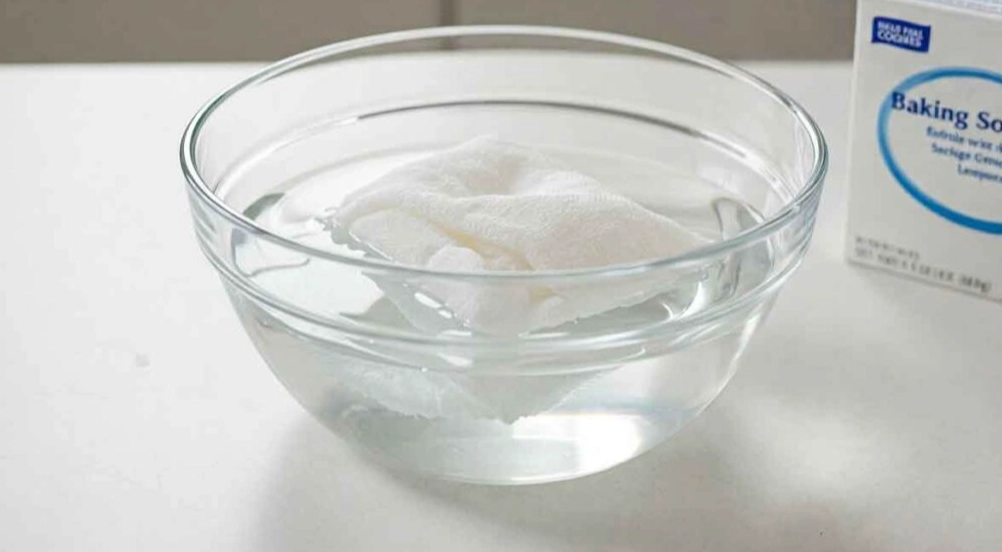
Drying and Storing for Longevity
How you finish is as important as how you wash.
Drying: After the final rinse, gently press out excess water. Do not wring. Lay the cloth flat on a clean towel or a drying rack, reshaping it to its original square-ish form. Direct sunlight is great for a natural bleaching effect and killing microbes. If indoors, ensure good air circulation.
Storage: Once bone dry, fold it and store it in a clean, dry cupboard. I keep mine in a dedicated, breathable cotton bag. Don't store it damp or in a sealed plastic bag—this invites mildew.
Before reusing a stored cloth, give it a quick sniff and hold it up to the light. If it smells musty or has visible specks, give it a fresh wash. If the weave has become too loose or has holes, it's time to retire it to non-food cleaning tasks (like dusting) and get a new one.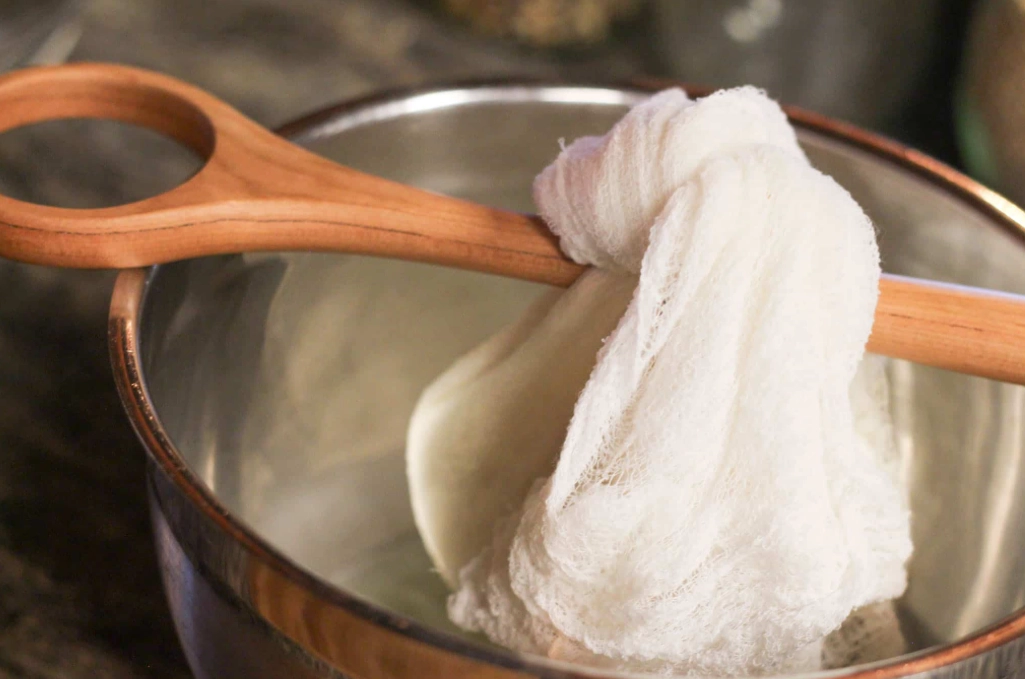
Your Cheesecloth Washing Questions, Answered
Can I wash cheesecloth used for straining nut milk with one used for chicken broth?
I strongly advise against it, even if both are cleaned thoroughly. The risk of cross-contamination and flavor transfer is too high. Designate separate cloths for specific categories: one for dairy/plant milks, one for savory broths/stock, one for bundling herbs. Label them with a stitch of colored thread in the corner.
My cheesecloth turned gray and smells musty after storage. Can I save it?
Maybe. Mustiness usually means mildew. Soak it in a solution of 1 part white vinegar to 4 parts cold water for an hour. Then wash thoroughly as per the guide. For gray discoloration, a soak in a diluted oxygen-based bleach (follow product instructions) can help. If the smell persists after washing and drying, the mold has likely penetrated the fibers. For food safety, it's best to downgrade it to garage or garden use.
 Is it okay to wash cheesecloth with other kitchen linens?
During the hand wash stage, no. Cheesecloth sheds lint and picks up lint easily. Wash it alone. The only exception is if you're using a mesh laundry bag for delicates—you could put the cheesecloth inside and machine wash on cold/gentle with similar-color kitchen towels. But I still find hand washing gives more control and better results.
How do I know when it's finally time to throw a cheesecloth away?
Look for these signs: The weave has become so tight it no longer strains properly, or so loose that fine particles pass through. There are multiple small holes or tears. It has a permanent, unpleasant odor that won't wash out. It's become stiff and rough despite proper washing. Once it hits any of these points, its life as a food-grade tool is over.
What's the best way to pre-wash new cheesecloth before first use?
class="item-answer">This is critical. New cheesecloth often has starch, dust, and manufacturing residues. Wash it exactly as outlined in the step-by-step guide (hand wash with mild soap, rinse thoroughly) before its first culinary use. This removes any impurities and softens the fibers, making it more absorbent and ready for action.