Let's be honest. Washing the shower curtain is one of those chores that slips through the cracks until the pink mildew stains become impossible to ignore or the plastic feels slimy to the touch. Most people just buy a new one. I used to do that too, until I realized I was throwing away money every few months. The good news? Washing a shower curtain is incredibly simple, fast, and can extend its life for years. The trick is knowing the right method for your specific curtain material. Getting it wrong can ruin it. I learned that the hard way when I melted a vinyl liner in a hot wash.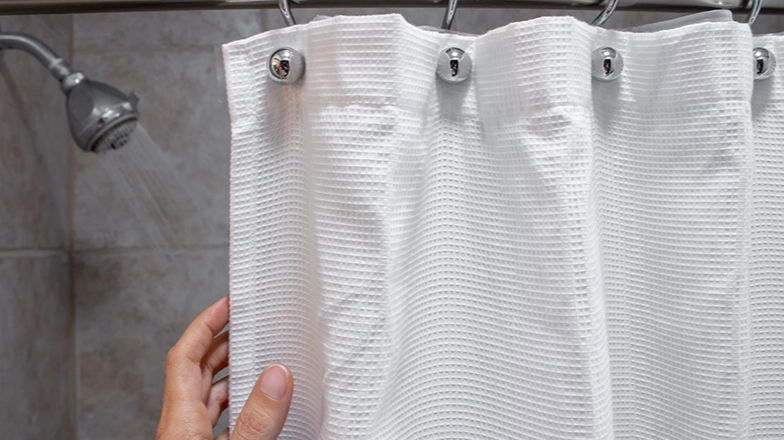
What You'll Find in This Guide
- Why You Should Wash Your Shower Curtain (It's Not Just About Looks)
- First Step: Identify Your Shower Curtain Material
- How to Wash a Shower Curtain in the Washing Machine
- How to Hand Wash a Shower Curtain
- The Ultimate Battle: Removing Stubborn Mold and Mildew
- How to Dry Your Shower Curtain and Prevent Future Mold
- Your Shower Curtain Cleaning Questions, Answered
Why You Should Wash Your Shower Curtain (It's Not Just About Looks)
Sure, a clean curtain looks better. But there's more to it. That film of soap scum and body oils is a buffet for mold and bacteria. The warm, damp environment of your bathroom is the perfect breeding ground. Every time you shower, you're potentially spraying microscopic mold spores into the air. For people with allergies or respiratory issues, this can trigger problems. The Centers for Disease Control and Prevention (CDC) notes that mold exposure can cause stuffy noses, wheezing, and skin irritation.
Washing your curtain regularly breaks this cycle. It removes the organic matter mold feeds on. It's a basic part of bathroom hygiene that most cleaning routines miss.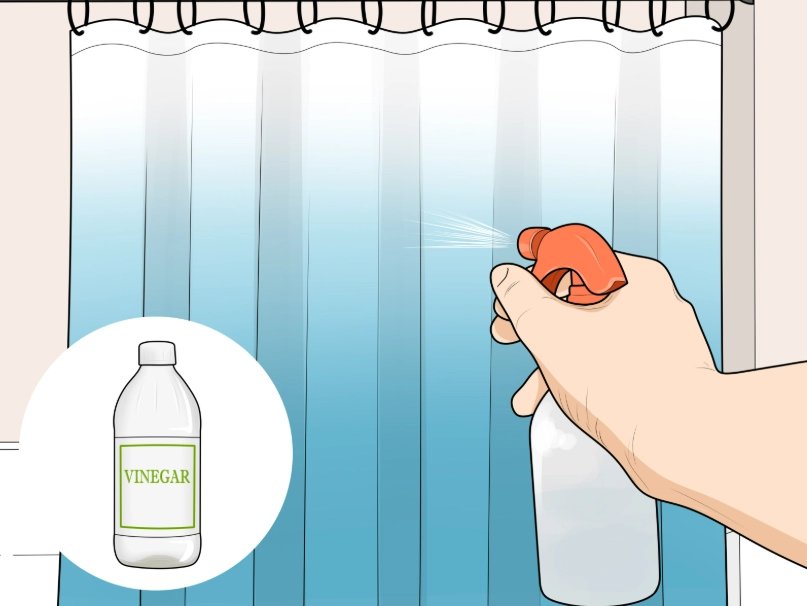
First Step: Identify Your Shower Curtain Material
This is the most critical step. Using the wrong cleaning method can shrink, warp, or melt your curtain. Check the tag if there is one. If not, here's a quick guide:
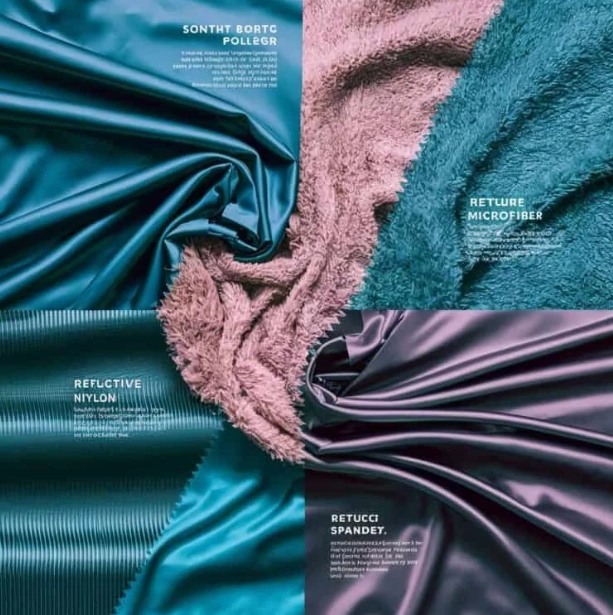
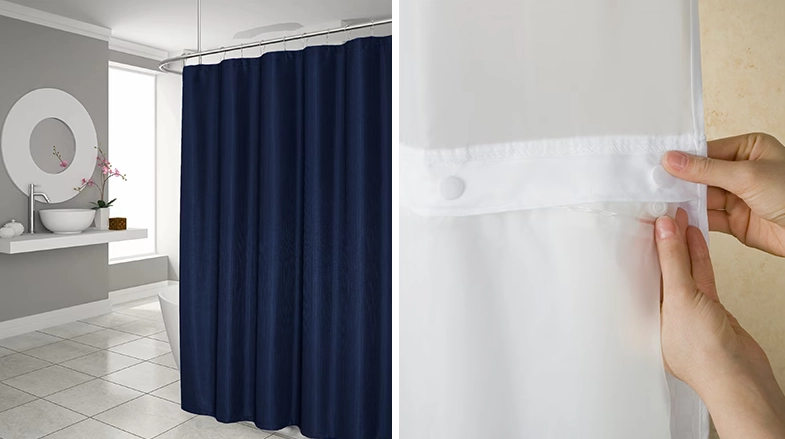
- Polyester or Nylon Fabric: Feels like cloth, often decorative. Usually machine washable.
- Vinyl or Plastic (PEVA/EVA): The most common liner. Flexible, clear or colored plastic. Can be machine washed on gentle/cold.
- Fabric with Waterproof Backing: Looks like fabric on the inside, has a rubbery or coated feel on the back. Requires extra care—often hand wash only.
When in doubt, treat it as delicate and opt for hand washing. It's safer.
How to Wash a Shower Curtain in the Washing Machine
This is the easiest method for most plastic, vinyl, and sturdy fabric curtains. I do this monthly.
What You'll Need:
- Your shower curtain (remove hooks and rings)
- 1/2 cup of distilled white vinegar OR a mild detergent
- 1/2 cup of baking soda (optional, for extra deodorizing)
- 2-3 old towels or a couple of bath mats
The Step-by-Step Process:
- Pre-treat stains. Spot-treat any obvious mold or mildew spots with a paste of baking soda and water. Let it sit for 10 minutes.
- Load the machine. Put the curtain and the old towels into the washing machine. The towels act as agitators, scrubbing the curtain gently without it clumping up. This is the pro tip most people skip.
- Add cleaners. Pour the vinegar (or detergent) and baking soda directly into the drum, not the dispenser. Vinegar is a natural disinfectant and deodorizer that cuts through soap scum brilliantly.
- Select the cycle. Use the Gentle/Cold cycle. I ruined a perfectly good liner this way.
- Start the wash. Let it run. That's it.
How to Hand Wash a Shower Curtain
Use this for delicate fabrics, curtains with grommets that might snag, or if you simply don't want to use the machine. It's more work, but you have total control.
- Fill your tub. Plug the drain and fill the bathtub with warm (not hot) water.
- Make a cleaning bath. Add 1 cup of white vinegar and 1/2 cup of baking soda. It will fizz—that's normal. Swirl it around.
- Soak the curtain. Submerge the curtain fully. Use your hands to swish it around, ensuring the solution gets into every fold. Let it soak for at least 30 minutes, or up to 2 hours for tough grime.
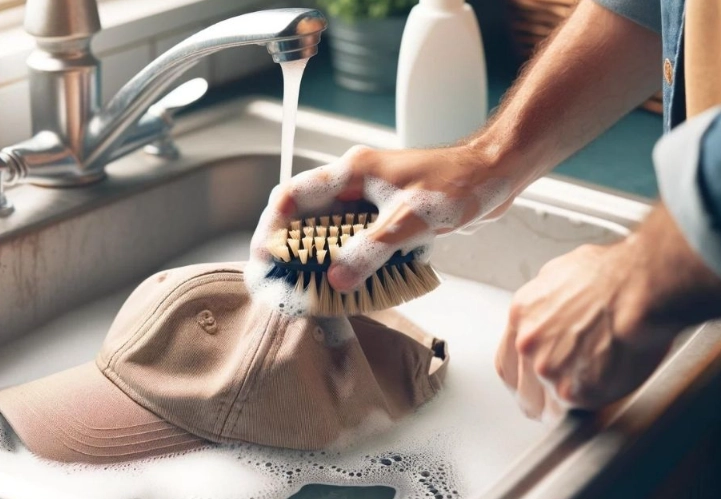
- Scrub gently. After soaking, use a soft sponge or microfiber cloth to wipe down both sides of the curtain. Pay extra attention to the bottom hem and any visible mildew spots.
- Drain and rinse. Drain the dirty water. Refill the tub with clean, cool water and rinse the curtain thoroughly until all vinegar smell and suds are gone. This is key to prevent residue.
The Ultimate Battle: Removing Stubborn Mold and Mildew
For those black or pink speckles that seem baked on, you need a stronger approach. Bleach is the nuclear option, but it degrades plastic over time and is harsh. I prefer oxygen-based bleach (like OxiClean) or a targeted natural solution.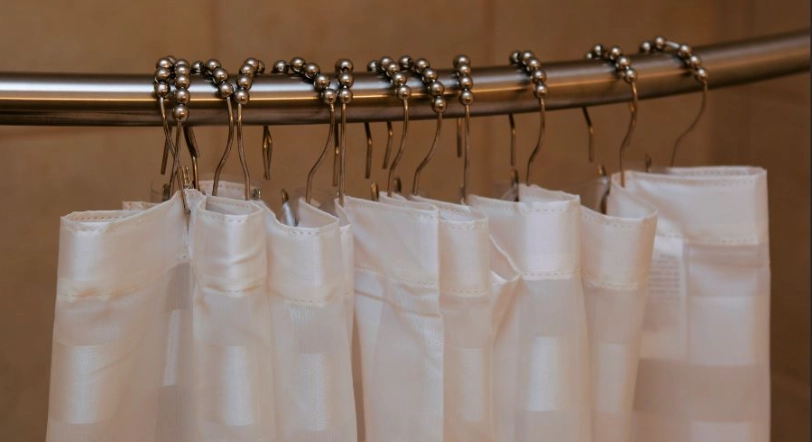
For a Severe Mildew Problem: Create a paste of oxygen-based bleach powder and just enough water to make it spreadable. Wearing gloves, apply this paste thickly to the mildewed areas, especially along the hem. Let it sit for 1-2 hours. Then, wash the curtain as usual (machine or hand). The oxygen bleach lifts stains without the damaging effects of chlorine.
The Daily Shower Spray Trick: After every shower, keep a spray bottle with a 50/50 mix of water and white vinegar in the bathroom. Give the curtain a quick spritz. This changes the pH on the surface, making it much harder for mold to take hold. It's the single most effective habit for prevention.
How to Dry Your Shower Curtain and Prevent Future Mold
Drying is just as important as washing. A damp curtain hung back up will be moldy again in days.
- Machine Dry (with caution): Only for fabric curtains. Use the air fluff or no-heat setting for 10-15 minutes just to remove the heavy dampness. Never apply heat to plastic or vinyl liners.
- Air Dry: This is the best method for all types. Hang the curtain back on its rod, but spread it out. Don't bunch it up. Open a window or turn on the bathroom fan to maximize airflow. It should be completely dry within a few hours.
- Towel Dry: For a faster air dry, pat the curtain down with a dry towel before hanging it. This soaks up the majority of the water.
To keep it clean longer, make sure your bathroom is well-ventilated. Wipe down the curtain with a squeegee after you shower if you see water droplets forming. It takes 10 seconds and makes a huge difference.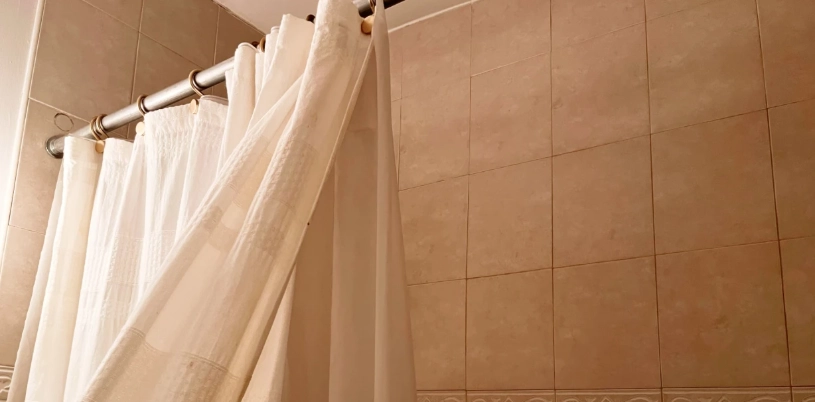
| Method | Best For | Key Tip | Time Required |
|---|---|---|---|
| Washing Machine | Vinyl, Plastic, Sturdy Fabric Liners | Add old towels to the load to prevent clumping. | ~1 hour |
| Hand Wash (Tub) | Delicate Fabrics, All Types | Soak in vinegar/baking soda solution for deep cleaning. | 1.5 - 2.5 hours |
| Spot Clean | Minor Stains, Maintenance | Use a paste of baking soda & water on mildew spots. | 15 minutes |
Your Shower Curtain Cleaning Questions, Answered
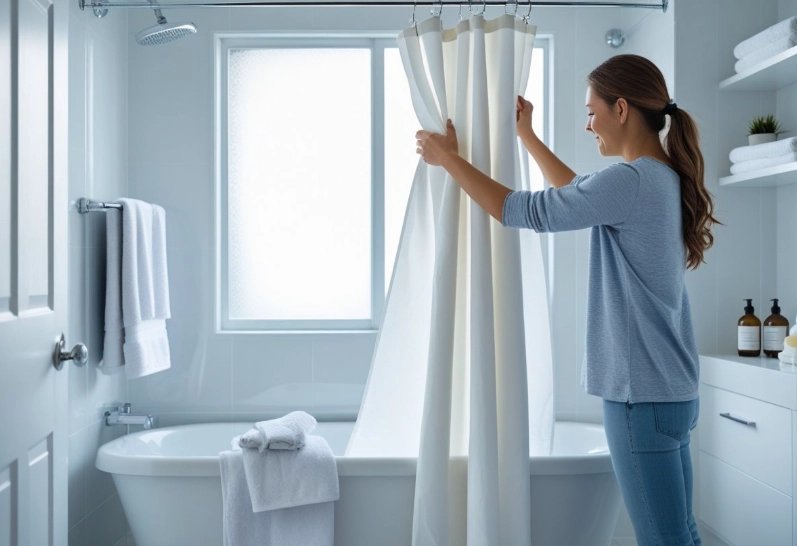 This is common with vinyl. Heat is the enemy here. Never use an iron or hair dryer. Hang the curtain immediately after washing while it's still slightly damp. The weight of the water will help pull the wrinkles out as it air dries. For stubborn folds, you can gently smooth them with your hands while it's hanging.
The bottom line is this: washing your shower curtain isn't a mysterious or difficult task. It's a simple maintenance job that pays off in a cleaner, healthier bathroom and saves you money. Start with the right method for your material, be gentle with heat, and make drying a priority. That post-clean feeling of hanging up a fresh, crisp curtain? Totally worth the small effort.