Let's get straight to it: there's no single "best" fabric for all clothes. I've been working with textiles for over a decade, and the truth is, the ideal material depends on what you're wearing it for, your skin type, the climate, and even how often you want to wash it. Most people pick fabrics based on price or looks, then end up with clothes that pill, shrink, or feel uncomfortable. This guide will help you avoid those mistakes.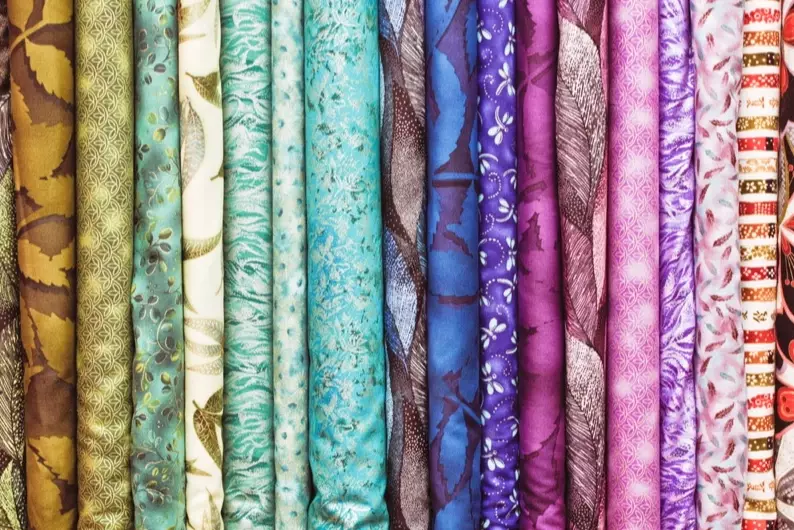
What You'll Find Inside
Why Fabric Choice Matters More Than You Think
Fabric isn't just about feel—it affects durability, comfort, and even your health. I remember buying a cheap polyester shirt for a summer trip. It looked great, but after a few hours, I was sweating buckets and it started smelling funky. That's because polyester traps moisture. On the other hand, a well-made cotton tee might cost more upfront, but it lasts years if cared for properly.
Think about it: clothes are an investment. According to the Textile Exchange, choosing sustainable fabrics can reduce environmental impact, but many folks ignore this. Your fabric choice also impacts skin sensitivity; some materials like wool can irritate, while bamboo is gentler.
The Top 5 Fabrics for Everyday Clothes
Based on my experience, here are the top performers. I've ranked them for balance of comfort, durability, and ease of care.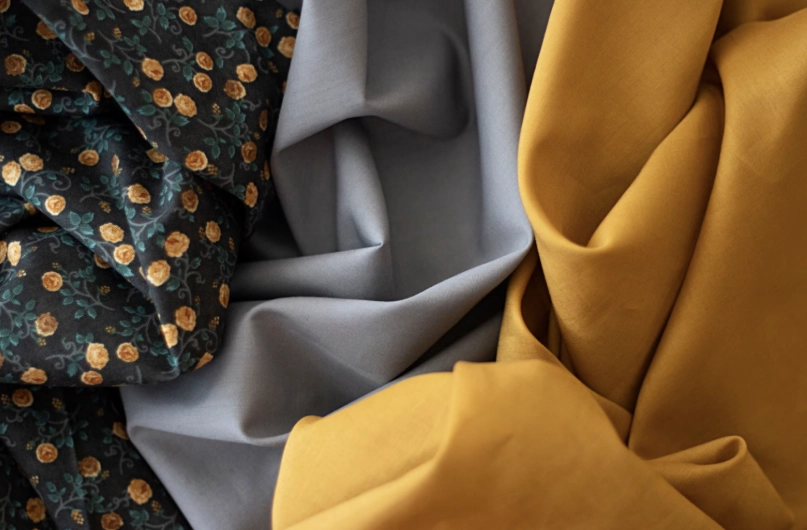
| Fabric | Best For | Pros | Cons | Price Range (per yard) |
|---|---|---|---|---|
| Cotton | Daily wear, hot weather | Breathable, soft, easy to dye | Shrinks if not pre-washed, wrinkles easily | $5 - $15 |
| Linen | Summer outfits, casual looks | Highly breathable, natural texture | Wrinkles a lot, can be stiff | $10 - $25 |
| Wool | Winter wear, formal attire | Warm, moisture-wicking, durable | Can itch, requires special care | $20 - $50 |
| Polyester | Activewear, budget options | Wrinkle-resistant, quick-drying | Not breathable, can pill over time | $3 - $10 |
| Silk | Luxury items, evening wear | Smooth, lightweight, hypoallergenic | Expensive, delicate, stains easily | $30 - $100 |
Notice how each has trade-offs. Cotton is great, but that shrinkage issue? I've ruined a few shirts by tossing them in the dryer without reading the label. Always check care instructions.
Cotton: The All-Rounder
Cotton comes in varieties like organic cotton (better for the environment) and Pima cotton (softer). For daily tees, go for 100% cotton—it breathes well. But avoid cheap blends with too much polyester; they feel scratchy.
Linen: The Summer Hero
Linen is perfect for humid climates. Yes, it wrinkles, but that's part of the charm. A linen shirt can last decades if you air-dry it. I have one from 10 years ago that still looks good.
Wool: Not Just for Sweaters
Merino wool is a game-changer—it's soft and doesn't itch. Great for travel because it resists odors. I wore a merino wool base layer on a hiking trip, and it stayed fresh for days.
How to Match Fabric to Your Lifestyle
Don't just pick fabric based on trends. Think about your daily routine. Here's a quick guide.
For office wear: Blends work best. A cotton-polyester mix (like 60-40) resists wrinkles and stays crisp. Avoid pure linen unless your office is casual—it'll look messy by noon.
For workouts: Synthetic fabrics like polyester or nylon are top choices because they wick sweat. But look for moisture-wicking versions; some cheap ones just trap heat. I made that mistake with a budget gym shirt—it felt like a plastic bag.
For sensitive skin: Natural fabrics like organic cotton or bamboo are safer. Bamboo is underrated—it's silky and anti-bacterial. A client with eczema swears by it.
For travel: Merino wool or technical synthetics. They pack light, dry fast, and don't smell. I traveled for two weeks with just three merino wool tops—washed them in sinks, and they air-dried overnight.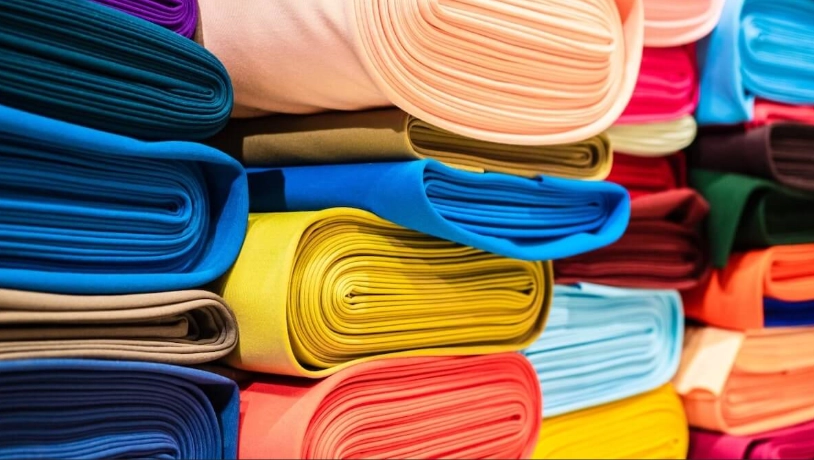
Pro tip: Always feel the fabric before buying. If shopping online, check reviews for comments on texture. A "soft" label can be misleading—some polyesters feel soft initially but degrade after washes.
Common Fabric Myths Debunked
Let's clear up some misconceptions I see all the time.
Myth 1: Natural fabrics are always better. Not true. Silk is natural but stains easily, and cotton can be resource-intensive. Synthetic fabrics have improved; some recycled polyesters are eco-friendly and perform well. The American Society for Testing and Materials notes that fabric performance depends on weave and treatment, not just fiber source.
Myth 2: Higher thread count means better quality. Only for certain fabrics like cotton. For synthetics, thread count is less relevant. Focus on fabric weight (GSM—grams per square meter). A heavier cotton (e.g., 200 GSM) is more durable for jeans.
Myth 3: All wool is itchy. This is a big one. Itchiness comes from coarse fibers. Merino or cashmere wool is fine and comfortable. I used to avoid wool until I tried a merino blend—now it's my go-to for winter.
Myth 4: Polyester is always cheap and bad. Modern polyester can be breathable if engineered with moisture-wicking tech. It's great for activewear. But yes, the cheap stuff feels plasticky—you get what you pay for.
Caring for Your Clothes: Fabric-Specific Tips
Proper care extends fabric life. Here are essentials.
Cotton: Wash in cold water to prevent shrinkage. Tumble dry low, or air-dry to avoid wrinkles. I pre-wash cotton fabrics before sewing—saves headaches later.
Linen: Hand wash or gentle cycle. Never use high heat—it weakens fibers. Iron while damp for best results.
Wool: Dry clean or hand wash with wool-specific detergent. Lay flat to dry; hanging can stretch it out. I ruined a wool sweater by machine-washing—it shrank to kid size.
Polyester: Machine wash cool. Avoid high heat in dryers—it can melt fibers. Use a fabric softener sparingly; it can reduce moisture-wicking ability.
Silk: Dry clean or hand wash gently. Never wring it out—roll in a towel to absorb water. Store in a cool, dry place to prevent yellowing.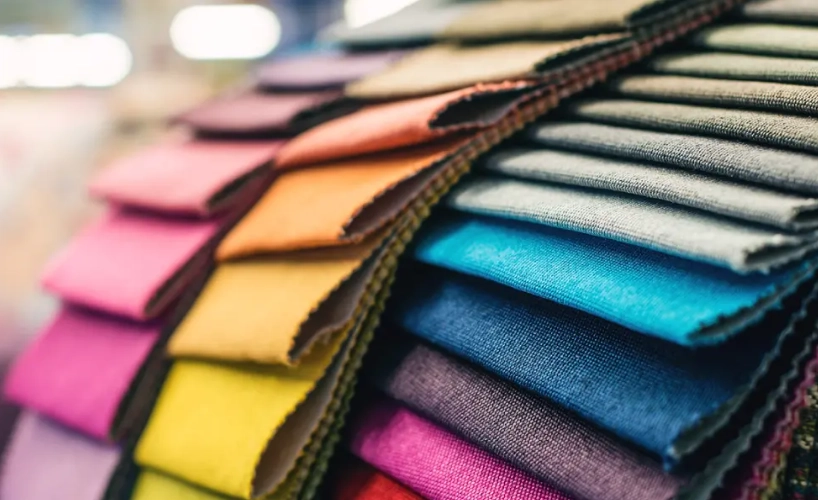
Frequently Asked Questions
 Choosing the right fabric boils down to understanding your needs. Don't fall for marketing hype—test fabrics when possible, and invest in quality pieces that last. If you're unsure, start with cotton or blends for versatility. Over time, you'll develop a sense for what works best for you.