Let's be honest. That beloved teddy bear or worn-out bunny isn't just a toy; it's a memory capsule. My daughter's first stuffed elephant, "Ellie," has survived toddler snacks, park adventures, and even a dubious encounter with grape juice. Throwing it in the wash without a second thought felt like gambling with a family heirloom. After years of trial, error, and one unfortunate incident with a vintage Steiff bear (RIP), I've learned that washing a stuffed animal isn't one-size-fits-all. It's a careful balance between hygiene and preservation.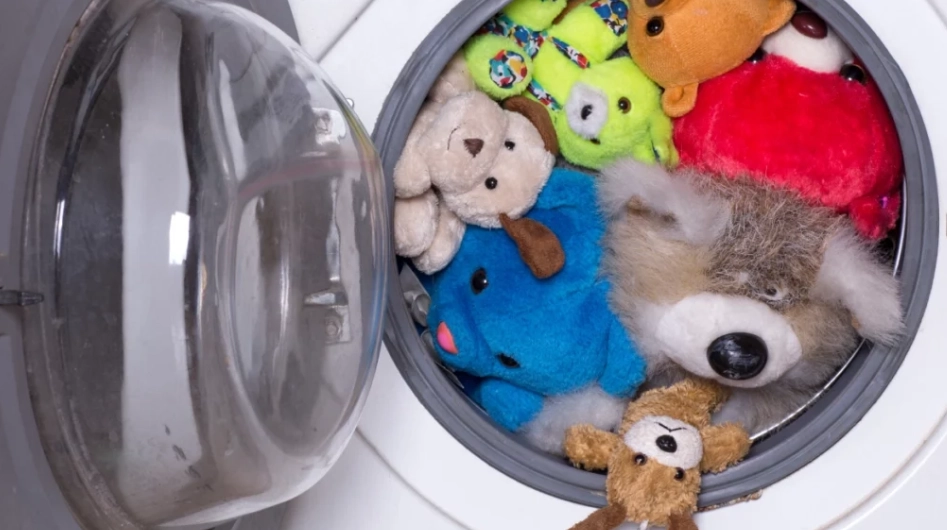
This guide cuts through the generic advice. We'll go beyond "check the label" (though we will) and dive into the why behind each step, helping you make informed decisions for your specific plush friend.
Your Quick Wash Guide
The 5-Minute Pre-Wash Checklist: Don't Skip This
This is where most people mess up. They see a stain and head straight for the sink. Stop. Spend five minutes here and save yourself heartache.
First, the tag hunt. Find the care label, usually on a seam. If it says "surface clean only" or has an "X" over water, listen. It likely has materials that can't handle immersion, like certain glues or low-quality stuffing. No tag? Proceed with extreme caution, starting with a spot test.
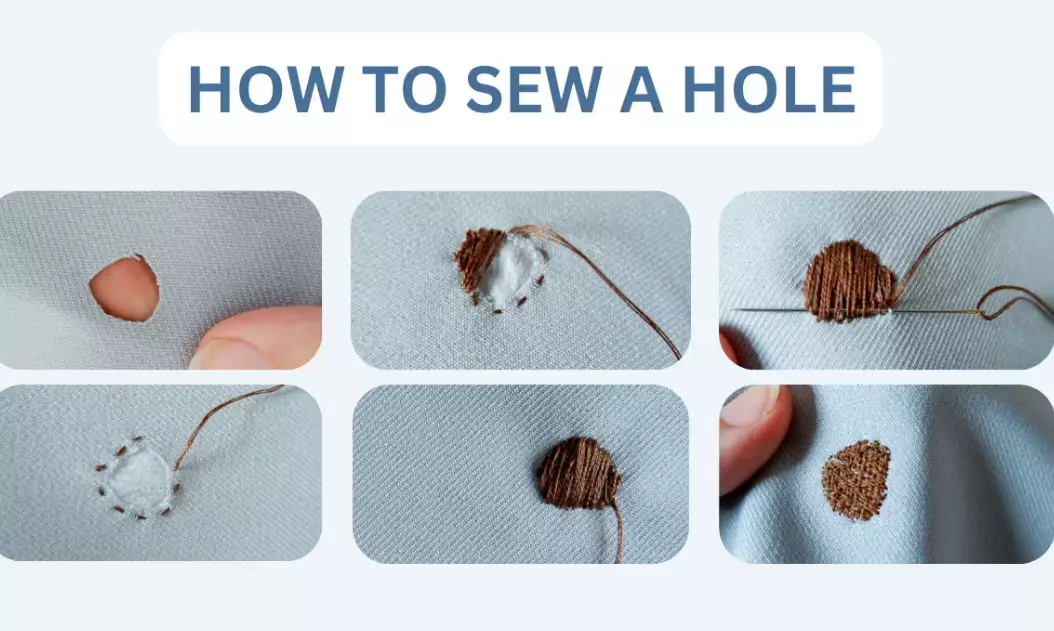
Conduct a structural integrity check. Gently squeeze the toy. Are there loose seams, holes, or detached parts (eyes, nose, ribbons)? Sew them up first. A small hole in the wash becomes a massive stuffing explosion. Trust me, fishing polyester fill out of a washer drum is no one's idea of fun.
Identify the enemy (the stain). Is it mud, food, ink, or mystery gunk? For oil-based stains (grease, butter), a pre-treatment with a dab of dish soap can work wonders before the main wash. For organic stains (spit-up, food), an enzyme-based pre-wash spray is your best friend.
What's inside matters most. This is the non-consensus part everyone misses. The stuffing type dictates your entire strategy. Most modern toys use polyester fiberfill, which is generally washable. But older or cheaper toys might use foam beads, cotton batting, or even sawdust (!). If the toy feels lumpy, crunchy, or unusually heavy, assume it's a hand-wash-only candidate. Immersion can disintegrate certain old fillings.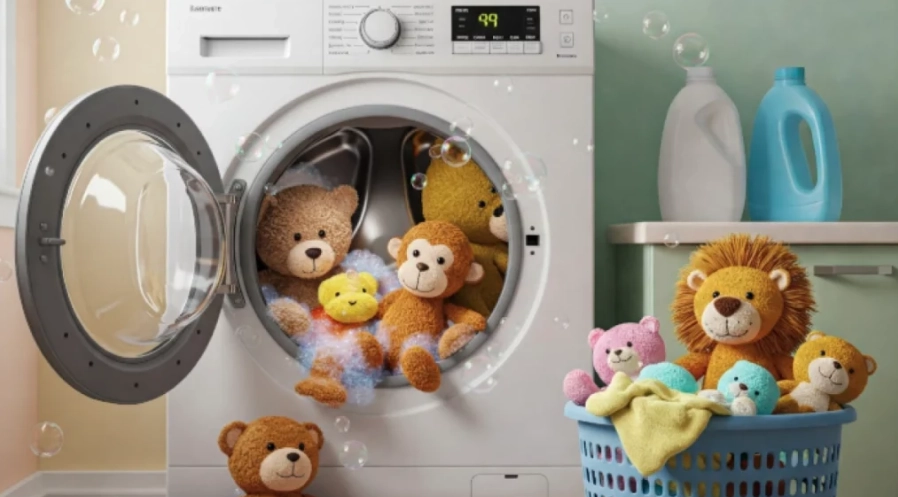
How to Hand Wash a Stuffed Animal Step-by-Step
This is the safest method for most toys, especially delicate, older, or "doubtful" ones. You need a basin, lukewarm water, and a gentle detergent (like Woolite, baby shampoo, or a dedicated delicates wash).
- Fill & Mix: Fill a clean sink or basin with lukewarm water. Hot water can set stains and damage fibers. Add a small amount of detergent and swish to dissolve.
- Submerge & Soak: Submerge the toy. Gently press it to saturate the core. Let it soak for 15-30 minutes. Don't agitate or scrub harshly—this can felt the fur or distort the shape.
- The Gentle Agitation: After soaking, very gently press and squeeze the soapy water through the toy. Focus on stained areas with a soft-bristled toothbrush, brushing in the direction of the fur/nap.
- The Great Rinse: This is crucial. Drain the soapy water. Refill the basin with clean, cool water. Submerge the toy and press repeatedly to rinse out soap. Repeat until the water runs completely clear. Soap residue attracts dirt and can irritate skin.
- The Initial Squeeze: Do not wring! Gently press the toy against the side of the basin to remove excess water. Then, roll it in a thick, absorbent bath towel. Press down firmly to "blot" out more moisture.
When and How to Machine Wash Stuffed Toys
Machine washing is for sturdy, modern, clearly machine-washable toys. It's a risk, but a calculated one for toys that get daily love.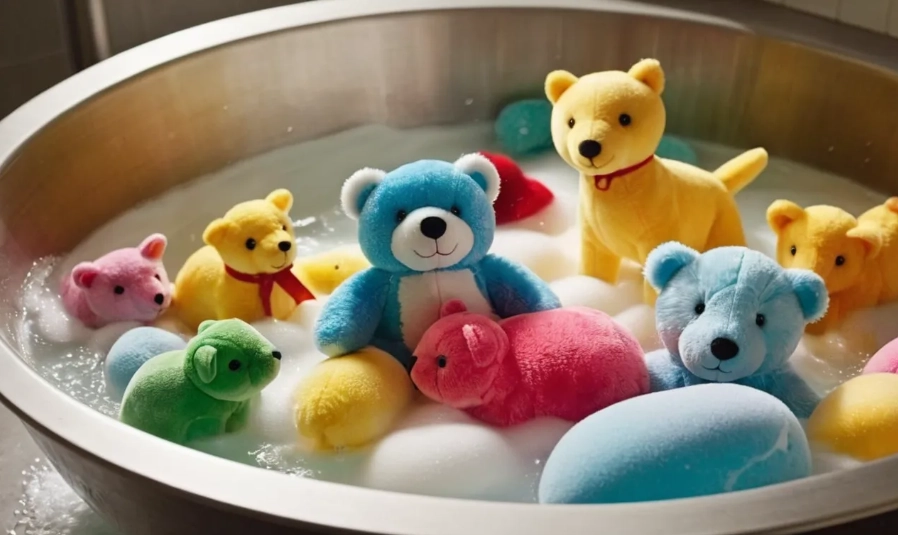
Preparation is everything. Place the toy inside a zippered pillowcase or a mesh laundry bag. This protects eyes and seams from snagging and contains any potential stuffing leaks. For extra protection with multiple toys, some people use a pillowcase tied with a hair tie.
Settings are key. Use the gentle/delicate cycle with COLD water. Hot water is a disaster—it can melt glues, cause colors to run, and shrink fabrics. Add a mild detergent. Avoid fabric softener; it can coat fibers and reduce fluffiness.
What about other toys? Wash similar colors and fabrics together. A rough denim jacket in the same load can abrade the plush surface.
| Scenario | Recommended Method | Key Reason |
|---|---|---|
| Everyday, modern toy (Polyester fill) | Machine Wash (Gentle/Cold) | Efficient and safe for durable materials. |
| Delicate, older, or no-label toy | Hand Wash | Maximum control over water and agitation. |
| Toy with small stains only | Spot Clean | Minimizes overall wear and tear. |
| Toy with electronics/music box | Surface Clean ONLY | Water will destroy internal components. |
The Critical Drying Phase: Avoiding Clumps and Mold
Drying is where toys are often ruined. Impatience leads to clumpy stuffing or, worse, mildew growing inside.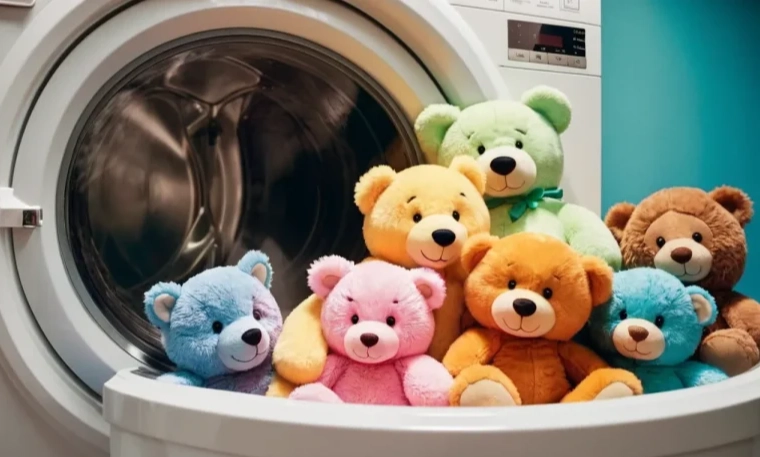
Air Drying: The Gold Standard
Lay the toy flat on a dry towel in a well-ventilated area, away from direct heat or sunlight (which can fade colors). Flip it every few hours. This can take 24-72 hours for a fully saturated toy. To help fluff the filling as it dries, gently break up any clumps through the fabric with your fingers every few hours.
Using a Dryer (The Risky Shortcut)
Only attempt this if the toy is very sturdy and was machine-washed. Use NO HEAT or the absolute lowest heat setting (air fluff). Toss in a couple of clean, dry towels to help absorb moisture and buffer the tumbling. Check every 10 minutes. The heat can melt fibers, cause seams to split, or make plastic eyes dangerously hot.
My personal rule? I never use a dryer for a toy I truly care about. The risk isn't worth the time saved. The slow, gentle air dry preserves the toy's spirit—its shape and softness.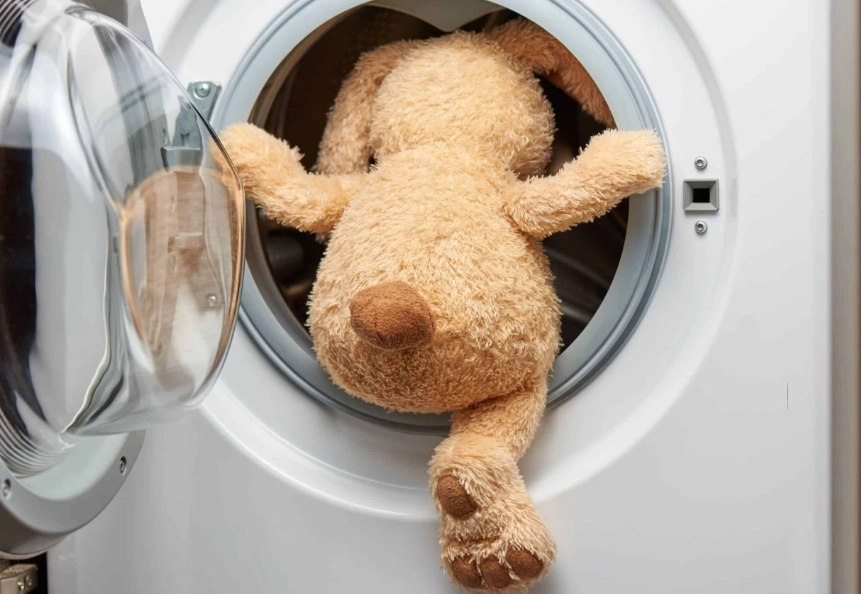
Tackling Tough Cases: Electronics, Music Boxes & Antiques
These require a completely different playbook.
Toys with sound boxes or electronics: Washing is NOT an option. You'll have to surface clean. Use a slightly damp cloth with a bit of mild soap to wipe the exterior, avoiding seams where water could seep in. For deeper cleaning, some people carefully open a seam, remove the electronic unit, wash the "skin," and then restitch. That's advanced surgery—not for the faint of heart.
Very old or antique stuffed animals: Their fabrics and stuffings are often fragile. Vacuuming gently with a brush attachment can remove surface dust. For stains, consult a textile conservator. A common museum technique for light cleaning is using a special eraser (like a grated vinyl eraser) to gently lift dirt from the surface—but test on an inconspicuous area first.
Allergens and dust mites: If the goal is allergen reduction, washing in hot water (130°F/54°C+) is what kills dust mites, but most plush toys can't handle that. A compromise? After a normal wash and dry, place the toy in a plastic bag and freeze it for 24 hours. This won't remove allergens, but it will kill mites. Then, give it a quick vacuum or shake outside.
Your Stuffed Animal Wash Questions Answered
Can I use baking soda or vinegar to wash stuffed animals?
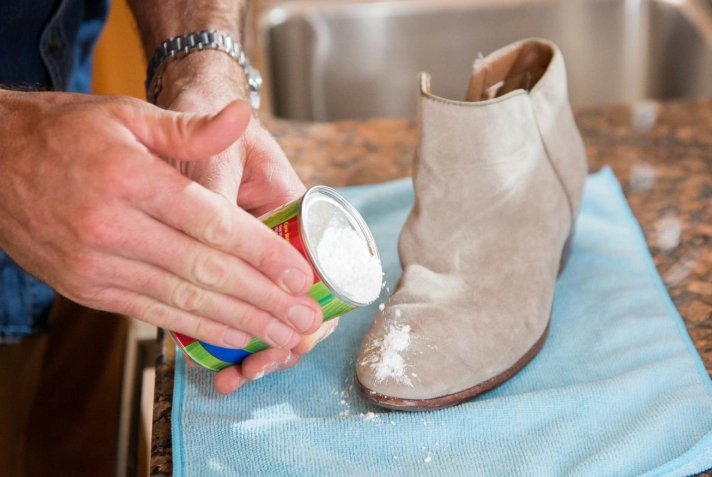
Baking soda is great as a deodorizer. You can sprinkle it on, let it sit for 15 minutes, then brush/vacuum it off before washing. White vinegar (added to the rinse cycle) can help neutralize soap residue and soften fabrics naturally. Use about 1/2 cup in the final rinse. Never mix vinegar and bleach.
How do I fix a stuffed animal that went stiff and lumpy after washing?
This usually means the stuffing clumped while wet. While it's still slightly damp, gently massage and knead the toy to break apart the clumps. If it's already dry, the only fix is often surgical: carefully open a seam, remove the old clumped stuffing, fluff it by hand or replace it with new polyester fiberfill, and restitch. It's a project, but it can bring a toy back to life.
 What's the best way to clean a white stuffed animal that has turned yellow or gray?
Discoloration is tough. For general graying, a good wash often helps. For yellowing, which can be due to age, nicotine, or oxidized fibers, it's trickier. You can try a soak in a solution of oxygen-based bleach (like OxiClean) and cool water, following product instructions. Always spot-test first. For antique yellowing, bleaching may damage fibers, so it's often best left as a "patina."
My kid's lovey needs weekly washing. How can I prevent wear and tear?
This is a real dilemma. First, buy a duplicate for rotation if possible. For the main lovey, stick strictly to gentle hand washing or a delicate machine cycle in a bag. Air dry only. Consider using a toy-safe fabric protector spray after washing to help repel future stains. And sometimes, a quick spot clean with a baby wipe is enough between major washes to extend its life.
Is it safe to put a stuffed animal in the washing machine with regular laundry?
I don't recommend it. Zippers, buttons, and rough fabrics from clothes can snag and pull the plush. The agitation and spin cycles for regular laundry are much harsher than the delicate cycle. Always wash stuffed animals separately or with other gentle items like towels (which provide cushioning).
The goal isn't a sterile, brand-new toy. It's a clean, safe, and well-loved companion that retains its character. Take your time, respect the materials, and you'll preserve those cuddles for years to come. Now go rescue that grubby bunny from the bottom of the toy box—you've got this.