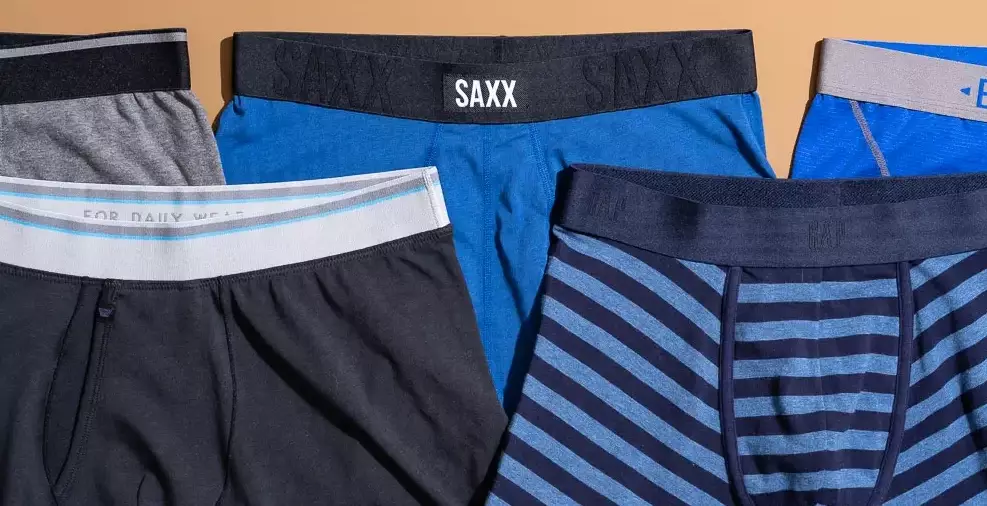
Let's cut to the chase: there is no single "best" fabric for underwear. Anyone telling you otherwise is oversimplifying. The right choice lives at the intersection of your body, your lifestyle, and your personal quirks. Is it for lounging, running, or surviving a stressful workday? Do you run hot or have sensitive skin? I've spent years testing materials, from cheap packs to luxury brands, and I've learned that the wrong fabric isn't just uncomfortable—it can affect your skin health and confidence all day.
The real answer is a spectrum. We'll break down each major player, from trusted cotton to high-tech synthetics and silky plant-based fabrics. By the end, you'll know exactly which material belongs in your drawer.
What You'll Learn in This Guide
Natural Fibers: Cotton, Bamboo & Beyond
These are the classics, derived from plants. They're generally breathable and skin-friendly, but they're not all created equal.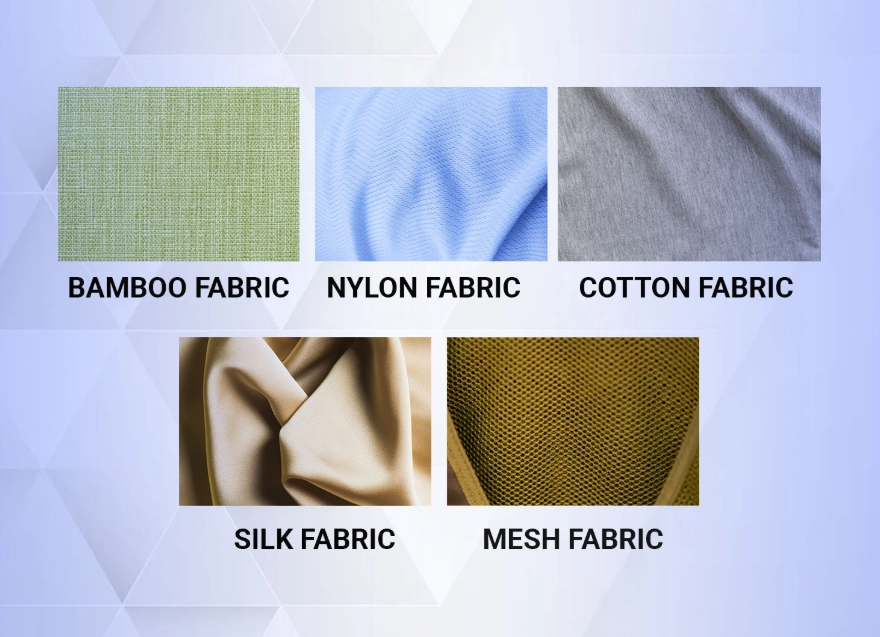
Cotton: The Familiar Friend (With Hidden Flaws)
Cotton is the default for a reason. It's soft, absorbent, and widely available. But here's the catch most people miss: standard, short-staple cotton is mediocre. It pills, loses shape, and holds onto moisture like a sponge. If you've ever finished a workout in cotton underwear feeling damp and chafed, you know the problem.
The upgrade path is clear: look for long-staple or extra-long staple cotton. Pima and Supima (a branded, American-grown Pima) are the gold standards. The fibers are longer, resulting in a fabric that's significantly softer, stronger, and more resistant to pilling. It feels luxe from day one and stays that way. The Supima organization provides extensive data on its fiber's durability.
My take? For everyday, low-impact wear, a good quality cotton (like Pima) is a safe, comfortable bet. For anything involving sweat, look elsewhere.
Modal, Tencel (Lyocell), & Bamboo: The Plant-Based Upgrade
This is where things get interesting. These are all regenerated cellulose fibers, made by dissolving plant pulp (often beechwood for Modal, eucalyptus for Tencel, bamboo for bamboo) and extruding it into fibers. The process creates a supremely smooth, silky fabric.
Modal (from beechwood) is my personal favorite for daily wear. It's about 50% more absorbent than cotton, unbelievably soft, and drapes beautifully. It breathes well and resists shrinkage. The downside? It can be less durable than cotton if abused in a hot dryer.
Tencel (branded Lyocell) is similar but often cited as the more eco-friendly option due to its closed-loop production process (recycling almost all water and solvents). It has a slightly cooler, drier feel and excellent moisture-wicking. It's a top contender for those who prioritize sustainability without sacrificing performance.
Bamboo has been heavily marketed as a miracle fabric. The reality? The fabric itself (often called "bamboo rayon") is very soft, breathable, and absorbent—similar to Modal. However, the environmental claims are murky. The process to turn tough bamboo into soft fiber is chemically intensive. If you like the feel, go for it, but don't buy it solely for its "green" halo.
Synthetic & Performance Fabrics
Often vilified, synthetics are misunderstood. In the right context, they're unbeatable.
Polyester & Nylon (with strategic blending)
Pure polyester or nylon underwear can feel plasticky and trap odor. The secret is in the blend and construction. Modern performance underwear uses fine, textured microfibers of polyester or nylon, often blended with a small percentage of elastane (like Lycra or Spandex) for stretch.
Their superpower? Moisture-wicking. They pull sweat away from your skin to the fabric's surface where it evaporates quickly. This keeps you dry and reduces chafing during activity. Brands like Under Armour and ExOfficio have built empires on this principle.
The elephant in the room is odor. Synthetics can harbor bacteria. The solution is treatment: look for fabrics with anti-microbial or odor-control technologies (like Polygiene or silver-based treatments) woven in. It's a game-changer.
I avoided synthetics for years, thinking they were "cheap." Then I went on a long hiking trip. My cotton boxers were a soggy, chafed disaster by mile two. A pair of woven polyester blend boxer briefs saved the day. Context is everything.
Merino Wool: The Surprising All-Rounder
Yes, wool underwear. Before you picture a scratchy sweater, know that Merino wool is different. The fibers are incredibly fine and soft. Its genius is temperature regulation—it keeps you warm when it's cool and cool when it's warm. It's naturally odor-resistant (you can wear it for days, seriously) and wicks moisture brilliantly.
The drawbacks? It's more expensive and requires gentler care (usually hand-wash or delicate cycle). It's not the best for high-intensity, sweat-drenching workouts, but for travel, everyday wear in variable climates, or anyone who struggles with odor, it's a revelation.
Side-by-Side Fabric Comparison
| Fabric | Best For | Feel & Comfort | Breathability | Moisture Management | Durability & Care |
|---|---|---|---|---|---|
| Premium Cotton (Pima/Supima) | Everyday comfort, sensitive skin, low-activity days. | Soft, natural, familiar. Gets softer with washes. | Excellent | Absorbent but slow to dry. Holds moisture. | Good. Can shrink/pill if low quality. Machine wash warm. |
| Modal | Daily luxury, superior softness, feeling dry all day. | Exceptionally soft, silky, drapes well. | Very Good | Highly absorbent, dries faster than cotton. | Good. Can lose strength when wet; air dry recommended. |
| Tencel (Lyocell) | Eco-conscious buyers, hot sleepers, smooth feel seekers. | Cool, smooth, luxe. Drier feel than Modal. | Excellent | Excellent wicking and absorption. | Very Good. Stronger than Modal when wet. Often requires gentle care. |
| Performance Polyester/Nylon Blend | Sports, workouts, travel, hot/humid climates. | Lightweight, smooth, compressive (if designed for sport). | Moderate (depends on weave) | Superior. Wicks moisture away fastest. | Excellent. Very resilient, quick-drying. Machine wash cool. |
| Merino Wool (Fine) | Travel, temperature regulation, multi-day wear, odor control. | Soft, lightweight, non-itchy (if high quality). | Outstanding | Excellent wicking, retains warmth even when damp. | Fair. Requires delicate care. Can be prone to moths. |
This table gives you the blueprint. Notice how no single fabric wins every column. That's the point.
How to Choose the Best Underwear Fabric for Your Needs
Stop browsing randomly. Use this decision filter.
For Daily Office & Casual Wear: Your priority is all-day comfort and breathability. Modal or Tencel are my top picks. They feel amazing and manage light moisture from daily life. A good long-staple cotton is a close, often more affordable, second.
For Sports & High-Intensity Activity: Dryness is king. You need wicking. Choose a performance polyester or nylon blend with odor control. Avoid cotton—it will become a heavy, wet, chafing nightmare. I learned this the hard way during spin class.
If You Have Sensitive or Easily Irritated Skin: Avoid rough synthetics and seek out smooth, natural fibers. Oeko-Tex certified Modal or Tencel are fantastic, as they are often processed with fewer harsh chemicals. High-quality, organic cotton is also a safe haven.
For Hot & Humid Climates: Breathability and quick drying are non-negotiable. Lightweight Tencel or a loose-weave, breathable performance synthetic will serve you better than cotton, which stays damp.
If You Value Sustainability: Look for traceability. Tencel with clear Lenzing certification is a leader. Organic cotton (GOTS certified) ensures better farming practices. Recycled polyester (from plastic bottles) is also a growing option in performance wear.
For the "No-Visual" Look Under Thin Clothing: Seamless constructions made from fine nylon or polyester blends are your best bet. They lay flat and disappear.
One more piece of advice from the trenches: buy one pair first. Don't commit to a six-pack of a new material. Wear it for a full day, wash it, see how it holds up. Your body will give you the final answer.