You wake up to a cold, damp patch. Your heart sinks. Whether it's a potty-training toddler, an elderly pet, or an unexpected adult accident, urine on a mattress feels like a domestic disaster. The panic sets in immediately—will it stain? Will the smell never come out? I've been there. Years ago, a sick puppy taught me this lesson the hard way, and I made every mistake in the book before figuring out the right way. Let's cut through the panic and the old wives' tales. Getting pee out of a mattress isn't about magic potions; it's about understanding what urine is and following a precise, physical process. This guide is that process.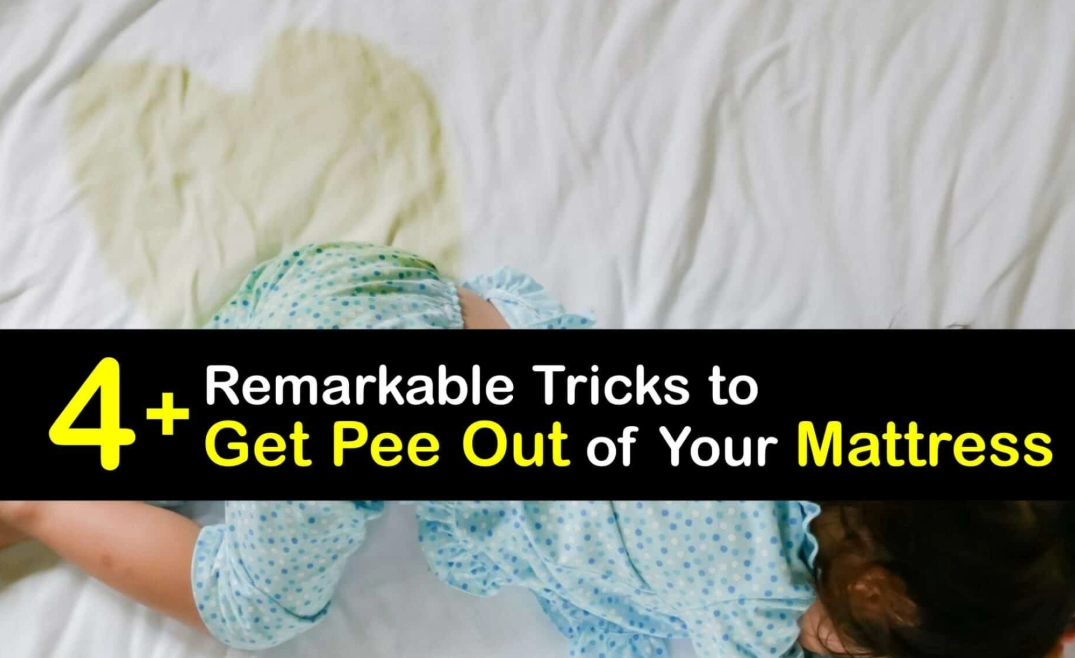
Your Quick Action Plan
Step 1: The Critical First 10 Minutes (Blot, Don't Rub)
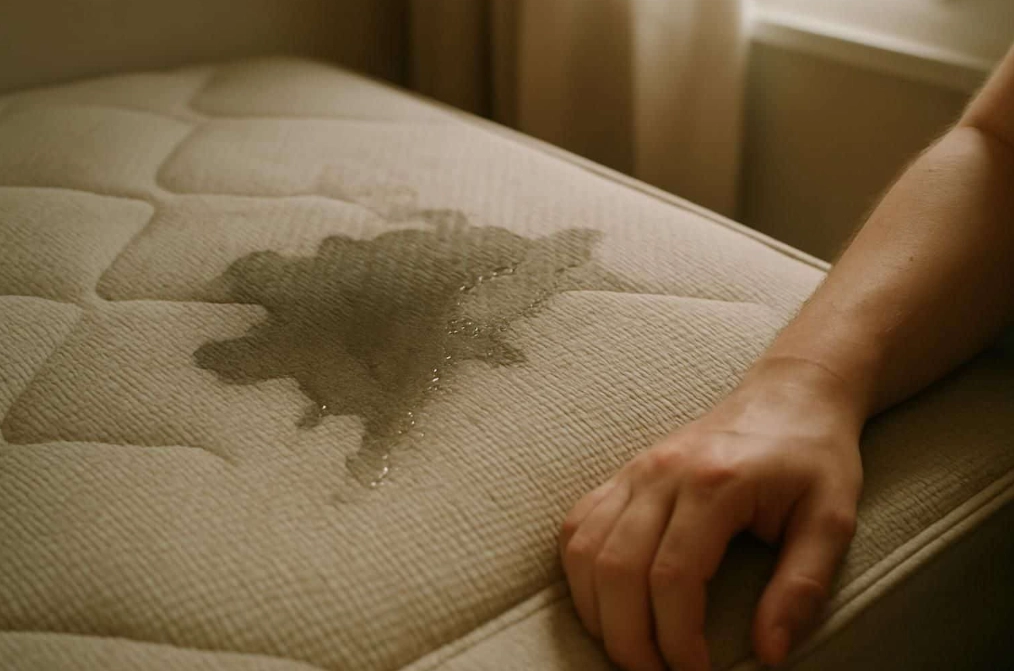
Time is your biggest enemy. Urine starts to soak in and break down immediately. Your goal here isn't to clean yet—it's to remove as much liquid as physically possible before it becomes a deeper problem.
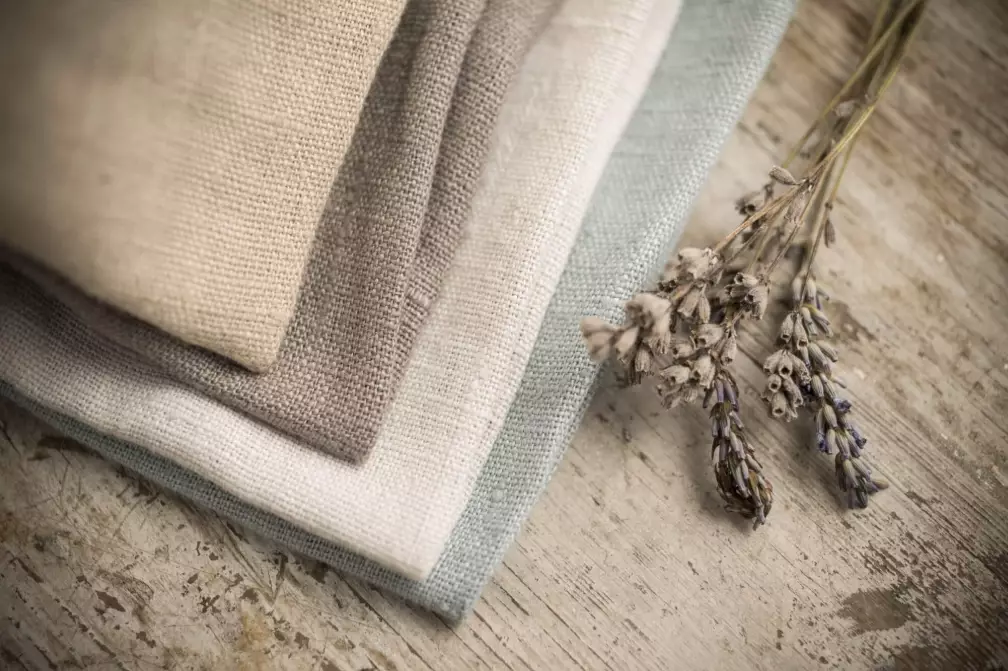
What you need: A stack of clean, absorbent towels (white or light-colored are best), paper towels in a pinch, and a garbage bag.
- Strip the bed immediately. Get all sheets, mattress protectors, and blankets off. Wash them on the hottest setting they can tolerate with an enzymatic detergent.
- Press, don't wipe. This is the most common mistake. Wiping or scrubbing pushes the urine deeper into the mattress layers. Take a dry towel and press down firmly. Hold the pressure for 10-15 seconds to let the towel wick up the moisture. Move to a dry spot on the towel and repeat. Keep going until the towel comes up nearly dry.
- Layer it up. If the spot is large, lay a dry towel over it and stand on it for a minute. Your body weight is excellent for extraction.
Step 2: Choosing Your Cleaning Arsenal
Once the surface liquid is gone, you need a solution to break down the remaining urine components: urea, uric acid crystals, and bacteria. Not all cleaners are created equal here.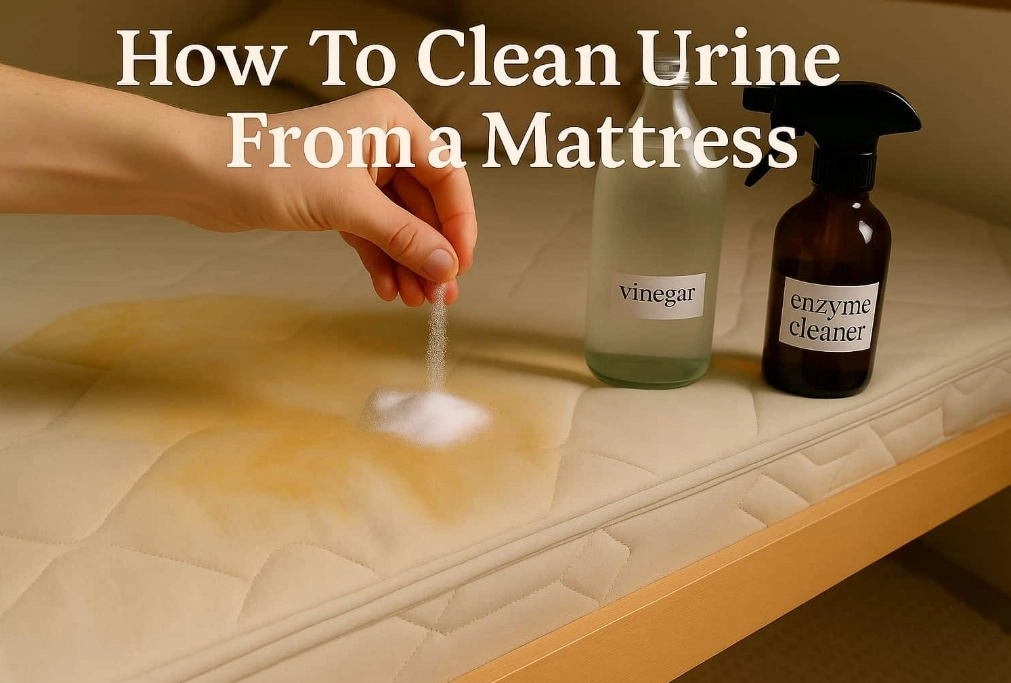
Why Enzymatic Cleaners Are the Gold Standard
Forget vinegar and baking soda for the main clean. They're fine for surface smells but don't tackle the root cause. An enzymatic cleaner contains live bacteria and enzymes that literally digest the organic matter in urine, eliminating the food source for odor-causing bacteria. Brands like Nature's Miracle, Rocco & Roxie, or Biokleen are popular for a reason. They work on a biological level.
DIY Alternatives (And Their Limits)
If you're in a bind, you can mix a solution. But know the trade-offs.
- Hydrogen Peroxide & Dish Soap Mix: 3% hydrogen peroxide mixed with a few drops of clear dish soap in a spray bottle. The peroxide acts as a mild bleach and disinfectant. Test on a hidden corner first as it can have a light bleaching effect.
- Vinegar Solution: A 1:1 mix of white vinegar and cold water. Vinegar is acidic and can neutralize ammonia smells, but it doesn't break down uric acid crystals. It's better as a follow-up rinse than a primary cleaner.
Avoid using straight ammonia or bleach. Ammonia is in urine already, so you're just adding to the problem. Bleach can react with the ammonia in urine to create toxic chloramine gas and will set any remaining stain yellow.
Step 3: The Deep Clean & Rinse Process
Now for the main event. This is a methodical soak-and-extract process.
- Apply your cleaner liberally. Don't just mist the surface. You need to saturate the affected area enough for the solution to penetrate the depth the urine reached. For enzymatic cleaners, follow the bottle's instructions—usually, you let it soak for 5-10 minutes.
- Agitate gently. Use a soft-bristled brush (an old toothbrush works for small spots) or your fingers to work the solution into the mattress fibers. This helps it get deep.
- The crucial rinse step. This is often skipped and leads to sticky residue and reactivated odors. Lightly spray or dab the area with cold water to rinse out the cleaning solution and dissolved urine.
- Extract, extract, extract. Repeat the pressing/blotting process from Step 1 with fresh, dry towels. Get out as much of the cleaning solution and water as you can. Your mattress should feel damp, not soggy.
Step 4: Drying Your Mattress Completely
A damp mattress is a moldy mattress. You must get it 100% dry.
- Airflow is king. Open windows, turn on fans, and point them directly at the spot. A box fan on the floor angled up at the mattress works wonders.
- Use a wet/dry vacuum. If you have one, use the upholstery attachment without any water to suck more moisture out. Hold it flat against the mattress.
- Baking soda final touch. Once the surface is dry to the touch, sprinkle a generous layer of baking soda over the entire top of the mattress. Let it sit for at least 8 hours, preferably 24. It will absorb any lingering moisture and odors from deep within. Then, vacuum it up thoroughly.
Step 5: Dealing with Set-In Stains and Odors
Found an old, yellowed stain? The smell comes back on humid days? That's crystallized uric acid. It's inert until reactivated by moisture. You need to dissolve it.
For this, a 3% hydrogen peroxide spray is your best friend. Add a dash of dish soap to help it penetrate.
- Re-wet the old stain area lightly with cold water.
- Spray the hydrogen peroxide solution on until damp.
- Sprinkle a layer of baking soda directly on top of the wet peroxide. It will fizz—this reaction helps lift the stain.
- Let it sit for 30-60 minutes, then blot and extract with towels as before.
- Dry completely with fans.
If the odor persists from deep within, the mattress may need professional cleaning. The International Association of Certified Home Inspectors notes that deeply embedded biological contaminants can be challenging to remove fully with DIY methods.
How to Prevent Future Mattress Accidents
Cleaning is a reaction. A good mattress protector is an investment in never having to do this again.
Get a high-quality, waterproof mattress protector. Not just "water-resistant." Look for one that is certified waterproof (like those with a TPU membrane) and is breathable. The cheap vinyl ones will make you sweat. A good one feels like a fitted sheet but has a hidden barrier. Put it on, then put your regular sheets over it. It's the single most effective thing you can do.
For kids or pets in training, layer absorbent pads (like the ones used in hospitals) on top of the sheets for an extra, easily washable barrier.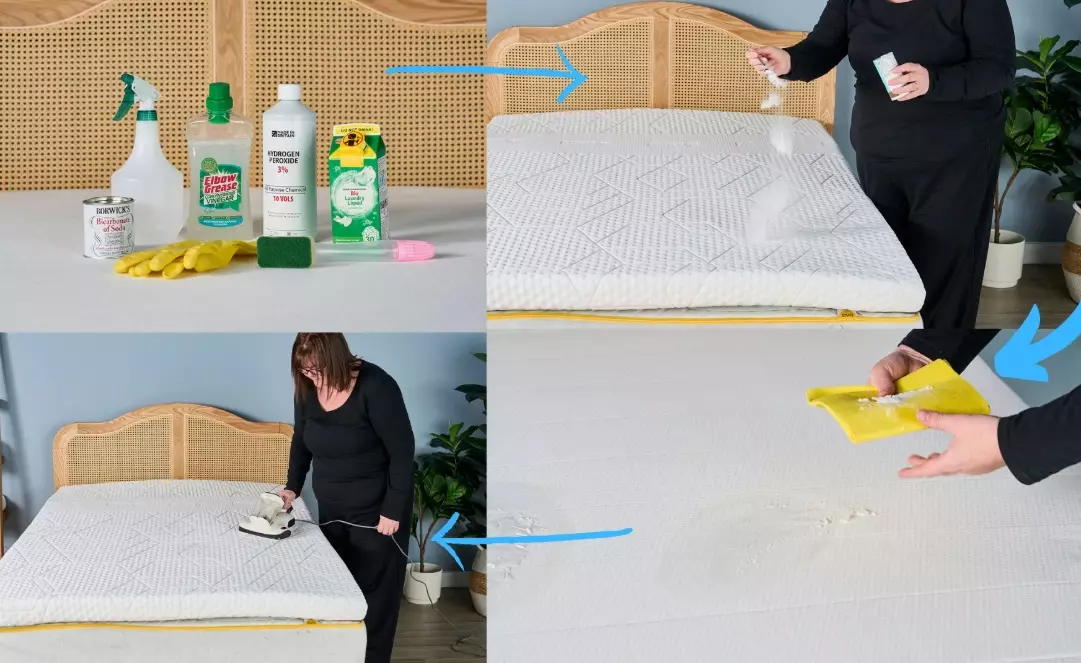
Your Urine Cleaning Questions Answered
 Can you use a carpet cleaner or steam cleaner on a urine-stained mattress?