Let's get this out of the way first: yes, you absolutely can and should wash your puffer jacket. That "dry clean only" tag? Often more of a suggestion from manufacturers covering their backs. The real enemy of your coat's warmth isn't dirt—it's the body oils, sweat, and skin cells that slowly soak into the down or synthetic fill, clumping it together and destroying its ability to trap heat. Washing it properly isn't just about looks; it's about restoring its core function. I learned this the hard way after my favorite jacket turned into a sad, flat pancake because I was too scared to put it in the machine.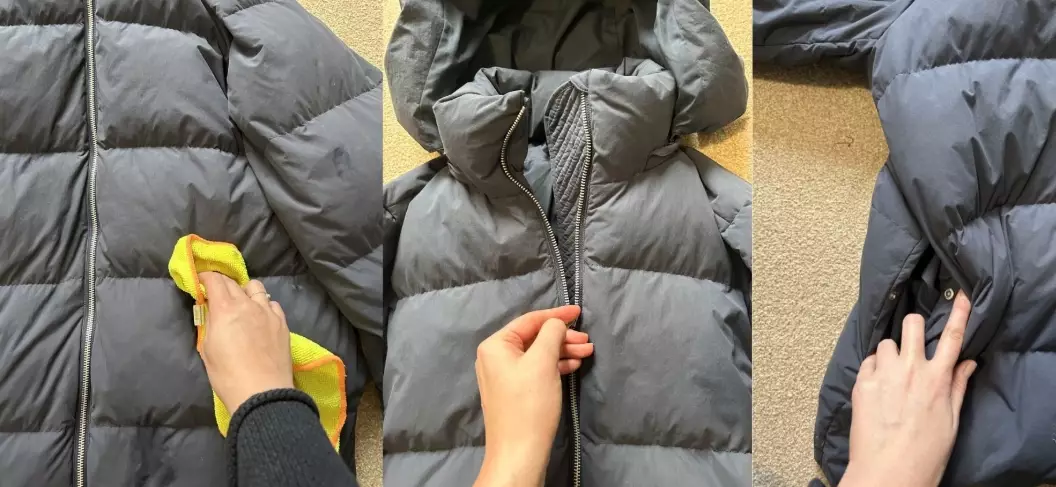
What You'll Find in This Guide
- Why Puffer Jackets Need Special Care
- Pre-Wash Checklist: Don't Skip This
- How to Machine Wash a Puffer Jacket (The Safest Method)
- How to Hand Wash a Puffer Jacket (For Delicate Items)
- Drying Is Key: The Step Everyone Gets Wrong
- Storage & Spot Cleaning Between Washes
- Your Puffer Jacket Washing Questions, Answered
Why Puffer Jackets Need Special Care
Think of the filling—whether it's premium goose down or a synthetic like PrimaLoft—as the engine of your jacket. Its loft (fluffiness) creates tiny air pockets that insulate you. Dirt and oils weigh down the fibers, collapsing those pockets. A common misconception is that washing damages the fill. Actually, not washing it does more damage over time.
Here’s a subtle mistake most people make: using regular laundry detergent. The surfactants in standard detergents are too harsh. They can strip the natural oils from down clusters (which help them repel moisture and stay springy) and are notoriously difficult to rinse out of thick insulation, leaving residue that attracts more dirt. You need a cleaner designed for technical fabrics.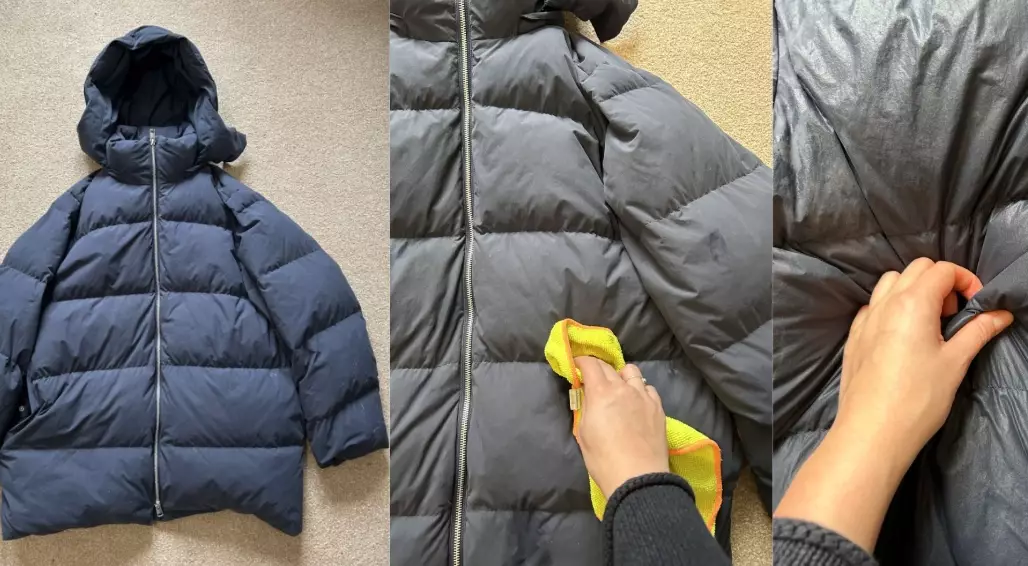
Pre-Wash Checklist: Don't Skip This
Ten minutes of prep saves a world of heartache. Here’s what to do before any water touches your jacket.
- Read the Care Label (Seriously): I know, it sounds obvious. But look for specific symbols. A circle means dry clean, a tub of water means washable. If it says "dry clean only," you can often still wash it gently, but test a small, inner seam first.
- Zip Up All Zippers and Fasten All Closures: This includes the main zip, pit zips, and any Velcro cuffs. Unfastened zippers can snag and tear the delicate lining.
- Empty the Pockets Thoroughly: Check every pocket, including inner ones. A forgotten tissue or coin can create a disaster.
- Treat Stains Gently: For oil or food stains, dab a small amount of the dedicated down wash or a mild soap directly on the spot. Gently rub the fabric together. Don't use stain removers with bleach or harsh chemicals.
- Check for Repairs: Mend any small tears or loose threads. Washing will make them worse.
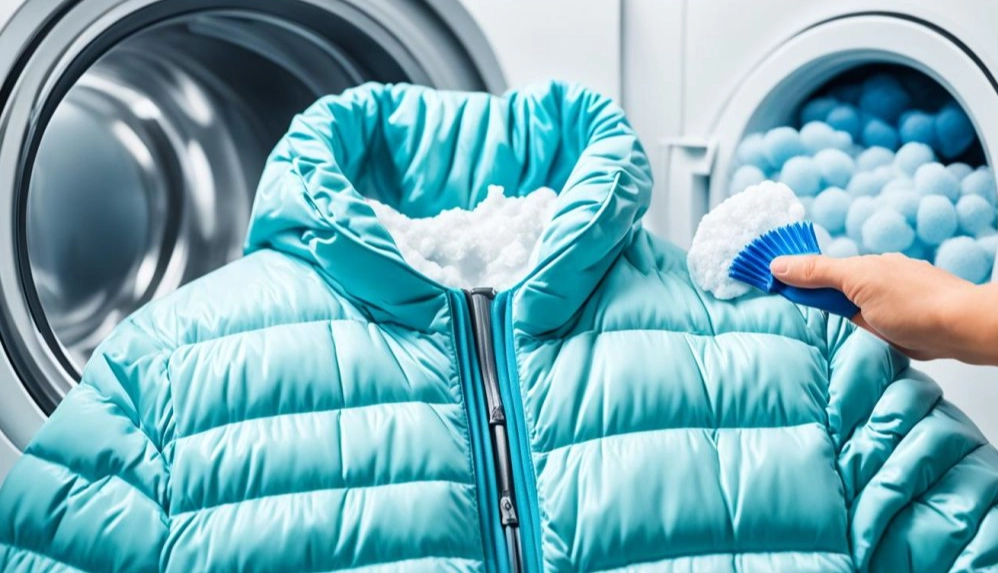
How to Machine Wash a Puffer Jacket (The Safest Method)
For most modern puffer jackets, a front-loading washing machine is your best friend. Top-loaders with a central agitator can be too rough and may tear baffles (the sewn-through sections). If you only have a top-loader, use the gentlest cycle and consider putting the jacket in a large mesh laundry bag for extra protection.
Step-by-Step Machine Washing Instructions
1. Choose the Right Detergent: This is non-negotiable. Use a technical cleaner like Nikwax Down Wash Direct or Grangers Down Wash. These are formulated to clean without compromising down's natural oils or DWR coatings. Use about half the amount you'd use for a normal load.
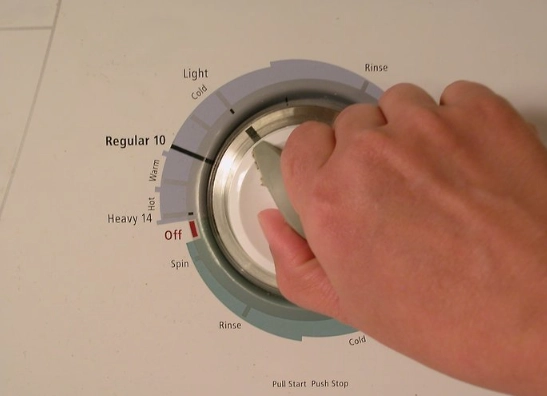
2. Machine Settings are Crucial: Set your machine to a gentle or delicate cycle with cold or lukewarm water. Hot water can damage the fill and set stains. The spin speed should be as low as possible—ideally 400-600 RPM. High-speed spins can put massive stress on the seams.
3. The Tennis Ball Trick: Throw 2-3 clean, wool dryer balls or clean tennis balls into the drum with the jacket. They'll help agitate and break up clumps of wet down during the cycle. This is a game-changer.
4. Double Rinse: If your machine has the option, select an extra rinse cycle. Ensuring all soap residue is gone is critical for maintaining loft.
Walk away and let the machine do its work. Don't be tempted to open it mid-cycle.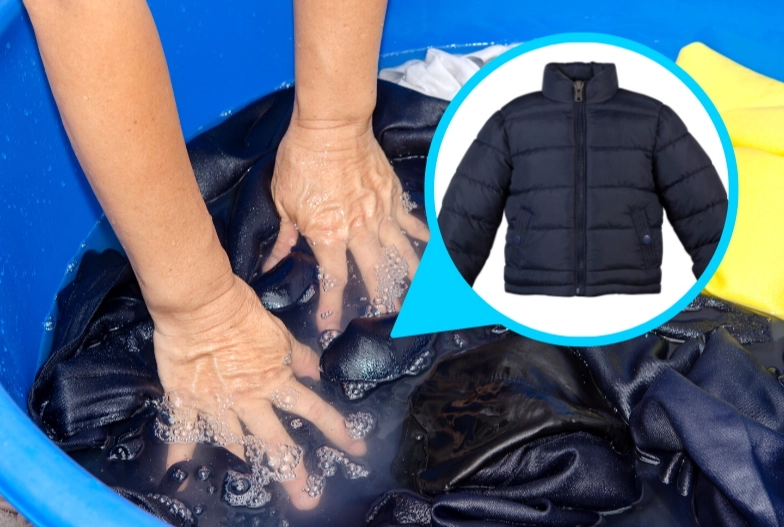
How to Hand Wash a Puffer Jacket (For Delicate Items)
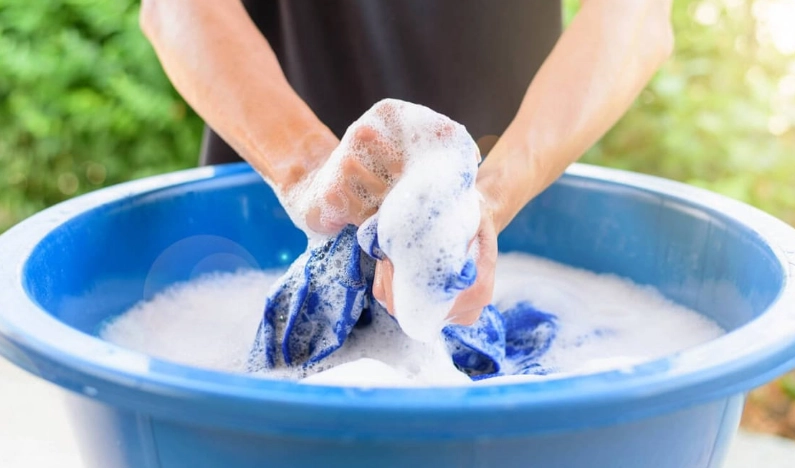
Hand washing is best for jackets with delicate fabrics, intricate detailing, or if you're just not comfortable using the machine. You'll need a bathtub or a very large sink.
- Fill the tub with lukewarm water and add the recommended amount of down-specific detergent. Swirl to mix.
- Submerge the jacket fully. Gently press it down and squeeze the water through the fabric. Don't twist, wring, or scrub vigorously. Focus on areas like the cuffs, collar, and hem.
- Let it soak for 15-30 minutes.
- Drain the soapy water. Refill the tub with clean, cold water and gently press the jacket to rinse. Repeat this rinse process 2-3 times until the water runs completely clear.
- To remove water, press the jacket against the side of the tub. Never lift it by one shoulder when it's waterlogged—the weight can strain the seams. Roll it in a clean, dry towel to absorb excess moisture before moving to drying.
Drying Is Key: The Step Everyone Gets Wrong
This is where the magic (or tragedy) happens. Air-drying a puffer jacket flat is a surefire way to end up with a lumpy, mildewy mess. You must use a dryer on low heat.
| Step | Action | Why It Matters |
|---|---|---|
| 1. Initial Transfer | Shake the jacket vigorously to distribute the damp fill. Place it in the dryer with the 3 clean tennis balls or dryer balls. | Breaks up large wet clumps immediately. |
| 2. Dryer Settings | Set to Low Heat (Air Fluff or Delicate). High heat can melt synthetic fills or scorch down. | Gentle heat reactivates the down's natural loft without damaging it. |
| 3. The Patience Game | Dry in 30-minute increments. After each cycle, stop the dryer, remove the jacket, and shake it hard. Feel for damp spots, especially around seams and cuffs. | Prevents overheating and ensures even drying. This can take 2-3 hours. |
| 4. Final Fluff | Once completely dry, run an extra 15-minute air-only (no heat) cycle with the balls. | Maximizes loft and ensures zero moisture remains to prevent mildew. |
I can't stress this enough: it's not dry until it's completely dry. A slightly damp center will clump and potentially grow mold.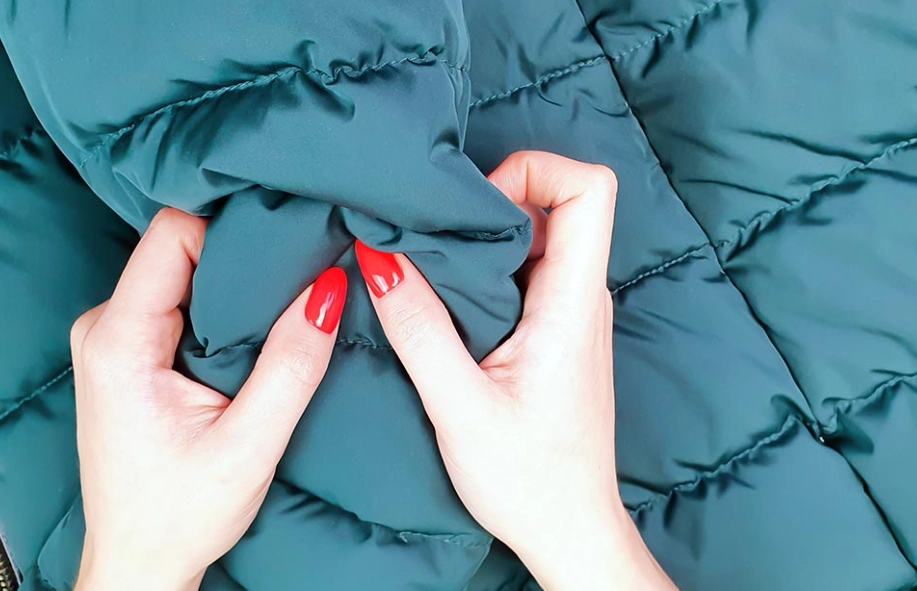
Storage & Spot Cleaning Between Washes
Don't cram your clean, fluffy jacket into a tight closet. Store it unzipped on a wide, padded hanger in a cool, dry place. Never store it compressed in its stuff sack long-term—this permanently damages the fill's ability to loft.
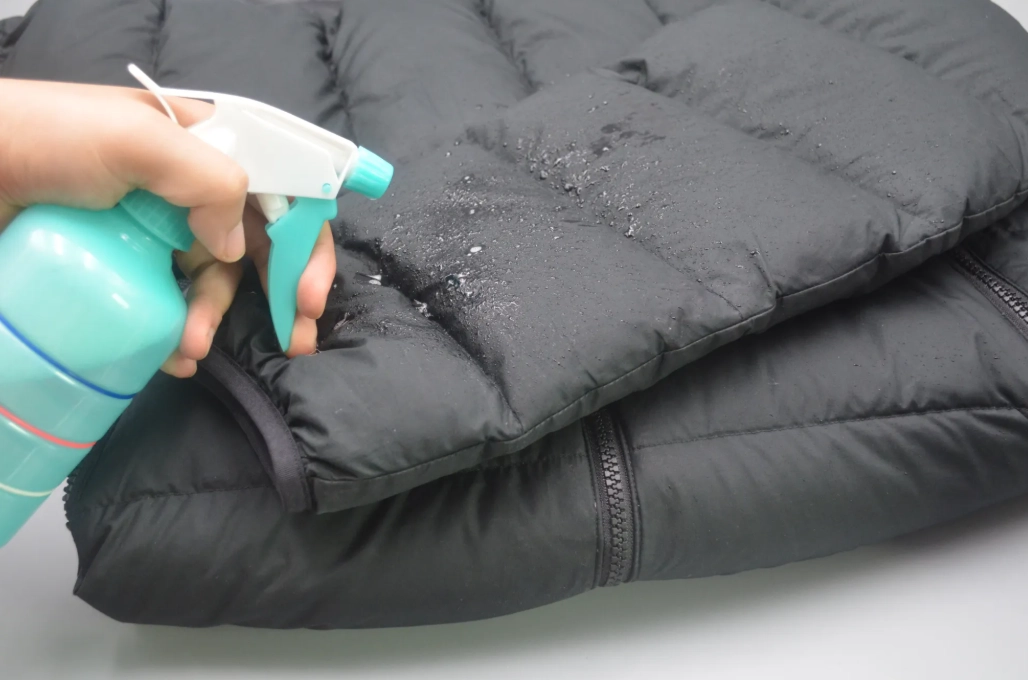
For minor dirt between washes, use a damp cloth with a bit of mild soap. For refreshing the DWR finish, products like Nikwax TX.Direct Spray-On can be applied after washing and drying.