You bought those microfiber cloths because everyone said they were amazing. They picked up dust like a magnet, wiped glass streak-free, and made cleaning your car a breeze. But now? They just smear grease around and feel weirdly slick. I've been there. I ruined my first set by throwing them in with my regular laundry. The good news is, you can almost always bring them back to life. Washing microfiber cloths isn't hard, but it's completely different from washing a cotton t-shirt. Get it right, and they'll last for hundreds of washes. Get it wrong, and you've just got expensive rags.
What You'll Learn in This Guide
Why Proper Washing Matters More Than You Think
Microfiber works through physics, not magic. The fibers are split millions of times finer than a human hair. This creates a massive surface area that generates a static charge, which grabs onto dust and particles. The tiny channels between the fibers also wick away moisture and oils. When you wash them incorrectly, you clog those channels and destroy that static charge.
The biggest mistake? Using fabric softener or dryer sheets. It's like pouring wax over the cloth. The softening agents coat the fibers, rendering them useless for their intended purpose. Hot water is another silent killer—it can melt the plastics (usually polyester and polyamide) that make up the cloth, fusing the split fibers together.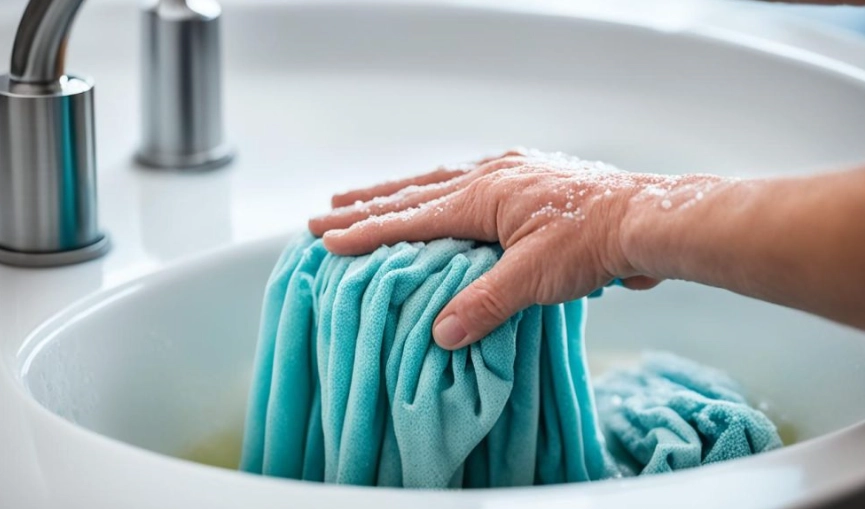
Step-by-Step Guide to Washing Microfiber Cloths
Let's break this down into a simple, repeatable routine. Think of it as a reset for your cloths.
1. The Pre-Wash Sort and Shake
Don't just dump them all in. Separate heavily soiled cloths (car wax, grease, polish) from lightly soiled ones (dusting, glass). Give each cloth a good shake outdoors to dislodge loose dirt and hair. This prevents your washing machine from just recirculating grime.
2. Choosing Your Detergent: This is Critical
You need a detergent that cleans without leaving residue. Avoid anything with:
- Fabric softeners (this includes most "2-in-1" or "3-in-1" formulas).
- Bleach (chlorine bleach weakens the fibers).
- Optical brighteners or heavy perfumes.
What should you use? A simple, clear liquid detergent is best. Many professionals swear by dedicated microfiber detergives, but a free and clear laundry detergent works nearly as well for most home users. Here's a quick comparison:
| Detergent Type | Good For Microfiber? | Notes |
|---|---|---|
| Dedicated Microfiber Wash | Excellent | Formulated to lift oils without residue. Best for heavy grease. |
| Free & Clear Liquid Detergent | Very Good | Widely available, affordable. Avoid powder forms. |
| Standard Scented Detergent | Poor | Perfumes and softeners leave a film. |
| Dish Soap (like Dawn) | Occasional Use Only | Great for cutting grease as a pre-treatment, but can be too harsh for frequent machine washing. |
3. Machine Settings: The Golden Rules
Run a warm or cold water cycle. Never use hot. Hot water sets stains and damages fibers. Use a heavy-duty or bulky items cycle with an extra rinse if possible. The extra agitation and rinsing help flush away all the suspended dirt and detergent. A small load is fine—the cloths need room to move around and get clean.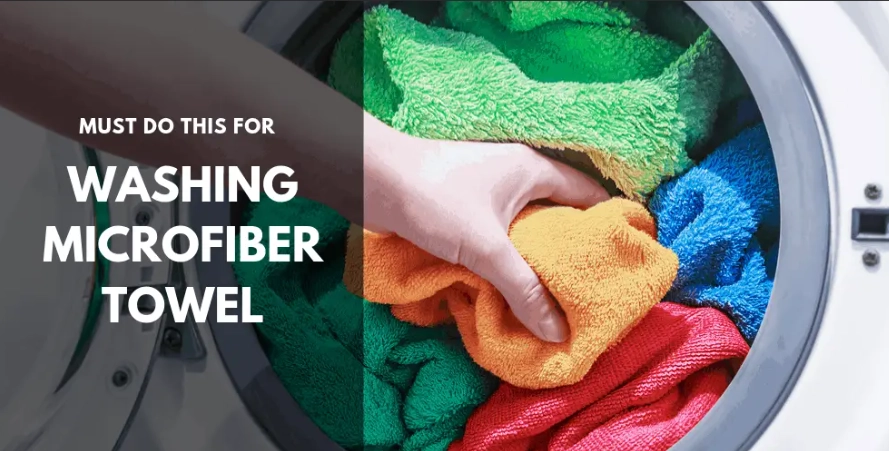
4. Drying: Air is King
This is non-negotiable for long-term health. Tumble drying on NO HEAT (air fluff) is the absolute maximum heat you should use. High heat melts the fibers. The best method? Hang them to dry. I use a simple folding rack. They dry fast because they're so thin. If you must use a dryer, throw in a few clean, dry towels to help with static and moisture absorption, and use the lowest possible temperature setting for the shortest time.
Handling Special Cases and Tough Stains
Not all microfiber cloths are used for dusting. Here’s how to handle the messy jobs.
Cleaning Cloths Used for Car Detailing or Heavy Grease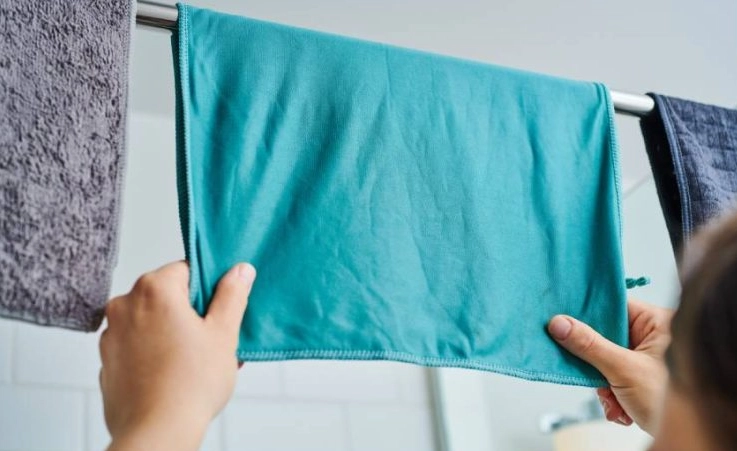
For cloths caked in car wax, polish, or engine grease, pre-treatment is everything. Soak them in a bucket of warm water mixed with a capful of your chosen detergent or a squirt of dish soap for 30 minutes. Agitate them by hand, wring out the dirty water, then put them in the washing machine. This keeps your machine from becoming a grease pit.
Disinfecting Microfiber Cloths
Microfiber removes germs mechanically, but sometimes you want chemical disinfection, like for kitchen surfaces. The key is to disinfect after washing. Add a disinfectant like bleach (sodium hypochlorite) or a phenolic disinfectant to the final rinse cycle only, following the product's dilution instructions. Never mix disinfectants with detergent in the main wash, as they can neutralize each other. For a simpler method, you can microwave a damp, clean cloth for 1-2 minutes (ensure it has no metal threads) or toss it in the dishwasher on the top rack.
The "Two-Bucket" System for Car Washing Cloths
This isn't a washing tip, but a pre-wash habit that will keep your cloths cleaner. When washing your car, use one bucket for soapy water and a second bucket with clean water for rinsing your mitt or cloth. This prevents grinding dirt from the car back into your wash media, meaning less deep-seated grime to remove later.
Your Microfiber Washing Questions, Answered
 It comes down to treating microfiber as a tool, not just a piece of fabric. A little specific care extends its life and performance dramatically. Start with separating them, use the right soap, choose cool water, and always air dry. Do that, and you'll get years of superior cleaning out of what might seem like a simple cloth.