I ruined my first pair of expensive feather pillows. It's true. I threw them in the washer with regular detergent, used hot water, and then left them in a damp heap for a day. The result? A lumpy, sad, and faintly musty mess that never fully recovered. That expensive mistake taught me more than any generic online article ever did. Washing feather pillows isn't hard, but it's a process with zero room for shortcuts. Get it right, and you extend their life by years, restoring that cloud-like fluffiness. Get it wrong, and you're shopping for new ones.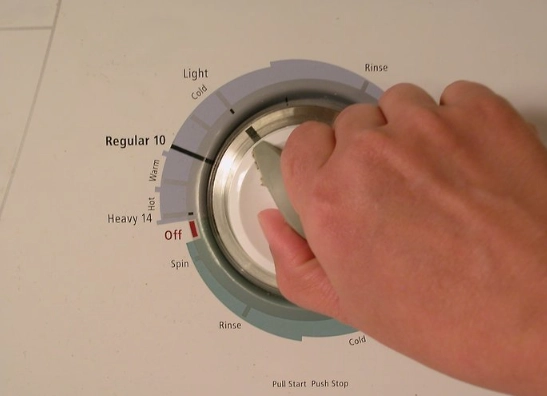
This guide is everything I wish I'd known. We'll cover the exact steps for both machine and hand washing, the critical drying process most people mess up, and how to handle specific problems like yellowing stains or odors.
What You’ll Learn in This Guide
- Why You Absolutely Should Wash Feather Pillows
- When It’s Time to Wash (The Telltale Signs)
- Gathering Your Tools: The Pillow Washing Kit
- The Machine Washing Method (Step-by-Step)
- The Hand Washing Method (For Delicate or Older Pillows)
- The Drying Process: This is Where the Magic Happens
- Dealing with Stains and Spot Cleaning
- Your Feather Pillow Washing Questions, Answered
Why You Absolutely Should Wash Feather Pillows
Think about it. Your pillow spends 8 hours a night absorbing sweat, body oils, dead skin cells, and drool. Over a year, that adds up to a significant amount of gunk seeping through the casing into the feathers. The International Association of Certified Home Inspectors notes that bedding can harbor allergens and dust mites, which feast on that organic matter. Washing isn't just about freshness; it's about hygiene and maintaining the loft and support of the filling. A clean pillow is a more supportive pillow.
Pro Tip: Many people think feather pillows are "dry clean only." This is a common misconception. Most modern feather pillows with a decent ticking (the fabric casing) are designed to be washed with water. Dry cleaning chemicals can strip the natural oils from the feathers, making them brittle. Always check the care label first, but water washing is usually the recommended and more effective method.
When It’s Time to Wash (The Telltale Signs)
Don't wait for a set schedule. Your senses are the best guide.
- The Smell Test: Give it a good sniff. If it smells like anything other than faintly of fabric, it's time. A musty or sour odor means microbes are having a party.
- The Fluff Test: Fluff it vigorously. Does it spring back, or does it lie flat and lumpy? Persistent flatness often means oils and dirt are matting the feathers together.
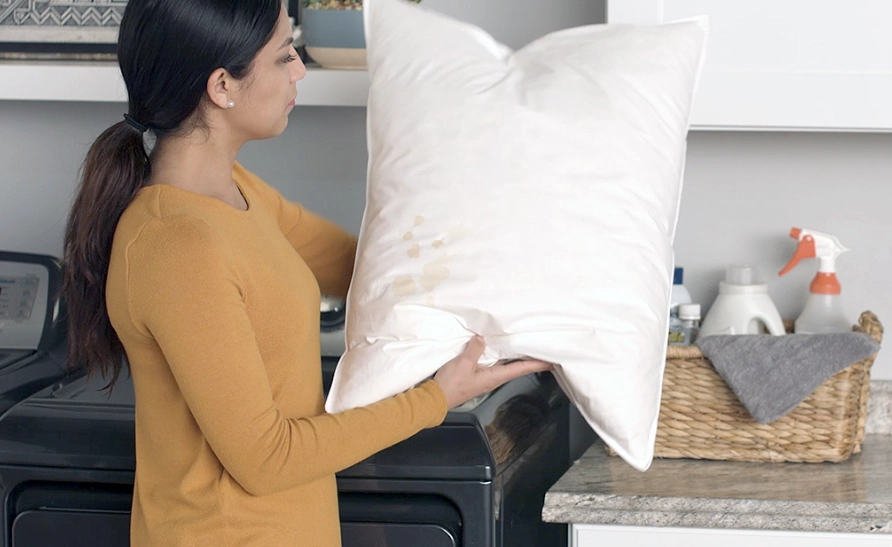
- The Visual Test: Look at the pillowcase. Are there yellow stains seeping through? That's body oil (sebum) and sweat. If it's on the case, it's inside the pillow.
- The Allergy Test: Do you wake up with a stuffy nose or itchy eyes more often? Your pillow might be the culprit.
For most people, washing feather pillows once or twice a year is sufficient. If you have allergies, sweat a lot, or don't use a protective pillow protector, you might need to do it quarterly.
Gathering Your Tools: The Pillow Washing Kit
You don't need fancy gear, but having the right stuff makes all the difference. Here’s your checklist:
d>If you only have a top-loader, wash one pillow at a time on the gentlest cycle. Consider hand washing instead.d>Baby shampoo is a fantastic, gentle alternative.d>Coin-op dryers at a laundromat are often your best bet for size.d>Clean, dry sneakers in a knotted pillowcase can work in a pinch.d>A clean, large plastic storage tub also works.| Item | Purpose & Why It Matters | Notes/Alternatives |
|---|---|---|
| Front-Loading Washer | Gentler on pillows than top-loaders with a central agitator, which can tear the fabric and clump feathers. | |
| Mild Liquid Detergent | Powder detergent can leave residue. Liquid dissolves completely. Opt for a "free and clear" type without dyes or heavy perfumes. | |
| Large Capacity Dryer | Pillows need room to tumble freely. Cramming them in will prevent even drying. | |
| Tennis Balls or Dryer Balls (2-3) | The secret weapon. They physically bash the clumps of wet feathers apart as they dry, preventing lumps. | |
| Bathtub or Large Basin | Essential for hand washing and the initial rinse. |
The Machine Washing Method (Step-by-Step)
This is your go-to method for sturdy pillows in good condition.
Step 1: The Pre-Check
Inspect the seams for any tears or holes. Even a tiny hole will unleash a snowstorm of feathers into your washer. Repair any holes with a needle and thread. Remove any decorative covers or outer layers—wash only the core pillow.
Step 2: Loading and Cycle Selection
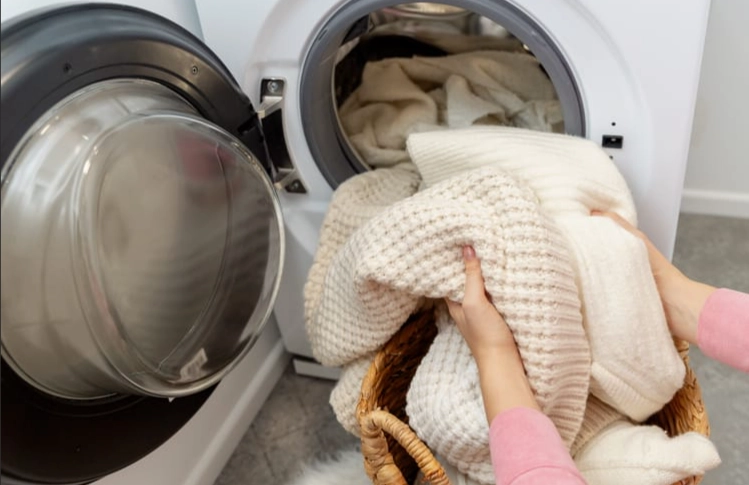
Wash two pillows at a time for balance. Use a gentle or delicate cycle with cold or warm water. Hot water can damage the feathers and set protein-based stains (like sweat). Add a small amount of mild liquid detergent—about half what you'd use for a normal load. An extra rinse cycle is highly recommended to ensure all soap is removed.
Never use fabric softener. It coats the feathers, stripping their natural oils and destroying their ability to loft and breathe. It's a pillow killer.
Step 3: The First Spin
After the wash cycle, run an extra spin cycle to remove as much water as possible. The drier the pillow goes into the dryer, the better.
The Hand Washing Method (For Delicate or Older Pillows)
If your pillow is antique, has delicate stitching, or you're just nervous, hand washing is your safest bet. It's more work but offers total control.
Fill your bathtub with lukewarm water. Dissolve a small amount of mild detergent. Submerge the pillow and press it down gently—don't wring or twist. Let it soak for 30 minutes to an hour, gently pressing and agitating it every 15 minutes. The water will likely turn a murky beige. That's the grime coming out.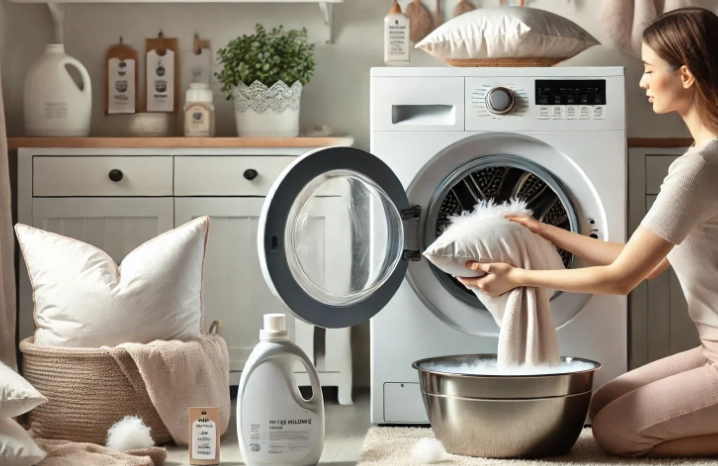
Drain the tub. This is the hardest part: gently press the water out of the pillow against the side of the tub. Then, refill with clean, cool water and rinse. Repeat this rinse process 3-4 times until the water runs completely clear and no suds remain. Press out excess water after each rinse.
The Drying Process: This is Where the Magic Happens
This step takes patience. Rushing it is how you end up with mildew and permanent clumps.
Place the washed pillows in your large dryer. Add 2-3 clean tennis balls or wool dryer balls. Set the dryer to low heat. High heat can scorch the feathers and casing.
Dry for 30 minutes, then stop the dryer. Feel the pillows. They will be warm on the outside but likely damp and lumpy in the middle. This is normal. Break up the lumps with your hands. Fluff, squeeze, and redistribute the filling. This manual intervention is crucial.
Restart the dryer on low heat. Repeat this process—dry for 30-45 minutes, stop, check, and break up lumps—for at least 2-3 hours. A single feather pillow can take 3+ hours to dry completely. The tennis balls help, but your hands are the best tool.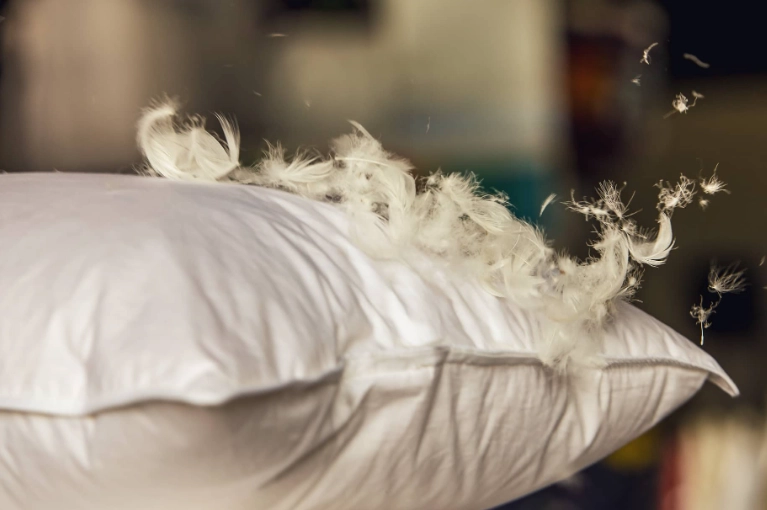
How do you know it's done? There should be zero dampness, especially in the very center. The pillow should feel uniformly light, fluffy, and warm all the way through. If you have any doubt, let it tumble for another cycle. It's better to over-dry than under-dry.
Dealing with Stains and Spot Cleaning
For fresh stains or between washes, spot cleaning is great. Mix a solution of 1 part mild liquid detergent to 4 parts cool water. Dip a clean white cloth in the solution, wring it out well, and dab (don't rub) the stain from the outside in. Rinse the area by dabbing with a cloth dipped in clean water. Let it air dry completely.
For yellowing (oxidized body oils), pre-treating before the full wash can help. Make a paste with baking soda and water, apply it to the yellowed areas, let it sit for an hour, then brush it off before washing.