Let's get straight to the point. The best fabric for suits, for the vast majority of men in most situations, is wool. Not just any wool, but a quality worsted wool. It's the undisputed champion for a reason—durability, breathability, drape, and resilience. But saying "wool is best" and leaving it there is like saying "food is good." It's meaningless without context.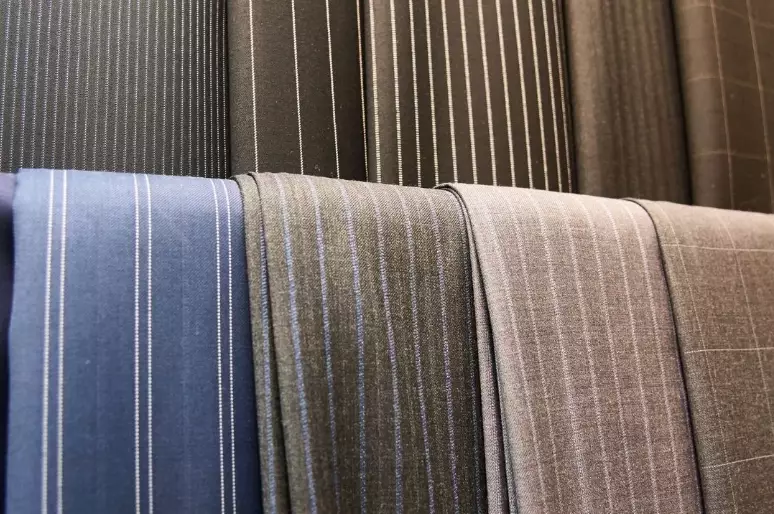
Your perfect suit fabric depends entirely on you: your climate, your daily routine, the formality of your events, and yes, your budget. I've seen too many guys spend a fortune on a high-twist wool suit for a humid climate, only to find it still feels too warm, or buy a beautiful linen piece for job interviews and wonder why they aren't taken seriously.
This guide is about matching the fabric to the man, not just listing materials. We'll dive into the specifics you actually care about: how it feels against your skin on a long flight, whether it will wrinkle into a mess after lunch, if you can wear it four days a week without it looking tired, and what that cryptic "Super 120s" label really means for your wallet.
Your Fabric Decision Map
Wool: Why the King Still Reigns
Wool isn't one thing. It's a category. The magic lies in its natural structure—the fibers have scales that allow them to interlock when spun into yarn, creating a strong, resilient cloth. They also trap tiny pockets of air, which is the secret to temperature regulation.
Worsted vs. Woolen: The Texture Divide
This is a critical distinction most guides gloss over.
Worsted Wool: The fibers are combed to align them parallel before spinning. This results in a smooth, crisp, tightly woven fabric with a clear finish. It's what you picture in a sharp business suit. It resists wrinkles, drapes cleanly, and feels refined. Brands like VBC (Vitale Barberis Canonico) and Holland & Sherry are famous for their worsted cloths.
Woolen Wool: The fibers are carded, not combed, leaving them more random. This creates a softer, fuzzier, loftier fabric—think tweed, flannel, or cashmere. It's warmer, has more texture, and is inherently more casual. It wrinkles more easily but has a distinct, rugged charm.
For your first or primary suit, you want worsted.
The Specialists: Frescos, Flannels, and Twills
Within worsted wool, weavers create specific cloths for specific jobs:
- High-Twist/Fresco Wools: The yarn is twisted tightly under high tension. When released, it becomes springy. The resulting fabric is incredibly breathable, highly wrinkle-resistant, and ideal for hot weather or travel. It often has a slightly open, dry hand-feel. A lifesaver for summer weddings or tropical business trips.
- Flannel: A woolen (sometimes worsted) fabric that's brushed on one or both sides to raise a soft nap. It's warm, has a matte appearance, and drapes beautifully. The quintessential cold-weather, boardroom-power fabric. It shows wear more than a smooth worsted, but the comfort is unmatched.
- Gabardine: A durable, tightly woven twill (diagonal weave) worsted. It's often hard-finished, making it rain-resistant and very tough. Classic for trench coats and military uniforms, but also makes a long-lasting suit.
Beyond Wool: The Real-World Alternatives
Wool is the gold standard, but it's not the only player. Here’s when to consider something else.
| Fabric | Best For | Biggest Drawback | Price Range (vs. Wool) |
|---|---|---|---|
| Cotton (& Twill/Canvas) | Hot climates, casual smart attire, summer suits. Breathable and soft. | Wrinkles very easily. Lacks wool's natural spring-back. Can look rumpled quickly. | Comparable to mid-range wool. |
| Linen | Extreme heat, resort wear, intentionally relaxed style. Unmatched breathability. | The wrinkle king. It's not a flaw; it's the character. Looks informal. | Often less expensive than fine wool. |
| Silk & Silk Blends | Adding subtle sheen/luxury to a blend (e.g., 5-10% silk with wool). Evening wear. | Delicate, expensive, not for daily wear. Pure silk suits are high-maintenance statements. | Significantly more expensive. |
| Polyester & Blends | Extreme budget constraints, uniforms that need to withstand abuse. | Plastic-like sheen, poor breathability (you'll sweat), holds odors, doesn't drape well. | Much cheaper. |
| Technical Blends (e.g., with Elastane/Lycra) | High-movement situations, travel, seeking extreme comfort with stretch. | Can sometimes lose the crisp, tailored look of pure wool. Varies greatly by brand. | Comparable to premium wool. |
My personal take? A wool-linen blend (e.g., 70/30 or 60/40) is a secret weapon for summer. It gets linen's breathability while the wool tempers the wrinkling and adds some body. A wool-mohair blend (5-15% mohair) adds a crisp, luminous finish and exceptional wrinkle resistance, perfect for a tuxedo or sharp summer suit.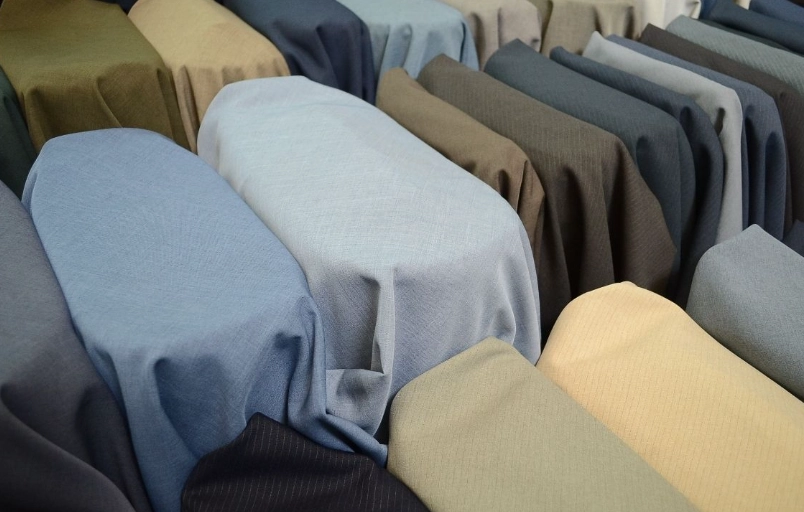
How to Choose the Best Suit Fabric for Your Needs
Stop thinking about fabric in a vacuum. Start with these three questions.
1. What's the Primary Occasion?
- Daily Business/Formal Office: Mid-weight (280-310g) worsted wool in Super 100s-120s. Navy or charcoal. It's a tool, not a statement.
- Weddings/Interviews/Important Meetings: Step it up. A finer worsted (Super 120s-130s) or a crisp high-twist wool. Dark grey or deep navy. You want sharpness and drape.
- Creative Industry/Smart Casual: This is where texture shines. Woolen flannel, tweed, or a robust cotton twill. Earth tones, patterns.
- Summer/Beach Wedding: High-twist wool, tropical wool, or a wool-linen blend. Lighter weights (230-270g).
2. What's Your Local Climate?
Weight matters. Fabric weight is measured in grams per square meter (g/m² or simply "g").
- Year-round temperate: 280-310g. Your workhorse weight.
- Hot & Humid: 230-270g (tropical weight). Look for open weaves, high-twist, or fresco constructions.
- Cold: 310-350g+. Flannel, heavier worsteds, or tweed.
3. What's Your Reality of Use?
Be honest. Will you wear it twice a month or twice a week? Will you hang it properly or toss it on a chair? Frequent wear demands durability (lower Super number, tighter weave). If you travel constantly, wrinkle resistance is non-negotiable—prioritize high-twist or wool-mohair blends.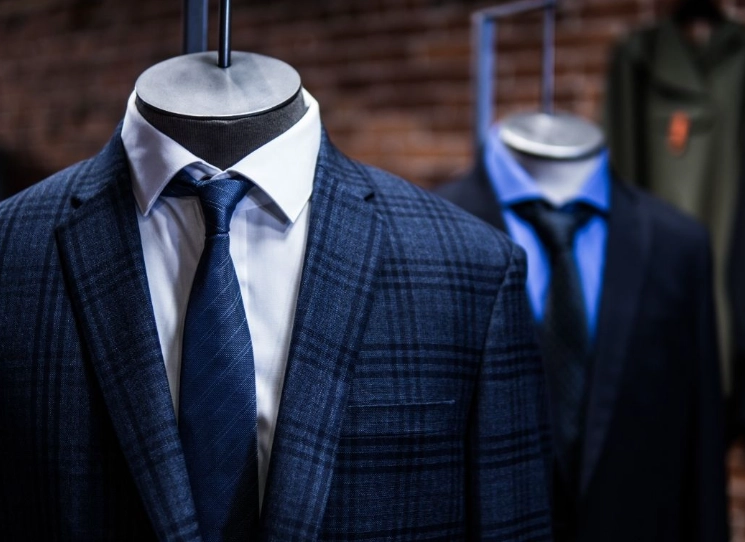
3 Fabric Mistakes Almost Every Guy Makes
After years in tailoring, these are the consistent errors I see.
1. Chasing Super Numbers Over Construction. A well-woven Super 110s from a reputable mill like Dormeuil or Loro Piana will look and perform infinitely better than a poorly constructed Super 150s from a no-name mill. The weave density, the finishing (the processes applied to the cloth after weaving), and the mill's reputation matter more than that one number.
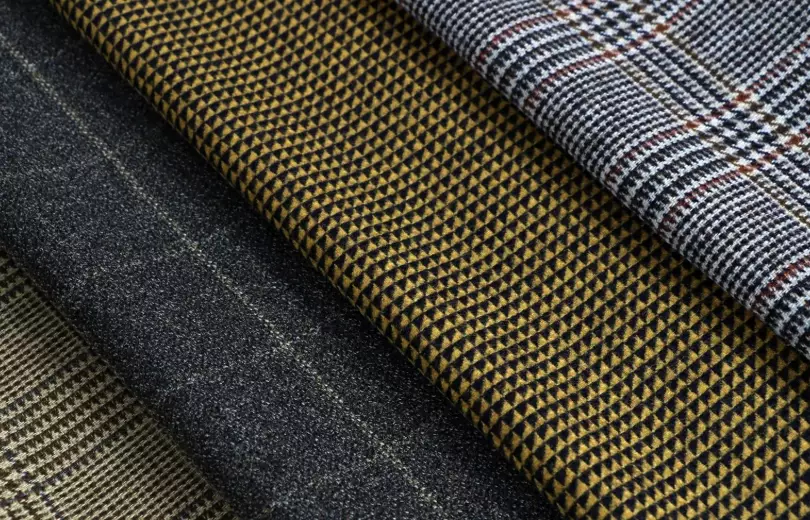
2. Ignoring the "Hand." You must feel the cloth. Does it feel dry and crisp (good for summer/sharp tailoring)? Or soft and spongy (good for comfort/cold weather)? Online descriptions fail here. If buying online, order swatches. Any decent retailer will send them.
3. Buying a "Seasonal" Suit as Your First. Your first proper suit should be a year-round, medium-weight, mid-grey or navy worsted wool. It's versatile. Don't make your first suit a bold linen or a heavy tweed. Get the foundational piece first.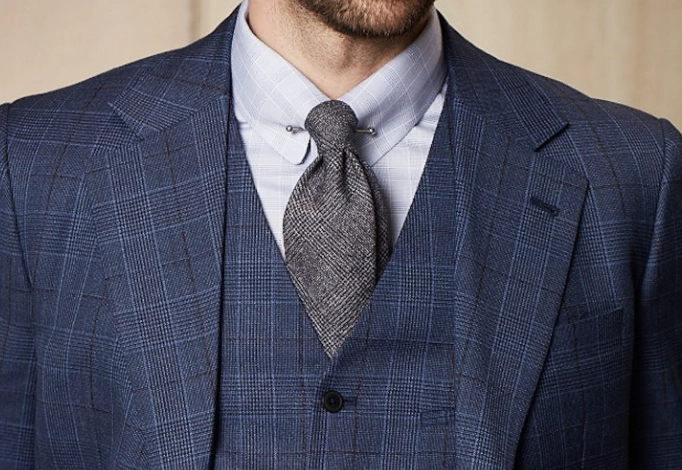
Suit Fabric FAQ: Your Questions, Answered Honestly