Let's cut through the marketing fluff. You're here because you've felt a good linen towel—maybe at a boutique hotel—and wondered how to get that experience at home. That specific texture, the way it dries you without feeling soggy, the lightweight yet substantial hand-feel. It often comes down to one thing: the waffle weave. But not all linen waffle weaves are created equal. After years of sourcing fabrics and working with textile mills, I've seen the dramatic differences a few key specs make. Choosing the best linen waffle weave fabric for your towels isn't about finding the most expensive option; it's about matching the right construction to how you'll actually use them.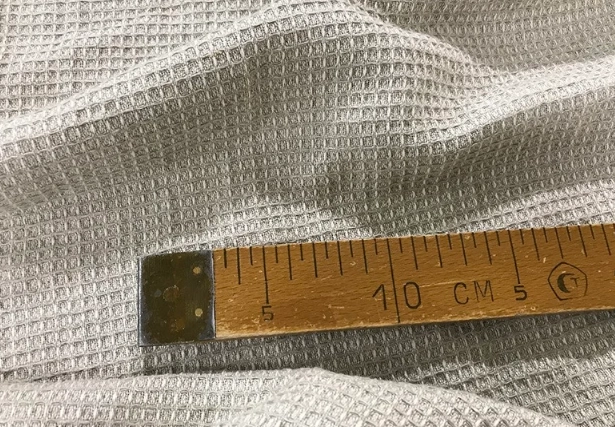
What You'll Find Inside
Why Waffle Weave Linen Makes Exceptional Towels
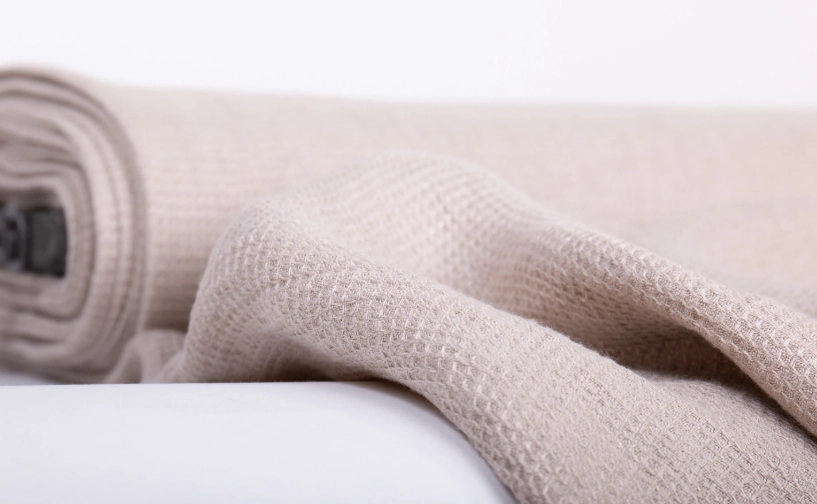
Think about a standard terry cloth towel. Its loops hold water against your skin. A linen waffle weave works on a different principle. The raised grid pattern, those little squares or diamonds, creates thousands of tiny pockets of air. This structure does three things brilliantly for a towel.
First, surface area. All those peaks and valleys give water more fabric to cling to, boosting initial absorbency. Second, airflow. The open structure allows air to circulate through the towel itself, which is why it dries you off and then dries itself so quickly. Ever had a towel that starts to smell musty? That's usually a lack of airflow. Third, texture. The gentle texture provides a mild exfoliating effect that many find invigorating, and it helps the towel grip the skin slightly for more efficient drying.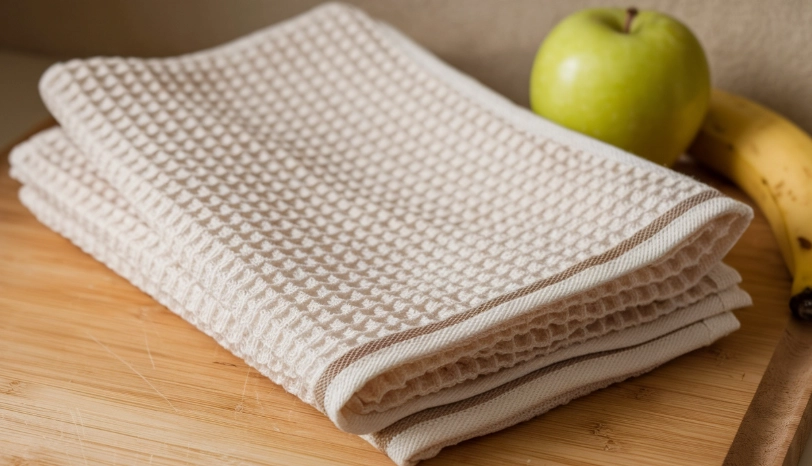
Now, combine this weave with linen's natural properties. Linen fibers are hollow, which gives them a high capacity for moisture absorption. They're also stronger than cotton when wet. A common misconception is that linen is rough. High-quality, long-staple linen meant for next-to-skin use is inherently soft and gets exponentially softer with every wash. The waffle weave actually accelerates this softening process because the fabric flexes more during use and washing.
Here's a perspective you won't hear often: The waffle weave can hide imperfections in mid-grade linen. A perfectly smooth, plain-weave linen will instantly reveal a coarse, short-staple fiber. The texture of a waffle can make a halfway decent linen feel more luxurious than it is. This is why understanding the underlying fabric specs is non-negotiable.
The Anatomy of the Best Linen Waffle Fabric
So, what should you look for? It's a combination of the flax, the yarn, the weave, and the finish.
1. The Flax Source and Yarn Weight
European flax, particularly from France, Belgium, or the Netherlands, is the gold standard. The climate there produces long, strong, and fine fibers. You might see terms like "French flax" or "Belgian linen." This isn't just snobbery. Longer fibers mean fewer ends sticking out of the yarn, resulting in a smoother, stronger, and more durable fabric that pills less.
Yarn weight is critical. For bath towels, you want a medium to heavy yarn. A fabric weight between 180-220 grams per square meter (GSM) is the sweet spot. Lighter than 170 GSM and the towel will feel flimsy, lack absorbency, and the waffle pattern may lose its definition quickly. Heavier than 240 GSM and it becomes a beast to wring out and takes forever to dry. I made the mistake of ordering a 270 GSM sample once for a bath sheet idea—it was like trying to dry off with a deliciously textured wet blanket.
2. Weave Density and Pattern Clarity
This is where most online descriptions fail. "Waffle weave" can mean a loose, open grid or a tight, crisp honeycomb. For towels, you need a balance.
Look for a clear, well-defined pattern. The squares should be distinct, not blurry. Run your finger over it. You should feel a pronounced, yet regular, texture. The density of the weave (the number of threads per inch) determines durability and how the texture holds up. A too-loose weave will sag and stretch over time. Ask a supplier for the thread count or ends/picks per inch if you can. A good target is a balanced weave around 40-50 threads per inch in each direction.
3. Finish and Pre-Washing
Raw linen straight off the loom can feel stiff. The best suppliers for towel fabric will offer it stonewashed or garment-washed. This process softens the fibers dramatically by simulating years of gentle washing in a controlled environment. It also minimizes shrinkage later on. Always opt for pre-washed linen for towels. The slight premium is worth avoiding the shock of your first homemade towel feeling like cardboard.
Also, check if the fabric is singed. Singeing burns off the tiny surface fuzz, giving the fabric a cleaner, crisper look and feel right away. It's a sign of a higher-quality finish.
Where to Source Premium Linen Waffle Weave Fabric
You won't find this at your average craft store. Here are the types of suppliers to investigate, based on my experience. Remember, always, always order a swatch first. Photos lie. Texture doesn't.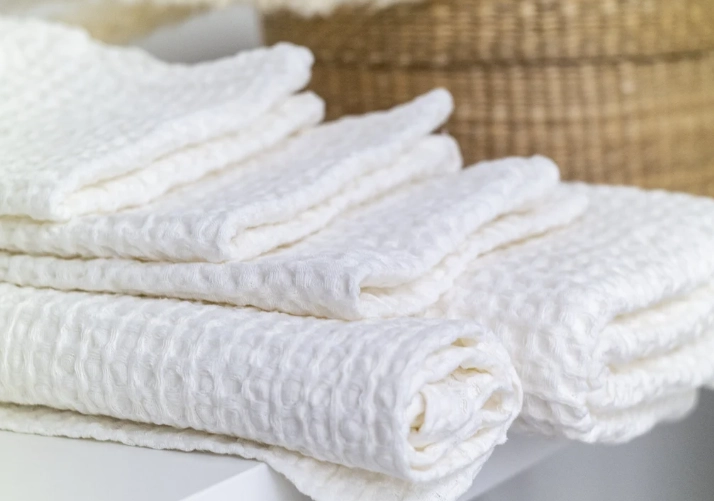
| Supplier Type | What You'll Find | Considerations & Personal Note |
|---|---|---|
| Specialist Linen Mills (e.g., based in Europe) | The highest quality, traceable flax. Consistent, industry-standard weights and weaves. Often offer Oeko-Tex or other certifications. | Minimum order quantities (MOQs) can be high (50-100 meters). Ideal if you're serious about production. Communication may have timezone delays. I've had great results with mills in Lithuania for a balance of quality and cost. |
| High-End Fabric Retailers (Online) | Curated selections, often pre-washed. Sold by the meter/yard with no MOQ. Detailed descriptions and good swatch policies. | You pay a retail markup. Quality is generally very good, but you're trusting their curation. A fantastic low-risk starting point for hobbyists and small makers. |
| Wholesale Fabric Distributors (on B2B platforms) | Wide variety, competitive prices, especially from Asian mills. Can source specific weights and finishes. | Quality can be inconsistent. Vetting is crucial. You must be specific in your requests (GSM, origin of flax, finish). I've found some gems here, but also received samples that were clearly a poly-blend masquerading as linen. |
A quick note on blends: Some fabrics mix linen with cotton. For towels, I advise against it. Cotton has different absorption and drying rates, which can undermine the consistent performance you're after. Pure linen is the way to go.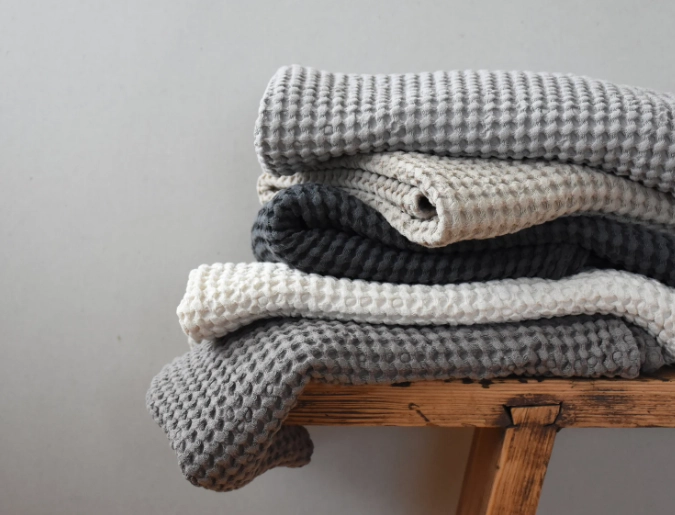
Common Mistakes and How to Avoid Them
I've seen these pitfalls trip up so many eager DIYers and even small brands.
Mistake 1: Prioritizing absolute softness in the swatch. A super-soft, floppy swatch might feel lovely, but it could indicate a loose weave or a very light weight that won't hold up as a towel. You want a softness with body and resilience.
Mistake 2: Ignoring the selvedge. Look at the clean, finished edge of the fabric sample. A tight, neat selvedge often indicates better loom technology and overall quality control from the mill.
Mistake 3: Forgetting about seam allowances. Linen waffle weave can fray more than a plain weave. When you calculate how much fabric you need for a bath towel (typically around 100cm x 150cm finished), add generous seam allowances and plan for a sturdy hem, like a double-fold hem, for a professional look that lasts.
Your Linen Towel Questions, Answered
Why does my new linen waffle towel feel a bit harsh compared to store-bought ones?
Store-bought towels have usually been through extensive industrial softening processes. Your homemade towel, even from pre-washed fabric, needs a break-in period. Wash it 3-5 times with a mild detergent, maybe with a half-cup of white vinegar on the first cycle to help soften the fibers. Tumble dry on low with wool dryer balls. The texture will transform completely.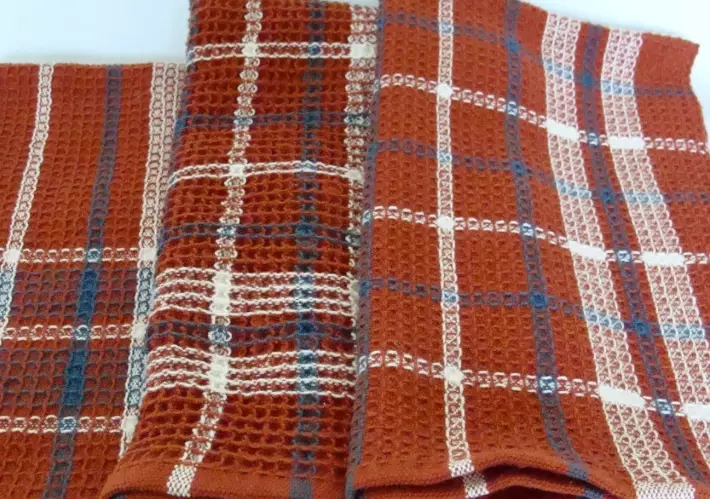
How do I prevent my linen waffle towels from developing pills or bobbles?
Pilling is often a sign of shorter fibers. Starting with quality, long-staple linen is 90% of the battle. In care, avoid washing them with heavy, abrasive items like jeans. Use a gentle cycle and skip the fabric softener—it coats the fibers and can actually reduce absorbency over time. If small pills form, a fabric shaver or a careful pass with a safety razor will remove them.
Is linen waffle weave practical for kitchen towels and everyday hand towels?
It's brilliant for both, but I'd adjust the weight. For kitchen towels where you need more scrubbing power and durability, go for the heavier end of the spectrum (200-220 GSM). For frequent-use hand towels, a lighter weight (170-190 GSM) dries incredibly fast, reducing dampness and mildew chance. The weave's quick-drying nature makes it superior to standard cotton for these high-turnover uses.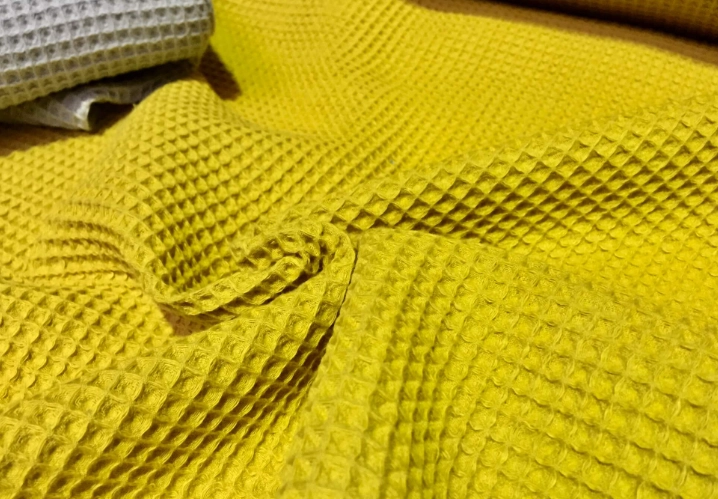
Can I use this fabric for a bathrobe, and what are the challenges?
You can, and it makes a wonderfully breathable, spa-like robe. The main challenge is the bulk. Seams on waffle weave are thicker. Use a walking foot on your sewing machine if you have one, and grade your seam allowances (trim them to different widths) to reduce bulk. Also, consider lining areas like the collar or front band with a light cotton voile for comfort against the neck.
How does the durability of a linen waffle towel compare to a high-quality Egyptian cotton terry?
They wear differently. Egyptian cotton terry can last decades if cared for, but the loops can eventually snag and pull. Linen's tensile strength increases when wet, making the fabric itself incredibly robust. The potential wear point on a linen waffle towel is the raised texture flattening slightly over many, many years. However, the fabric won't thin out or develop holes easily. In my experience, a well-made linen towel has a lifespan measured in decades, just with a different aging character—it becomes supremely soft while retaining its core function.
Finding the best linen waffle weave fabric is a tactile journey. It's about moving beyond the visual of the grid and understanding the structure beneath. Focus on weight, ask about the finish, and never underestimate the power of a physical swatch. When you get it right, you're not just making a towel; you're creating a personal luxury that improves with age, dries you efficiently, and brings a piece of timeless textile craft into your daily routine. Start with a small project, like a set of hand towels, to see how you enjoy working with the fabric and living with the result. You might just find yourself converting your entire linen closet.