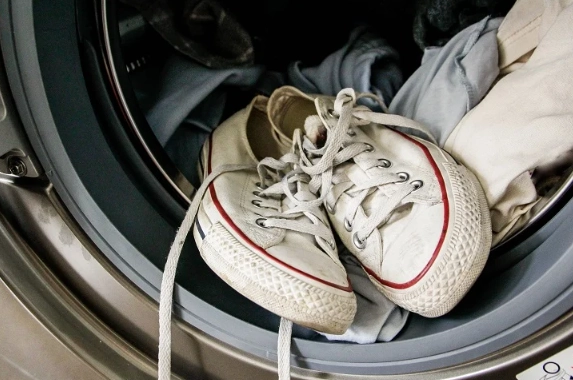
You love your Converse. They're broken in just right, they go with everything, but let's be honest—they're filthy. Grass stains on the white rubber, a mysterious gray tint to the canvas, maybe a whiff you'd rather not mention. Throwing them in the washing machine feels risky. Hand scrubbing seems tedious. I get it. I've worn Converse for decades, and I've ruined a pair or two myself by being careless.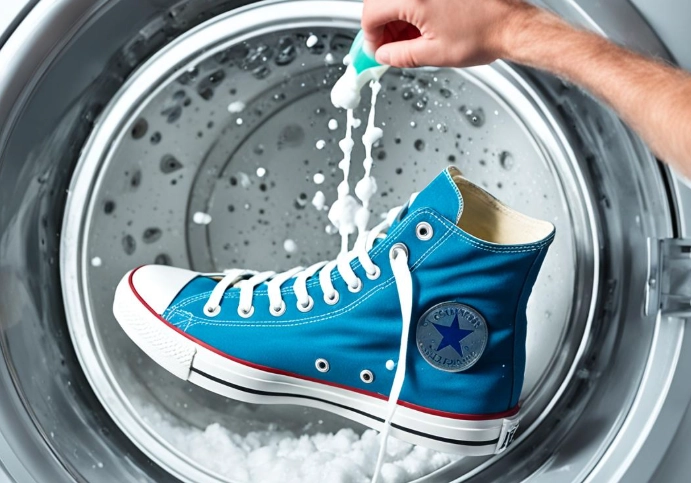
The good news? Cleaning Converse is simpler than you think, but it's not one-size-fits-all. Doing it wrong can lead to shrinkage, glue failure, or that dreaded permanent yellowing. This isn't just a list of steps. It's a care manual from someone who's learned the hard way, designed to match exactly what you're searching for: a clear, safe, and effective way to wash your Chucks.
Your Quick Cleaning Roadmap
- The 5-Minute Prep Work You Should Never Skip
- How to Hand Wash Converse (The Safest Method)
- Can You Machine Wash Converse? A Calculated Risk
- Material-Specific Guide: Canvas, Leather & Suede
- The #1 Mistake Everyone Makes: Drying
- Targeted Attack: Removing Specific Stains
- Your Converse Cleaning Questions, Answered
The 5-Minute Prep Work You Should Never Skip
Jumping straight into washing is where most people mess up. These few steps make all the difference.
First, remove the laces and the insoles. This seems obvious, but you'd be surprised. Laces trap dirt and need their own clean. Throw them in a small mesh bag or a pillowcase if you're machine washing. The insoles are ground zero for odor. Take them out to air out and scrub separately.
Next, dry brush. Use a stiff-bristled brush (an old toothbrush is perfect) or a dry towel to knock off all the loose dirt, mud, and dust. Do this over a trash can. If you add water to caked-on dirt, you're just making mud paste and grinding it deeper into the canvas.
How to Hand Wash Converse (The Safest Method)
For vintage pairs, limited editions, or if you're just super cautious, hand washing is your best bet. It gives you control.
Fill a basin or a plugged sink with cold water. Warm or hot water can weaken the adhesive that binds the rubber sole to the canvas, leading to separation—the dreaded "Converse divorce." Add a small amount of mild detergent. Dish soap like Dawn is a popular choice because it cuts grease, but a dedicated sneaker cleaner or a gentle laundry detergent without bleach or optical brighteners is even better.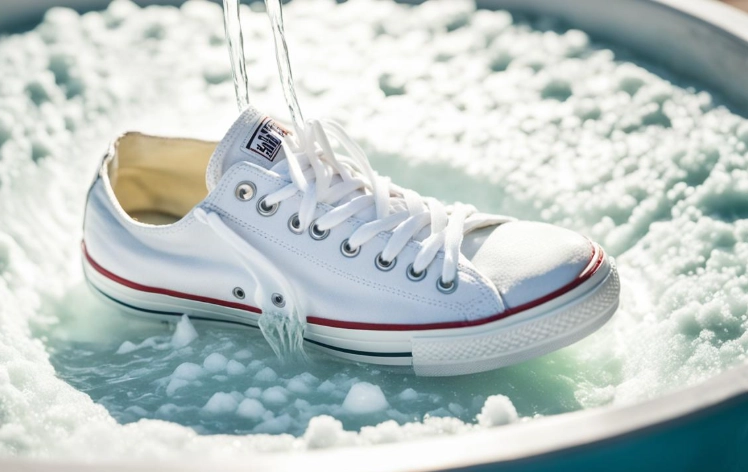
Submerge the shoes and let them soak for 30-60 minutes. This loosens the grime. Don't leave them for hours; prolonged soaking isn't helpful.
Now, scrub. Use your brush in a circular motion, focusing on stained areas. For the iconic white rubber foxing (the strip around the sole), a magic eraser (melamine foam) is a game-changer. It lifts scuffs and dirt without harsh chemicals. Go gently on stitching to avoid fraying.
Rinse thoroughly under cold running water until no soap suds remain. Soap residue attracts more dirt.
Can You Machine Wash Converse? A Calculated Risk
Yes, you can machine wash Converse. Converse's own care guide suggests it's okay for canvas styles. But it's a riskier shortcut. Reserve this for your everyday beaters, not your prized possessions.
If you go this route, you must use a front-loading washer or a top-loader without a central agitator. That big spindle in the middle of older machines can batter and misshape shoes. Place each shoe in its own mesh laundry bag or pillowcase and tie it closed. This protects them and your machine drum.
Use a cold, gentle cycle with a small amount of mild detergent. Do not use fabric softener. Never, ever wash them with heavy items like towels or jeans—the imbalance and abrasion are terrible.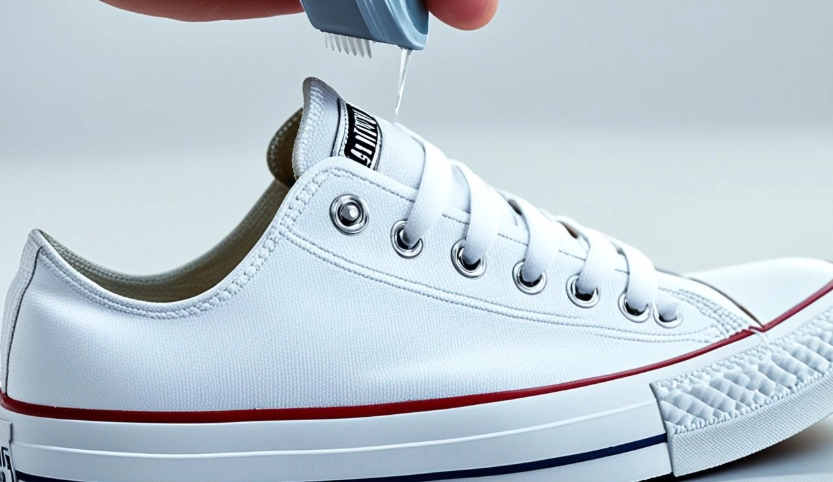
Material-Specific Guide: Canvas, Leather & Suede
Not all Converse are created equal. The classic Chuck Taylor is canvas, but they make leather, suede, and other materials too. Your approach must adapt.
| Material | Best Cleaning Method | What to Avoid | Special Note |
|---|---|---|---|
| Classic Canvas | Hand wash or gentle machine wash (cold). | Hot water, bleach, direct heat. | Most forgiving. Yellowing of white rubber is natural over time. |
| Leather | Wipe with a damp cloth and mild soap. Use leather conditioner after. | Submerging in water. Harsh detergents. | Water can stain and crack leather. Spot clean only. |
| Suede & Nubuck | Use a dry suede brush or eraser. For stains, a dedicated suede cleaner. | Water, liquid soap, heat. | Water creates permanent dark spots. This is a dry-clean-only zone. |
| Platform/Chunky Soles | Same as canvas for upper. Clean thick soles with magic eraser. | Aggressive scrubbing on textured soles. | Dirt gets trapped in sole grooves. A soft brush works best. |
I made the mistake of treating a suede pair like canvas once. A little water spill turned into a dark, blotchy stain that never came out. Learn from my error.
The #1 Mistake Everyone Makes: Drying
This is where perfect washes go to die. After rinsing, stuff the shoes with crumpled white paper (like newspaper without print, or paper towels). This absorbs moisture from the inside out and helps them hold their shape. Don't pack it too tight; you want airflow.
Place them in a well-ventilated area, away from direct sunlight, radiators, or heaters. Direct heat is the enemy. A fan in the room speeds things up. Expect them to take 24-48 hours to dry completely. If the insole is still damp, take it out and dry it separately.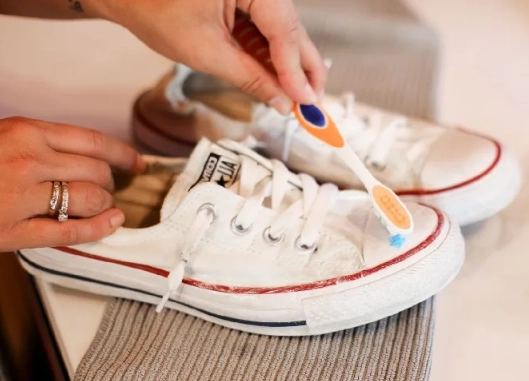
Patience is key. Putting them on while slightly damp stretches them out weirdly and can promote mildew.
Dealing with Yellowed Rubber
The white rubber midsole and toe cap will yellow with age due to oxidation—it's a chemical reaction, not just dirt. It's part of their character. But if you hate it, you can try a paste of baking soda and hydrogen peroxide (3%). Apply it to the rubber, avoid the canvas, and let it sit in sunlight for a few hours before rinsing. Results vary. Some swear by specialized sole brighteners. Honestly, I think a little yellowing looks cool and earned.
Targeted Attack: Removing Specific Stains
General washing might not tackle everything. Here's your stain cheat sheet.
Grass Stains: Treat with a pre-wash stain remover or a dab of isopropyl alcohol on a cotton swab before the main wash. The chlorophyll is stubborn.
Ink: Rubbing alcohol. Dab, don't rub, to pull the ink out. Test on an inside seam first.
Blood: Cold water and a bit of hydrogen peroxide. Hot water sets blood stains.
Mud: Let it dry completely, then brush it off vigorously before any wet cleaning.
Odor: After washing and drying, sprinkle baking soda inside and let it sit overnight. For persistent smells, a spray of equal parts water and white vinegar (let dry) kills bacteria. The vinegar smell dissipates.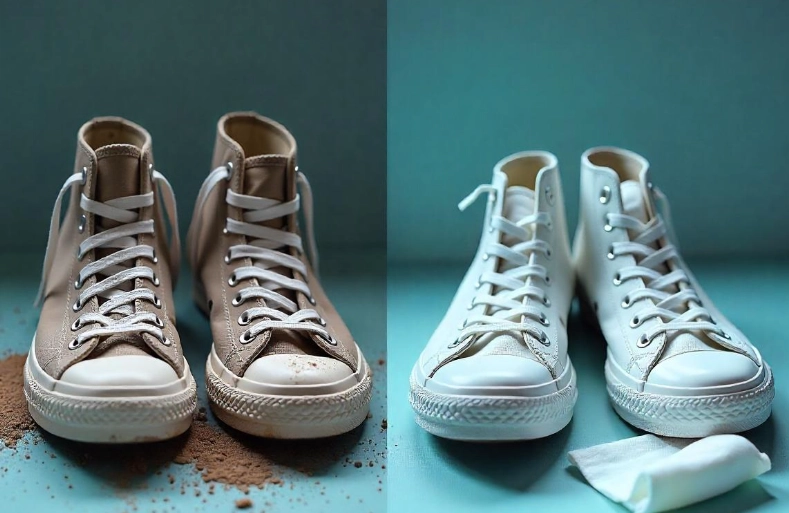
Your Converse Cleaning Questions, Answered