Let's cut to the chase: there's no single "best" fabric for t-shirts. Anyone who tells you otherwise is selling something. The real answer depends entirely on what you want from your shirt. Is it ultimate softness? Zero maintenance? Sweat-wicking for the gym? Or a sustainable choice that lasts decades? I've been buying, wearing, and yes, regretting t-shirt purchases for over a decade. The wrong fabric turns a favorite shirt into a rag after five washes. The right one feels like a second skin for years.
This guide isn't a list of vague pros and cons. We're going deep on the specifics—thread count, GSM (grams per square meter), pilling, shrinkage rates—the details most guides gloss over. By the end, you'll know exactly which fabric matches your life, not just a marketing slogan.
Your Quick Fabric Finder
What Makes a T-Shirt Fabric ‘Good’?
Before naming names, let's set the scorecard. A great t-shirt fabric hits a balance across several axes. Most people only think about softness at the store, but that's just the first date. How does it behave after 30 washes? On a humid day?
Breathability: Can air pass through? This is what keeps you cool. Natural fibers like cotton and linen excel here. Synthetics often trap heat.
Moisture Management: Does it absorb sweat (like cotton) or wick it away (like polyester)? Absorption feels good initially but can lead to a soggy, heavy shirt. Wicking pulls moisture to the surface to evaporate.
Durability & Pilling: Will it develop those annoying little fabric balls? Long-staple fibers (like Pima or Egyptian cotton) resist pilling. Short fibers and loose weaves pill like crazy.
Shrinkage: The silent killer of a perfect fit. Some cottons can shrink 5-10%. Pre-shrunk fabrics are a must for consistency.
Drape and Feel (Hand): How does it hang on your body? A heavy fabric has a substantial drape. A light one might feel flimsy. The "hand" is the tactile quality—silky, crisp, dry, fuzzy.
Ease of Care: Does it need ironing? Can it go in the dryer? Your lifestyle dictates this more than you think.
The Contenders: A Fabric-by-Fabric Breakdown
Here’s where we get into the nitty-gritty. I've put the key data in a table for quick comparison, but the real insights are in the details below.
| Fabric | Best For | Feel & Breathability | Durability & Care | Biggest Downside |
|---|---|---|---|---|
| Cotton (Combed) | Everyday wear, softness | Soft, breathable, classic | Good, can shrink/pill | Shrinks, holds sweat |
| Linen | Hot weather, casual style | Super breathable, crisp, dry | Strong but wrinkles easily | Wrinkles immediately |
| Hemp | Eco-warriors, durability | Breathable, gets softer | Extremely durable | Can be rough at first |
| Bamboo Rayon | Silky softness, lounging | Very soft, cool, drapey | Less durable, delicate wash | Often not eco as claimed |
| Performance Blends | Sports, travel, activity | Wicks sweat, stretches | Very durable, easy care | Can feel synthetic, odor |
Cotton: The King (With Flaws)
Cotton is the default for a reason. It's naturally breathable, soft, and biodegradable. But not all cotton is equal. The thread count (like 30s, 40s) and GSM matter more than the label "100% cotton." A 180 GSM cotton tee is mid-weight, good for most days. A 140 GSM is light, almost sheer. Over 200 GSM is heavy, like a sweatshirt.
Combed cotton is where you should start. The process removes short fibers, resulting in a smoother, stronger yarn that pills less. I always look for "combed" on the tag.
Pima, Supima, and Egyptian are long-staple cottons. They feel luxuriously soft and are more durable. But here's a secret: a well-made combed cotton tee can feel 90% as good for half the price. The real upgrade is in longevity, not day-one softness.
The elephant in the room: shrinkage. Always, always check if it's "pre-shrunk." If not, size up. And cotton's great breathability is a curse during exercise—it absorbs sweat and becomes a wet, heavy blanket.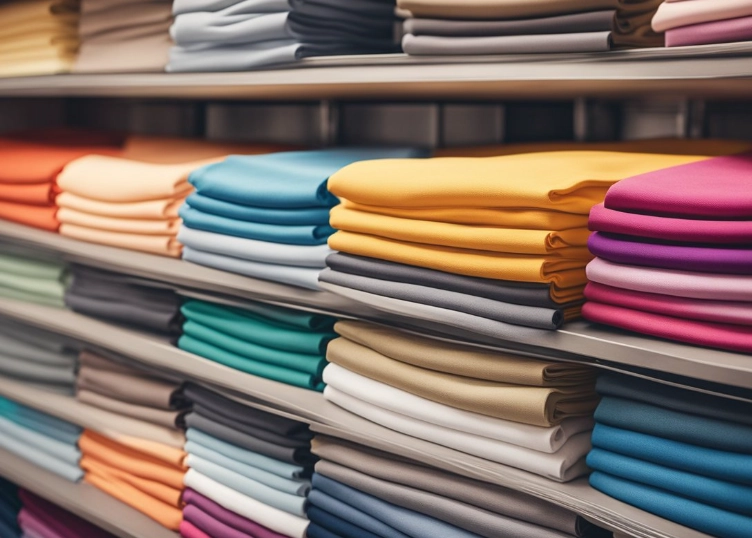
Linen: The Breathable Beast
Linen is made from flax. It's arguably the most breathable fabric on earth. On a 90-degree day, a linen tee is a lifesaver. It has a unique, dry, slightly textured feel that cotton can't match.
But it wrinkles. Not just a little—it crumples the moment you put it on. You either embrace the rumpled, relaxed look or you don't buy linen. Ironing it is a futile battle. I love linen for weekend wear, but I'd never wear it to a meeting where I need to look crisp.
Quality linen gets softer and more beautiful with every wash. A good one lasts forever. It's also naturally antibacterial and dries fast.
Hemp: The Underrated Workhorse
Hemp is linen's tougher cousin. It's incredibly durable—I have a hemp tee that's survived 8 years of camping and hiking. It's highly sustainable, requiring little water and no pesticides.
The feel is initially coarser than cotton, but it softens dramatically over time. Its breathability is top-tier, and it has natural UV resistance. It's often blended with cotton (e.g., 55% hemp, 45% cotton) to improve the initial hand feel. If you prioritize planet and longevity over instant gratification, hemp is your fabric.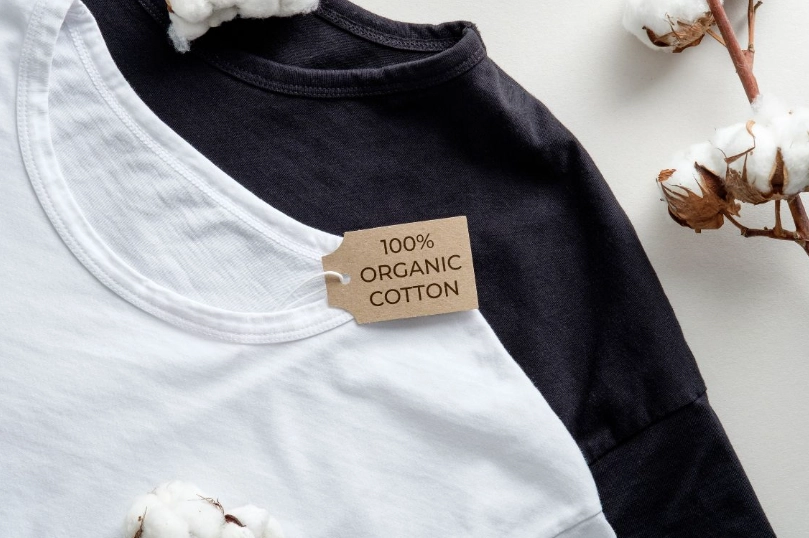
Bamboo Rayon/Viscose: The Silky Imposter
This is the softest, most drapey fabric you'll find. It feels cool and silky against the skin. It's often marketed as an eco-miracle, but that's fuzzy. Bamboo rayon is a processed fiber. The bamboo plant is sustainable, but the chemical process to turn it into soft fiber (using sodium hydroxide and carbon disulfide) isn't exactly green. It's more accurate to call it a rayon made from bamboo.
Performance-wise, it's breathable and great for sensitive skin. But it's not very durable. It can lose shape, pill, and often requires delicate, cold washing. It's a fantastic lounge or sleep shirt, but don't expect it to hold up like cotton.
Performance Blends (Polyester/Cotton, Poly/Spandex)
This is the fabric of your gym shirts and travel tees. A typical blend is 60% cotton, 40% polyester. The polyester adds durability, reduces shrinkage, and improves wicking. Adding 2-5% spandex gives stretch.
For intense activity, a higher polyester ratio (like 90/10) is better for wicking. The downside? It can feel plasticky and trap body odor. Polyester fibers are hydrophobic (repel water), which is great for wicking, but oils and odor molecules stick to them. You need technical washes to fully remove the smell. I avoid 100% polyester for everyday wear—it just doesn't breathe well enough for me.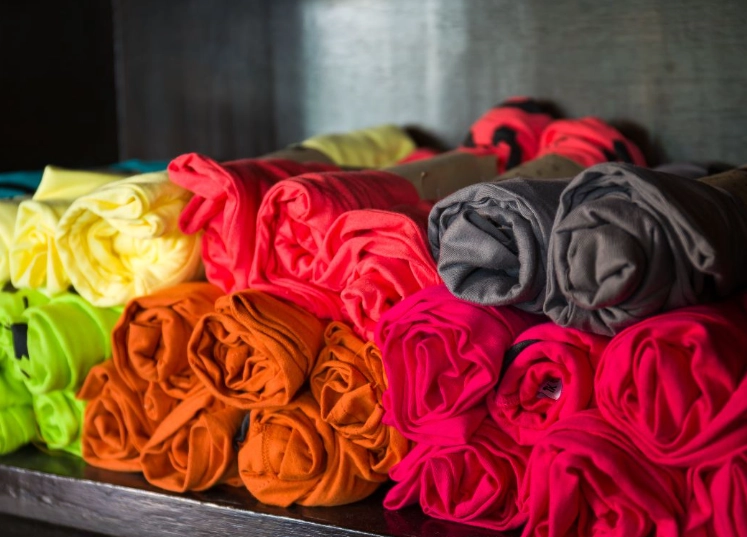
My Personal Take: For daily wear, a high-quality, pre-shrunk combed cotton (or a cotton-poly blend) is the most reliable workhorse. For sustainability and character, hemp and linen are unbeatable. Save bamboo for loungewear and performance blends for the gym. Ignore the hype and match the fabric to the job.
How to Choose Your Perfect T-Shirt Fabric
Stop thinking about fabric in a vacuum. Think about your scenario.
For the Office (under a shirt or solo): You need a clean, crisp look. A mid-weight combed cotton (180-200 GSM) holds its shape best. Avoid anything too thin or drapey. A cotton-poly blend (like 60/40) is a safe bet because it resists wrinkles and shrinkage.
For Hot & Humid Summers: Linen is the winner, hands down. Embrace the wrinkles. A lightweight hemp-cotton blend is a close second, offering better wrinkle resistance.
For the Gym & Sports: This is where natural fibers often fail. You want a performance blend with at least 50% polyester for wicking, and 2-5% spandex for mobility. Look for terms like "moisture-wicking" and "4-way stretch." Brands like Nike Dri-FIT or Under Armour Charge Cotton use these engineered fabrics for a reason.
For Ultimate Softness & Lounging: Bamboo rayon or a high-grade long-staple cotton like Supima. Check the GSM—something around 150-160 feels luxurious without being heavy.
For Travel & Easy Care: A cotton-polyester blend (50/50 or 60/40) is your friend. It dries faster, wrinkles less, and can handle hotel dryers without shrinking into a child's size.
For Sustainability: Look for certified organic cotton (like GOTS), hemp, or linen. Be wary of vague "bamboo" claims unless they specify a closed-loop process. Recycled polyester (rPET) is also a good option in performance blends, giving plastic bottles a second life.
Expert Advice: Avoid These Common Mistakes
After years of trial and error, here are the blunders I see everyone make.
Mistake 1: Chasing High Thread Count Alone. A 40s single-ply cotton is great. A 30s is fine and more durable. An 80s two-ply is incredibly soft but can be delicate. Higher isn't always better for a t-shirt you want to actually wear and wash regularly.
Mistake 2: Ignoring the GSM. This number tells you the fabric's weight. Below 140 GSM is very light, often see-through. 150-180 GSM is standard, good quality. 200+ GSM is premium, heavyweight. Match it to the season and use.
Mistake 3: Assuming "Wrinkle-Resistant" is Magic. This finish often involves chemicals (like formaldehyde resins). It works, but it can degrade the fabric over time and some people are sensitive to it. Sometimes, accepting a few wrinkles is the healthier choice.
Mistake 4: Buying a "Fashion Fit" in the Wrong Fabric. A slim-fit tee in 100% cotton will shrink. If you want a tight fit that lasts, look for a blend with some polyester or spandex, or ensure the cotton is garment-dyed and pre-shrunk.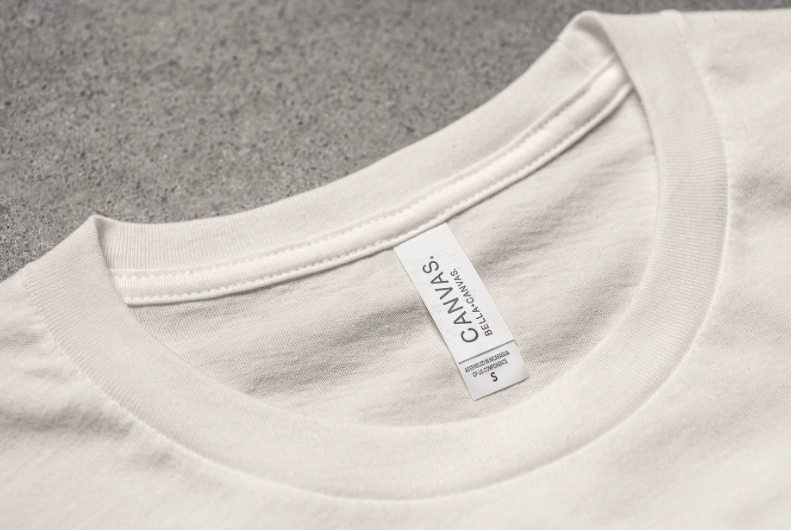
Care Guide: Make Your Tees Last
The best fabric can be ruined by bad care. This isn't just about longevity; it's about preserving the feel.
- Wash in Cold Water. Always. Hot water accelerates fading and shrinkage, especially for cotton and linen.
- Turn Them Inside Out. This reduces pilling and fading from friction in the wash.
- Skip the Fabric Softener. It coats the fibers, reducing absorbency and breathability. For softness, use wool dryer balls instead.
- Tumble Dry Low or Air Dry. High heat is the #1 cause of shrinkage. Air drying is gentlest and saves energy. For cotton, a quick 10-minute tumble on low before air drying can help reduce stiffness.
- Iron on Medium Heat if Needed. Use steam for linen. For performance blends, often no ironing is needed.
Your T-Shirt Fabric Questions, Answered
The search for the best t-shirt fabric ends with understanding your own needs. There's no trophy for picking the most expensive or trendy material. The winner is the fabric that makes you forget you're even wearing a t-shirt—because it just works, wash after wash, year after year. Start with a trusted combed cotton for basics, then branch out to linen for summer or a smart blend for the gym. Your closet will thank you.