Let's be honest. Most of us have a horror story about washing jeans. That favorite pair that came out two sizes smaller. The dark indigo that faded to a sad, blotchy gray after one cycle. I've been there—I once turned a perfectly fitting raw denim pair into high-waters with a hot wash. Getting a good wash on jeans isn't just about cleaning them; it's a preservation ritual. It's the difference between jeans that last a decade and look better with age, and jeans that are shot in a season. Forget the old myths. Here's the real, no-nonsense guide based on what actually works.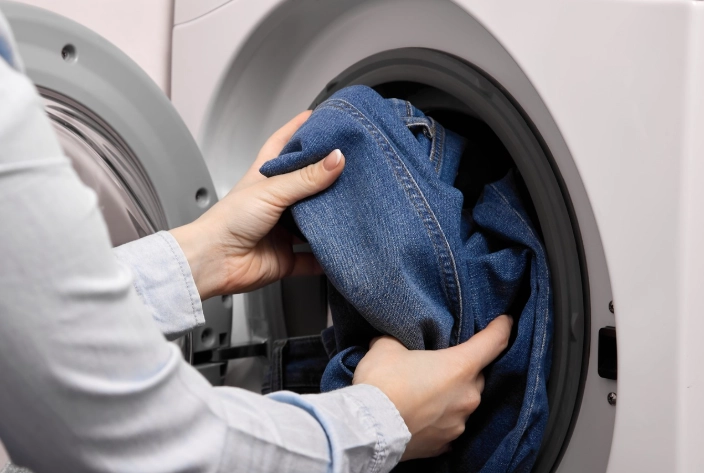
What's Inside: Your Denim Care Roadmap
- The Biggest Mistake: Washing Too Often (or Never)
- Your Pre-Wash Ritual: The 3 Non-Negotiables
- The Detergent Decision: What to Use (and What to Avoid)
- Machine vs. Hand Wash: A Step-by-Step Breakdown
- The Drying Debate: How to Air-Dry for Perfect Fit
- Special Cases: Raw Denim, Stains, and White Jeans
- 5 Common Errors That Destroy Jeans
How Often Should You Wash Jeans? Debunking the Myth
This is where everyone gets it wrong. You have the "never wash" purists and the "after every wear" clean freaks. Both are extremes that hurt your jeans.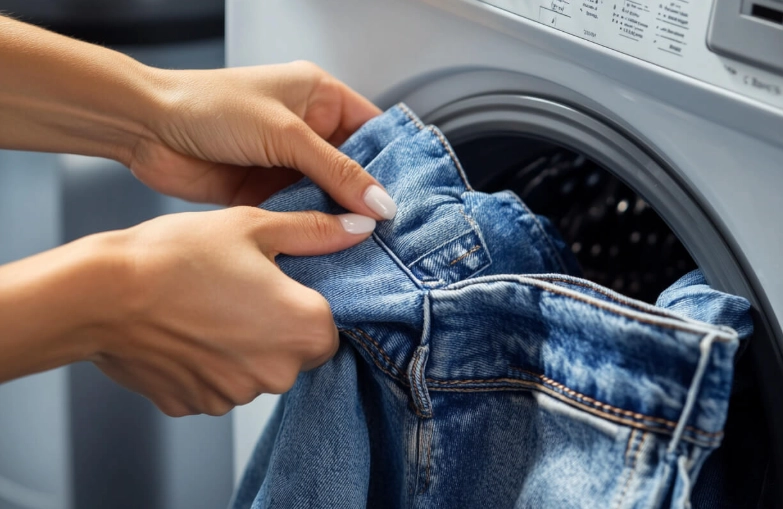
Washing too often is the fast track to fading and fabric breakdown. The agitation and detergent strip away the indigo dye and break down the cotton fibers. But never washing? That's just gross. Body oils, sweat, and dirt build up, making the fabric stiff, smelly, and more prone to tearing at stress points like the knees and crotch.
The sweet spot? Wash them when they are visibly soiled, smell, or have lost their shape. For most people, that's every 5-10 wears. If you just sat at a desk all day, air them out. If you did yard work or went out for a sweaty evening, that's a wash cue. Trust your senses, not a rigid calendar.
Your Pre-Wash Ritual: The 3 Non-Negotiables
Skip these steps, and you're asking for trouble. This takes two minutes and saves you heartache.
1. Empty Every Pocket. No, Really.
It sounds obvious, but a forgotten gum wrapper or tissue will disintegrate into a thousand tiny, sticky pieces that coat your entire load. Check every pocket, including the tiny watch pocket. Turn them inside out? Do that after the pocket check.
2. Fasten All Closures
Zip up the fly and button (or snap) the waistband. This prevents the metal teeth from catching on other fabrics and snagging your jeans. It also helps the jeans hold their shape during the spin cycle.
3. Turn Them Inside Out
This is the single most effective trick for color preservation. The inside of the denim faces outward, taking the brunt of the friction and detergent. The outer surface, where the dye is most visible, gets a much gentler treatment. This minimizes fading and keeps those honeycombs and whiskers looking crisp.
The Detergent Decision: What to Use (and What to Avoid)
Not all detergents are created equal for denim. Using the wrong one can leave residue, accelerate fading, or weaken fibers.
| Detergent Type | Best For | What to Watch Out For |
|---|---|---|
| Liquid, Mild (e.g., Woolite Dark) | All jeans, especially dark or colored denim. Formulated to protect dyes. | Some "dark" formulas can still fade if overused. Measure carefully. |
| Powdered Detergent | Heavily soiled work jeans. Can be more effective on ground-in dirt. | Must dissolve completely. Residue can leave white streaks on dark denim. |
| Specialty Denim Cleaner | High-end or raw denim. Very gentle, minimal ingredients. | Expensive. Often requires hand washing. |
For most home washes, a capful of a mild liquid detergent is perfect. If you're dealing with tough stains, pre-treat them directly with a dab of detergent before the wash.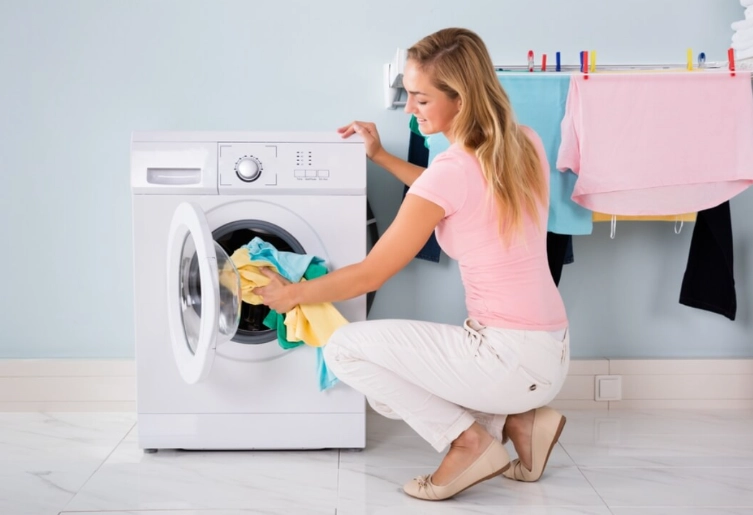
Machine vs. Hand Wash: A Step-by-Step Breakdown
How to Wash Jeans in a Washing Machine (The Safe Way)
Yes, you can use your washer. I do it all the time. The key is controlling the variables.
- Water Temperature: Cold water. Always. Hot water sets stains and is the primary cause of shrinkage. Cold water preserves color and fit. The "sanitary" cycle is for towels, not your Levi's.
- Cycle Selection: Use the Gentle, Delicate, or Hand Wash cycle. These have slower agitation and spin speeds. The "Heavy Duty" cycle is like putting your jeans in a boxing match.
- Load Size: Wash jeans with similar colors (darks with darks) and avoid overloading the drum. They need room to move freely. Throwing them in with heavy towels can cause excessive abrasion.
- Extra Rinse: If your machine has the option, add an extra rinse cycle to ensure all detergent is flushed out.
How to Hand Wash Jeans (For Ultimate Control)
This is the gold standard for raw denim, new dark jeans, or any pair you're deeply invested in.
- Fill a clean bathtub or large basin with cold water.
- Add a very small amount of mild detergent and swish to dissolve.
- Submerge your inside-out jeans. Gently press them down and agitate with your hands for 2-3 minutes. Don't twist or wring.
- Let them soak for 30-45 minutes. No longer, or you risk dye loss.
- Drain the soapy water. Refill with fresh cold water and gently agitate to rinse. Repeat until the water runs clear.
Hand washing is meditative. You see the color that comes out (it's always shocking), and you have zero risk of mechanical damage.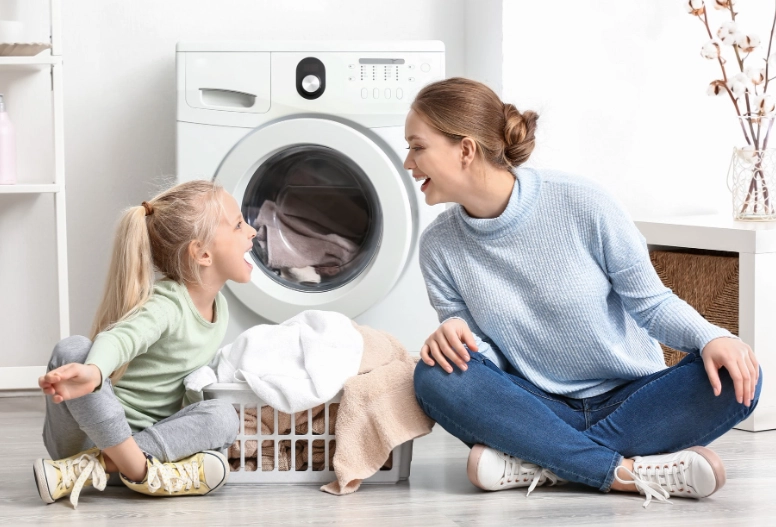
What's the Best Way to Dry Jeans?
If you remember one thing from this guide, let it be this: Never, ever put your jeans in a clothes dryer. The heat is catastrophic. It causes severe, unpredictable shrinkage, sets wrinkles permanently, and bakes in stiffness.
Air-drying is the only way. Here's how to do it right:
- After the wash, gently press excess water from the jeans. Don't wring them out violently.
- Shake them out to help restore the shape.
- Hang them from the waistband with a sturdy, shaped hanger (like a wooden pant hanger) or clip them by the hem. Hanging from the waist ensures they dry in their natural drape.
- Dry them indoors or in a shaded, well-ventilated spot outdoors. Direct sunlight will fade the color.
- Expect it to take 12-24 hours to dry completely. This is normal.
They will feel stiff when dry. This is not dirt—it's the natural starchiness of cotton. Put them on and move around for 5 minutes; they'll soften up and mold to your body again.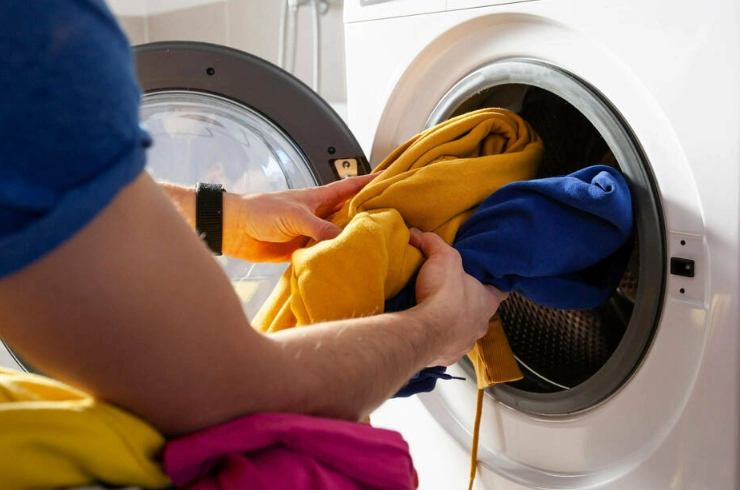
Special Cases: Raw Denim, Stains, and White Jeans
Not all jeans are created equal. Your $30 fast-fashion jeans and your $300 selvedge denim need different approaches.
Raw/Selvedge Denim: The "never wash" crowd champions these. The truth is, they need washing eventually to remove grime. Wait at least 6 months of regular wear for the initial fades to set. Then, use the hand wash method exclusively with a specialty detergent. The first wash will release a lot of dye—that's the famous "shrink-to-fit" and fade evolution happening.
Grease or Oil Stains: Don't wash immediately! Washing sets oil stains. Pre-treat with a few drops of dish soap (like Dawn) directly on the stain. Rub it in gently and let it sit for 15 minutes before washing as normal with cold water.
White or Light-Wash Jeans: The goal is to keep them bright, not dingy. Wash them separately from any colored items. You can use a slightly warmer (not hot) wash if needed. A blue- or violet-based brightener (like Mrs. Stewart's Bluing) in the rinse water can counteract yellowing.
5 Common Errors That Destroy Jeans (And How to Avoid Them)
- Using Hot Water: The #1 cause of shrinkage and fading. Commit to cold water.
- Overloading the Washer: Creates friction and wear. Give your jeans space.
- Overusing Detergent: More soap doesn't mean cleaner. It means more residue that attracts dirt and stiffens fabric. Use half the recommended amount.
- The Dryer: Just don't. It's a denim death sentence.
- Washing Brand New Jeans "To Soften Them": This washes away the protective sizing and can ruin the intended finish. Wear them a few times first.
Getting a good wash on jeans is simple once you know the rules. It's about gentle treatment, cold water, no heat, and a bit of patience. Treat your jeans like the investment they are, and they'll reward you with better fits, richer colors, and years more wear.
Your Denim Wash Questions, Answered
Can I use fabric softener on jeans to make them less stiff?
How do I prevent my jeans from shrinking?
Can I wash jeans with other clothes?
Why do my jeans still smell after washing?
Is it okay to iron jeans?