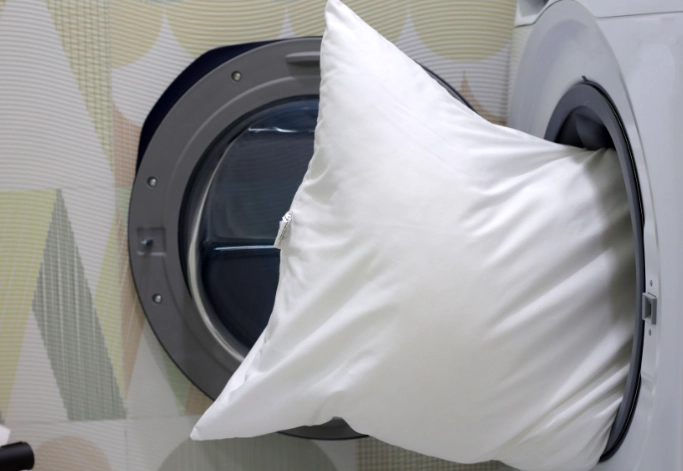
Let's be honest. Washing pillows feels like a chore you can ignore forever. They don't look dirty, right? But flip one over after a year or two, and the yellow stains, the smell, the dust mite party going on inside... it's not pretty. I learned this the hard way after a bout of allergies made me investigate. Throwing them out and buying new ones every year is expensive and wasteful. The good news? You can absolutely machine wash most pillows, and it's simpler than you think—if you know the rules. This guide cuts through the confusion. We'll walk through the universal steps, then dive into the specifics for down, memory foam, polyester, and everything in between.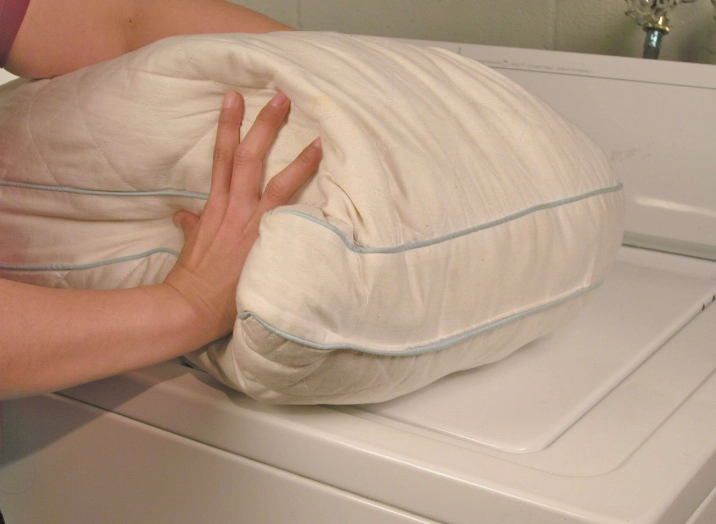
What You'll Learn in This Guide
How to Machine Wash Pillows: The Universal Step-by-Step Process
Before you even think about the washing machine, start here. Skipping these prep steps is where 80% of pillow-washing disasters begin.
Step 1: The Care Label Interrogation. Find the tag. It's usually sewn into a side seam. Look for symbols: a tub of water means it's washable. If it has an "X" over the tub, stop. Do not machine wash. If it says "spot clean only," listen. If it's blank or torn off, you'll need to proceed with caution based on the pillow type (we'll get to that).
Step 2: The Pre-Wash Checkup. Feel for lumps, tears, or seams that are coming apart. A small hole will become a massive, filling-exploding disaster in the spin cycle. Repair any tears with a needle and thread. Give the pillow a good whack outside to loosen dust. For stains, pre-treat with a dab of mild liquid detergent or a stain remover. Don't soak it, just dab.
Step 3: The Machine Setup. Use a front-loading or top-loading HE (high-efficiency) machine without a central agitator if possible. That big central post in older top-loaders can twist and tear pillows. If that's all you have, place the pillows vertically around the agitator, not horizontally over it. Select the gentle or delicate cycle with cold or warm water (never hot, unless you're sanitizing a specific synthetic pillow—see below). Hot water can set protein-based stains (sweat, body oils) and damage fills.
Step 4: Detergent & Rinse. Use about half the amount of mild liquid detergent you'd normally use. Powder detergent can clump and not fully rinse out. Avoid fabric softener and bleach—they coat fibers and break down materials. This is crucial: add an extra rinse cycle. Pillows are sponges for soap and water; leftover detergent means a stiff, itchy pillow and can promote mildew.
Step 5: The All-Important Drying. This is the marathon, not the sprint. Tumble dry on low heat. Throw in two or three clean dryer balls or clean tennis balls. They bash the pillow to break up clumps of wet filling as it dries. Check every 30 minutes. Stop, fluff, and rearrange. A pillow can feel dry on the outside but be a damp, moldy mess inside. This process can take 2-4 hours. Be patient. Air drying flat is an option but takes days and risks mildew unless you're in a very dry, sunny, breezy spot.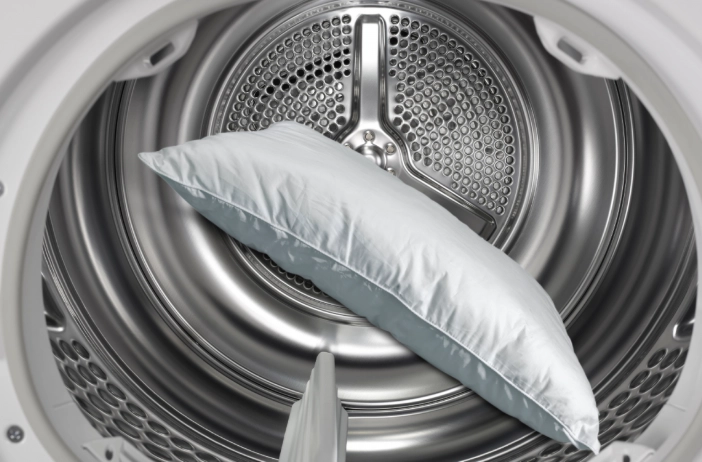
How to Wash Different Types of Pillows in a Washing Machine
Not all pillows are created equal. Here’s your cheat sheet for the most common types.
Down or Feather Pillows
These are more durable than people think. The key is gentle handling and thorough drying. Use cold water on the gentle cycle. A down-specific detergent (like Nikwax Down Wash) is fantastic—it cleans without stripping natural oils that keep clusters fluffy. The dryer is critical. Low heat with dryer balls. They might clump horrifically when wet. Don't panic. Keep drying and breaking them up. It may take 3+ hours. They're done when there's zero dampness and the filling moves freely.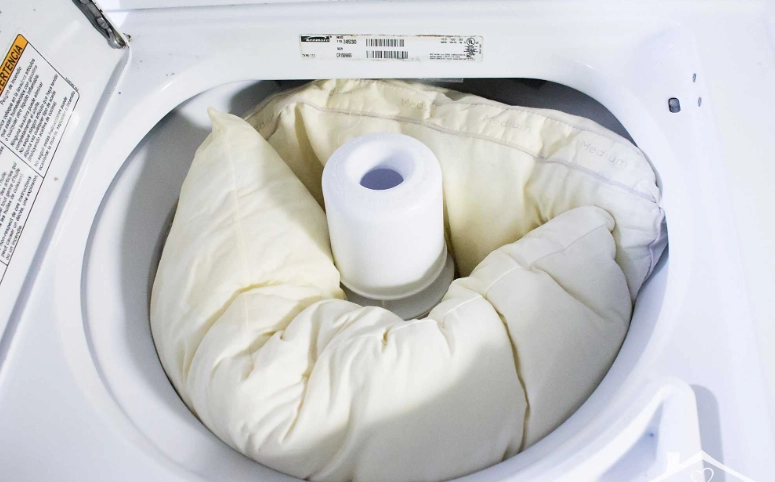
Memory Foam & Latex Pillows
Here's the non-consensus truth most guides get wrong: Most solid memory foam pillows are NOT machine washable. The agitation can crack and break the foam. The tag almost always says "spot clean only." You can, however, remove and wash the zip-off cover. For the foam core, vacuum it and spot clean with a damp cloth and mild soap. Air dry completely. Some shredded memory foam pillows claim to be machine washable—follow the label exactly, use ultra-gentle settings, and expect a very long dry time.
Polyester, Microfiber, or Synthetic Fill Pillows
These are the workhorses and the easiest to wash. Warm water is fine here. You can even use a bit of bleach (if white) or oxygen-based bleach to sanitize and brighten if they're yellowed. They dry faster than down, but still use low heat and check for internal dampness.
Buckwheat or Millet Hull Pillows
Do not put these in the washer. You'll have a soggy, ruined mess. Empty the hulls into a container, wash the fabric shell alone on gentle, dry it, and refill.
| Pillow Type | Machine Washable? | Key Washing Tip | Drying Tip |
|---|---|---|---|
| Down/Feather | Yes | Use down-specific detergent, cold water, gentle cycle. | Low heat + dryer balls. 3+ hours. Fluff often. |
| Memory Foam (Solid) | No (Spot Clean) | Wash removable cover only. Wipe core with damp cloth. | Air dry foam completely away from sun/heat. |
| Polyester/Synthetic | Yes | Warm water okay. Can sanitize with non-chlorine bleach. | Low heat. 1-2 hours. Check for clumps. |
| Latex | No | Follow memory foam rules. Very sensitive to agitation. | Air dry only, thoroughly. |
| Wool | Check Label | Often hand-wash or dry-clean only. Use wool detergent if washable. | Lay flat to air dry. Never tumble dry. |
Common Pillow Washing Mistakes and How to Avoid Them
I've ruined a pillow or two in my time, so learn from my errors.
Using Too Much Detergent. It doesn't rinse out. Your pillow gets stiff, attracts more dirt, and can irritate your skin. Half the dose is plenty.
Overloading the Washer. One, maybe two pillows max in a standard machine. They need room to agitate and rinse. Cramming them in leads to poor cleaning and mechanical stress.
Skipping the Extra Rinse. This is non-negotiable. Soap residue is public enemy number one for fresh pillows.
High Heat in the Dryer. High heat can melt synthetic fibers, cause down to become brittle, and shrink covers. It's a slow, low-heat game.
Not Checking for Hidden Damage. That tiny seam tear you ignored? It's now a foot-long gash spewing foam pellets everywhere. Check and repair first.
How Often Should You Wash Your Pillows?
The general rule is every 3 to 6 months. Think of it seasonally. A good schedule: wash them when you switch out your heavy winter blankets for lighter summer ones, and again when you switch back.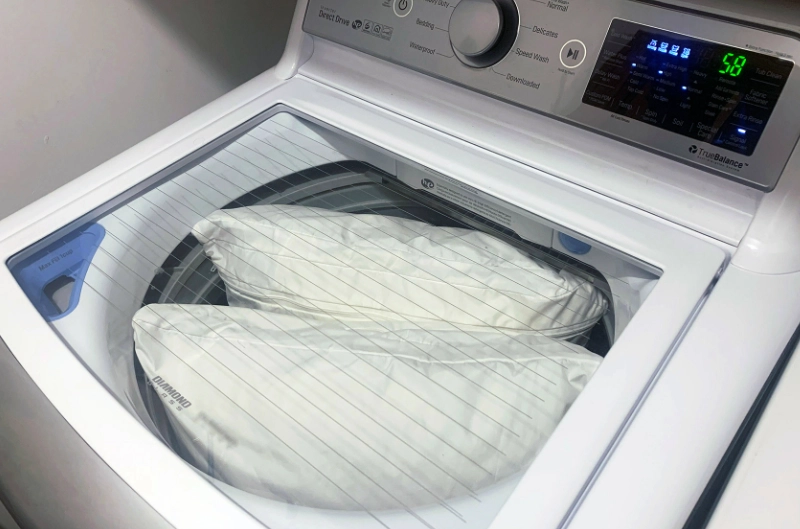
If you have allergies, asthma, or sweat a lot, lean towards every 3 months. Use allergen-proof pillow protectors (which you should wash every 1-2 weeks). They're the best thing you can do to extend time between full pillow washes.
You'll know it's time when they look discolored, feel lumpy, have an odor, or your allergies flare up at night.
Frequently Asked Questions About Washing Pillows