Let's cut to the chase. The "best" fabric for a blanket doesn't exist. I know, that's probably not the simple answer you wanted. But after a decade of testing everything from cheap fleece throws to heirloom wool blankets, I've learned it's the wrong question. The right question is: what's the best fabric for *your* blanket, for *your* specific needs? Is it for sweltering under on a winter night, or for draping over the couch on a cool evening? Are you buying for a baby with sensitive skin, or for a camper who needs something rugged? The material makes all the difference. This guide won't just list fabrics; it'll help you match them to your real life.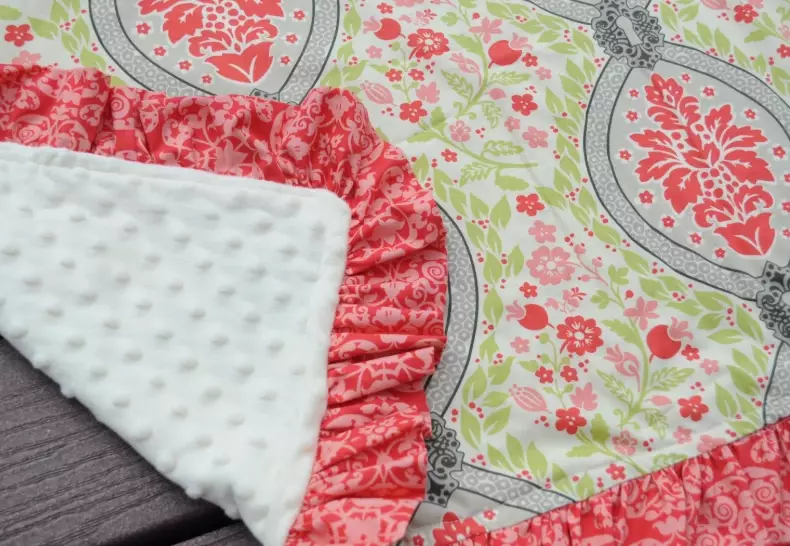
What's Inside This Guide
The Great Blanket Fabric Showdown: Pros, Cons & Best Uses
Think of this as your cheat sheet. Most blankets fall into one of these core categories. The devil is in the details—like the type of cotton or wool—but this table gives you the lay of the land.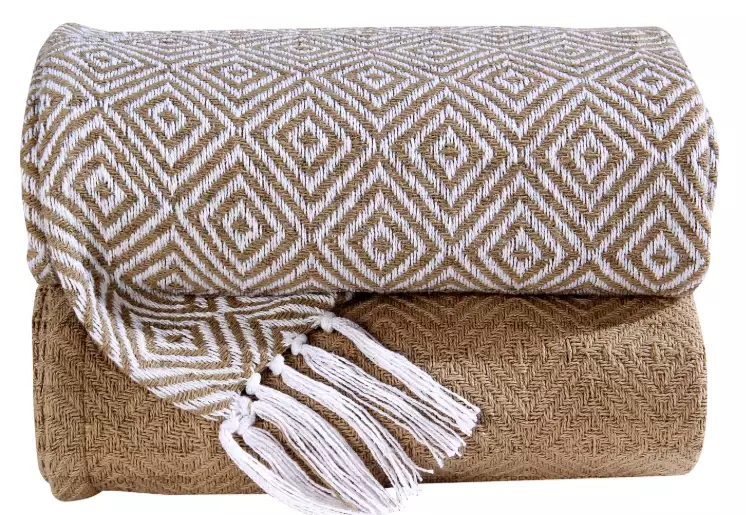
| Fabric | Feel & Warmth | Durability & Care | Ideal For... | Watch Out For... |
|---|---|---|---|---|
| Cotton (e.g., Jersey, Flannel, Woven) | Breathable, naturally temperature-regulating. Flannel is brushed for extra softness and warmth. Woven cotton (like percale) is crisp and cool. | Very durable, machine washable. Can shrink if dried on high heat. Gets softer with washes. | Year-round use, hot sleepers, sensitive skin, layering. Flannel is perfect for chilly nights. | Basic, thin cotton isn't very warm. Quality varies wildly—look for long-staple or Pima cotton. |
| Wool (e.g., Merino, Lambswool, Cashmere) | The king of warmth-to-weight ratio. Wicks moisture, stays warm even when damp. Merino is soft; traditional wool can be itchy. | Extremely durable and resilient (resists wrinkles). Often dry clean or hand wash only. Naturally flame-resistant. | Serious warmth, moisture management (for campers or sweaty sleepers), allergy sufferers (dust mites hate it). | Cost, potential itch factor, special care needs. Can feel too warm for some. |
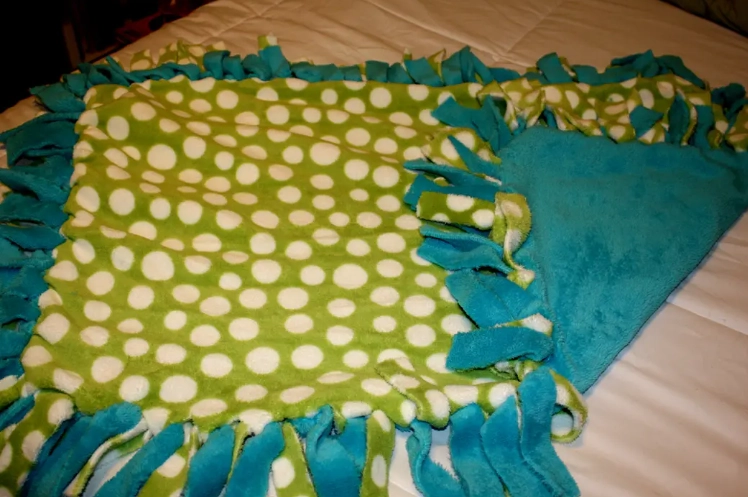
| Fleece (Polyester) | Incredibly soft and lightweight. Provides good warmth by trapping air. The "cozy" feeling is immediate. | Pills over time, especially with frequent washing. Dries quickly. Not very breathable. | Kids' blankets, throw blankets for the couch, outdoor activities, budget-friendly warmth. | Static cling, can overheat you, environmental concerns (microplastics), lacks breathability. |
| Acrylic | Often mimics the look of wool at a fraction of the price. Lightweight and colorfast. | Prone to pilling and can develop an unpleasant plastic-like feel over time. Machine washable. | Decorative throws where looks are prioritized over long-term feel and performance. | It's a petroleum-based synthetic. It doesn't breathe well and lacks the natural benefits of wool or cotton. |
| Chenille (Often cotton/poly blend) | Uniquely plush, velvety texture. Visually luxurious and very soft to the touch. | The tufted yarn can snag or pull if caught on something (like a pet's claw or a ring). Requires gentle washing. | A luxurious-feeling accent blanket for a sofa or chair. Great for texture. | Not the most durable for heavy daily use. The texture can trap dust and crumbs. |
Beyond the Basics: Niche & Luxury Fabrics
Now let's talk about the special occasion fabrics. You won't find these in every big-box store, but they're worth knowing.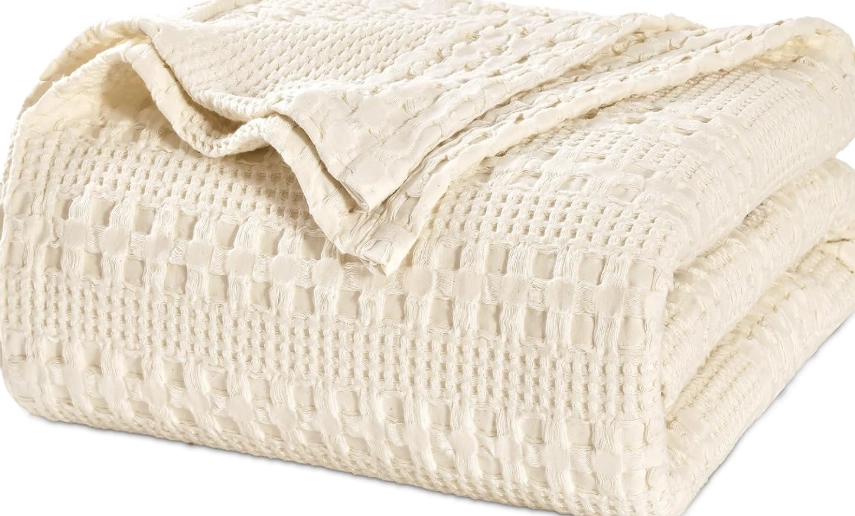
Linen: The Cool, Crisp Contender
Linen gets a bad rap for being wrinkly, but that's part of its charm. Made from flax, it's incredibly breathable and gets softer with every wash. It's perfect for summer blankets or for someone who always sleeps hot. It wicks moisture away better than almost anything. Yes, it's expensive and has a distinct, slightly textured feel that not everyone loves immediately. But if you value temperature regulation over plushness, it's a top-tier choice.
Bamboo Viscose/Lyocell: The Silky Smooth Operator
Often marketed as "bamboo," this fabric is usually a type of rayon made from bamboo pulp. Don't get hung up on the semantics. The result is a blanket that feels silky, drapey, and incredibly soft—often cooler to the touch than cotton. It's hypoallergenic and moisture-wicking. The catch? It requires gentle care (cold wash, lay flat to dry) and the production process varies in its environmental friendliness. Look for brands using the Lyocell (TENCEL™) process, which is a closed-loop, more sustainable method.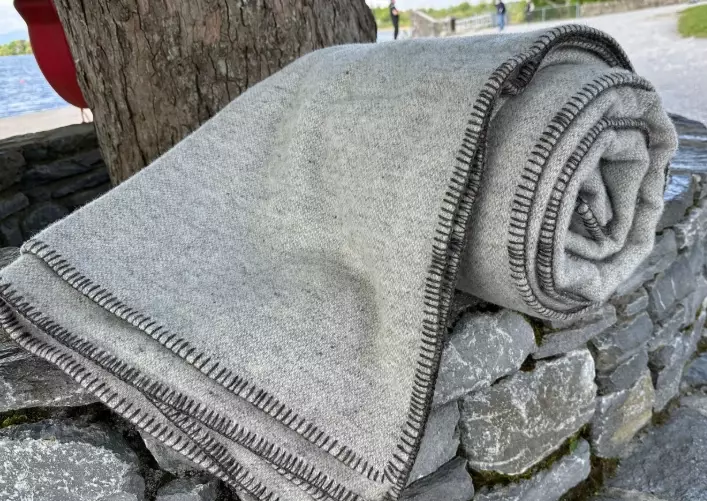
Down & Down Alternative: The Puffy Insulators
These aren't fabrics in the traditional sense, but fillings. A down blanket (with a cotton or polyester shell) is the gold standard for lightweight, lofty warmth. It traps heat brilliantly. Down alternative (usually polyester clusters) is a great vegan and hypoallergenic option that mimics the feel. For both, the quality is in the fill power (for down) or cluster construction. A cheap down alternative blanket will flatten into a sad pancake in a year.
How to Match a Fabric to Your Life (Not Just Your Bed)
Let's get practical. Here’s how I advise people based on their actual situations.
For the Master Bedroom (Year-Round): You need a versatile layer. A medium-weight, long-staple cotton blanket (like a good quality quilt or coverlet) is your workhorse. For winter, add a wool or a heavy cotton flannel blanket underneath. This combo lets you adjust without overheating.
For the Living Room Couch: Durability and easy care are key. This is where acrylic or a cotton-poly blend often lives, and that's okay. They hold color well and survive spills. For a nicer feel, a sturdy cotton chenille or a washable wool blend throw is a huge upgrade. Skip delicate cashmere here—it'll get destroyed by popcorn crumbs and dog paws.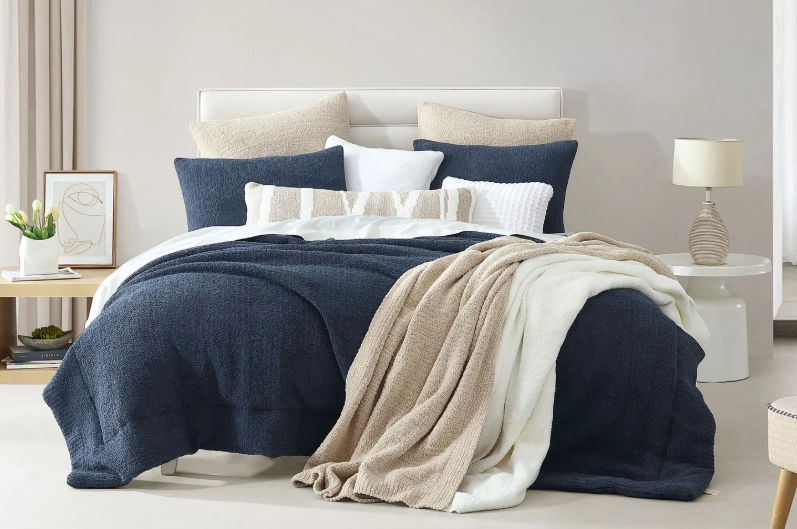
For a Child or Sensitive Skin: Think breathable and non-irritating. 100% cotton (jersey knit is super soft) is the safest bet. Avoid loose weaves little fingers can get caught in. For warmth, cotton flannel is fantastic. I'm wary of fuzzy fleece for very young babies as it can be a bit too warm and isn't breathable.
For Camping or the Guest Cabin: You need performance. Wool is the undisputed champion here. It insulates even when wet, resists odors, and doesn't hold moisture like cotton (which can feel clammy). A wool camp blanket is an investment that lasts decades.
Why Care Instructions Matter More Than You Think
This is the part everyone skips, and it's where good blankets go to die. Your blanket's lifespan is determined in the laundry room.
I ruined a beautiful merino wool throw by tossing it in the machine on a normal cycle. It felted into a stiff, miniature version of itself. Lesson painfully learned.
Cotton and Synthetics (Fleece, Acrylic): Generally machine washable. Use cold water and low heat drying to prevent shrinkage (cotton) and pilling (synthetics). Turning them inside out helps protect the surface.
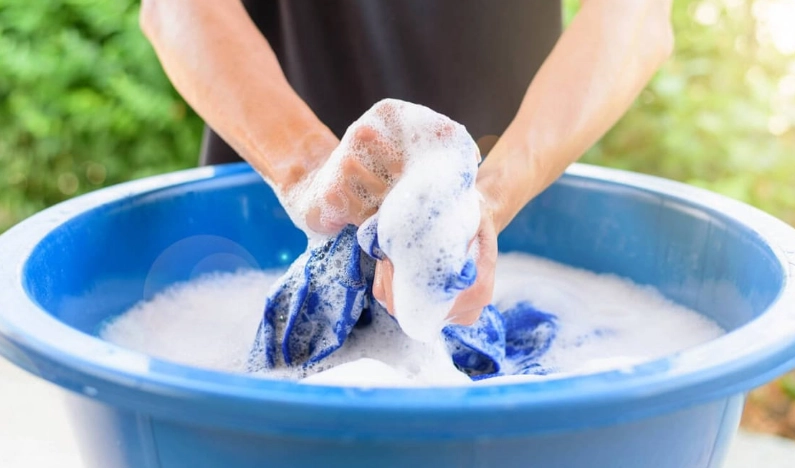
Wool, Cashmere, Delicate Blends: Assume hand wash in cold water with a gentle detergent like Woolite. Lay flat to dry on a towel, reshaping it. Never wring it out. Some modern wools are "superwash" treated and can be machine washed on gentle—but always check the label first.
Linen and Bamboo: Cold wash, gentle cycle. Tumble dry low or, better yet, line dry to prevent excessive wrinkling and fiber damage.
Think of care as part of the cost. A dry-clean-only blanket has a hidden recurring expense. A machine-washable wool blanket is a more practical luxury.