Let's be honest. The care label says "hand wash only" and a little wave of panic hits. You picture your favorite silk slip dress or that delicate lace number turning into a shrunken, misshapen mess. I've been there—I once turned a beautiful silk blouse into a doll-sized garment with one misguided soak. But here's the truth: hand washing isn't a mysterious art reserved for dry cleaners. It's a simple, controlled process that, when done right, is the best thing you can do for your delicate garments. It's gentler than any machine cycle, even the delicate one, and gives you complete oversight. This guide will walk you through the exact steps, the subtle mistakes most people make, and how to handle any fabric you own.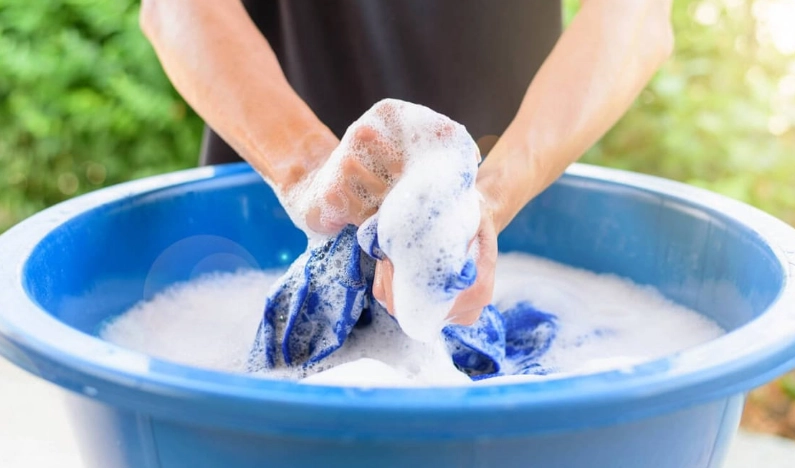
What You'll Learn Inside
- Why Hand Washing Beats the Machine (Every Time)
- The 5-Minute Pre-Wash Checklist
- The Foolproof Hand Washing Process: Step-by-Step
- Fabric-Specific Guide: Silk, Wool, Lace & More
- The Right Way to Dry Your Hand-Washed Dress
- 3 Common Hand Washing Mistakes (And How to Avoid Them)
- Your Hand Washing Questions, Answered
Why Hand Washing Beats the Machine (Every Time)
You might think the "delicate" cycle is safe enough. It's not. A washing machine, even on gentle, subjects your dress to intense agitation and spinning. It's that mechanical action—the fabric being whipped and twisted against itself and the drum—that causes pilling, stretching, and seam stress. Hand washing eliminates all of that. You control the movement. You control the pressure. You can instantly see if a stain is releasing or if the dye is running.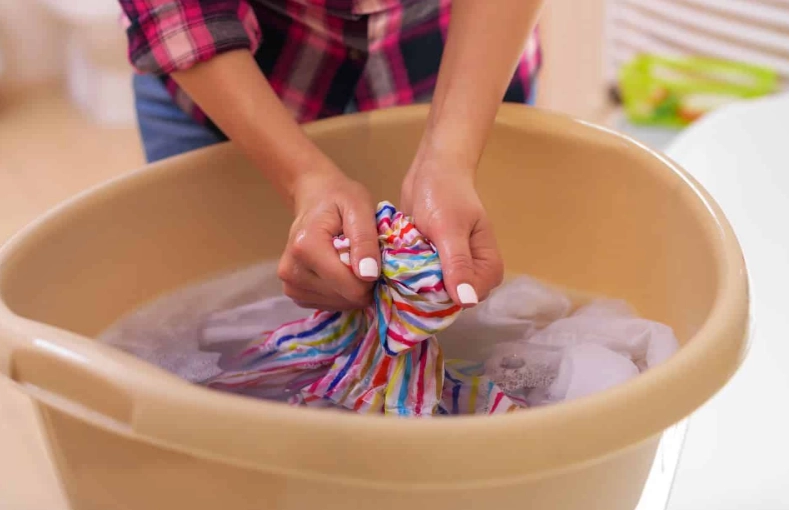
Think of it as the difference between a massage and being tumbled in a dryer. One is therapeutic, the other is destructive. For delicate fabrics like silk, which has delicate protein fibers, or vintage lace with its fragile threads, this control isn't a luxury; it's necessary for preservation.
The 5-Minute Pre-Wash Checklist
Don't just fill a sink and dive in. These five minutes save you from heartbreak later.
- Read the darn label. I know it's obvious, but it's the most skipped step. Look for symbols: a hand in a tub means hand wash. A crossed-out triangle means no bleach. A circle means dry clean only—respect that.
- Check for colorfastness. This is the expert move most tutorials skip. Dab a hidden spot (like an inside seam) with a cotton swab dipped in cool water and a bit of your detergent. Press with a white cloth. Any color transfer? If yes, you have a fugitive dye and need to wash alone and very quickly.
- Address stains now, not later. Pre-treat any spots with a dedicated stain remover or a paste of detergent and water. Gently dab, don't rub. For oil-based stains, a little cornstarch can help absorb it before washing.
- Close all zippers, hooks, and buttons. Open metal can snag fabric. Buttons can get loose or crack against the sink.
- Turn the dress inside out. This protects the outer surface from any potential friction and helps preserve prints and embroidery.
The Foolproof Hand Washing Process: Step-by-Step
Here’s the core method. Adapt water temperature and detergent type based on the fabric (see next section).
Gather Your Supplies
You don't need fancy gear. You need the right gear:
- A gentle detergent: This is non-negotiable. Use a detergent specifically for delicates or wool. Brands like The Laundress, Ecover Delicate, or even a plain baby shampoo work. Avoid all-purpose detergents and never use fabric softener—it coats fibers and can break down delicate fabrics.
- Cool to lukewarm water: Start with cooler water. Hot water sets stains and can shrink fibers.
- Clean white towels: Two or three thick, absorbent towels for drying.
The Washing Steps
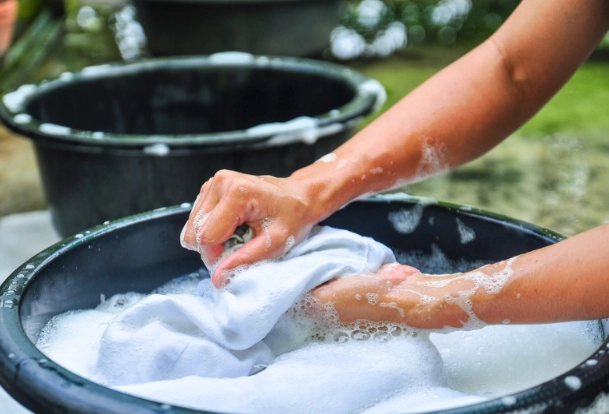
- Fill your basin with enough water to submerge the dress. Temperature guide: Cold for bright/dark colors and wool. Lukewarm for whites, linens, and sturdy synthetics.
- Add detergent and swish to dissolve. Use less than you think—a teaspoon is often enough for a dress. Too much soap is hard to rinse out.
- Submerge the dress. Gently press it down so it's fully wet. Let it soak for 10-15 minutes. No longer! Prolonged soaking can weaken fibers. For a very dirty dress, you can gently agitate it with an up-and-down motion, but avoid wringing or scrubbing.
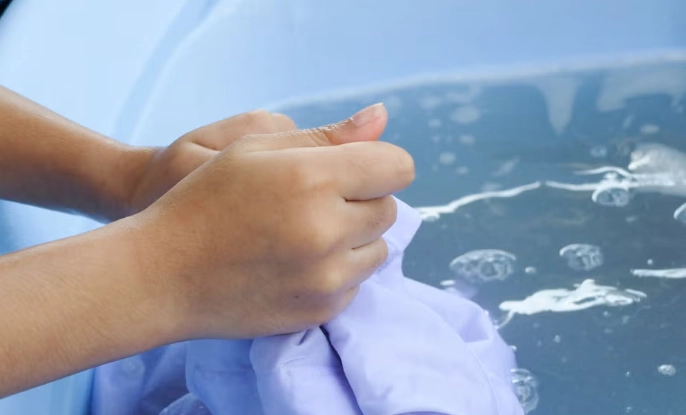
- The Rinse. This is where patience pays. Drain the soapy water. Refill with clean water of the same temperature. Gently press and lift the dress through the water to release soap. Drain and repeat until the water runs completely clear with no suds. This may take 3-4 rinses.
Fabric-Specific Guide: Silk, Wool, Lace & More
Not all fabrics are created equal. Here’s your cheat sheet.
| Fabric | Water Temperature | Detergent Type | Key Consideration |
|---|---|---|---|
| Silk | Cold to Cool | Specialist Silk Wash or very mild pH-neutral soap. | Be swift. Silk loses strength when wet. Never rub or wring. Press water out by rolling in a towel. |
| Wool & Cashmere | Cold | Wool-specific detergent (e.g., Woolite). | Avoid sudden temperature changes to prevent felting. Soak, don't agitate. Reshape meticulously while damp. |
| Lace & Embroidered | Cool | Mild delicate wash. | Wash inside a mesh laundry bag for extra protection. Lay flat to dry, patting lace into shape. |
| Linen & Cotton | Lukewarm to Warm | Standard delicate detergent. | These are sturdier. You can be slightly more vigorous with agitation for dirt. Linen wrinkles—smooth it well before drying. |
| Viscose/Rayon | Cold | Delicate wash. | Extremely weak when wet. Support the entire garment. Never hang to dry—it will stretch. |
| Polyester & Nylon | Cool to Lukewarm | Standard delicate detergent. | Generally durable. Watch for oil-based stains, which bond to synthetics. Pre-treat well. |
For silk, some experts, including resources from the International Silk Association, emphasize the importance of a final rinse with a tablespoon of white vinegar added to the water. This helps neutralize any alkali residue from detergent and restores silk's natural luster. Rinse once more with plain water after.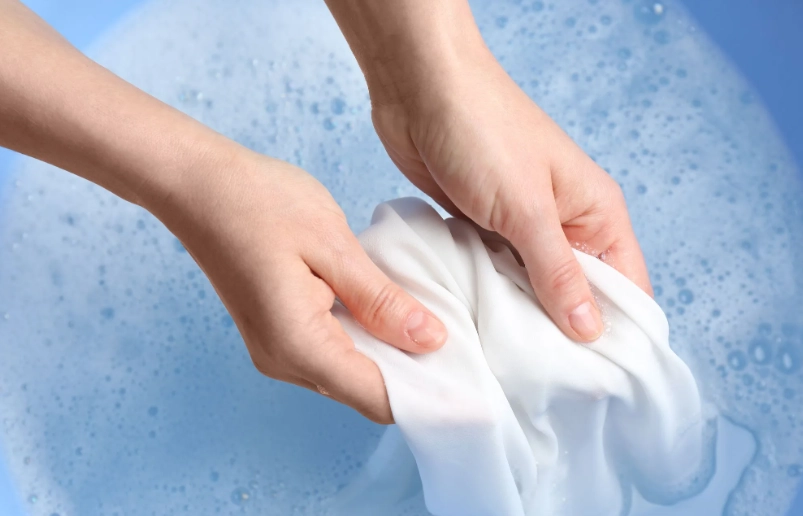
The Right Way to Dry Your Hand-Washed Dress
Drying is where most good washes go bad. Heat and gravity are the enemies.
The Universal Best Method: Flat Drying. Lay down a dry, clean white towel. Place the damp dress on top, gently smoothing it into its natural shape. For a knit or stretchy dress, you might even want to trace its outline on paper first to guide reshaping. Roll the towel up with the dress inside, like a jelly roll, and press firmly to absorb excess water. Unroll, transfer the dress to a fresh, dry towel or a mesh drying rack, and leave it flat in a well-ventilated area away from direct sunlight or heat sources.
When Can You Hang? Only hang dresses made of stable, woven fabrics (like non-stretch cotton or linen) that are not heavy. Use a padded hanger to prevent shoulder bumps. For anything knit, silky, viscose, or heavy (like a wool dress), hanging will guarantee stretching.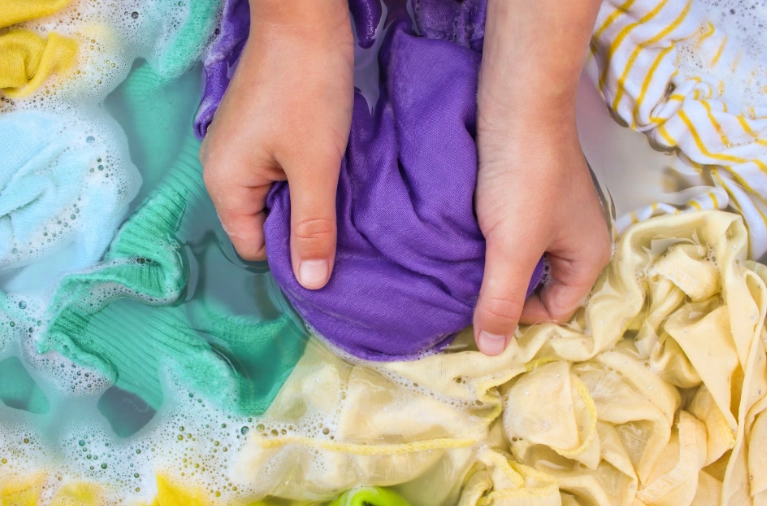
3 Common Hand Washing Mistakes (And How to Avoid Them)
- Over-soaking. "Let it soak overnight" is terrible advice. Beyond 30 minutes, fibers start to break down, and dyes can migrate. 10-15 minutes is the sweet spot.
- Wrong De-watering Method. Never twist or wring. The roll-in-a-towel method is your best friend. For very delicate items, simply press between your palms.
- Drying in Direct Sun. Sunlight fades colors and can degrade delicate fibers like silk. It also heats the fabric unevenly, potentially setting in wrinkles or causing shrinkage. Always dry in shade with good air flow.
Your Hand Washing Questions, Answered
Can I hand wash a dress that says "Dry Clean Only"?
It's a risk. The label is often there for liability or because of complex construction (heavy interfacing, glued sequins). If it's a simple silk or wool dress with no structural details, you can cautiously proceed using the methods above. But for suits, beaded dresses, or garments with a stiff shape, trust the label. The cost of dry cleaning is less than the cost of ruining the dress.
My hand-washed dress still smells musty after drying. What did I do wrong?
This usually means soap residue or inadequate drying. Soap trapped in fibers can mildew. Re-wash the dress, focusing on a thorough rinse cycle until the water is utterly suds-free. Next time, ensure your drying area has good air circulation. A fan pointed indirectly at the flat-drying dress can work wonders.
Is it okay to use regular hair shampoo or body wash as detergent?
Better than a harsh laundry detergent, but not ideal. Many shampoos have conditioners or additives that might coat fibers. A plain, gentle baby shampoo is a better emergency substitute because it's designed to be mild and rinse clean. For the best results and long-term fabric health, invest in a proper delicate wash.
How do I hand wash a dress with a stubborn underarm odor or stain?
For odor, a pre-soak in cool water with a cup of white vinegar for 30 minutes before washing can help break down the bacteria causing the smell. For yellow deodorant stains, make a paste of baking soda and water, gently apply to the stain, let it sit for an hour, then brush off before washing. For persistent stains, a product like Grandma's Secret Spot Remover is highly effective on protein-based stains (sweat) on delicate fabrics.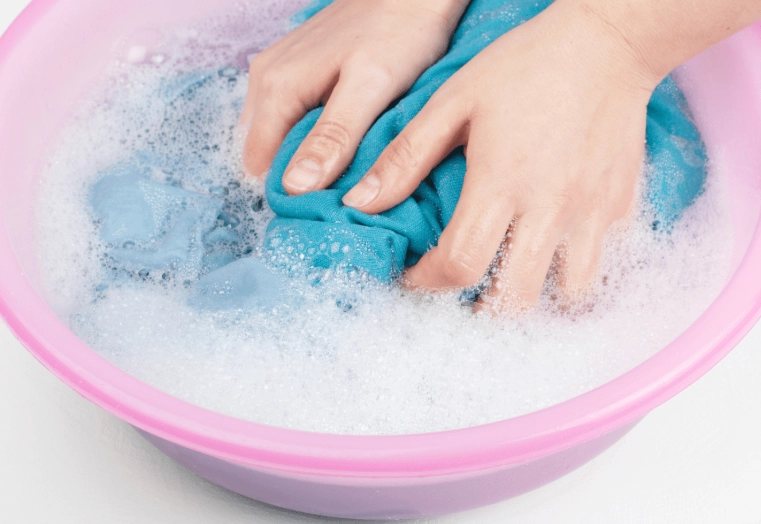
I don't have a special detergent. What's the absolute safest household alternative?
In a true pinch, a tiny amount of clear, fragrance-free dish soap (like Dawn Free & Clear) can work because it's designed to cut grease and rinse clean. Use only a few drops. It's more aggressive than a wool wash, so I'd only recommend it for sturdy synthetics or cotton, not for silk or wool. Rinse, rinse, and rinse again.