Let's be honest. If you have sensitive skin, eczema, or contact dermatitis, doing laundry feels like a gamble. That "fresh" scent or "ultra-soft" feel everyone loves? For you, it can mean hours of itching, redness, or a full-blown flare-up. I've been there—spent years thinking I had to choose between comfort and not scratching my arms raw. The truth is, you don't. The right fabric softener for sensitive skin exists, but you have to know what you're looking for, and more importantly, what you're avoiding.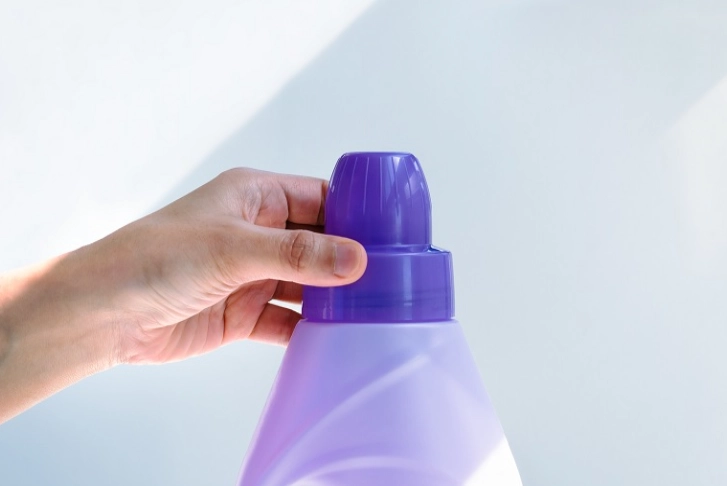
This isn't just about picking a "free & clear" bottle off the shelf. It's about understanding why your skin reacts, which hidden ingredients are the usual suspects, and how to make an informed choice that actually works for your laundry and your skin.
Your Quick Guide to Softer, Safer Laundry
Why Your Skin Reacts to Regular Fabric Softeners
Most conventional fabric softeners work by coating your clothes with a thin layer of chemicals—cationic surfactants. This layer makes fibers feel slick and reduces static. The problem? This coating can trap residue against your skin. For people with a compromised skin barrier (common in eczema, according to the American Academy of Dermatology), this residue acts as an irritant.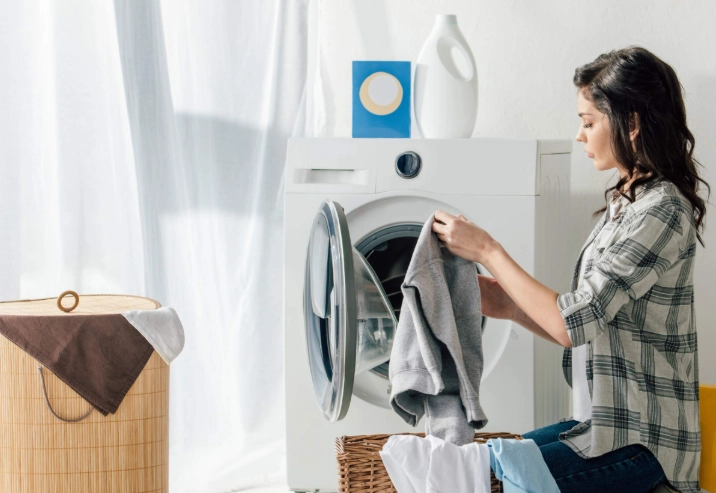
The main culprits are:
Fragrances: The number one offender. "Fragrance" on a label can be a cocktail of dozens of undisclosed chemicals, many of which are known allergens or irritants.
Dyes: Added for visual appeal, they serve no cleaning purpose and can cause skin reactions.
Preservatives: Like methylisothiazolinone (MI/MCI), which the American Contact Dermatitis Society named a "Contact Allergen of the Year" due to its high rate of reactions.
Certain Emollients & Silicones: Some ingredients meant to soften can clog pores or feel occlusive on sensitive skin.
A common mistake I see: People switch to a "free" detergent but keep using their old scented softener. The softener's residue is often the primary trigger, lingering long after the detergent is rinsed away. If you're only changing one, change the softener first.
What to Look for in a Fabric Softener for Sensitive Skin
Forget marketing terms like "natural" or "gentle." They're meaningless without backing. Here’s your actionable checklist:
Must-Haves (The Green Flags)
Fragrance-Free: Not "unscented," which can mask scents with other chemicals. Look for "Fragrance-Free" explicitly.
Dye-Free: The product should be clear or white.
Hypoallergenic Certification: Labels from the National Eczema Association or similar bodies involve rigorous testing.
Simple Ingredient List: Fewer ingredients generally mean fewer potential triggers.
Must-Avoids (The Red Flags)
Parfum/Fragrance: Any mention of it, even "derived from essential oils." Essential oils can be potent irritants.
Bright Colors or Dyes: Like Blue 1, Yellow 5, etc.
Harsh Preservatives: Methylchloroisothiazolinone, Methylisothiazolinone, Formaldehyde-releasers (DMDM hydantoin, Quaternium-15).
Phthalates: Often hidden under "fragrance," they're plasticizers linked to irritation.
Top 5 Fabric Softeners for Sensitive Skin Reviewed
Based on ingredient safety, dermatologist recommendations, and real-user feedback from sensitive skin communities, here are the top contenders. I've included a mix of liquids, dryer sheets, and a wool dryer ball option because sometimes the best softener is no softener at all.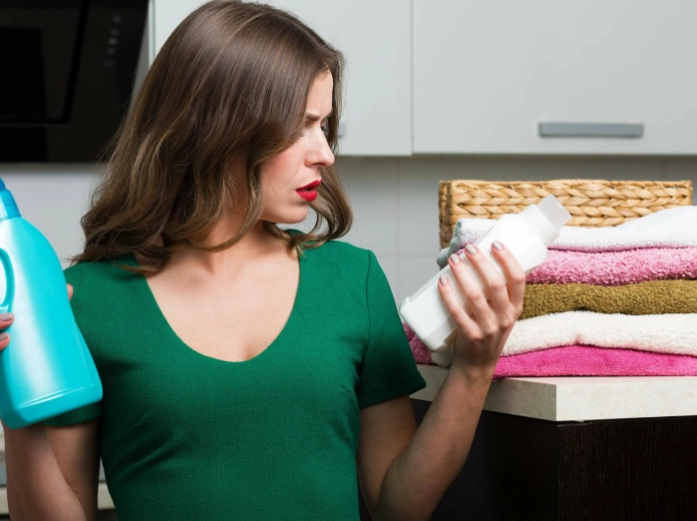
| Product Name | Type | Key Features for Sensitive Skin | Best For | Approx. Price |
|---|---|---|---|---|
| All Free Clear Fabric Softener | Liquid | Dermatologist-tested, 100% fragrance-free, dye-free, hypoallergenic. Accepted by the National Eczema Association. | Those with eczema or severe allergies who want a trusted, widely available liquid softener. | $8-$12 (48 oz) |
| Seventh Generation Free & Clear Fabric Softener | Liquid | Plant-based formulas, no synthetic fragrances or dyes, biodegradable. Also NEA Accepted. | Eco-conscious users who want a plant-derived option without skin irritants. | $9-$14 (50 oz) |
| Downy Free & Gentle Fabric Softener | Liquid | Hypoallergenic, dermatologist-tested, free of dyes and perfumes. A mainstream brand with a solid free & clear option. | Families needing a budget-friendly, effective softener that's easy to find anywhere. | $7-$10 (48 oz) |
| Bounce Free & Gentle Dryer Sheets | Dryer Sheets | Fragrance-free, dye-free, hypoallergenic. The go-to for static reduction without liquid residue. | Anyone who prefers the convenience of dryer sheets and battles static cling. | $6-$9 (80 sheets) |
| Wool Dryer Balls (e.g., Smart Sheep) | Dryer Aid | 100% natural wool, no chemicals whatsoever. Reusable for 1000+ loads, reduces drying time. | The ultimate minimalist or anyone with extreme chemical sensitivities. Add a drop of water for softening. | $15-$25 (6 pack) |
Deep Dive: All Free Clear vs. Wool Dryer Balls
All Free Clear is the gold standard for a reason. It's been around, it's trusted by dermatologists, and it works predictably. I've used it for years during bad eczema periods. The downside? It's still a chemical product. If you're trying to move towards a zero-chemical laundry routine, it might be a stepping stone.
Personally, I find Seventh Generation works just as well but feels a bit thinner. Some people complain it doesn't soften heavy towels as much, but for everyday clothes, it's perfect.
Wool Dryer Balls are a game-changer, but manage expectations. They don't add a "soft" feeling in the chemical sense. They work by physically tumbling and separating clothes, which naturally softens fibers and reduces wrinkles. The static reduction is real. The biggest perk? Zero risk of skin reaction. The learning curve is using them correctly—toss 3-6 balls in with every load. They last for years.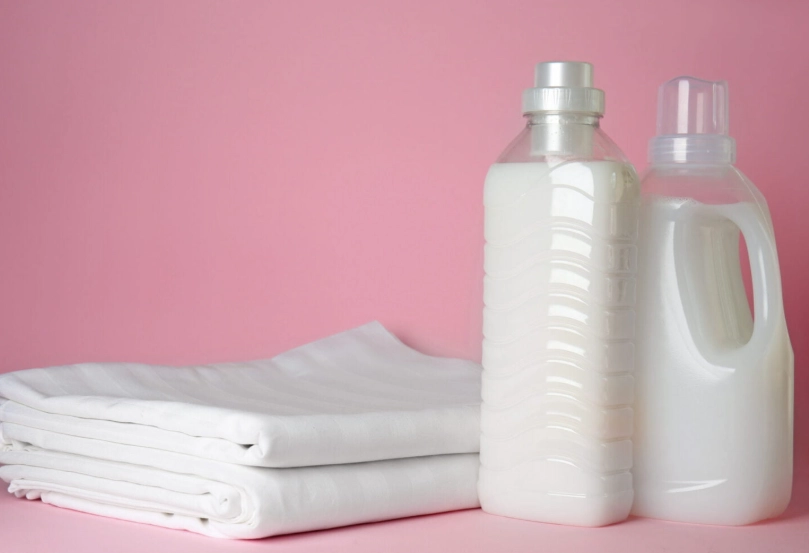
How to Use Fabric Softener Safely with Sensitive Skin
Choosing the right product is half the battle. Using it correctly is the other half.
1. Don't Overuse It. This is critical. More is not better. It leads to more residue. Always use less than the maximum recommended amount on the bottle. Start at half.
2. Use the Dispenser Correctly. Pour liquid softener into the dedicated dispenser in your washer. Never pour it directly onto clothes, as it can stain and create concentrated spots of residue.
3. Consider an Extra Rinse Cycle. If your washer has the option, run an extra rinse. This helps ensure any trace amounts of softener (or detergent) are fully flushed out.
4. Clean Your Washer Regularly. Residue builds up in the drum and dispenser. Run a monthly hot wash cycle with a washing machine cleaner or white vinegar to prevent cross-contamination.
A tip from a laundry technician I spoke to: If you're switching from a scented softener to a free & clear one, run 2-3 empty cycles with hot water and vinegar first to clear out the old residue from the machine's plumbing.
Your Sensitive Skin Laundry Questions, Answered