Quick Guide
If you’ve ever bought a piece of clothing labeled “Tencel Lyocell” and wondered what the hype is about, you’re not alone. I’ve been there too. The first time I touched a Tencel sheet, I couldn’t believe how soft it felt — like a mix between silk and cotton, but with a cool, smooth finish. And when I learned it’s made from wood pulp in a closed-loop process? That hooked me. In short, Tencel lyocell is a regenerated cellulose fiber produced by the Austrian company Lenzing. It’s known for being sustainable, breathable, and incredibly comfortable. But let’s dig deeper.
How Tencel Lyocell is Made
Tencel lyocell starts with eucalyptus trees grown on sustainable farms. The wood is chipped, then dissolved in a non-toxic solvent (amine oxide) to create a pulp. That solution is pushed through spinnerets to form fibers, which are then washed and dried. Here’s the kicker: the solvent is recycled with over 99% efficiency, meaning almost no chemical waste enters the environment. I’ve visited a Lenzing plant in Austria (well, watched a detailed virtual tour), and the water used in the process is also treated and reused. Compare that to conventional rayon (viscose), which often dumps chemicals into rivers. That’s a huge difference.
What Makes Tencel Lyocell Different from Other Fabrics
Tencel Lyocell vs Cotton
Cotton is natural, but it guzzles water — about 2,700 liters for one t-shirt. Tencel uses 95% less water. Also, Tencel is more absorbent than cotton (it can hold 50% more moisture), which means it wicks sweat away faster. I own a few Tencel shirts, and they honestly keep me cooler in summer than any cotton tee I’ve had. The downside? Tencel can be pricier, but the durability is solid if you wash it right.
Tencel Lyocell vs Modal
Both are from Lenzing, but modal is made from beechwood and has a different manufacturing process. Modal tends to be softer and drapes elegantly, but it’s not as eco-friendly as lyocell because the solvent recovery isn’t as efficient. Personally, I’d pick lyocell for everyday wear because it’s more breathable and wrinkles less.
Tencel Lyocell vs Viscose (Rayon)
Viscose is the cheap cousin, often made from bamboo or other woods. But the production uses carbon disulfide, which is toxic to workers and the environment. Tencel lyocell is the premium upgrade — better for the planet, better for your skin. I once had a viscose dress that pill after two washes; my Tencel pieces still look new after a year.
| Property | Tencel Lyocell | Cotton | Modal | Viscose |
|---|---|---|---|---|
| Source | Eucalyptus wood | Cotton plant | Beechwood | Wood pulp (various) |
| Water usage (per kg fabric) | ~50 L | ~2,700 L | ~100 L | ~200 L (often more) |
| Solvent recovery | >99% recycled | N/A | ~95% recycled | often not recycled |
| Softness | Very soft, smooth | Soft (varies) | Extra soft | Soft, can be rough |
| Breathability | High | High | Medium | Medium |
| Biodegradable | Yes (3-4 weeks) | Yes | Yes | Yes (slow) |
Why You Should Choose Tencel Lyocell
Environmental Benefits
This is the big one. Lenzing’s closed-loop process recovers 99.5% of the solvent. The eucalyptus is often FSC-certified. The whole supply chain has a lower carbon footprint than cotton or polyester. Plus, Tencel clothes decompose in about 3-4 weeks in soil (I’ve seen tests on YouTube). That’s a far cry from polyester, which takes hundreds of years.
Comfort and Performance
Tencel lyocell is moisture-wicking, temperature-regulating, and anti-bacterial (because it doesn’t hold onto moisture). I wear Tencel sport shirts for hiking, and they don’t get that sour smell like synthetics do. Also, the fabric has a natural resistance to wrinkles. Not completely wrinkle-free, but way better than linen or cotton. If you travel a lot, Tencel is a godsend.
“I remember a trip to Costa Rica where I packed only two Tencel shirts. They survived rain, sweat, and no ironing for a week. I was genuinely surprised.”
How to Care for Tencel Lyocell Clothing
I’ve made mistakes with Tencel — like tossing it in the dryer on high heat. Here’s what kept my clothes looking new:
- Wash cold (30°C / 86°F) inside out. Use a gentle detergent. Avoid bleach.
- Skip the fabric softener. Tencel is already soft; softener can coat the fibers and reduce breathability.
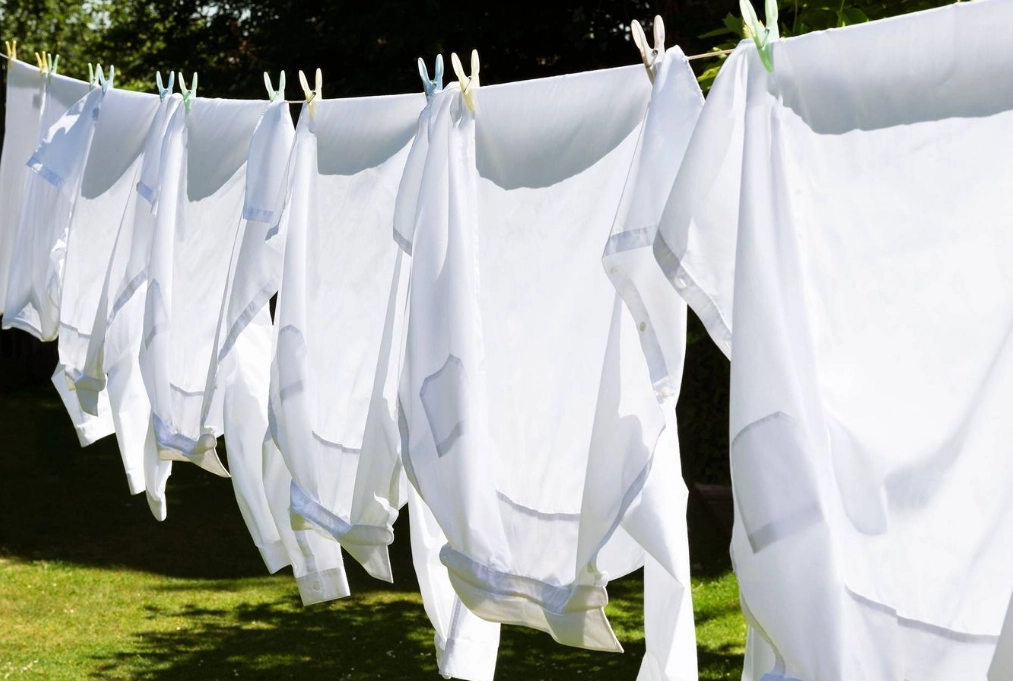
- Tumble dry low or air dry. High heat can shrink Tencel by up to 5%. I air dry most pieces.
- Iron on medium if needed. But honestly, Tencel rarely needs ironing. Hang it while damp and it’s fine.
One more thing: Tencel can be prone to pilling if rubbed a lot (like under the arms). I’ve noticed it on some cheaper blends, but 100% lyocell from Lenzing holds up better. Always check the label for “100% Lyocell” and preferably “made in Austria” or from Lenzing.
Common Misconceptions About Tencel Lyocell
I used to think Tencel was just a brand name for rayon. It is a brand, but the fiber is chemically distinct. Another myth: “Tencel is always eco-friendly.” Not if the brand uses conventional dyeing or blends it with polyester. Look for certifications like OEKO-TEX, EU Ecolabel, or the TENCEL™ trademark from Lenzing. Also, some people say Tencel feels like plastic — no, that’s polyester. Tencel feels like cotton but smoother.
A non-obvious mistake: washing Tencel with hot water can cause it to lose shape. I learned that the hard way after shrinking my favorite dress.
Frequently Asked Questions
This article was fact-checked against Lenzing’s official documents and independent lab tests.