You've felt it in a vintage jacket, seen it on a stylish pair of trousers, or maybe you remember it from your childhood pants. That distinctive, ridged texture is unmistakable. But what is corduroy fabric, really? Is it just a winter cotton, or is there more to the story? Let's cut through the noise. Corduroy is a durable, textured fabric characterized by parallel ridges called "wales," created through a unique weaving process that traps extra yarn to form those signature cords. It's not a single fiber but a construction method, most often using cotton, that results in a material prized for its durability, warmth, and tactile appeal.
In this article
- What Exactly is Corduroy Made Of?
- A Brief, Royal History of Corduroy
- How is Corduroy Fabric Made? The Cord-Cutting Process
- Understanding Corduroy Types: It's All About the Wale
- Corduroy Fabric: The Good, The Bad, and The Textured
- How to Care for Corduroy: A Wash and Wear Guide
- Your Corduroy Questions, Answered
What Exactly is Corduroy Made Of?
At its heart, corduroy is defined by its structure, not its fiber content. Think of it like denim: denim is a twill weave, usually made of cotton. Corduroy is a cut-pile weave. The vast majority of corduroy you'll encounter is 100% cotton. This makes sense—cotton takes dye beautifully, is breathable, and provides the perfect base for creating soft, durable cords.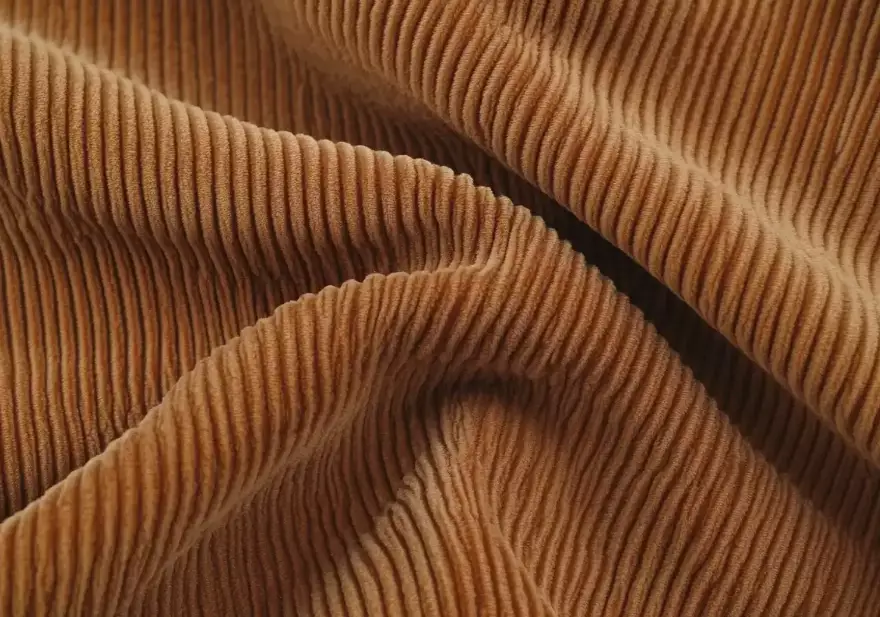
But here's where it gets interesting. You can find corduroy made from blends (cotton-polyester for more stretch and wrinkle resistance) or even from alternative fibers like organic cotton, lyocell (Tencel), or wool. A wool corduroy blazer, for instance, is a luxurious and incredibly warm winter piece. The defining characteristic remains the wale—the number of ridges per inch—regardless of the fiber.
Quick Tip: When assessing corduroy quality, don't just feel the surface. Pinch the fabric between the cords. High-quality corduroy will have a substantial, dense base fabric (the "ground"), not just fluffy piles on top of a thin sheet. This base is what gives it longevity.
A Brief, Royal History of Corduroy
Corduroy's name is often said to derive from the French "corde du roi," meaning "cloth of the king." While linguists debate the absolute accuracy, the association with durability and utility sticks. It emerged as a hard-wearing fabric for workers and sportsmen in 19th-century England. Its popularity soared in the 20th century, becoming a staple of casual, intellectual, and counterculture fashion—from professors' jackets to the wardrobe of the 1970s rock scene.
It fell out of favor for a bit, deemed too rustic or collegiate, but has cycled back in as a heritage and sustainable fashion favorite. The tactile, natural feel of cotton corduroy fits perfectly into the modern desire for authentic, long-lasting materials over fast-fashion synthetics.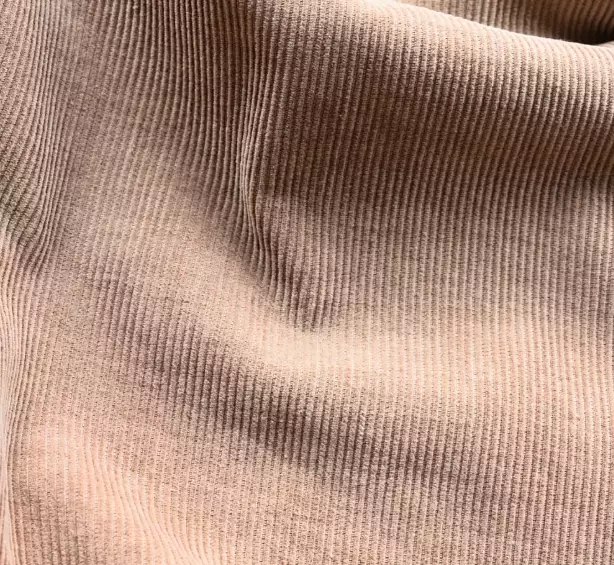
How is Corduroy Fabric Made? The Cord-Cutting Process
This is the magic. Corduroy isn't printed or embossed; those ridges are built into the fabric. The process is a fascinating bit of textile engineering.
- Extra Yarn Setup: The loom is set up with extra sets of yarn (the "pile" yarns) in addition to the standard warp and weft that make the base cloth.
- Weaving the Structure: The fabric is woven so these pile yarns form floating loops on the surface, similar to how terrycloth (for towels) is made.
- The Critical Cut: After weaving, the entire fabric passes over a series of razor-sharp blades. These blades slice through the floating loops lengthwise.
- Brushing Out: The cut loops are then vigorously brushed. This brushing frays the ends of the cut yarns, causing them to open up and bloom, forming the soft, distinct, parallel cords we recognize.
The precision of the cutting and brushing determines the clarity and neatness of the wales. A sloppy job leads to fuzzy, ill-defined cords.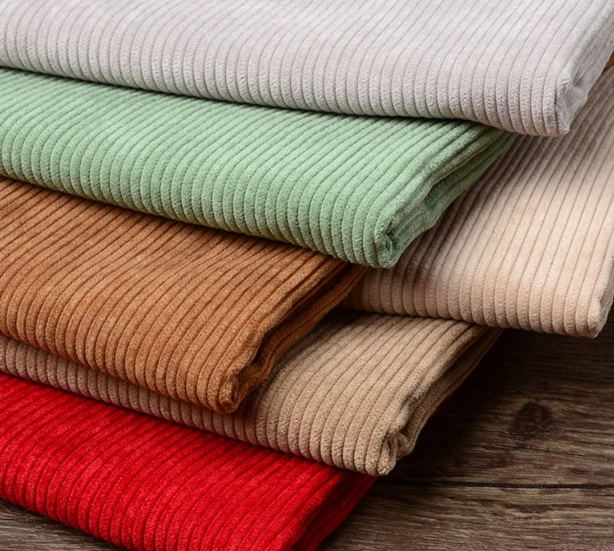
Understanding Corduroy Types: It's All About the Wale
This is the most practical way to categorize corduroy. The wale count (the number of ridges per inch) dramatically changes the fabric's look, feel, and use.
>Trousers, skirts, jackets, casual suits, upholstery.>Workwear-inspired jackets, heavy-duty trousers, statement upholstery, caps.>Outerwear, industrial-style decor, bags.| Wale Type | Ridges Per Inch (Approx.) | Character & Feel | Best Uses |
|---|---|---|---|
| Pinwale / Needlecord | 16 - 21+ | Very fine, soft, almost velvety feel. Lightweight and drapey. | Dress shirts, blouses, lightweight dresses, children's clothing. |
| Mid-Wale / Standard | 11 - 15 | The classic, versatile corduroy. Good balance of texture and durability. | |
| Wide Wale | 3 - 10 | Bold, pronounced ridges. Heavier, more rustic, and visually striking. | |
| Elephant Cord | Extremely wide, deep channels. Very heavy and bulky. |
I personally find mid-wale to be the most forgiving and versatile. Pinwale can show wear patterns (like seat shine) more quickly on pants, while wide wale can feel a bit costumey if used in a full suit. Mid-wale just works.
Corduroy Fabric: The Good, The Bad, and The Textured
Let's be balanced. Corduroy isn't perfect for every situation.
Pro Durability: The dense weave and piled structure make it remarkably resistant to abrasion. A good pair of corduroy pants can outlast several pairs of chinos.
Pro Warmth: The trapped air in the cords provides excellent insulation, making it a great autumn/winter fabric.
Pro Comfort & Texture: Soft, breathable (especially cotton), and has a unique visual and tactile interest that flat fabrics lack.
Pro Versatility: Dresses up or down. Can be rugged or refined depending on the wale and garment cut.
Con Weight & Stiffness: Can be bulky, especially in wider wales. Not ideal for flowing garments or hot weather.
Con Crushing: The cords can get permanently flattened or creased in high-pressure areas (knees, elbows). This is the infamous "knee-bulge" syndrome.
Con Attracts Lint & Pet Hair: The textured surface is a magnet for debris. A lint roller is a corduroy owner's best friend.
Con Care Specifics: Requires more careful washing and drying to maintain its texture, which we'll cover next.
How to Care for Corduroy: A Wash and Wear Guide
Treat it well, and corduroy ages beautifully. Neglect it, and it turns into a sad, flat, misshapen version of itself.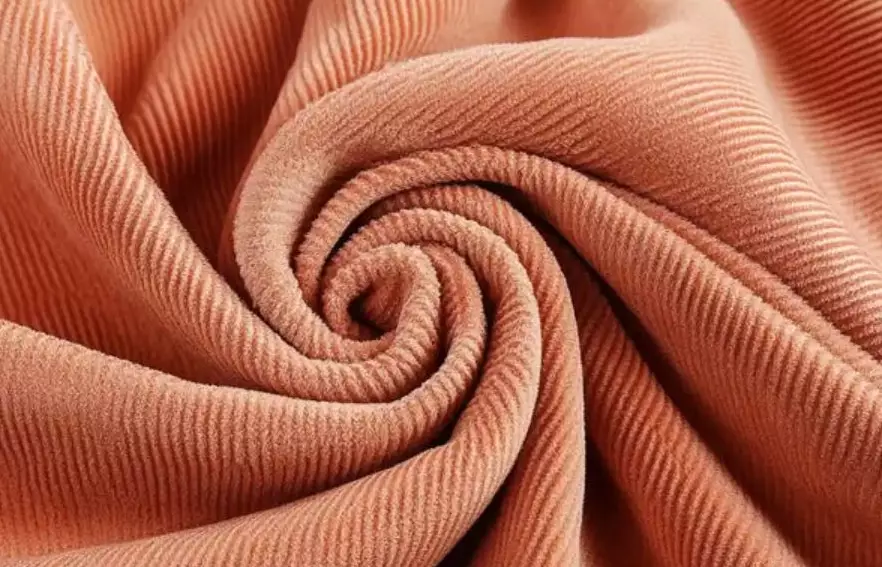
Washing Corduroy
Always check the label first. But for most cotton corduroy:
- Turn the garment inside out. This protects the cords from direct abrasion against the drum and other clothes.
- Use cold or lukewarm water on a gentle cycle. Hot water can cause shrinkage and set stains.
- Use a mild detergent. Avoid heavy-duty cleaners or bleach.
- If you must wash with other items, choose similar colors and soft fabrics (like towels are okay, avoid zippers and denim).
Drying Corduroy
This is the critical step where most damage occurs.
- Air drying is king. Lay the item flat on a drying rack or hang it. Reshape it while damp.
- If you must use a dryer, use the lowest heat setting or air fluff only. Remove while still slightly damp and hang to finish. High heat is the fastest way to crush the pile and cause shrinkage.
- Never wring out corduroy. Roll it in a towel to press out excess water.
Removing Wrinkles and Crushing
- Use a steamer. The steam helps revive the pile. Hold the steamer at an angle and gently brush the cords with your hand afterwards.
- If ironing, turn the garment inside out. Place a thick towel on the ironing board, lay the corduroy on top (pile side down), and press with a medium-hot iron. The towel prevents you from crushing the cords flat. Never iron directly on the right side.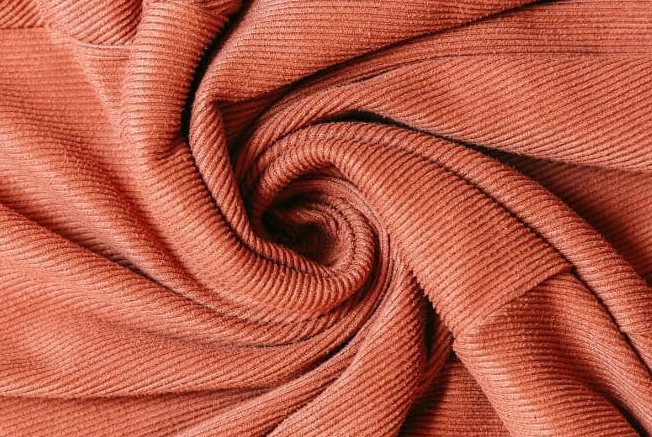
So, what is corduroy fabric? It's more than just a retro textile. It's a testament to clever weaving, offering a unique combination of durability, comfort, and character that flat fabrics can't match. Whether you're drawn to the fine elegance of needlecord or the bold statement of wide wale, understanding its construction and needs is the key to making it a lasting part of your wardrobe. Choose the right wale for the job, care for it properly, and you'll have a piece that develops its own personality over many seasons of wear.