Let's cut to the chase. Is modal fabric stretchy? The short answer is: it has a unique, forgiving stretch, but it's not elastic like spandex. If you're picturing yoga pants that snap back into place, that's not modal's game. But if you're thinking of a soft t-shirt that moves with you, doesn't constrict, and recovers its shape after a wash—that's where modal shines. I've worked with fabrics for years, and the confusion around modal's stretch is one of the most common mistakes I see. People toss it in the "no-stretch" basket with regular cotton, and they're missing out on what makes this fabric a comfort powerhouse.
What’s Inside This Guide
What is Modal Fabric and Where Does It Come From?
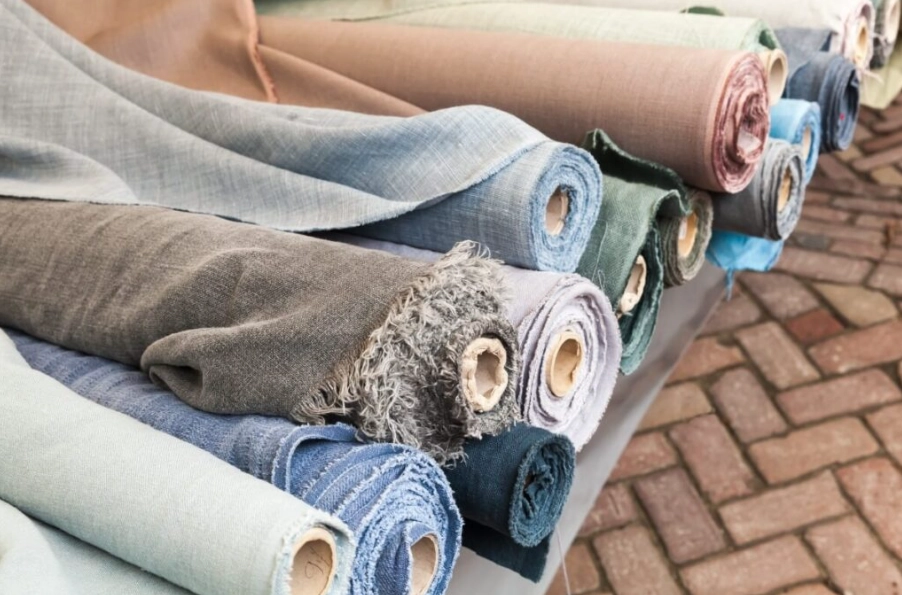
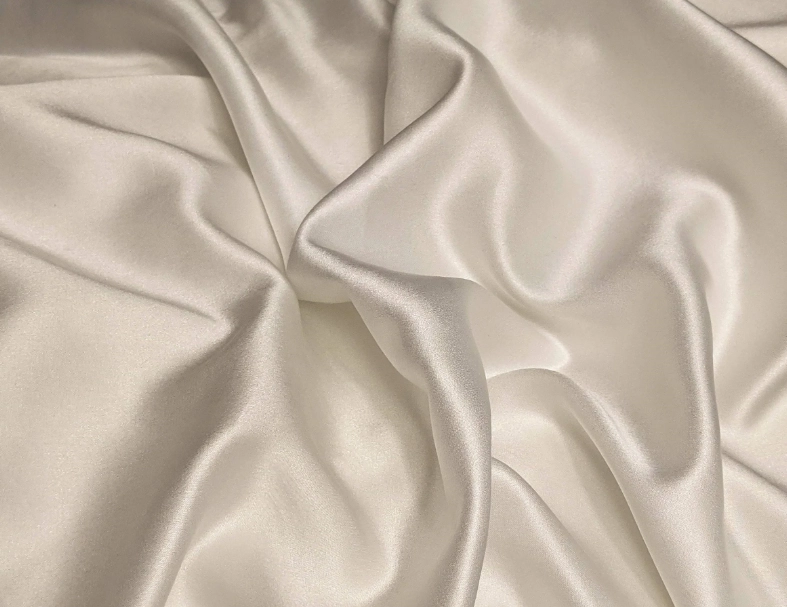
Modal is a type of rayon. But calling it just "rayon" is like calling a sports car just "a vehicle"—it doesn't capture the upgrade. It's made from beech tree pulp, processed in a closed-loop system that recycles most chemicals (brands like Lenzing AG, which makes TENCEL™ Modal, are leaders here). This process gives modal its signature qualities: incredible softness, high breathability, and excellent moisture-wicking.
It feels luxurious, often compared to silk or high-thread-count cotton, but at a more accessible price point. You'll find it in everything from underwear and pajamas to t-shirts, dresses, and bedsheets. Its origin story matters because the manufacturing process affects the fiber structure, which in turn dictates how it moves—or stretches.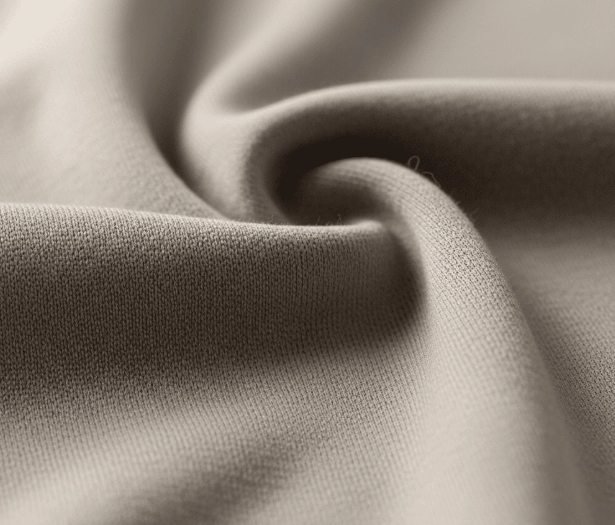
The Truth About Modal Fabric and Stretch
Here's the core of the issue. Pure, 100% modal fiber has what I call "drape-and-recover" stretch. It's a two-way stretch across the width (weft) of the fabric, not the four-way stretch you get with knits containing spandex.
Now, here's where most online advice gets it wrong. They stop there. But in the real world, you rarely buy 100% modal. Brands blend it to enhance its properties. The stretch story changes completely with blends:
- Modal + Cotton: Adds more structure than pure modal. The stretch becomes less pronounced but more stable. Great for everyday tees that need to hold their shape.
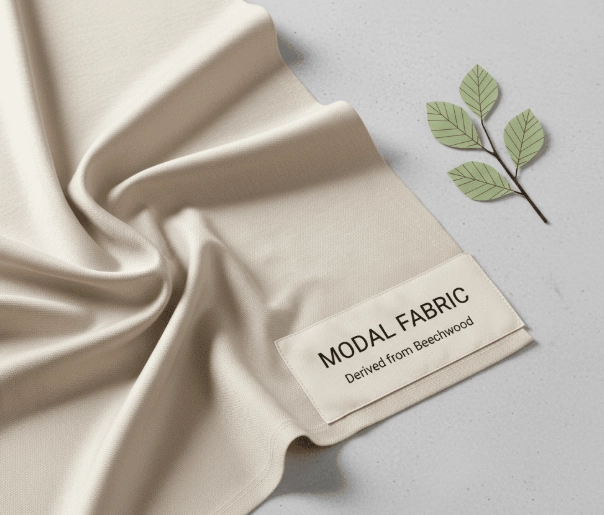
- Modal + Spandex (Lycra/Elastane): This is the game-changer. Adding just 2-5% spandex gives modal that active, springy elasticity people associate with stretch fabrics. This blend is perfect for leggings, fitted tops, and underwear where you need both comfort and hold.
- Modal + Polyester: Increases durability and reduces wrinkling, but can slightly reduce the natural, soft stretch feel. Common in activewear blends.
So, when you ask "is modal fabric stretchy," you need to check the label. A 95% Modal, 5% Elastane blend? Very stretchy. A 100% Modal tank top? Gently, forgivingly stretchy.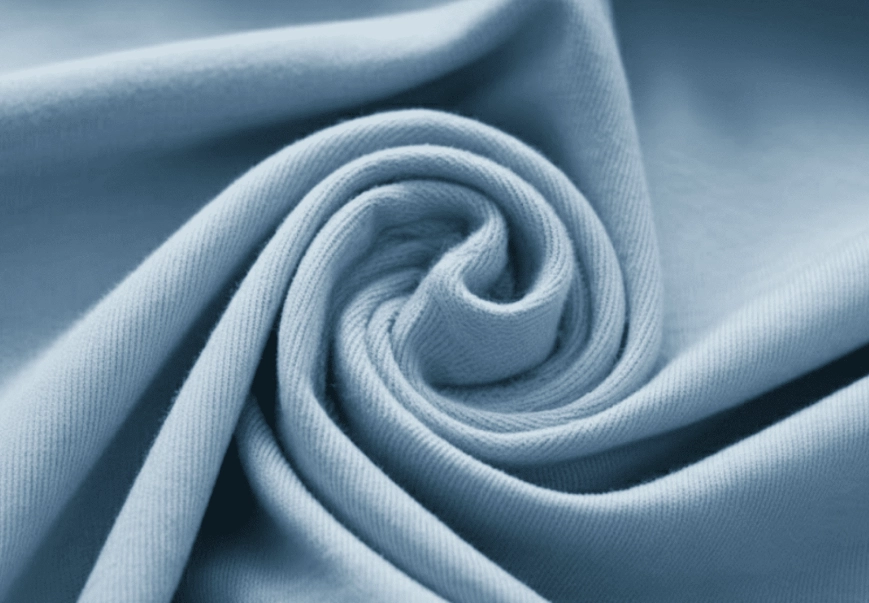
Modal vs. Other Fabrics: The Stretch Comparison
Let's put it in context. Stretch isn't a yes/no checkbox; it's a spectrum of how a fabric moves and returns.
| Fabric | Type of Stretch | Stretch Recovery | Best For | A Note from Experience |
|---|---|---|---|---|
| 100% Modal | Good two-way (width) drape and give. | Good, but slow and fluid. | Loungewear, pajamas, flowy tops. | Feels like a second skin. Can bag out at knees/elbows over time if not blended. |
| 100% Cotton (Jersey) | Minimal. Relies on knit structure for give. | Poor. Often stretches out permanently. | Casual t-shirts, basics. | That old, loose neckline on your favorite cotton tee? That's poor recovery. |
| Modal (95%) + Spandex (5%) | Excellent four-way stretch. | Excellent, snappy recovery. | Underwear, leggings, fitted dresses. | Gives the comfort of modal with the performance of activewear. My top pick. |
| Polyester | Very little unless blended with spandex. | Good if not stretched beyond limit. | Outerwear, performance gear. | Can feel stiff and synthetic compared to modal's breathability. |
| Wool (Merino) | Good natural elasticity. | Very good, resilient. | Sweaters, base layers. | Great recovery but requires more careful care than modal. |
See the difference? Modal's stretch, especially when pure, is about comfort and drape, not compression or athletic support. It's why you can sleep in modal pajamas and not feel tangled, or wear a modal dress all day without it feeling tight.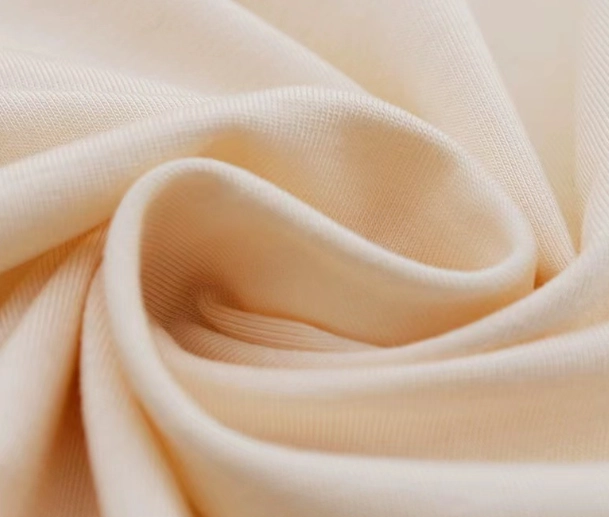
How to Care for Modal to Preserve Its Stretch (The Right Way)
This is critical. You can buy the perfect modal blend, but ruin its stretch in two washes with bad habits. I've done it myself—turned a perfectly fitted modal top into a shapeless sack.
The biggest mistake? Using high heat. Heat is the enemy of modal's fiber structure and any spandex blended with it.
Your Modal Care Checklist
- Washing: Cold or lukewarm water only. Use a gentle cycle. Turn garments inside out to protect the surface.
- Detergent: Mild detergent. Avoid heavy stain removers or bleach directly on the fabric.
- Drying: This is the most important step. Never use high heat in the dryer. Tumble dry on low or, better yet, air dry flat or on a line. High heat melts the spandex fibers (in blends) and weakens modal's recovery, causing permanent stretching.
- Ironing: If you must, use a low heat setting and iron while the garment is slightly damp, or use a pressing cloth. Modal can handle a cool iron better than a scorching one.
- Storage: Don't hang heavy modal items like knit dresses for long periods; they can stretch out under their own weight. Fold them.
Following these steps isn't just about being fussy. It directly preserves that "drape-and-recover" quality that makes modal special. According to The Sustainable Angle, proper care significantly extends the life of semi-synthetic fabrics like modal, reducing waste.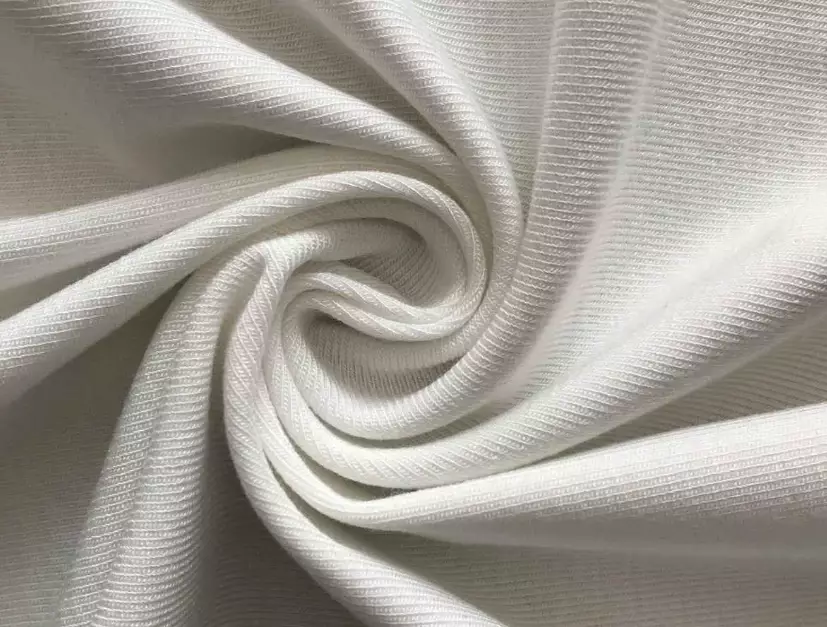
FAQs: Your Modal Stretch Questions Answered
So, is modal fabric stretchy? It's not a simple yes. It's a fabric that redefines stretch towards comfort and recovery, not just elasticity. Understanding its unique behavior—and how to care for it—lets you choose the right modal blend for your needs and keep those clothes feeling new. Skip the hot dryer, embrace the blend, and enjoy one of the softest, most forgiving fabrics in your drawer.