You've seen the labels. You've heard the hype. "Luxury Egyptian cotton" is slapped on everything from discount store bed sheets to high-end bath towels. But what does it actually mean? And more importantly, what are the real, tangible Egyptian cotton benefits you'll feel when you sink into bed or dry off after a shower? Let's cut through the marketing noise. Genuine, high-quality Egyptian cotton isn't just a status symbol; it's a different material experience altogether, defined by specific agricultural and textile science. The core benefit isn't one thing—it's a cascade of improvements in softness, strength, breathability, and longevity that stem from one key factor: the extraordinary length of its fibers.
What You'll Discover in This Guide
What Makes Egyptian Cotton So Special?
Forget the pyramids for a second. The magic happens in the fields. Egyptian cotton refers to a specific species of cotton, Gossypium barbadense, grown predominantly in the Nile River Valley. The unique combination of climate—hot days, cooler nights, and consistent irrigation from the Nile—creates the perfect environment for the plant to produce fibers with exceptional characteristics.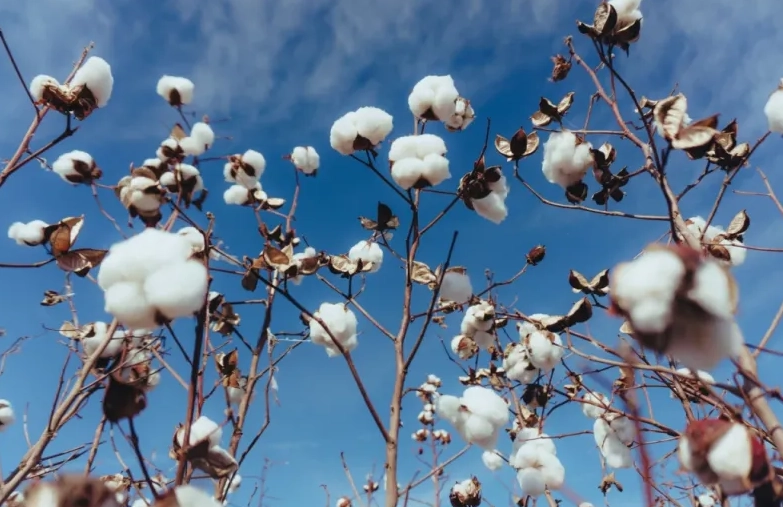
The game-changer is the extra-long staple (ELS) fiber. "Staple" simply means the length of the individual cotton fibers. Regular, upland cotton (the kind in most basic t-shirts) has short staple fibers, typically under 1.125 inches. Egyptian cotton fibers are long, often exceeding 1.375 inches, with the premium Giza 45 variety reaching even further. This isn't a minor detail; it's the foundation of every benefit.
Think of it like this: Imagine building a rope. If you use lots of short pieces, you'll have to twist them together tightly and leave many fuzzy ends sticking out. That's short-staple cotton—it requires more twist (which can feel coarse) and has more "pills" (those annoying little fabric balls). Now, imagine building the same rope with very long, continuous filaments. You need less twist, the surface is smoother, and the structure is inherently stronger. That's Egyptian cotton.
Top 5 Egyptian Cotton Benefits You Can Actually Feel
1. Legendary, Lasting Softness
This is the headline act. Because the fibers are long and fine, they can be spun into incredibly smooth, fine yarns with fewer protruding ends. This results in a fabric that feels luxuriously soft against the skin right out of the package. But here's the non-consensus part everyone misses: the real win is how it gets softer over time. High-quality Egyptian cotton bed sheets, with proper care, become more supple and comfortable with every wash. That harsh, "new sheet" feel? That's often a sign of inferior cotton or a high thread count achieved with short, brittle fibers.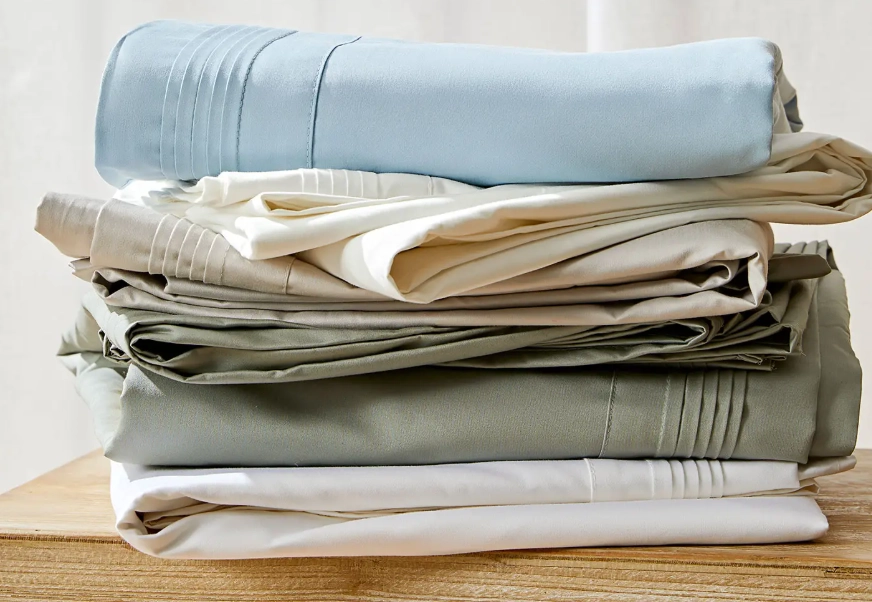
2. Superior Strength and Durability
Longer fibers create a stronger molecular bond when spun into yarn. This translates directly to durability. Egyptian cotton towels resist tearing and fraying far better than standard ones. Bed sheets won't thin out as quickly in high-friction areas (like where your heels rub). A well-made set can last a decade or more, making the higher upfront cost a genuine long-term investment. You're not buying disposable luxury.
3. Unmatched Breathability and Moisture Wicking
That fine, long-staple yarn can be woven into a denser yet more breathable fabric. It absorbs moisture (like night sweats or humidity) rapidly and releases it into the air. You sleep cooler in summer and more comfortably year-round. This is a massive, practical benefit that marketing often undersells. I switched to Egyptian cotton percale sheets during a humid summer, and the difference in how cool and dry I felt was immediate—no more sticking to the bed.
4. Vibrant, Long-Lasting Color
The smooth surface of the fibers accepts dye more evenly and deeply than the fuzzy surface of short-staple cotton. Colors appear richer, more saturated, and are less prone to fading. That deep navy or emerald green duvet cover will hold its hue wash after wash. This is a subtle but significant quality indicator.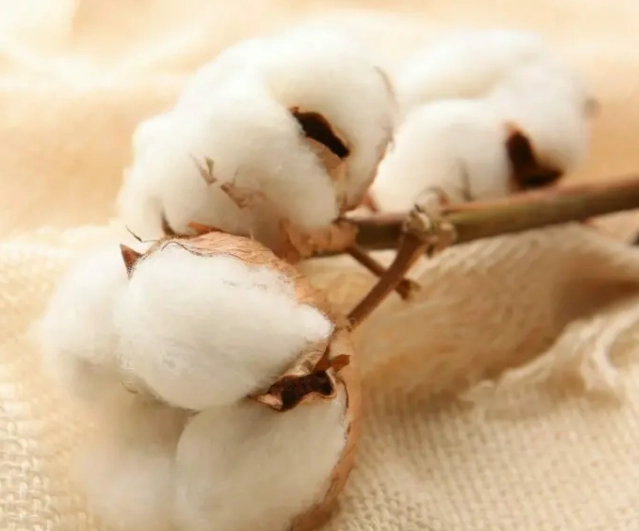
5. Less Pilling and Linting
Those fewer fiber ends mean there's less material to break off and tangle into pills. Your black Egyptian cotton t-shirt will stay sleek, not develop a grey, fuzzy haze. Towels shed less lint in the dryer. The fabric maintains its pristine look for much longer.
Egyptian Cotton vs. Regular Cotton: A Side-by-Side Look
Let's make the comparison concrete. This isn't about good vs. bad; it's about understanding the application. Regular cotton is fantastic for everyday basics where cost is key. Egyptian cotton is for items where long-term comfort, performance, and feel are the priority.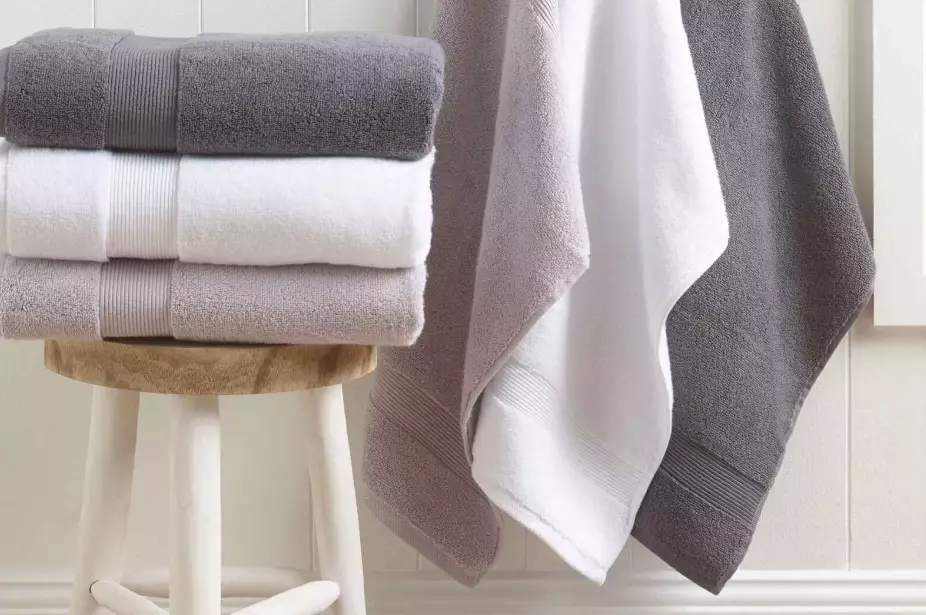
| Feature | Genuine Egyptian Cotton (ELS) | Regular Upland Cotton |
|---|---|---|
| Fiber Length (Staple) | Extra-Long (> 1.375 inches) | Short ( |
| Initial Feel | Luxuriously smooth, soft | Can be crisp, sometimes coarse |
| Softness Over Time | Improves significantly with washing | May soften slightly but can degrade |
| Durability & Strength | Exceptionally high, resists pilling | Good, but prone to pilling/thinning |
| Breathability | Excellent due to fine yarns | Good, but depends on weave |
| Color Retention | Superior, dyes deeply and evenly | Good, but may fade faster |
| Typical Cost | Premium (investment piece) | Budget to Moderate |
| Best For | Bedding, premium towels, luxury apparel | Everyday t-shirts, casual wear, basic home textiles |
How to Buy Real Egyptian Cotton (And Avoid Fakes)
The market is flooded with imposters. Here’s how to navigate it like a pro, based on mistakes I’ve seen even seasoned shoppers make.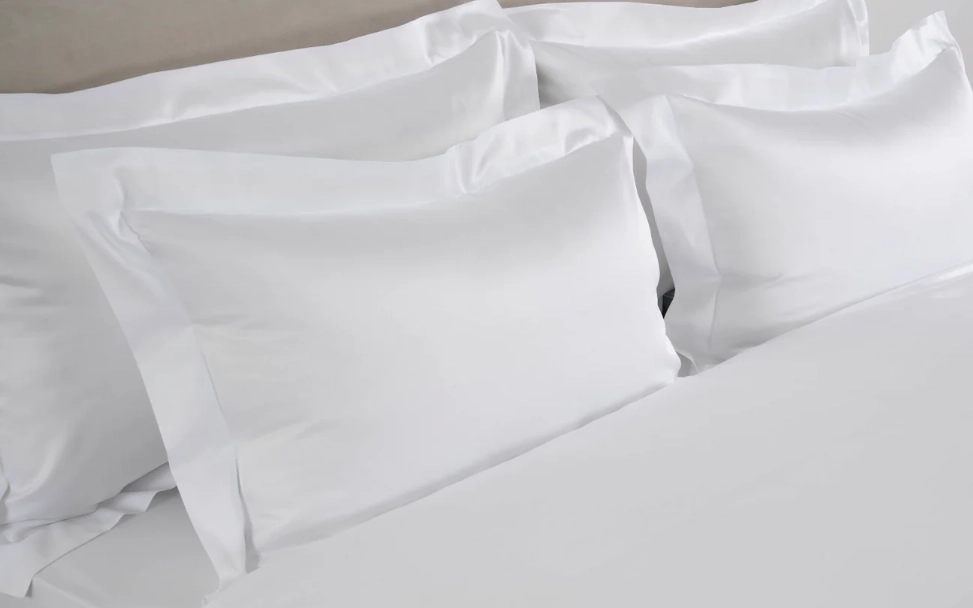
Ignore "Egyptian Cotton" as a standalone phrase. It's often used deceptively. Look for specific, verifiable certifications and details:
- The "Supima" Trap: Supima is American-grown Pima cotton, another ELS variety. It's excellent, but it's not Egyptian. Don't let a salesperson conflate them.
- Seek Certifications: The gold standard is the Cotton Egypt Association (CEA) logo. This guarantees the cotton is grown in Egypt. The Egyptian Cotton™ trademark is also a reliable indicator. Look for these on tags or product descriptions.
- Thread Count is a Liar: This is the biggest misconception. A 1000-thread count sheet made from short, poor-quality fibers is worse than a 300-thread count sheet made from long-staple Egyptian cotton. Brands inflate thread count with thin, weak ply yarns. Focus on fiber quality (stated as "long-staple" or "extra-long staple") and weave (percale or sateen) over an astronomically high number. A thread count between 300 and 600 is usually the sweet spot for ELS cotton.
- Price is a (Rough) Guide: Authentic, certified Egyptian cotton bedding is a significant investment. If the price seems too good to be true, it almost certainly is.
How to Care for Egyptian Cotton to Maximize Its Life
Buying it is half the battle. Treating it wrong can ruin the benefits. Here’s the care routine that works:
- Washing: Use a gentle, cold-water cycle. Hot water can weaken fibers and cause shrinkage. A mild, liquid detergent is best—avoid heavy powders or optical brighteners that can coat the fibers.
- Drying: Tumble dry on low heat and remove while slightly damp. Over-drying on high heat is the fastest way to damage cotton fibers, making them brittle. If you can, line-drying is the gentlest option and gives that incredible fresh-air crispness.
- Ironing: Iron while still slightly damp on a medium-to-high heat setting for a crisp finish. The fabric holds a press beautifully.
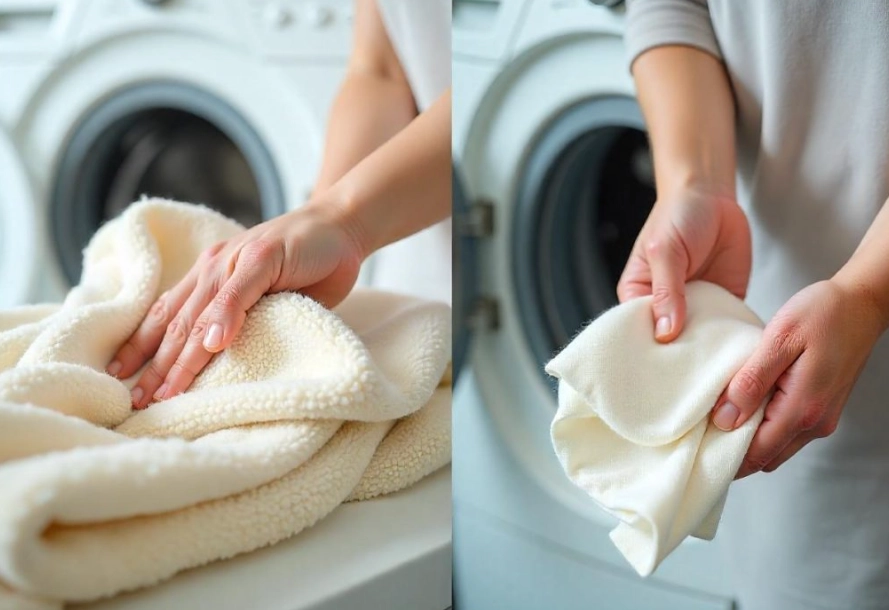
- No Fabric Softener! This is critical. Fabric softener coats the fibers, clogging their natural breathability and moisture-wicking abilities. It's what makes towels less absorbent. To soften, use wool dryer balls instead.
Your Egyptian Cotton Questions, Answered
My new Egyptian cotton sheets feel rough or stiff. Did I get ripped off?
Not necessarily. High-quality percale-weave Egyptian cotton has a crisp, cool, hotel-like feel initially, not a silky-smooth sateen feel. This is normal. The legendary softness develops over 3-5 washes as the natural fibers relax and the sizing (a starch applied during manufacturing) washes out. Be patient with the process. If they're still sandpaper-like after several washes, then quality is suspect.
Is Egyptian cotton good for people with sensitive skin or allergies?
It can be excellent, but with a caveat. The smooth fibers produce less lint and dust, which is beneficial. However, ensure you're buying organic Egyptian cotton if chemical sensitivity is a concern. Conventional cotton, even Egyptian, uses pesticides. Look for certifications like GOTS (Global Organic Textile Standard) to guarantee the absence of harsh chemicals in both growing and processing.
What's better for hot sleepers: Egyptian cotton or bamboo?
This is a great matchup. Both are breathable. Egyptian cotton (especially in a percale weave) excels at moisture wicking—pulling sweat away from your body and allowing it to evaporate. Bamboo viscose is often more absorbent, holding onto moisture longer, which some sleepers find less comfortable. For pure, dry coolness, a high-quality Egyptian cotton percale sheet is hard to beat. Bamboo can feel softer initially but may not have the same durable, long-term coolness.
Can I find affordable, real Egyptian cotton?
"Affordable" is relative. You won't find genuine, certified Egyptian cotton at big-box bargain prices. However, you can find good value during sales from reputable brands that specialize in bedding. Consider starting with a set of pillowcases instead of a full sheet set to experience the feel at a lower cost. Remember, you're paying for years of use, so cost-per-night becomes very low.
How does Egyptian cotton compare to linen for bedding?
They're different experiences. Linen is more textured, incredibly breathable, and gets softer with time but has a distinct, rustic crumple. Egyptian cotton offers a smoother, more refined, and consistently crisp or silky feel. Linen is better at temperature regulation in extreme heat, while Egyptian cotton provides a more balanced, luxurious feel. It's a matter of personal texture preference.
The benefits of Egyptian cotton aren't a myth. They're the direct result of a superior raw material. When you invest in the real thing—verified by certifications and cared for properly—you're buying more than a label. You're buying better sleep, daily comfort, and textiles that stand the test of time. It turns everyday routines into small moments of tangible luxury. That’s the ultimate benefit no marketing copy can fully capture.