You just pulled your favorite modal t-shirt out of the dryer, and it's tighter than it was yesterday. Or maybe that silky-soft modal bedsheet feels a bit rough after a few washes. The question hits you: can you machine wash modal fabric without ruining it? The short, direct answer is yes, you absolutely can. But—and this is a huge but—the devil is in the details. Most people get it wrong by treating modal like cotton or polyester, and that's where the pilling, shrinking, and loss of that famous drape begins.
I've worked with fabrics for over a decade, and I've seen more modal garments meet an early demise in the laundry room than anywhere else. The good news? It's almost always avoidable. Machine washing modal is not only possible, it's the practical choice for most items. This guide will walk you through the exact steps, the critical settings most washing machines get wrong automatically, and the one mistake that accounts for 90% of modal laundry disasters.
What's in this guide?
What is Modal Fabric, and Why is it So Delicate?
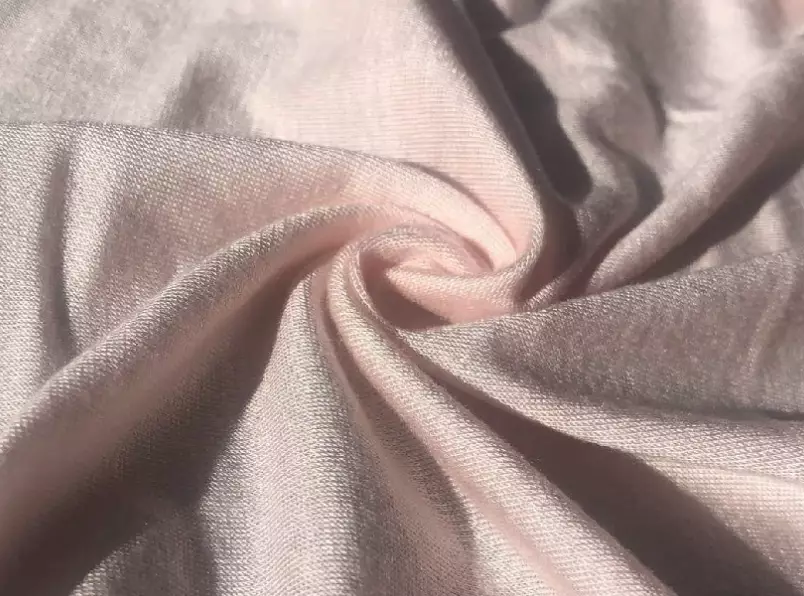
Modal is a type of rayon. Think of rayon as the family name, and modal as a particularly well-behaved, high-performance child. It's made from beech tree pulp, processed into a fiber that's incredibly soft, breathable, and has a beautiful drape. Brands like Lenzing AG, which produces TENCEL™ Modal, have made it a staple in sustainable fashion. According to the Textile School, its high absorbency and smooth surface are what give it that luxurious feel.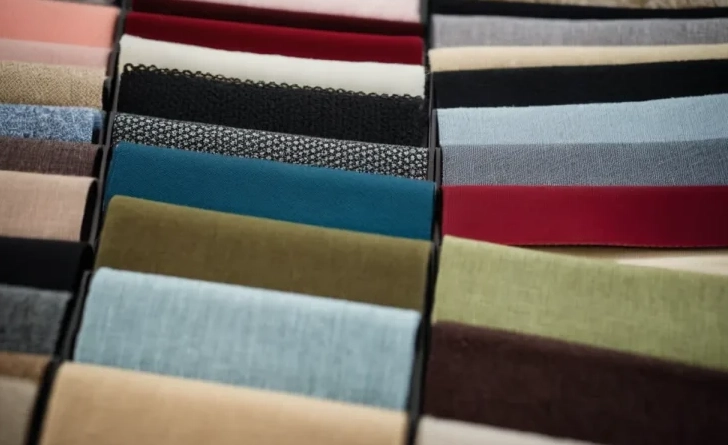
Here's the catch for laundry: modal fibers swell significantly when wet. They become more vulnerable to agitation and heat. That fantastic absorbency works against you in a hot, rough wash cycle. It's not fragile like lace, but it's sensitive like a high-performance athletic fabric. It needs a specific environment to thrive.
Pro Tip: Don't just check for a "modal" tag. Look at the blend. A 95% modal, 5% spandex blend (common in leggings) needs different care than 100% modal pajamas. The care label is your first and most important clue, but it often gives the bare minimum. We're going beyond that.
How to Machine Wash Modal Fabric Correctly: A Step-by-Step Plan
This isn't just a list of tips. This is a replicable system. Follow this every time, and your modal will look new for years.
Step 1: The Pre-Wash Sort & Check
Always wash modal with similar colors and fabrics. Turn garments inside out. This simple act protects the outer surface from friction against zippers or denim, which is the primary cause of pilling. Close all zippers and fasten hooks. Check pockets.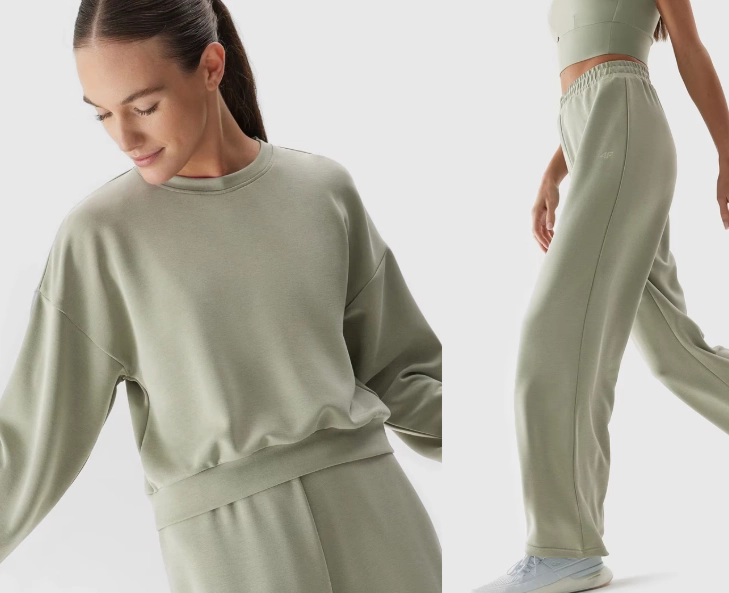
Step 2: Choosing Detergent & No Go Zones
Use a mild, liquid detergent. Powder detergents sometimes don't fully dissolve in cool water and can leave residues on the smooth modal fibers. Avoid bleach (chlorine and oxygen) and fabric softeners at all costs. Fabric softener coats the fibers, reducing their breathability and absorbency—the very qualities you love about modal. For stubborn odors, a half-cup of white vinegar in the rinse cycle is a safer alternative.
Step 3: The Golden Rules of Machine Settings
This is where most machines on "auto" or "normal" will betray you.
- Water Temperature: Cold or cool water only. Warm water is the start of the shrinkage risk. Hot water is a death sentence for the fit and hand-feel.
- Cycle Selection: Use the Delicate, Hand Wash, or Gentle cycle. These cycles use slower agitation and slower spin speeds.
- Spin Speed: If your machine allows a separate spin speed selection, choose a low spin (e.g., 600 RPM or less). High spin speeds can warp the wet, swollen fibers.
Step 4: Drying Modal – The Make or Break Moment
Heat is modal's biggest enemy. The safest method is always air drying. Lay the garment flat on a drying rack or towel, reshaping it to its original dimensions. If you must use a dryer, use the lowest heat setting (Air Fluff or No Heat/Tumble only) and remove the items while they are still slightly damp. Then lay them flat to finish. Never use high heat.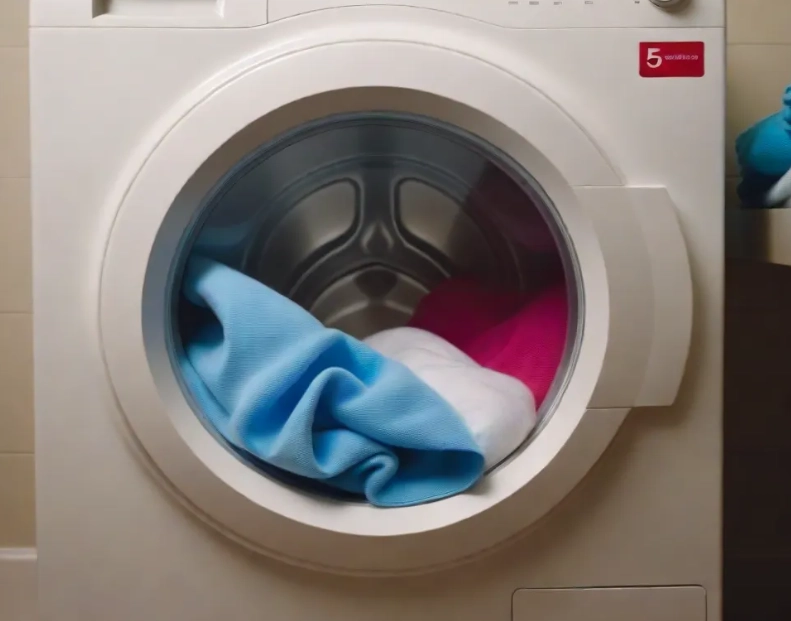
The #1 Mistake I See: People use "Permanent Press" or "Wrinkle Control" dryer settings thinking they're gentle. These cycles often use a burst of high heat at the end. For modal, that's a guaranteed way to tighten the fibers permanently.
What Happens If You Wash Modal Wrong?
Let's be concrete about the consequences. It's not just "it might get damaged."
- Shrinkage: The most common issue. Modal can shrink 5-10% in a hot wash/dry cycle. A perfectly fitted dress becomes a crop top.
- Pilling: Those little fabric balls appear on high-friction areas (underarms, sides) due to harsh agitation with rough textiles.
- Loss of Softness & Drape: The fibers become brittle and rough with repeated heat damage. That fluid, silky feel is gone.
- Stretching or Warping: When heavy, wet modal is hung by its shoulders on a hanger, it stretches out of shape. The weight of the water is enough.
Modal vs. Other Fabrics: A Quick Care Comparison
You probably own a mix of fabrics. Here’s how modal care differs from your usual routine.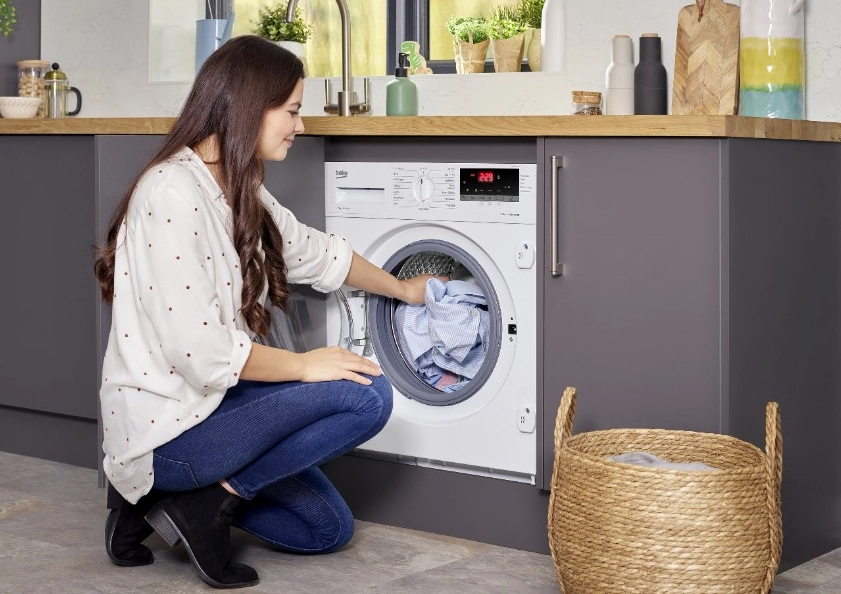
| Fabric | Machine Washable? | Key Difference from Modal | Biggest Care Risk |
|---|---|---|---|
| Modal | Yes, on Gentle/Cold | High wet-state vulnerability. Needs low agitation. | Heat shrinkage, pilling. |
| Cotton | Yes, very durable. | Can handle hotter water and more agitation. Often pre-shrunk. | Color fading, wrinkling. |
| Rayon (Viscose) | Often "Dry Clean Only" | Even weaker when wet than modal. Often requires hand wash. | Severe stretching, shrinkage. |
| Polyester | Yes, very robust. | Heat-tolerant, low absorbency. Can usually handle warm wash. | Oil stains, odor retention. |
| Linen | Yes, but can be rough. | Benefits from washing, gets softer. Can handle more heat than modal. | Wrinkling, stiffness if overdried. |
Special Cases: Modal Blends, Activewear, and Bedding
Not all modal is created equal. The care label is law, but here's how to interpret it.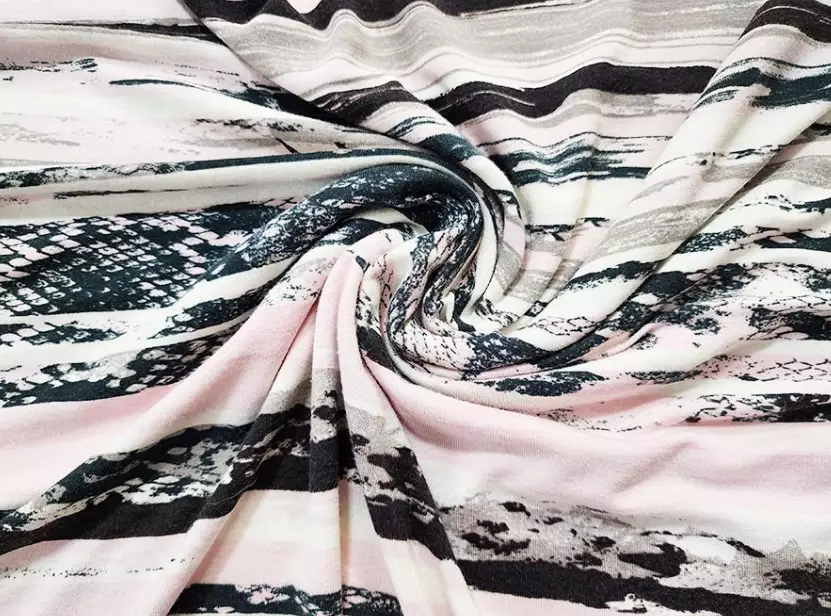
Modal/Spandex or Modal/Elastane Blends (Leggings, Underwear): The spandex adds stretch but is highly sensitive to heat and bleach. Cold water and air drying are non-negotiable to preserve elasticity. A hot dryer will cook the spandex, leaving you with baggy, lifeless leggings.
Modal Bedding (Sheets, Duvet Covers): They're bulky, so your machine's capacity matters. Don't overload. Use the bulky bedding cycle if you have it, as it provides more room for movement. Still, stick to cold and delicate settings. Tumble dry on low and remove promptly to minimize wrinkles—modal bedding wrinkles less than cotton, but heat-set wrinkles are harder to remove.
"Dry Clean Only" Modal: Sometimes this is for structure (like in a tailored blazer) or because of intricate linings. Other times, it's a manufacturer playing it ultra-safe. For a simple modal dress or blouse with no structure, you can often risk a careful hand wash following the principles above. For structured items, trust the label.