Let's be honest, that fabric shower curtain liner gets ignored until it's visibly disgusting. You see the pink mold spots, feel the slimy texture, and notice the faint musty smell. Throwing it out and buying a new $10 liner every few months feels wasteful, but the thought of cleaning it seems messy and uncertain. Can it even go in the washing machine? Will it come out wrinkled and useless? I've been there. I once shoved a perfectly good liner into a hot wash with bleach, only to pull out a shrunken, stiff mess. Lesson learned the hard way. The good news is, washing a fabric shower curtain liner is straightforward once you know the rules. This guide cuts through the confusion and gives you clear, actionable methods to make yours look and smell fresh again.
What You'll Learn
- Why Bother Washing a Fabric Shower Curtain Liner?
- The Crucial Pre-Wash Steps Everyone Skips
- How to Wash a Fabric Shower Curtain Liner in the Washing Machine
- The Gentle Hand Wash Method (For Delicate or Heavily Soiled Liners)
- Using Natural Cleaners: Vinegar, Baking Soda & Essential Oils
- Drying and Preventing Wrinkles: The Make-or-Break Step
- A Simple Maintenance Schedule to Prevent Future Grime
- Your Top Questions About Cleaning Shower Curtain Liners, Answered
Why Bother Washing a Fabric Shower Curtain Liner?
It's not just about looks. A dirty liner is a breeding ground for mold, mildew, and bacteria. The CDC notes that mold exposure can trigger allergies and respiratory issues. Every time you take a hot shower, you're steaming those microbes into the air. Washing your liner removes these allergens, eliminates odors, and dissolves soap scum and mineral deposits that make the fabric feel gross. It extends the life of your liner by years, saving you money and reducing plastic waste from disposable vinyl liners. Think of it as basic bathroom hygiene, similar to cleaning your towels.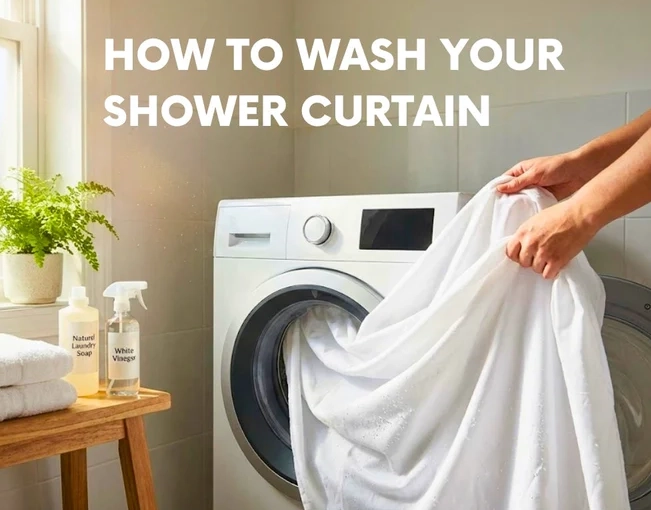
The Crucial Pre-Wash Steps Everyone Skips
Jumping straight into the wash is a mistake. A little prep work makes all the difference.
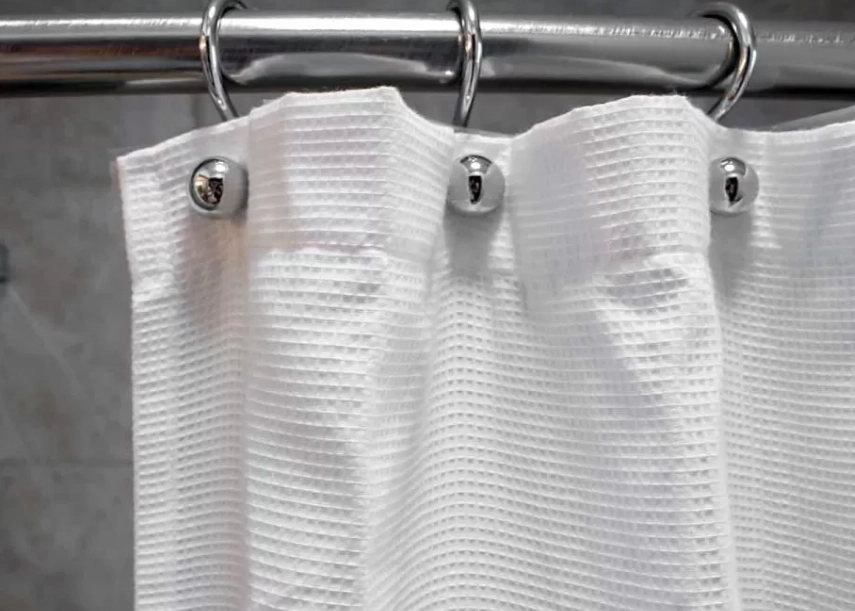
First, take the liner down and give it a vigorous shake outside or over your bathtub. This dislodges loose dust and hair. Next, inspect the liner. Are the grommets (the metal or plastic holes at the top) rusty? If so, spot-clean them with an old toothbrush and a paste of baking soda and water to prevent rust stains from spreading in the wash. Check the hem at the bottom—it often traps a concentrated line of grime. Pre-treat this area by rubbing in a small amount of liquid laundry detergent or a paste of oxygen bleach and water. Let it sit for 10-15 minutes. This step alone tackles the worst of the dirt.
How to Wash a Fabric Shower Curtain Liner in the Washing Machine
This is the most effective method for a thorough clean. Modern front-load or top-load HE machines are perfectly suited for this task.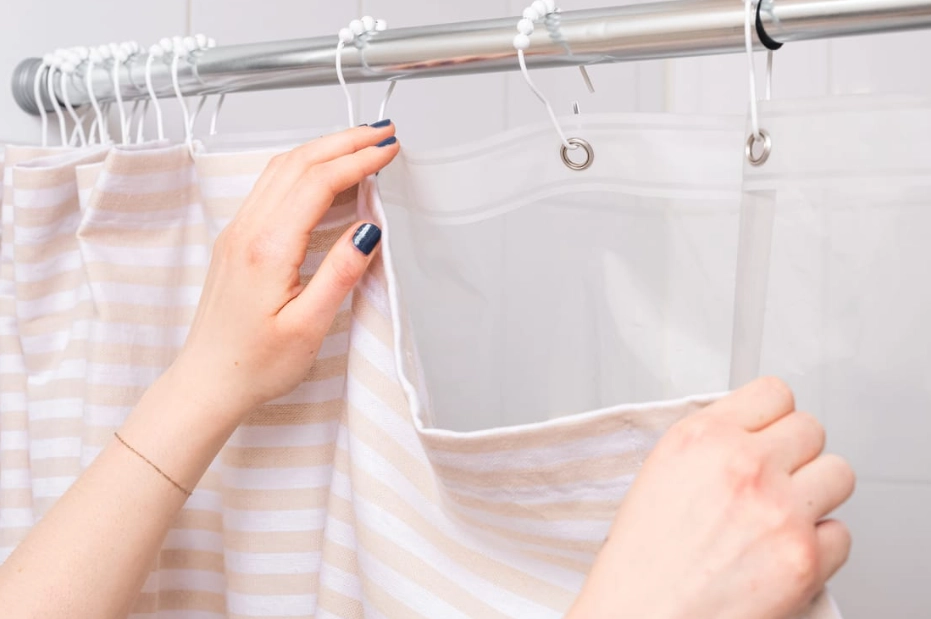
Step-by-Step Machine Washing Guide
1. Load it Solo: Wash the liner by itself. Throwing it in with towels or clothes can cause excessive abrasion and trap lint on the damp fabric.
2. Temperature & Cycle: Use warm water (not hot—hot water can set certain stains and is harsh on fabrics). Select a gentle or delicate cycle. The agitation of a normal cycle can be too rough.
3. Detergent Choice: Use a standard amount of your regular liquid laundry detergent. Avoid powder detergents as they may not fully dissolve in a small, single-item load. Do not use fabric softener or dryer sheets at any point. They coat the fabric with chemicals that attract dirt and reduce water repellency.
4. The Magic Boosters: For whitening and disinfecting, add 1/2 cup of oxygen bleach (like OxiClean) to the drum before adding the liner. It's color-safe and fantastic against organic stains like mold. For odor removal and mineral deposit breakdown, pour 1 cup of white distilled vinegar into the detergent dispenser or directly into the drum. Don't worry about the smell—it rinses completely away.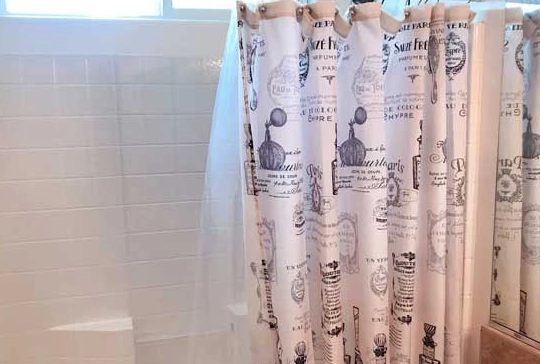
5. The Extra Rinse: If your machine has the option, select an extra rinse cycle. This ensures all detergent and vinegar residue is flushed out, leaving the liner squeaky clean.
| Method | Best For | Key Ingredients | Time Estimate |
|---|---|---|---|
| Washing Machine | General deep cleaning, disinfecting, overall refresh | Liquid Detergent, Oxygen Bleach, White Vinegar | 60-90 minutes |
| Hand Wash (Tub) | Delicate liners, heavy mold spots, spot cleaning | Hot Water, Baking Soda Paste, Dish Soap | 30-45 mins active |
| Natural Cleaner Soak | Maintenance washes, light soil, odor removal | White Vinegar, Essential Oils (Tea Tree, Lemon) | 1-2 hour soak |
The Gentle Hand Wash Method (For Delicate or Heavily Soiled Liners)
If your machine is acting up or the liner is covered in thick mold patches, hand washing gives you control. Fill your bathtub with the hottest water you can get from the tap. Add a 1/4 cup of liquid laundry detergent and a full cup of white vinegar. Submerge the liner and use a soft brush (an old dish brush works) to gently scrub both sides, paying special attention to the hem and any spotted areas. Let it soak for at least an hour. For stubborn black or pink mold spots, make a thick paste of baking soda and a few drops of water or hydrogen peroxide. Apply it directly to the spots, let it sit for 20 minutes, then scrub gently. The abrasive action of the baking soda helps lift the mold without harsh chemicals.
Using Natural Cleaners: Vinegar, Baking Soda & Essential Oils
If you prefer to avoid commercial detergents, you can create a powerful cleaning solution with pantry staples. The EPA recognizes acetic acid (the main component of vinegar) as an effective disinfectant. For a maintenance wash, soak the liner in a bathtub filled with warm water, two cups of white vinegar, and 10-15 drops of tea tree or lavender essential oil for their antifungal properties. Baking soda is your mechanical cleaner—its mild abrasiveness helps scrub away scum when made into a paste. Lemon juice can help with mineral stains but use it sparingly as the acidity can weaken fibers over time.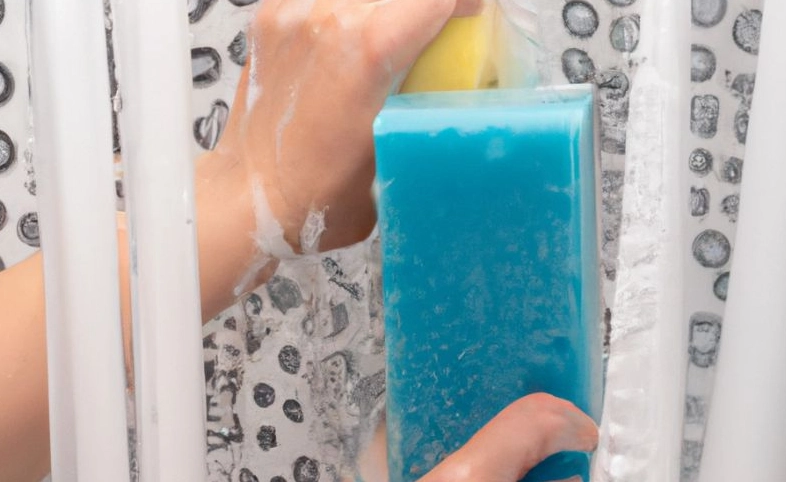
Drying and Preventing Wrinkles: The Make-or-Break Step
This is where most people fail. Putting a wet fabric liner in the dryer is a gamble. High heat can melt the waterproof backing or cause severe shrinkage and permanent wrinkles.
The best method is air drying. Immediately after the wash cycle ends, take the liner out and give it a strong snap to shake out excess water and help smooth wrinkles. Hang it back on the shower rod, ensuring it's evenly spread out. Turn on your bathroom fan or open a window to increase airflow. It should be dry to the touch in a few hours, completely dry by the next day.
If you must use a dryer, use the absolute lowest heat setting (air fluff or no heat) and throw in two or three clean, dry towels. The towels will absorb moisture and provide gentle tumbling action to prevent the liner from clumping and wrinkling. Check it every 5 minutes. Remove it while it's still slightly damp and hang it immediately to finish drying.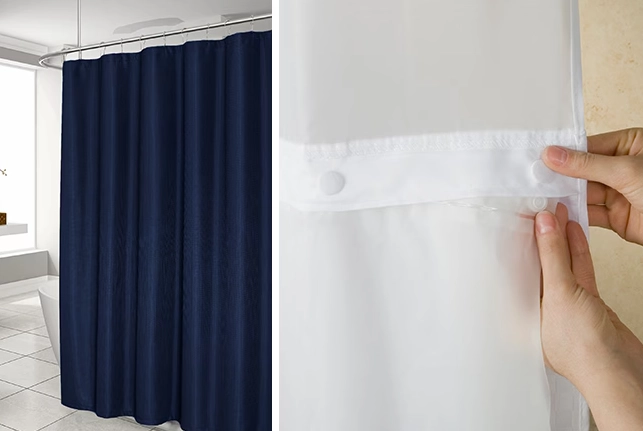
A Simple Maintenance Schedule to Prevent Future Grime
Don't wait for the mold to come back. A little routine keeps it at bay.
- After Every Shower: Simply spread the liner out along the rod so it dries quickly instead of staying bunched up and wet.
- Weekly: Wipe down the liner with a squeegee or a microfiber cloth after you clean your shower walls. This removes fresh soap film.
- Monthly: Give it a quick spray-down with a 50/50 mix of water and white vinegar in a spray bottle. No need to rinse.
- Quarterly (Every 3 Months): Do a full machine or hand wash as described above. This prevents buildup from ever getting out of control.
This schedule means you're never facing a monumental, disgusting cleaning job again.