I used to think working with fabric meant a battle with a sewing machine, tangled bobbins, and the inevitable pricked finger. Then I discovered no-sew fabric projects. It wasn't just a craft shortcut; it was a revelation. Suddenly, beautiful home decor, personalized gifts, and stylish accessories were within reach in an afternoon, not a weekend. This isn't about making inferior substitutes. It's about unlocking creativity with glue, tape, and clever folds, opening the craft room door to anyone who's ever felt intimidated by a needle and thread.
What You'll Find Inside
Why No-Sew Fabric Crafts Are Having a Moment
It's more than a trend. The appeal is practical. For beginners, it removes the steepest learning curve. For seasoned crafters short on time, it's a fast way to prototype an idea or create something beautiful without setup and cleanup of a sewing station. Parents can involve young kids safely. Renters can customize their space without permanent alterations. The barrier to entry is just so low. You see a gorgeous remnant at the store, and instead of thinking "I'd need to make a pattern," you think "I could turn that into a table runner tonight." That immediacy is powerful.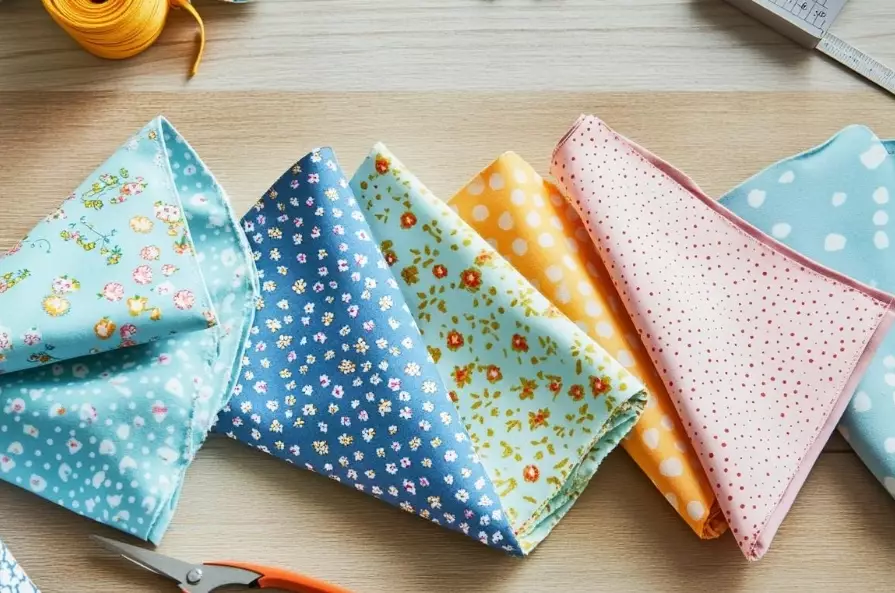
Your No-Sew Toolkit: Choosing the Right Adhesive
This is the heart of it. Your stitch is your glue or tape. Picking the wrong one is the most common mistake I see, leading to projects that fall apart after a few weeks. It's not just about "strong" glue; it's about the right kind of strong for the fabric and the project's use.
| Adhesive Type | Best For | Key Considerations & My Take |
|---|---|---|
| Hot Glue Gun | Home decor (frames, wreaths), stiff fabrics, layered embellishments. | Sets fast, great for structure. The low-temp guns are safer but may not bond as firmly to some synthetics. A pro tip: apply to one surface, let it cool for 5 seconds (creating a "tacky" state), then press. This prevents the glue from soaking through thin fabric. |
| Fabric Glue (e.g., Aleene's, Beacon) | Hemming, appliqué, bonding fabric to fabric, lightweight projects. | Flexible and washable when fully cured. The drying time is the killer—you must clamp or weight it for hours. Rushing this step is the #1 reason fabric glue projects fail. Read the cure time on the bottle, then double it. |
| Fabric Fusion Tape/Stitch Witchery | Creating clean hems, seams, and bonds between fabric layers. | It's a heat-activated wonder. You iron it between two fabric layers. Gives a very clean, flat finish perfect for napkins or curtain hems. Practice on a scrap first to get your iron temperature right—too hot can melt synthetic tape. |
| Fusible Fleece & Web (like Pellon) | Adding structure (for baskets, boxes), bonding fabrics for quilting-like effects. | Fusible web is a thin adhesive sheet. Fleece adds padding. They turn any fabric into a stiff, workable material. This is your secret weapon for making no-sew fabric baskets or coasters that hold their shape. |
| Hook-and-Loop Tape (Velcro) & Snaps | Closures for bags, wall hangings, removable covers. | Often overlooked as an "adhesive." The adhesive-backed versions are no-sew staples. For heavy-duty use, glue the non-adhesive side for extra hold. Snaps can be attached with a simple hammer kit, no sewing required. |
My personal workhorse is the hot glue gun for structure and fabric fusion tape for anything that needs a neat, flat edge. I keep a roll of 3M Super 77 Spray Adhesive for temporarily holding large pieces of fabric in place before a final bond—a lifesaver for big projects.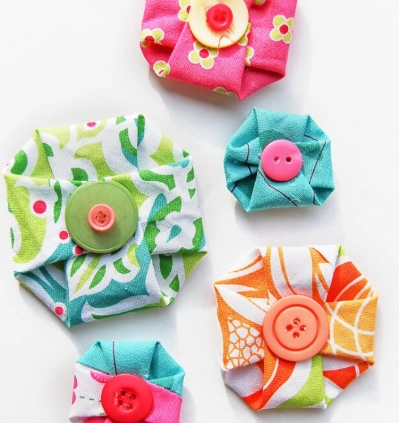
No-Sew Project Ideas: Home & Decor
Let's get specific. Here are projects that look professional but require zero stitching.
No-Sew Pillow Cover (The Knot Method)
You need a square of fabric about twice the width of your pillow insert. Place the insert in the center, gather the four corners of the fabric, and tie them together in a sturdy knot or secure with a thick rubber band or ribbon. Fluff and adjust. For an 18-inch pillow, use a 36-inch square of a drapey fabric like velvet or linen. This takes 90 seconds.
Fabric-Covered Storage Boxes
Take a plain cardboard or wood box. Measure and cut fabric with a 2-inch overhang on all sides. Use spray adhesive to coat one side of the box, smooth the fabric on, then use hot glue to fold and secure the overhang neatly inside the box. It instantly organizes a shelf with style.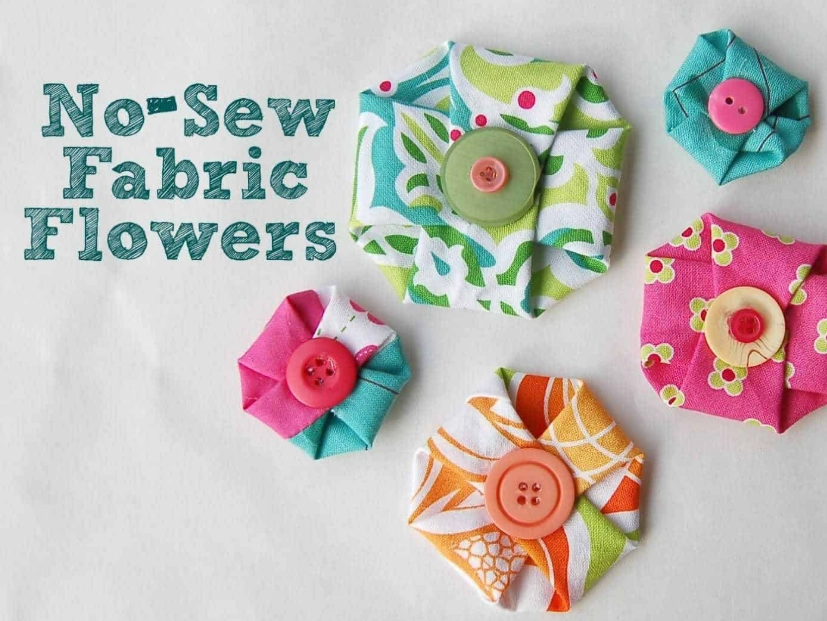
Fabric Wall Art / Hanging
Stretch a bold-patterned fabric over a pre-made canvas stretcher bar or even an old picture frame. Secure the fabric to the back with a staple gun or heavy-duty glue. No one will see the back. You've created a large-scale textile art piece for a fraction of the cost.
Other quick wins: Table Runners (just hem the ends with fabric fusion tape), Coasters (layer two fabric squares with fusible fleece in between, seal the edges with fabric glue), and Simple Curtain Panels (use iron-on hem tape for the sides and bottom, a tension rod for the top).
No-Sew Project Ideas: Wearables & Gifts
Yes, you can make things to wear and give without sewing a single stitch.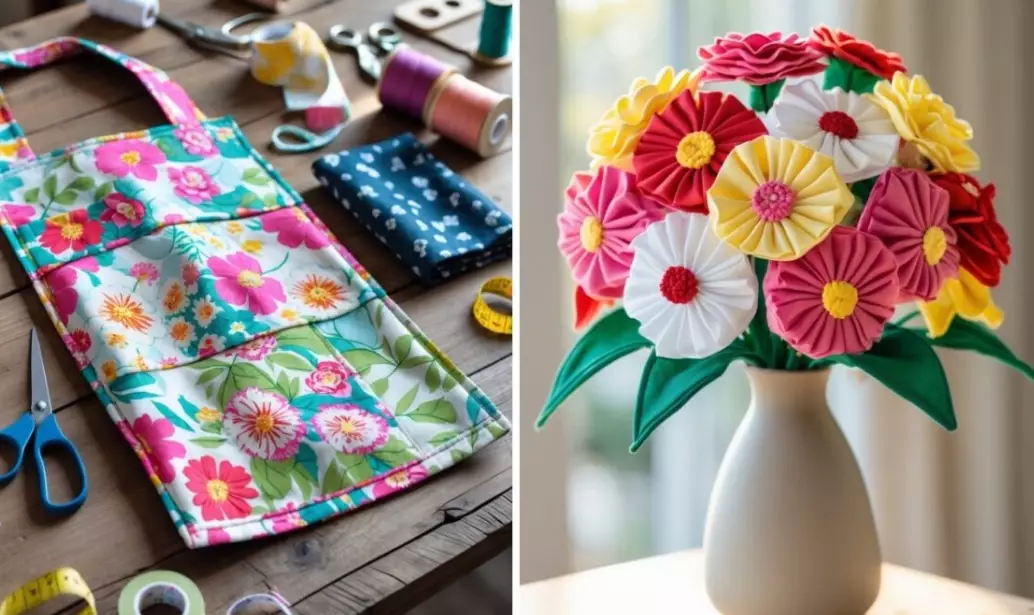
The Infinity Scarf from a Rectangle
Cut a rectangle of fleece or jersey knit fabric (about 60" long by 20" wide). These fabrics don't fray. Lay it flat, fold it in half lengthwise, and glue the long edge together with fabric glue, leaving the ends open. Once dry, you have a tube. Twist it once, then glue the two open ends together to form a loop. Done.
Drawstring Gift Bags
Cut a rectangle of fabric. Fold it in half with the right sides facing out. Glue the two side seams shut with fabric glue, leaving a 2-inch gap at the top unglued. Fold the top edge down 1 inch to the inside to create a channel and glue it down, sealing over the gaps from the side seams. Thread a ribbon through the channel. These are reusable and look far more thoughtful than wrapping paper.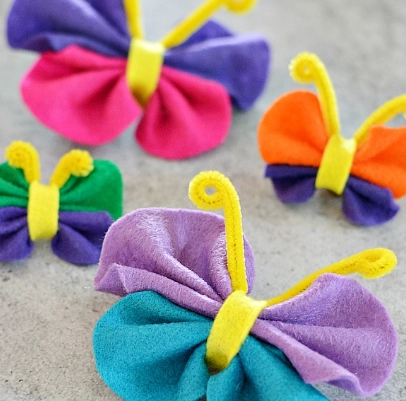
Fabric Headbands & Scrunchies
For a headband, cut a strip of stretchy knit fabric. Wrap it around your head to size, overlap the ends by an inch, and glue securely. Cover the glued join by wrapping another small strip of fabric around it. For a scrunchie, glue a long fabric strip into a loop, then thread a hair elastic through it, gathering the fabric evenly, and glue the ends of the fabric loop together.
Holiday & Seasonal Quickies
Cut fabric into flag shapes and glue them onto twine for a festive bunting. Wrap fabric around a foam wreath form, securing the ends with hot glue and pins. Make fabric gift bows by looping and gluing strips of fabric. These projects have high visual impact for minimal time investment, perfect for last-minute decor.
The Fabric Selection Guide: What Works Best Without Sewing?
Your fabric choice makes or breaks a no-sew project. Avoid loosely woven linens or silks that fray if you look at them wrong. Here’s my go-to list:
Fleece & Felt: The absolute kings. They don't fray, are easy to cut, and glue beautifully. Perfect for beginners, kids' projects, and anything structural.
Faux Suede & Leather: Looks luxe, cuts cleanly, and hot glue bonds to it incredibly well. Ideal for wallets, key fobs, or coasters.
Jersey Knit & Sweatshirt Fabric: Stretchy and minimally fraying. Great for wearables like scarves, headbands, or soft baskets.
Canvas & Duck Cloth: Sturdy with a tight weave. It will fray if cut, so plan to fold over edges or use a sealant like Fray Check. Excellent for tote bags or storage bins.
Velvet & Velour: Drapey and forgiving. The pile hides small glue imperfections. Superb for pillow covers and luxurious throws (just knot the corners).
A crucial note on washing: If you intend to wash your project, you must pre-wash your fabric (to prevent shrinkage later) and use a washable fabric glue. Assume anything held together with hot glue or most tapes is spot-clean only. This defines the project's purpose from the start.