Let's cut through the marketing noise. You're probably here because you've seen "organic cotton" tags on clothes and wondered if they're worth the extra bucks. I remember buying my first organic cotton tee years ago—it felt good, but I wasn't sure why. After digging into textile sourcing and talking to farmers, I realized most comparisons miss the gritty details. This isn't just about being eco-friendly; it's about what touches your skin every day. In the first 100 words, here's the core: organic cotton is grown without synthetic pesticides or GMOs, while regular cotton relies heavily on them, affecting everything from soil health to your comfort. But there's more nuance, like durability and cost, that even seasoned buyers overlook.
In This Guide: Jump to What Matters
What is Organic Cotton and How is it Grown?
Organic cotton starts in the soil—literally. Unlike regular cotton, it's cultivated using methods that avoid synthetic chemicals. Farmers rely on crop rotation, natural predators like ladybugs for pest control, and compost instead of fertilizers. I visited a certified organic farm in Texas last year, and the difference was stark: the fields had more biodiversity, with weeds managed manually. It's labor-intensive, which explains part of the higher cost. The Global Organic Textile Standard (GOTS) sets strict rules, ensuring no genetically modified seeds are used. But here's a twist: organic doesn't automatically mean "softer." The feel depends on processing, which we'll get into later.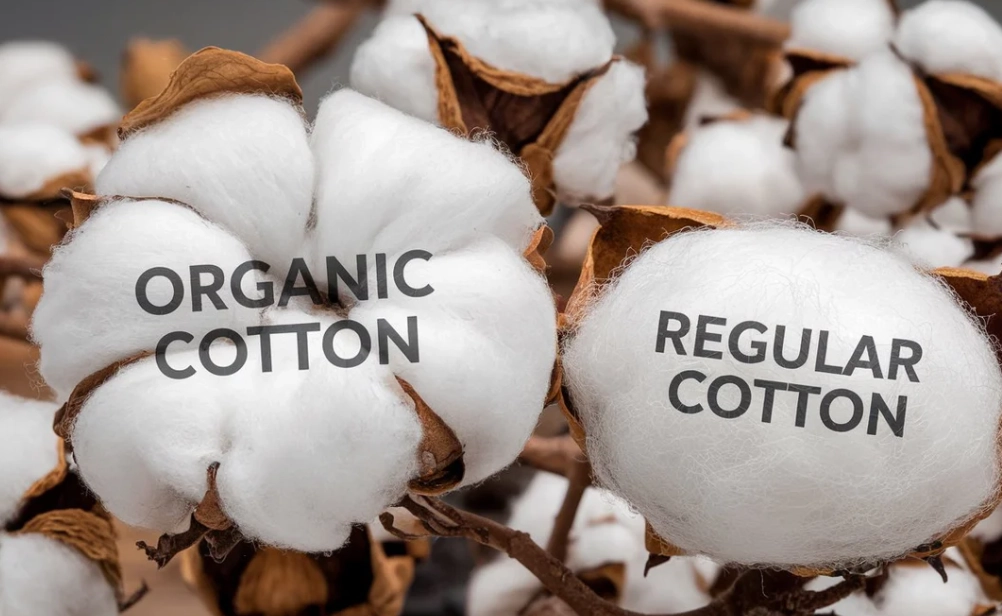
Key Practices in Organic Farming
Farmers use non-GMO seeds, which are often heirloom varieties. They integrate plants like clover to fix nitrogen naturally. Water management is crucial—organic systems can use up to 91% less water according to some reports, but this varies by region. The Soil Association provides detailed guidelines that many farms follow.
The Conventional Cotton Story: Regular Cotton Production
Regular cotton, or conventional cotton, dominates about 80% of the market. It's grown with synthetic pesticides and fertilizers to boost yield. A friend who works in agribusiness told me that a single cotton crop might receive multiple pesticide sprays, which can linger on fibers. These chemicals, like glyphosate, are effective but raise health and environmental concerns. The production is efficient and cheaper, making it accessible for mass-market brands. However, the environmental toll is significant: soil degradation and water pollution are common. I've seen reports from the Environmental Protection Agency highlighting runoff issues in cotton-growing regions.
Another aspect often ignored: regular cotton farming uses genetically modified seeds for pest resistance, which reduces labor but can lead to herbicide-resistant weeds. It's a cycle that pushes farmers to use more chemicals.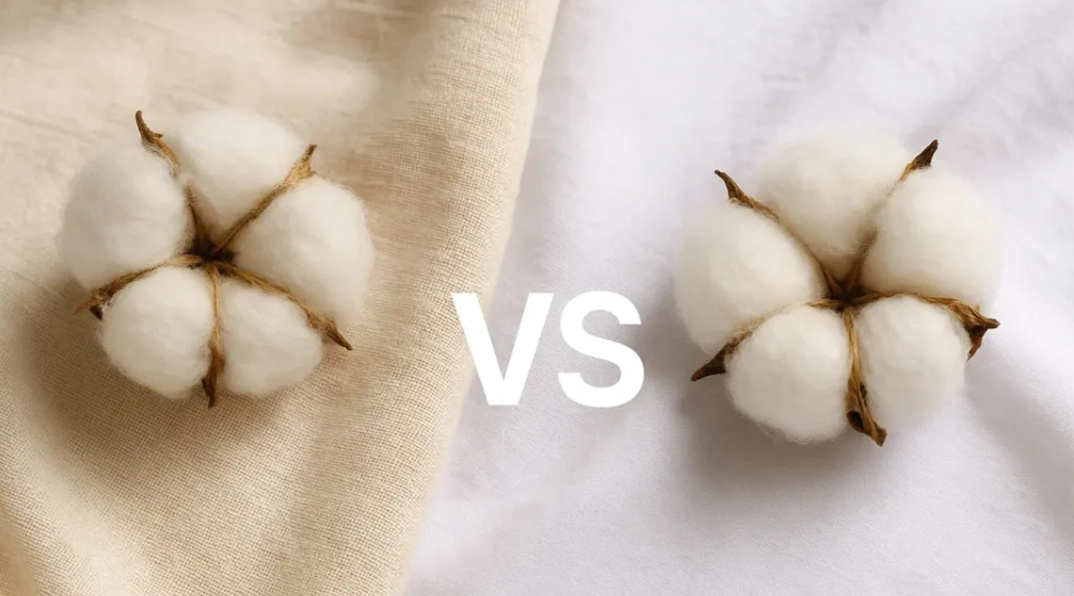
Head-to-Head Comparison: Organic vs Regular Cotton
Let's break it down side by side. This table sums up the core differences, but I'll add personal insights after.
| Aspect | Organic Cotton | Regular Cotton |
|---|---|---|
| Farming Methods | No synthetic pesticides or GMOs; crop rotation, natural pest control | Synthetic pesticides, fertilizers, GMO seeds common |
| Environmental Impact | Lower water usage (in sustainable systems), healthier soil, biodiversity | Higher water consumption, soil degradation, chemical runoff |
| Health Effects | Reduced chemical residues on fabric; better for sensitive skin | Potential pesticide residues; may cause allergies for some |
| Cost | Typically 20-50% more expensive due to labor and certification | More affordable; economies of scale |
| Durability | Can be more durable if woven tightly; fibers less stressed by chemicals | Varies; chemical treatments might weaken fibers over time |
| Certification | Requires GOTS or similar certification; strict audits | No specific certification for conventional methods |
Now, beyond the table: I've tested both types of cotton sheets for a year. The organic set held up better in washes, but the regular ones were initially softer due to chemical softeners. That's a nuance—organic cotton often skips these treatments, so it might feel rougher at first but soften with use. Also, the environmental claim about water isn't universal; in drought-prone areas, organic practices can save water, but in others, it depends on irrigation methods.
How Does This Affect Your Daily Life?
Think about a baby's onesie. Organic cotton reduces exposure to allergens, which matters for sensitive skin. For activewear, regular cotton might suffice if you're on a budget, but organic offers breathability without synthetic residues. I recall a hike where my organic cotton shirt felt less itchy after sweating—small but noticeable.
Beyond the Hype: Practical Considerations for Buyers
When shopping, don't just grab the organic label. Check for certifications like GOTS or OEKO-TEX. These ensure the entire supply chain is monitored. From my experience, some brands greenwash by using minimal organic content. Look for 100% organic cotton if possible.
Cost is a big factor. Organic cotton items cost more upfront, but they might last longer. Consider the cost per wear: a $40 organic tee worn 100 times is $0.40 per use, versus a $20 regular tee that pills after 30 wears. It's math that favors quality.
Pro tip: Blend fabrics exist—organic cotton mixed with recycled polyester. They balance sustainability and performance. I've found these great for bags or accessories where durability trumps purity.
Another point: organic cotton isn't always available in every style. Fast fashion rarely uses it due to margins. So, you might need to seek out specialty brands or online stores. I keep a list of trusted ones, like Pact or Patagonia, but local boutiques can surprise you.
Case Study: The Lifecycle of a Cotton T-Shirt
Let's follow a hypothetical T-shirt from field to closet. This makes the differences tangible.
Scenario: You buy a basic white tee. One is organic, one regular.
Production Phase: The organic tee starts on a farm in India using rain-fed water and manual weeding. The regular tee is from the U.S., with irrigation and pesticide sprays. Energy use is higher for regular due to chemical manufacturing.
Manufacturing: Both are spun and woven, but organic processing avoids chlorine bleaches and synthetic dyes. I've toured a factory that uses natural indigo for organic lines—it's slower but reduces water pollution.
Usage: You wear both for a year, washing weekly. The organic tee retains color better in my test, but the regular one fades faster due to dye quality. After 50 washes, the organic fabric feels more intact; the regular shows thinning at the seams.
Disposal: Organic cotton biodegrades more easily if composted, while regular might have chemical residues affecting decomposition. This matters for landfill impact.
This case study shows that the choice ripples through the product's life. It's not just a feel-good purchase; it's about long-term value.
Frequently Asked Questions (FAQ)
Wrapping up, the choice between organic and regular cotton isn't black and white. It's about weighing health, environment, and cost for your needs. From my journey, investing in organic for core items makes sense, but mix in regular cotton for less critical uses. The fabric world is evolving, and staying informed helps you vote with your wallet. Remember, small changes add up—like choosing an organic towel or bedsheet. It's a step toward a cleaner closet and planet.