You're standing in a store, holding two t-shirts. One tag says "100% Cotton," the other "100% Polyester." The cotton one feels softer, maybe. The polyester one looks shinier. Which one should you buy? Is natural always better? The answer isn't as simple as the marketing wants you to think. I've spent over a decade working with textiles, from sourcing materials for small brands to dealing with the aftermath of a bad fabric choice (like the time a "luxury" linen blend shrank into a doll's dress after one wash). The difference between natural and synthetic fabrics goes far beyond feel—it's about performance, care, cost, and a surprising amount of environmental nuance that most guides gloss over.
What's Inside This Guide?
What Actually Defines Natural & Synthetic Fabrics?
Let's cut through the fluff. A natural fabric comes from a plant, animal, or mineral source you could theoretically find in nature. The key is the fiber's origin. Think cotton bolls, silkworm cocoons, flax plants for linen, or sheep's wool. Their molecular structure is complex and evolved, which gives them their characteristic properties—like cotton's breathability or wool's warmth.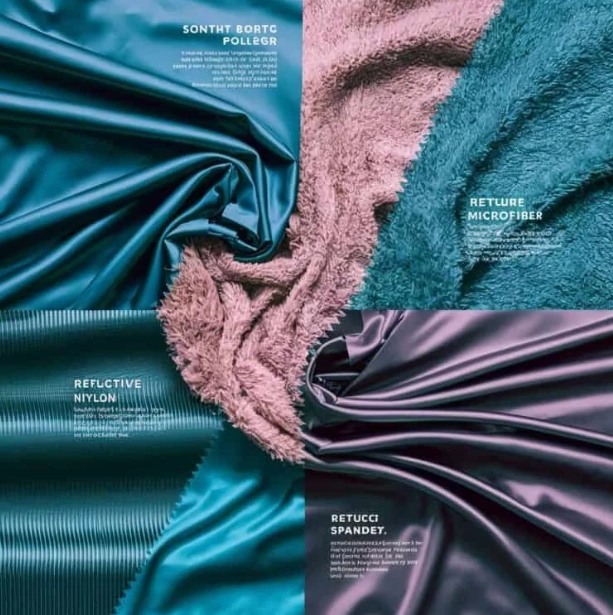
A synthetic fabric, on the other hand, is born in a lab. Its fibers are created through chemical synthesis, usually from petroleum-derived polymers. Polyester, nylon, acrylic, and spandex are the big names. Their structure is engineered, which means their traits—like incredible strength, elasticity, or resistance to wrinkles—are designed on purpose.
There's a middle child: regenerated cellulosic fibers like rayon, viscose, lyocell (Tencel™), and modal. These start with a natural material (wood pulp) but undergo heavy chemical processing to become a fiber. Most people toss them in the "synthetic" bucket, but purists argue they're a hybrid. For simplicity here, we'll focus on the two main camps.
The Ultimate Fabric Property Showdown
Forget vague adjectives. Here’s where they truly differ, point by point. This table is your cheat sheet, but the devil is in the details below it.
| Property | Natural Fabrics (e.g., Cotton, Wool, Linen) | Synthetic Fabrics (e.g., Polyester, Nylon) |
|---|---|---|
| Comfort & Feel | Generally more breathable, absorbent. Can feel softer against skin but may be stiff initially (linen). Temperature regulating. | Often less breathable, can feel clammy. Dries quickly. Can be engineered to feel very soft (microfiber) or slick. |
| Durability & Strength | Variable. Linen is very strong; cotton is moderate; silk is delicate. Strength weakens when wet. | Typically very strong and abrasion-resistant. Strength is maintained when wet. Excellent for high-stress uses. |
| Care & Maintenance | Often more demanding. Can shrink, wrinkle easily, may require ironing, careful washing. | Easy care. Wrinkle-resistant, shrink-resistant, often machine wash & dry. Can be prone to static and pilling. |
| Moisture Management | Absorb moisture (hygroscopic). Great for towels, sweat absorption. Can feel damp. | Repel moisture (hydrophobic). Wicks moisture away to evaporate. Keeps you drier during activity. |
| Environmental Impact | Resource-intensive (water, land, pesticides for conventional farming). Biodegradable. Animal welfare concerns for wool/silk. | Fossil fuel-derived. Energy-intensive production. Non-biodegradable, sheds microplastics. Recycled versions (rPET) are improving footprint. |
| Cost | Often more expensive, especially for high-quality or organic versions. Price fluctuates with harvests. | Generally cheaper to produce, leading to lower consumer prices. Consistent supply. |
| Thermal Properties | Wool is an excellent insulator (warm). Linen is highly breathable (cool). Cotton is adaptable. | Poor insulators on their own—they trap air but don't regulate well. Often used in thermal layers by creating loft. |
One nuance most miss: natural fabrics aren't inherently hypoallergenic. A cheap, chemically-processed cotton can irritate skin more than a high-quality, OEKO-TEX certified polyester. The processing and dyes matter as much as the base fiber.
Why Blended Fabrics Aren't a Cop-Out
This is where the magic happens. The "natural vs. synthetic" debate is often a false choice. Blends combine the best of both worlds, and they dominate the market for good reason.
A classic 65% polyester / 35% cotton blend is a workhorse. You get the breathability and soft hand-feel of cotton, paired with the durability, wrinkle resistance, and shape retention of polyester. That's why it's the go-to for polo shirts, bed linens, and everyday workwear. The polyester reinforces the cotton, making it last longer.
Adding just 2-5% spandex (elastane) to cotton, wool, or polyester creates stretch and recovery. Your jeans, yoga pants, and fitted shirts have this. A 100% cotton t-shirt will bag out at the elbows and knees. A 95% cotton/5% spandex one will snap back.
How to Choose: A Scenario-Based Guide
Let's get practical. What should you look for in specific situations?
For Everyday T-Shirts & Basics
100% Cotton (Ring-Spun or Pima): For ultimate breathability and softness, especially in heat. It gets softer with washes. Downside: It will shrink a bit and wrinkle.
Cotton-Poly Blend (50/50 or 60/40): For a shirt that holds its shape wash after wash, dries quickly, and needs little ironing. The feel is slightly less "cottony" but more durable.
My Pick: For a weekend tee, I go 100% cotton. For a uniform or shirt I wear traveling, the blend wins.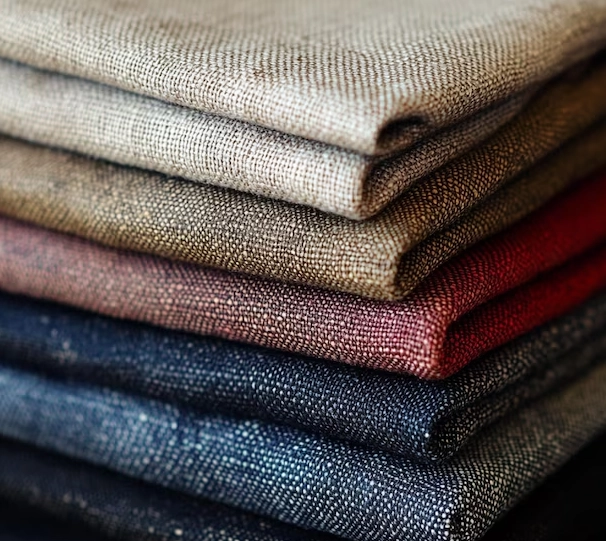
For Activewear & Gym Clothes
This is synthetic territory for a key reason: moisture wicking. Cotton absorbs your sweat, becomes heavy, and stays wet against your skin, chilling you. Polyester or nylon fabrics are engineered to pull moisture to the surface where it evaporates.
Look for terms like "moisture-wicking," "dry-fit," or specific technologies. Fabrics with a brushed interior feel softer. Merino wool is a natural exception—it wicks and resists odor amazingly well but is more expensive and delicate.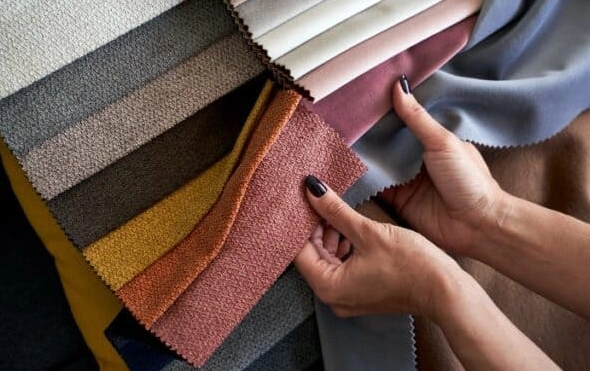
For Bed Linens
100% Cotton (especially long-staple like Egyptian or Supima): Cool, breathable, luxurious feel. Percale weave is crisp; sateen is silky.
Linen: The king of temperature regulation, gets better with age. Feels textured and relaxed.
Polyester or Blends: Affordable, wrinkle-free, but can sleep hotter and may have a less pleasant hand feel. I avoid 100% synthetic sheets; they make me sweat.
For Outerwear & Jackets
Here, function is paramount. The shell of a rain jacket is almost always a nylon or polyester because it can be woven tightly, made waterproof with a membrane (like Gore-Tex), and is incredibly strong for its weight. The insulation inside could be down (natural) or synthetic fill (like PrimaLoft®), which retains warmth when wet—a key advantage over down in damp conditions.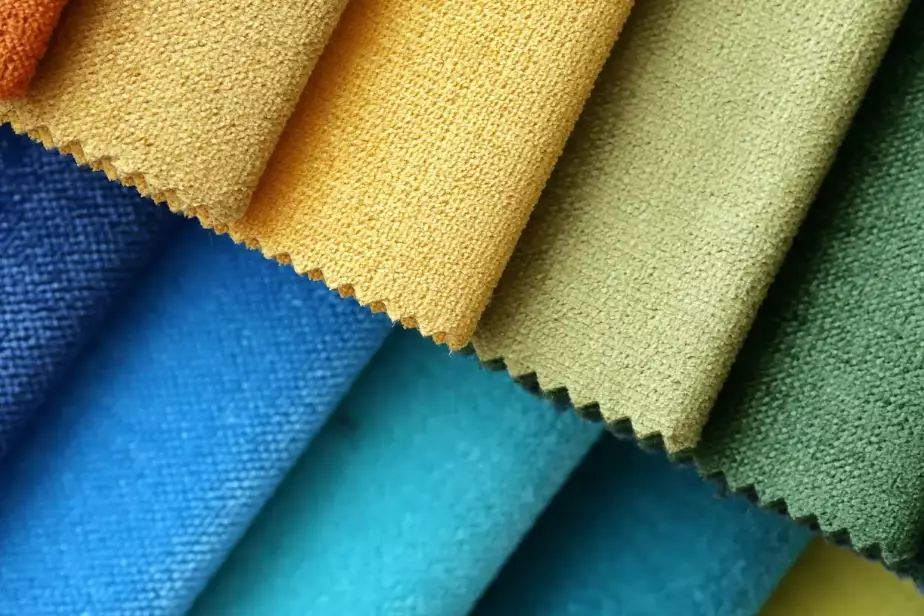
Care, Longevity, and the Environmental Elephant in the Room
How you care for fabrics drastically alters their lifespan and impact.
Natural fabrics often need cooler washes, air drying, and ironing. They biodegrade at the end of their life. However, conventional cotton farming is a thirsty, pesticide-heavy process. The Textile Exchange reports it uses significant global water and land resources. Organic cotton and better practices (like the Better Cotton Initiative) aim to reduce this.
Synthetic fabrics are low-maintenance but have a hidden cost: microfiber pollution. Every wash releases tiny plastic fibers into waterways. A 2016 report by the International Union for Conservation of Nature (IUCN) estimated synthetics as a major source of microplastics in the ocean. Using a Guppyfriend washing bag or a washing machine with a built-in filter can help. Also, they don't biodegrade.
The most sustainable choice is often the garment you already own, cared for properly. Wash in cold water, air dry when possible, and mend small holes. A durable polyester blend worn for 10 years can have a lower per-wear footprint than a delicate organic cotton shirt discarded after one season.