Let's cut to the chase. Can you bleach modal fabric? Technically, yes, you can. But should you? That's where things get complicated, and where most generic advice falls short. As someone who's worked with textiles for over a decade and seen my share of laundry disasters (including a beloved grey modal sweater that turned a sickly orange), I'm here to give you the full picture—not just a simple yes or no. Bleaching modal is a high-risk maneuver that can easily weaken the fibers, cause yellowing, or create holes. This guide will walk you through when it might be acceptable, how to do it as safely as possible, and—more importantly—the smarter alternatives you should try first.
Quick Navigation: What You'll Learn
What is Modal Fabric and Why is Bleaching So Tricky?
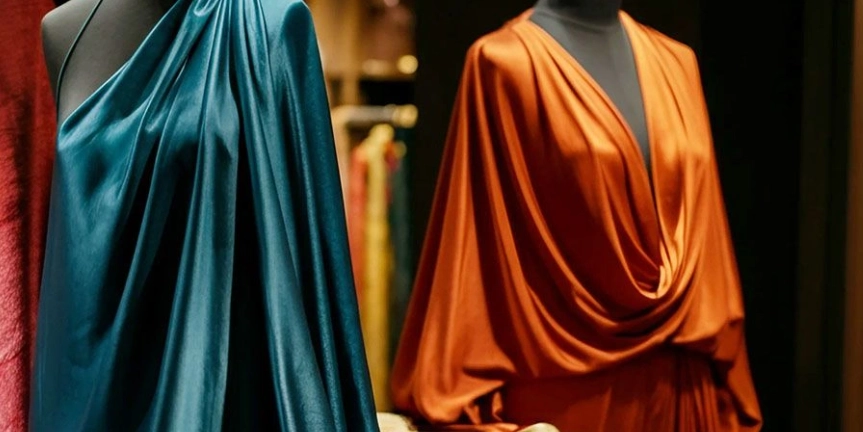
Modal isn't your average cotton. It's a type of regenerated cellulose fiber, made from beech tree pulp. Brands like Lenzing AG, a leading producer, market it for its incredible softness, breathability, and drape—often calling it a premium, eco-friendly alternative. But that same structure that makes it feel like a dream against your skin is its Achilles' heel in the laundry room.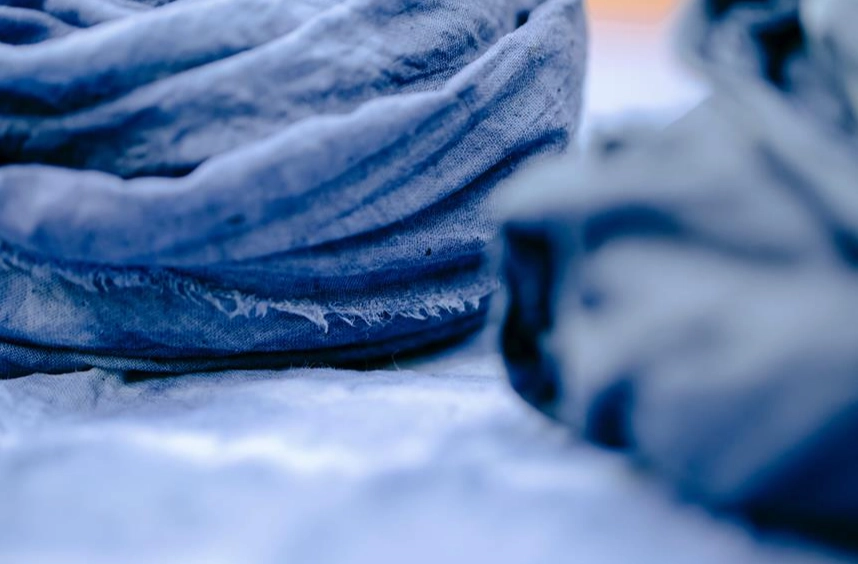
Here's the core issue: modal fibers have a high swelling capacity. They absorb water and chemicals much more readily than cotton. When you dunk them in chlorine bleach (sodium hypochlorite), the fibers don't just get cleaned on the surface—they soak that harsh chemical right up. This leads to an aggressive oxidation process that attacks the fiber's polymer chains. Think of it like this: cotton might get a surface scrub, but modal gets a deep, damaging chemical bath.
Another point most guides miss is the dye factor. Modal takes dye beautifully, resulting in those rich, vibrant colors. But the bonds between the dye and the modal fiber are often more vulnerable to chemical attack. So, bleaching doesn't just risk damaging the fabric; it can cause unpredictable and often ugly color changes—think that vibrant blue shifting to a patchy, faded grey-green.
How to Bleach Modal Fabric Safely (A Step-by-Step Last Resort)
Okay, you've read the warnings. Maybe you have a pure white modal item that's developed a stubborn stain or greyed with age, and you're willing to accept the risk. If you proceed, this is the method that minimizes potential damage. It's not foolproof, but it's the most controlled approach.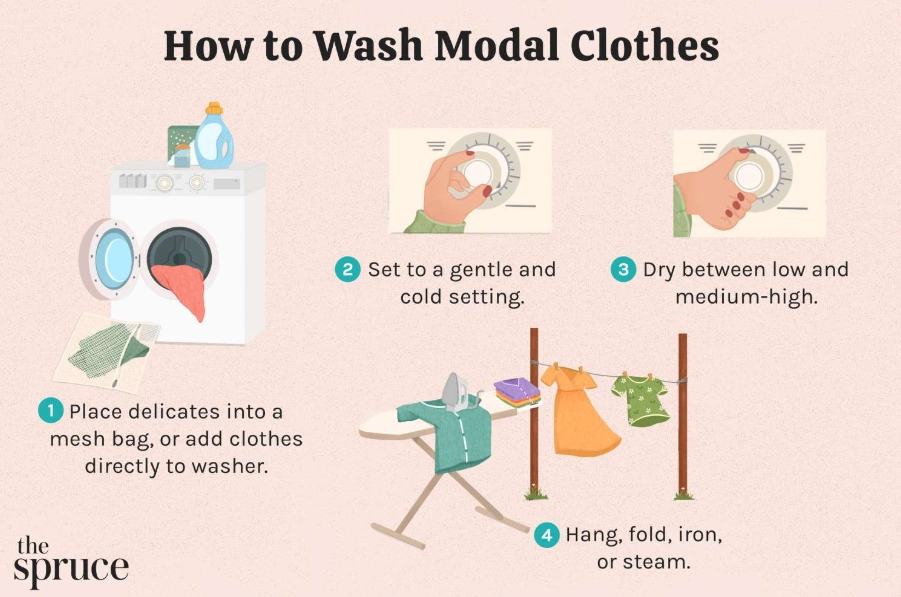
The Pre-Bleach Non-Negotiables
Check the Care Label: This is rule number one. If it says "Do Not Bleach," believe it. The label is based on the garment's specific construction, dye, and finish. Ignoring it is asking for trouble.
Conduct a Spot Test: You can't skip this. Mix a small amount of your chosen bleach solution (see below). Use a cotton swab to dab it on an inconspicuous area—like an inside seam or the underside of a hem. Wait 5-10 minutes, then rinse and blot dry. Check for any color change, weakening, or discoloration. If it passes, proceed with extreme caution.
The Controlled Bleaching Process
- Dilute, Dilute, Dilute: Never use bleach straight from the bottle. For chlorine bleach, use a much weaker solution than you would for cotton. Try 1 tablespoon of bleach per 1 quart (4 cups) of cold water. Hot water accelerates the chemical reaction and increases damage. For oxygen-based bleach (like OxiClean), follow the package directions for delicate fabrics.
- Use a Basin, Not the Washing Machine: Machine bleaching is too aggressive and uneven. Use a plastic basin or clean sink. Submerge the garment fully and ensure it's evenly wet.
- Set a Timer: This isn't a "soak until you remember" situation. For chlorine bleach, 5 minutes is the absolute maximum. Set a timer. For oxygen bleach, 15-30 minutes is usually safe, but check the garment every 5 minutes.
- Constant Vigilance: Don't walk away. Agitate the water gently with a spoon or your hand (wear gloves!) to ensure even exposure. Watch for any immediate color shifts.
- Thorough Rinsing is Critical: After the time is up, drain the bleach solution. Rinse the garment under cold, running water for at least 2-3 minutes, gently squeezing out the suds. Any bleach left in the fibers will continue to work and cause damage.
- Neutralize (for Chlorine Bleach): This is a pro tip many miss. To stop the bleaching action completely, soak the rinsed garment for 5 minutes in a solution of 1 part white vinegar to 4 parts cold water. Then rinse again with plain cold water.
- Wash Gently: Finally, wash the garment alone on a gentle, cold cycle with a mild detergent. This removes any final residues.

| Step | Key Action | Why It Matters for Modal |
|---|---|---|
| 1. Dilution | 1 tbsp bleach : 4 cups COLD water | Reduces chemical strength to limit fiber penetration and damage. |
| 2. Vessel | Use a basin, not a machine | Allows for precise control and even exposure you can't get in a spinning drum. |
| 3. Timer | Max 5 mins (chlorine) | Prevents prolonged chemical attack on the swollen cellulose fibers. |
| 4. Rinse | 2-3 mins under running water | Essential to halt the chemical process. Incomplete rinsing = ongoing damage. |
| 5. Neutralize | Vinegar/water soak | Acidic vinegar neutralizes alkaline bleach, stopping the reaction dead. |
What Happens When You Bleach Modal? Understanding the Real Risks
Let's visualize the potential outcomes, from bad to worse. This isn't meant to scare you, but to inform your decision.
Yellowing or Graying: This is the most common and frustrating result. Instead of getting whiter, your white modal turns a dingy yellow or grey. Why? Chlorine bleach can react with certain optical brighteners or fabric finishes applied during manufacturing, or it can oxidize minute impurities in the fibers themselves. Once this happens, it's virtually impossible to reverse.
Fiber Weakening and Holes: This is the structural damage. The bleach breaks down the cellulose chains. You might not see it immediately, but the fabric becomes noticeably thinner, more limp, and loses its tensile strength. The next time you wear or wash it, a small stress point (like under an arm) can easily tear. I've seen modal tees develop pinholes after just one careless bleach encounter.
Loss of Softness and Drape: Modal's signature feel comes from its long, smooth fibers. Chemical damage roughens the fiber surface on a microscopic level. The garment won't feel as luxuriously soft against your skin and may lose its beautiful fluid drape, becoming stiff or cardboard-like.
Color Disaster (on Colored Modal): On anything other than white, expect trouble. Colors won't fade evenly to a lighter shade. They often shift to weird, murky tones—greens, browns, or oranges. The result looks stained and is usually irreversible.
Shrinkage and Distortion: The combined stress of the chemical attack and the subsequent washing can relax the fibers in unpredictable ways, leading to shrinkage or misshapen garments.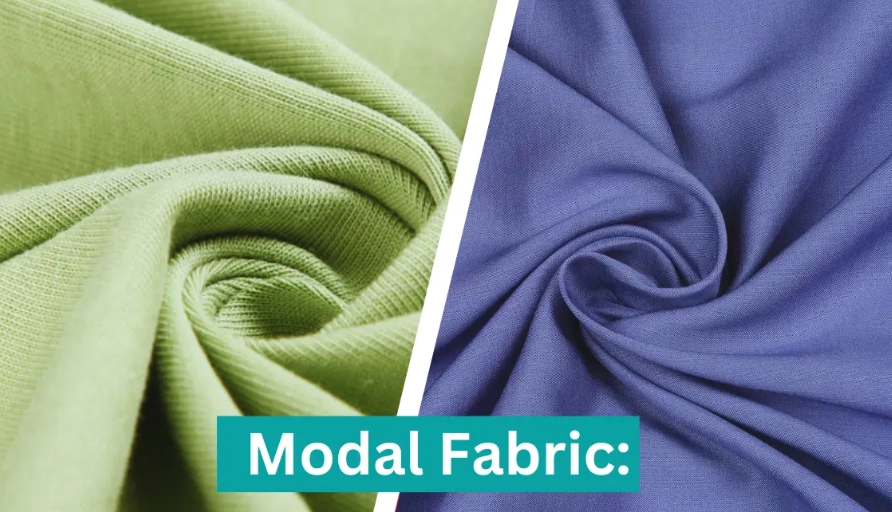
Better Than Bleach: Alternative Ways to Whiten or Brighten Modal
Honestly, 9 times out of 10, these methods are smarter, safer, and just as effective for maintaining modal.
Hydrogen Peroxide (3% Solution): This is my go-to. It's a gentler oxidizer than chlorine bleach. For overall brightening, add 1 cup to a basin of cold water and soak for 30-60 minutes. For spot stains, apply directly, let it bubble for a few minutes, then rinse. It's far less damaging to cellulose fibers.
Sun Bleaching: An ancient, zero-chemical method. After washing, lay your damp white modal garment flat in direct sunlight. The UV rays naturally break down stains and yellowing. Flip it halfway through. It takes longer but is completely non-destructive.
Oxygen-Based Bleach (Sodium Percarbonate): Products like OxiClean or Nellie's Oxygen Brightener are much safer for modal. They work in warm (not hot) water and are less aggressive. They're excellent for general brightening and tackling organic stains like sweat or food. Always do a colorfastness test first.
Baking Soda Soak: For gentle deodorizing and mild brightening, add ½ cup of baking soda to a basin of warm water. Soak the modal item for a few hours or overnight, then wash as usual. It helps lift grime without harsh chemicals.
Prevention is Key: The best way to keep white modal white is to wash it more frequently before body oils and grime set in. Use a detergent formulated for brights or delicates. Always separate lights from darks, and consider using laundry bluing agents for a crisp, bright white look.
Your Modal Bleaching Questions Answered (FAQ)
What if I accidentally got a drop of bleach on my dark modal shirt?
Act fast. Rinse the spot immediately under cold running water from the back of the fabric to push the bleach out, not deeper in. Don't rub. Then, dab the area with a cotton ball soaked in hydrogen peroxide (3%). This can sometimes help re-oxidize the spot and minimize the stark white mark, though it rarely fixes it completely. For colored modal, the damage from chlorine bleach is usually permanent.
 What about modal blends, like modal and cotton?
Blends are a gamble. The cotton portion might tolerate bleach better, but the modal portion remains vulnerable. The bleach will affect each fiber type differently, potentially leading to uneven weakening or color changes. The final result is unpredictable. Always treat a modal blend as if it were 100% modal—assume bleach is off-limits and use the gentler alternatives listed above.
How can I restore softness if my modal feels harsh after a wash (even without bleach)?
Modal can sometimes feel stiff if mineral deposits from hard water build up or if detergent isn't fully rinsed out. Try a rinse with ¼ cup of white vinegar in the fabric softener dispenser during the final rinse cycle (don't worry, the smell washes out). This helps break down residues. Also, ensure you're using a mild, liquid detergent and not overloading the washer, which prevents proper rinsing. Tumble dry on low or, better yet, air dry.
The bottom line? You have the power to bleach modal fabric, but you also have the power to ruin it. Weigh the risk against the value of the garment. For most people, sticking with hydrogen peroxide, sunlight, and oxygen bleaches is the winning strategy that keeps your soft, comfortable modal clothes looking and feeling great for years, not just one more season.