You've felt it. That pair of stiff, dark jeans that promised a perfect fit but never really softened up. Or the lightweight ones that blew out at the knees after six months. Choosing denim isn't just about brand or cut; it starts with the fabric itself. Most guides talk about fit, but ignore the blueprint: the weight, the weave, the wash. Get those wrong, and you're left with jeans that don't suit your life. This guide cuts through the noise. We'll break down denim fabric so you can shop like a pro, matching the material to your need for durability, comfort, or a specific faded look.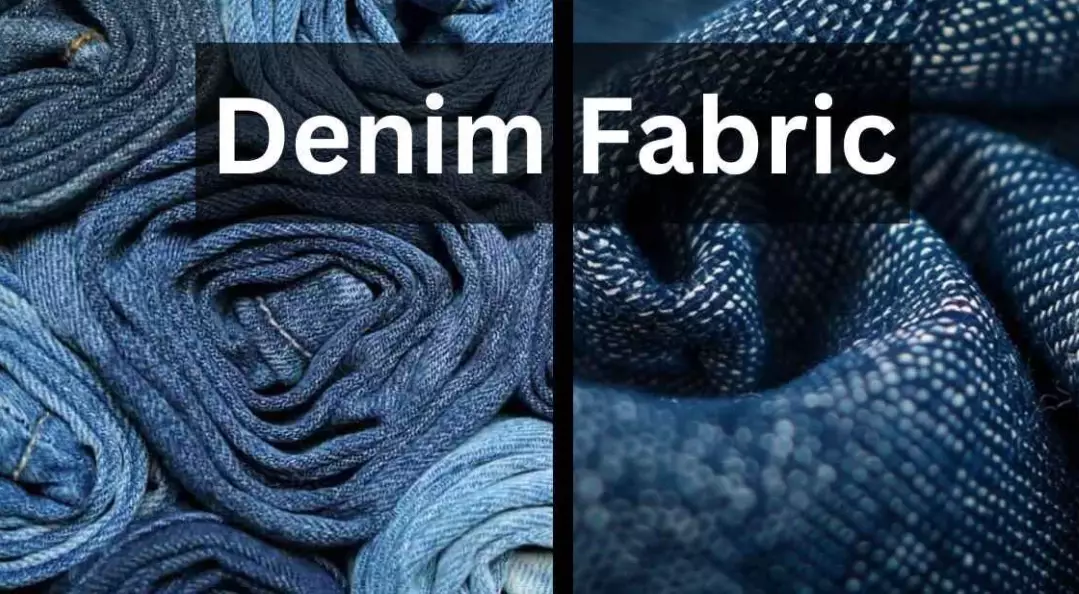
What You'll Learn Inside
Why Denim Weight is Your First Decision
Denim weight, measured in ounces per square yard (oz), is the single biggest factor determining how your jeans feel and perform. It's not about quality in a linear way—heavier isn't always better. It's about purpose.
Think of it like paper. Copy paper is light and flexible; cardstock is rigid and durable. Denim works the same.
| Weight Range (oz) | Common Names | Feel & Best For | Season/Use Case |
|---|---|---|---|
| 5 - 8 oz | Lightweight, Summer Denim | Feels like chinos. Soft, drapey, breathable. Prone to quicker wear and tear. | Hot climates, loungewear, fashion-forward pieces like denim shirts. |
| 10 - 12 oz | Mid-weight, Standard | What most mall-brand jeans use. Balanced feel—some structure but breaks in reasonably. The safe, versatile choice. | Year-round daily wear. Office-appropriate jeans. |
| 13 - 16 oz | Heavyweight, Workwear | Stiff initially, develops deep, personal fades. Extremely durable. Can be restrictive at first. | Cold weather, hard physical work, raw denim enthusiasts seeking high-contrast fades. |
| 17+ oz | Super Heavy, Specialist | Like wearing a canvas tarp. Stiff as cardboard. A niche choice for the dedicated. | Extreme durability needs, a specific aesthetic challenge. |
A mistake I see? People buy 14oz raw denim for their first "quality" jeans, expecting comfort from day one. They're shocked by the stiffness and give up. If you sit at a desk all day and want comfort, start with a 12oz sanforized (pre-shrunk) pair. The 14oz+ realm is for those willing to endure a break-in period for a legendary pair that molds solely to them.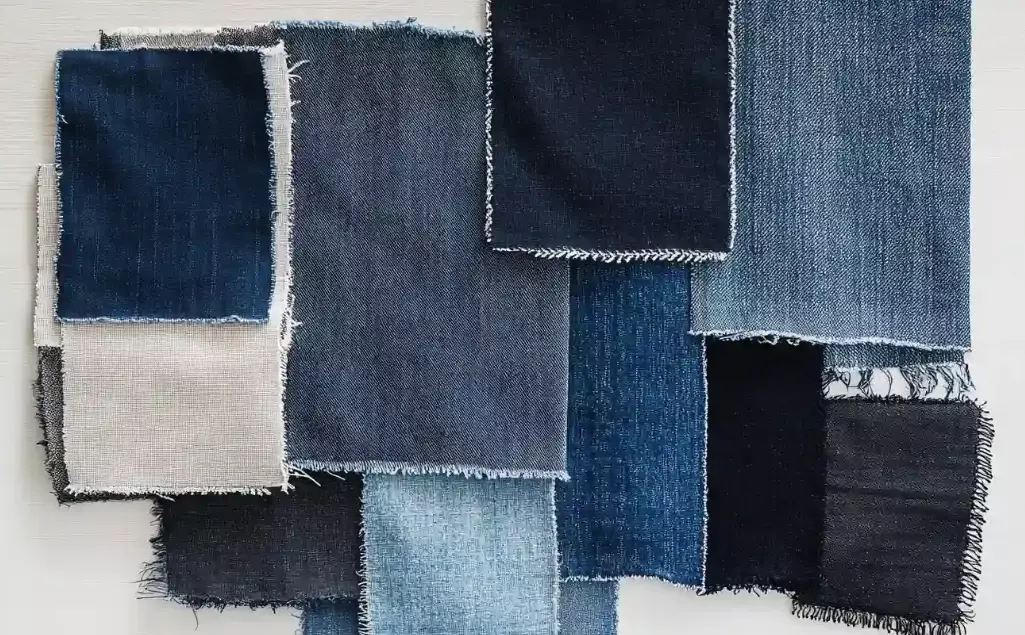
Demystifying Denim Wash Types
The wash is what gives denim its color and character post-dyeing. It's the difference between a blank canvas and a finished painting.
Raw (or Dry) Denim
This is denim in its purest form. The fabric is dyed with indigo but receives no industrial washing, softening, or distressing after weaving. It's a uniform, deep blue. The magic? It fades based solely on your life—phone fades, wallet fades, honeycombs behind the knees. It's a personal diary in fabric form. The downside is initial stiffness and potential for indigo transfer (it can dye your shoes or car seats). Always soak raw denim before the first wear to remove excess dye and set the size.
One-Wash Denim
The perfect middle ground. The manufacturer does a single warm water soak and tumble dry. This removes most shrinkage and excess dye, so what you buy is what you get size-wise. It retains the look and high-contrast fading potential of raw denim but is softer from the start with minimal crocking (dye transfer). My go-to recommendation for beginners.
Sanforized vs. Unsanforized
This is about pre-shrinking. Sanforized denim is mechanically pre-shrunk. It might still shrink 1-3%, but it's largely stable. Unsanforized (or shrink-to-fit) can shrink up to 10% in length and width. You must buy it oversized and soak it to achieve the final size. Unsanforized is often prized for a more authentic, textured hand-feel after shrinking.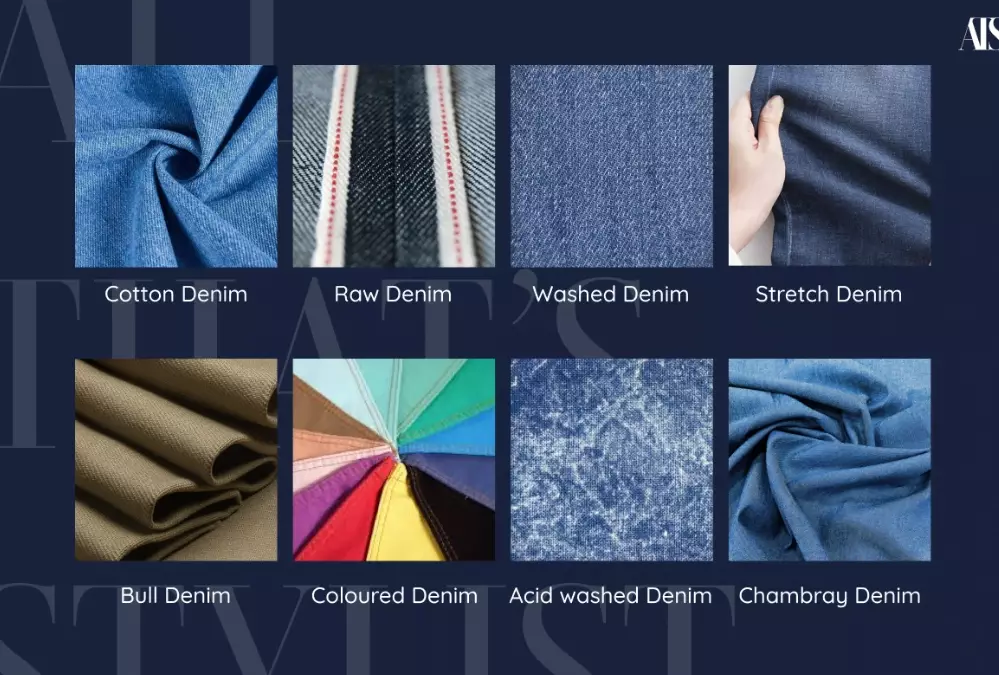
Distressed Washes: Acid, Stone, Enzyme
These are the pre-faded, ripped, or bleached jeans. Stone washing uses pumice stones to abrade the fabric. Acid washing uses chemicals (like bleach) for a high-contrast, marbled effect. Enzyme washing uses biological enzymes to soften and lightly fade the fabric more evenly and sustainably. The key here is consistency—you get a specific look immediately, but the fading journey is largely over.
Personal Take: The industry's over-reliance on sandblasting for whiskers (the faded lines on the thighs) is a terrible practice. It's hazardous to workers' health and creates weak points in the fabric that tear easily. Look for brands that use laser or hand-sanding techniques instead. It's a small detail that speaks volumes about ethics.
The Weave: Understanding Twill and Selvedge
Nearly all denim uses a twill weave—where the weft thread passes under two or more warp threads, creating that familiar diagonal ribbing. This diagonal structure is why denim is so strong and why it fades in those unique vertical patterns.
Then there's selvedge (self-edge). This refers to the finished, non-fraying edge of the fabric, created on old-style shuttle looms. You see it as a colored stripe (often red) on the inside of the outseam. Is it better? It's denser, often slower to produce, and has a cleaner finish. It's a mark of traditional craftsmanship. But modern projectile looms produce excellent non-selvedge denim too. Don't buy selvedge just for the status; buy it if you appreciate the history and the slightly neater seam finish. The performance difference in daily wear is minimal.
How to Choose the Perfect Denim Fabric
Let's make it actionable. Forget brand names for a second. Ask yourself these questions: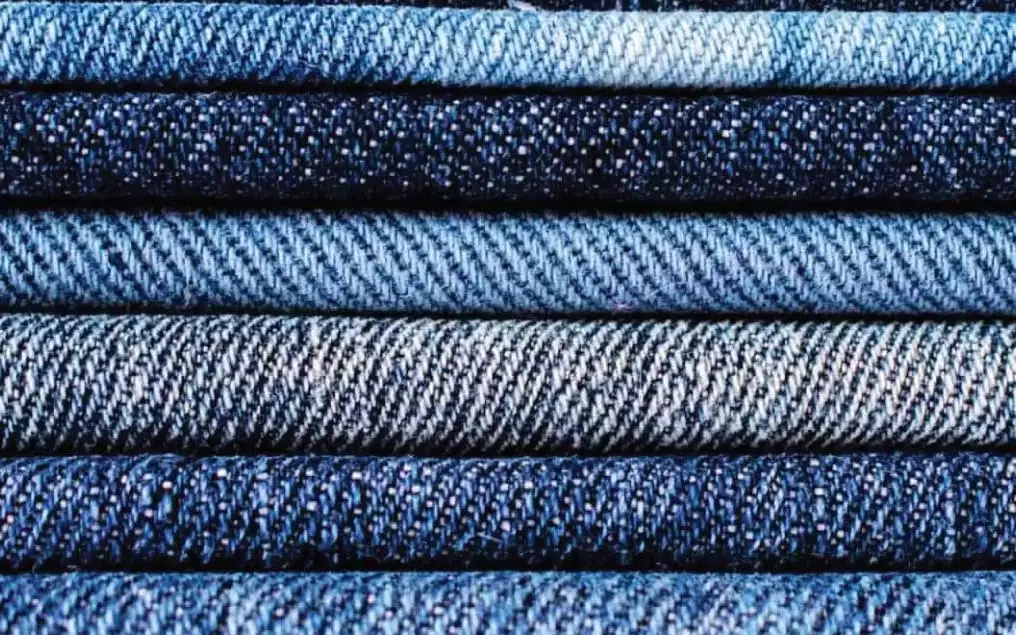
What's my primary goal?
Durability & Longevity: Look for 13-15oz, tightly woven, sanforized denim. A darker wash or raw will show wear less. Reinforced stitching at stress points is a plus.
Comfort & Daily Wear: 10-12oz is your sweet spot. A one-wash or lightly garment-washed fabric. Avoid stiff, heavy raw denim.
Personalized Fades & A Project: 13oz+ unsanforized or one-wash denim. Embrace the break-in. Be prepared to not wash them for 6+ months to set high-contrast fades.
What's my climate?
Hot/Humid: 9-11oz, open weave if possible. Maybe even a cotton-linen blend denim.
Cold: 14oz+. The density acts as a windbreak.
What's my lifestyle?
Office job with a casual dress code? A clean, dark 12oz wash (like a rinsed indigo) is perfect. No pre-distressing.
Active, lots of bending/kneeling? Prioritize fabric with 1-3% elastane (stretch). Yes, purists scoff, but 2% stretch in a 12oz denim is a game-changer for mobility without sacrificing the look. It's a practical modern innovation.
Common Care Mistakes and How to Avoid Them
You've chosen well. Now don't ruin it in the wash.
The Big One: Over-washing. Washing denim too often fades it prematurely and uniformly (the dreaded "all-over light blue" look). For raw or dark denim, turn them inside out, soak in cold water with a tiny bit of mild detergent (like Woolite Dark) every 4-6 months of actual wear. For pre-washed jeans, you can wash more normally, but cold water inside-out still preserves color.
Using the Dryer. Heat is the enemy of fit and fiber. It causes excessive shrinkage and stress. Always, always air dry your denim. Lay them flat or hang them by the waistband.
Not Spot Cleaning. Got a mud splatter? Let it dry, brush it off. A food stain? Damp cloth, mild soap, gentle dab. You can address 90% of issues without a full wash.
Your Denim Questions, Answered
How do I break in raw denim without it being painful?
Start by wearing them at home for short periods. Do chores, watch TV. The initial stiffness wears off fastest around the knees and seat. Don't do squats in brand-new 16oz denim—you'll regret it. A lukewarm soak (even for sanforized) after a few weeks can help relax the fibers. Patience is the real tool here.
Is stretch denim less durable than 100% cotton?
It can be, but it's nuanced. The elastane fibers can break down over many washes, potentially leading to bagging out. However, for most people, the increased comfort and fit retention (less knee bagging) outweigh this. For heavy labor, stick to rigid cotton. For daily urban life, a 98/2 cotton-elastane blend is a perfectly durable, modern choice.
 Why do my black jeans fade to brown or orange?
Most "black" denim is actually cotton dyed with a sulfur top-dye over an indigo base. As the black sulfur dye wears off, the underlying indigo (which fades to white/blue) and the cotton's natural yellowish tint show through, creating a brownish or bronze hue. If you want a true black that fades to grey, look for "overdyed" or "rapid" black denim, where the yarn is dyed through with black only.
What does "slub" or "neppy" denim mean?
These are texture terms. Slub refers to uneven thickness in the spun yarn, creating a subtle, irregular ridged texture in the fabric. Neppy denim has small, visible knots of cotton fiber (neps) woven in, creating a speckled, organic look. Both are aesthetic choices from using irregular, often vintage-style yarns, and they add visual character and a premium hand-feel.
How can I tell if denim is good quality just by touching it?
Density over softness. Good denim feels substantial and firm, not papery or flimsy, even if it's a mid-weight. Rub the fabric between your fingers—it shouldn't feel dusty or leave much blue residue (except on very dark raw). Look at the backside: the white weft threads should be clearly visible and evenly woven. Fuzziness or pilling on a new pair is a bad sign of short, weak fibers.