You've felt it in a crisp summer shirt, seen it draped as elegant curtains, or maybe you've admired a beautifully textured tablecloth. Linen has a distinct look and feel. But when you ask "what type of fabric is linen?", you're probably looking for more than just "it's made from flax." You want to know if it's worth the price, why it wrinkles so much, and if you can actually live with it day-to-day. I've worked with fabrics for over a decade, and I've seen people fall in love with linen and others give up on it after one frustrating laundry day. Let's cut through the fluff and get real about what linen is, what it isn't, and how to make it work for you.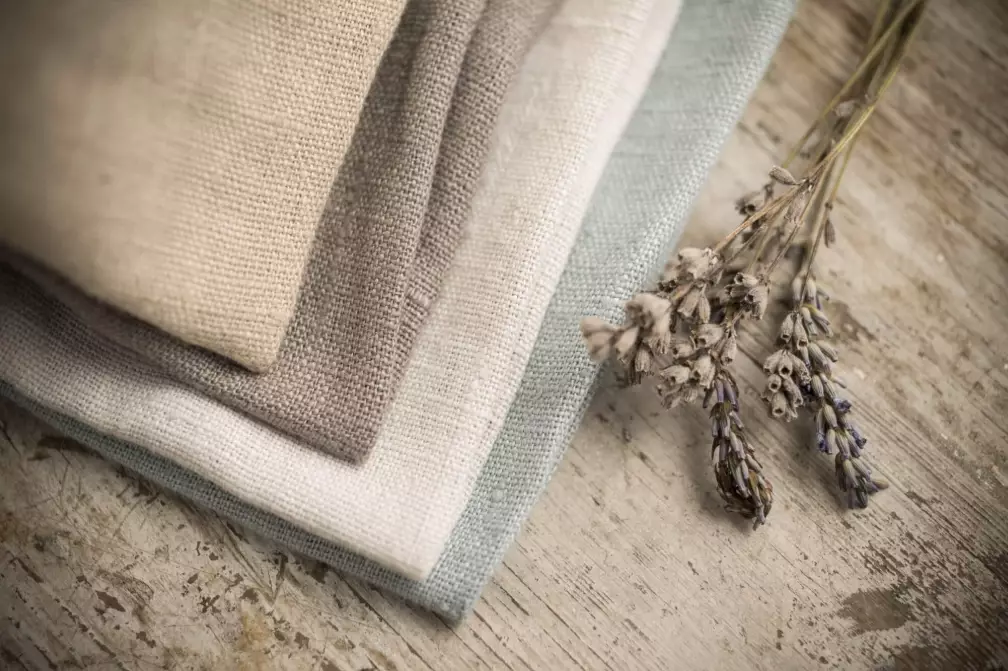
What You'll Find Inside
The Real Story: What Linen is Made Of
At its core, linen is a natural fiber that comes from the stalks of the flax plant (Linum usitatissimum). Calling it a "plant-based" fabric is accurate, but it undersells the process. Unlike cotton, where you basically pick the fluffy boll, getting fiber from flax is a much more involved, almost old-world craft.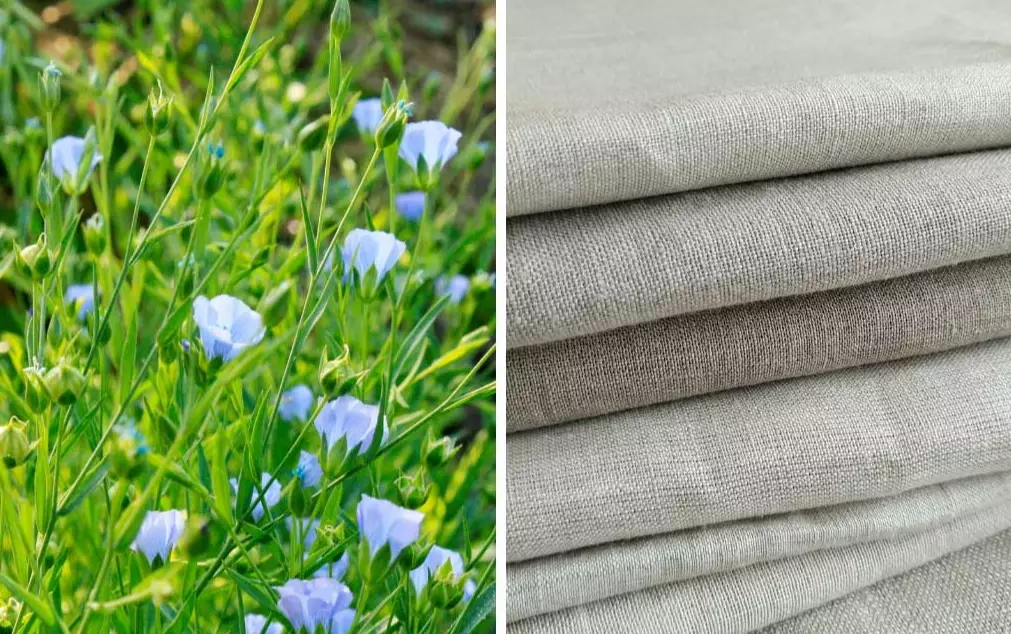
The fibers are found in the stem's inner bark. To get to them, the stalks undergo retting—a controlled decomposition where microbes break down the pectin holding the fibers together. This can be done in water (water retting) or left on fields (dew retting). Dew retting, often used in Western Europe, gives linen that characteristic greyish-beige tone, while water retting produces a cleaner, lighter color. After retting, the stalks are scutched (beaten) to remove the woody parts and then hackled (combed) to align the long, strong fibers.
Here's the non-consensus part everyone misses: The quality of linen isn't just about thread count. It's about the length of the staple fiber. Long, unbroken flax fibers (called "line linen") produce the strongest, smoothest, and most expensive fabric. Shorter fibers ("tow linen") are more hairy, slubbier, and less durable. Most mid-range linen you buy is a blend of both. If a linen item feels incredibly smooth and almost silky, you're likely feeling premium long-staple linen.
This labor-intensive production is a key reason why pure linen often costs more than cotton. Organizations like the Masters of Linen certify European linen from field to yarn, tracing this traditional process.
The Feel & Performance: Key Characteristics of Linen
So, what does this unique origin story mean for how the fabric behaves? Let's break it down.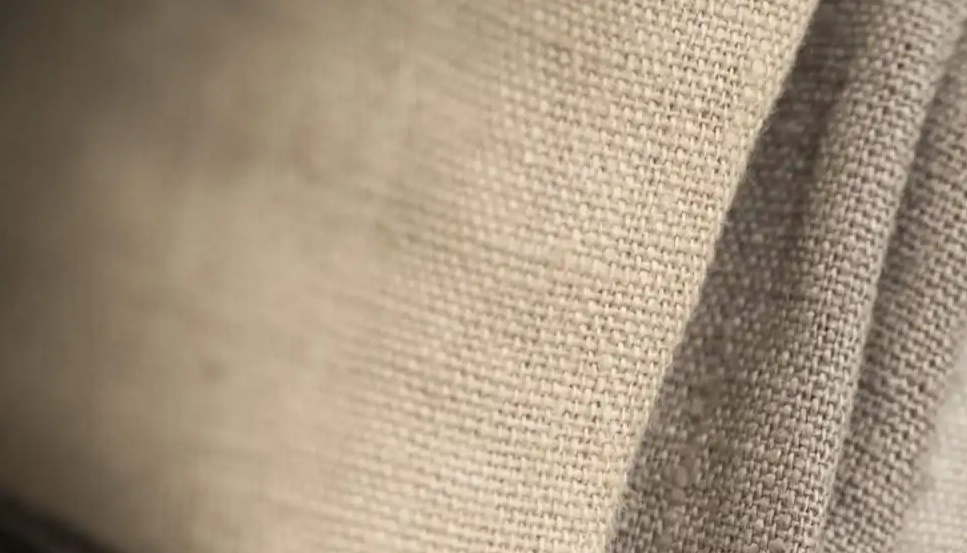
Breathability and Moisture-Wicking (Its Superpower)
Linen is famously breathable. The hollow structure of the flax fiber allows for exceptional airflow. More importantly, it's a superb moisture-wicker. It can absorb up to 20% of its weight in moisture before feeling damp, and it releases that moisture quickly through evaporation.
This is why it's a summer staple.
It doesn't stick to you. I've worn linen shirts in humid climates where cotton would be a soggy mess, and the difference is night and day.
Texture: The Slub and the Crunch
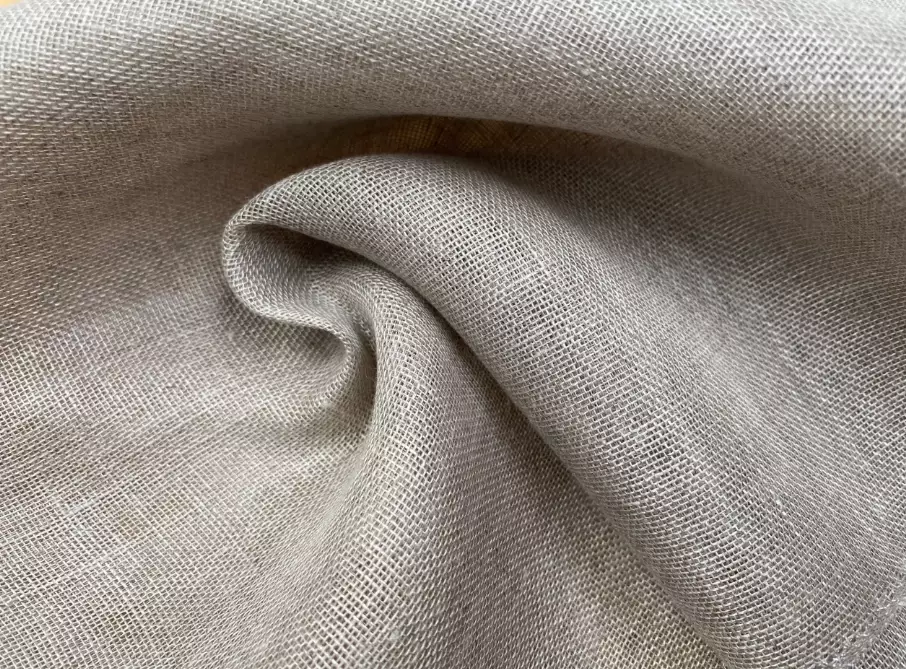
New linen can feel stiff and crisp, even a bit rough. This is normal. High-quality linen softens dramatically with every wash, developing a beautiful, lived-in drape and a soft hand-feel that is uniquely comforting. The inherent slubs (small, soft knots in the yarn) aren't defects; they're part of linen's authentic, textured character.
Durability and Strength
This might surprise you: linen fiber is stronger than cotton, especially when wet. A good linen sheet or towel can last for decades, becoming softer but not wearing thin easily. That initial stiffness translates to long-term resilience.
The Wrinkle Factor (Let's Be Honest)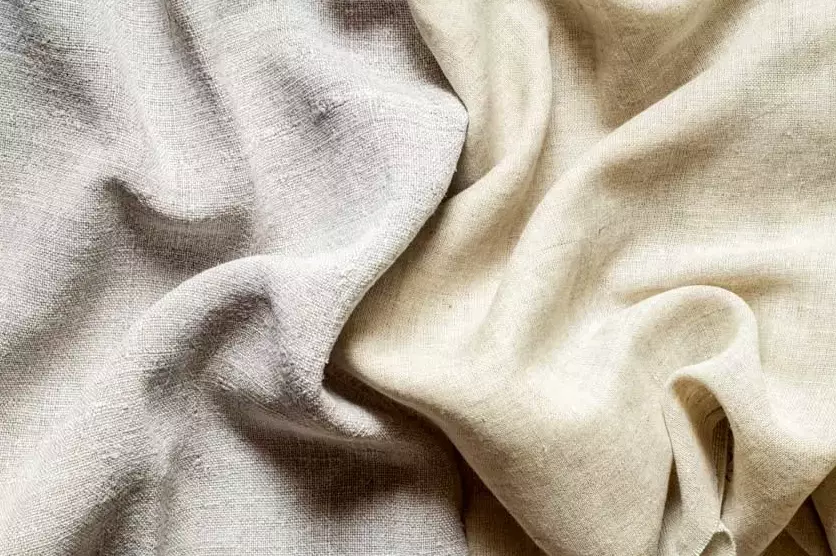
Linen wrinkles. Easily. It has low elasticity. This isn't a flaw; it's a property. The modern approach isn't to fight it but to embrace it. The wrinkles are part of its casual, relaxed elegance. If you demand a razor-sharp, crease-free look all day, linen will frustrate you. But if you appreciate a fabric that looks better with a bit of rumpled character, you'll love it.
Linen vs. Cotton: The Practical Showdown
Since cotton is the default natural fabric, comparing them directly helps clarify linen's role. It's not about which is "better," but which is better *for what*.
Feel (Aged)Becomes incredibly soft, drapey, with a lived-in lookSoftens but generally maintains its original character| Feature | Linen | Cotton |
|---|---|---|
| Source | Flax plant stalk | Cotton plant boll (the fluffy seed case) |
| Feel (New) | Crisp, stiff, textured | Soft, smooth, can vary (e.g., crisp poplin, soft jersey) |
| Breathability | Exceptional. Best for extreme heat/humidity. | Very good, but can retain moisture longer. |
| Durability | Stronger, especially when wet. Gets softer but not weaker. | Strong, but can thin or pill over time with abrasion. |
| Wrinkling | Wrinkles immediately and obviously. Part of its aesthetic. | Wrinkles, but often less severely. Easier to press smooth. |
| Drying Speed | Dries very quickly. | Takes longer to dry. |
| Typical Use | Summerwear, towels, bed sheets, table linens, structured garments. | All-year wardrobe basics, denim, t-shirts, bedding, everything. |
My take: Think of cotton as your reliable, everyday best friend. Linen is the more eccentric, interesting friend who's perfect for specific adventures.
How to Use Linen in Your Wardrobe and Home
Understanding the fabric's personality helps you place it wisely.
In Your Wardrobe: Start with a loose-fit linen shirt or a pair of trousers. Don't buy a slim-fit linen suit as your first item—the wrinkling will look unintentional. Linen-blend fabrics (like linen-cotton or linen-rayon) are a fantastic gateway. They offer linen's texture and breathability with reduced wrinkling and a lower price point. A 55% linen, 45% cotton blend is a personal favorite for everyday shirts.
For Your Home: This is where linen shines with minimal hassle.
- Bed Sheets: Linen bedding is a game-changer for hot sleepers. It's temperature-regulating and gets cozier over time. Brands like Rough Linen or Libeco offer various weights (GSM - grams per square meter). A mid-weight (around 170 GSM) is a great start.
- Towels: Linen towels are absorbent, dry fast, and become luxuriously soft. They don't have the plush pile of cotton, but they feel fantastic and are less prone to mildew.
- Tablecloths & Napkins: The classic use. It's durable, stains can often be bleached out, and the casual elegance is perfect for both daily meals and entertaining.
The Right Way to Care for Linen (Mistakes to Avoid)
I ruined my first good linen shirt by being too careful. Here's the expert advice you won't always find on the tag.
Washing: Wash it. Don't baby it with hand-washing only. Machine wash on a gentle cycle with cool or lukewarm water. Use a mild detergent. The more you wash linen, the softer and better it gets. The first few washes might have significant lint in the trap—that's just loose fibers coming out.
Drying: Tumble dry on low or medium heat until just damp, then hang or lay flat to finish drying. This helps minimize extreme wrinkles. You can also line-dry it completely—it will be wrinkly, but in that good, breezy way. Avoid high heat, which can weaken the fibers over time.
Ironing: If you must iron, do it while the garment is still slightly damp. Use a hot iron with steam. For a relaxed look, don't aim for perfection. Often, a quick steam from a handheld steamer is enough to take the edge off the wrinkles without making it look stiff.
The biggest mistake? Storing linen dirty. Oil and soil can oxidize and set, causing yellowing.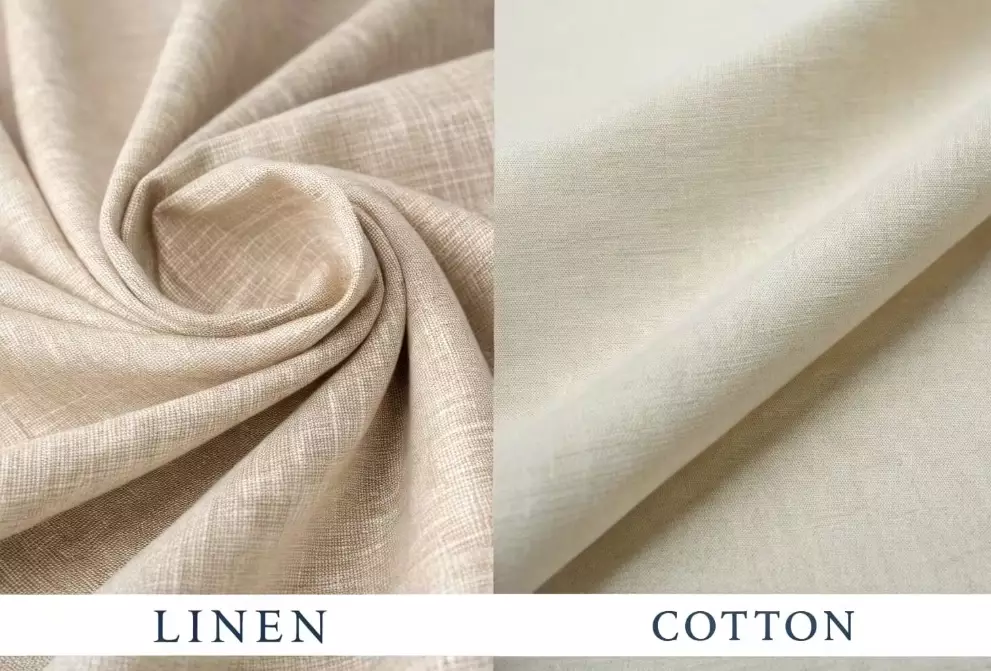
Your Linen Questions, Answered
 Why is some linen so expensive and other pieces surprisingly cheap?