You see it everywhere. Linen shirts, linen bedding, linen tablecloths. It's praised as the ultimate summer fabric, a sustainable hero, and a style staple. But if you've ever held a piece of stiff, scratchy linen or wrestled with its legendary wrinkles, you might have wondered: what is this fabric really about? Is the hype justified, or is it just uncomfortable, expensive nostalgia?
Let's cut through the marketing. Linen is a natural textile made from the fibers of the flax plant, *Linum usitatissimum*. It's one of the oldest fabrics in the world, but its recent comeback is fueled by modern desires for natural, breathable, and eco-conscious materials. I've worked with fabrics for over a decade, and I've seen the good, the bad, and the utterly misleading about linen. The truth is, not all linen is created equal, and understanding what it is at its core is the key to loving it (or deciding it's not for you).
What's Inside This Guide?
- What Exactly is Linen Fabric?
- From Field to Fabric: How Linen is Made
- The Good, The Bad, The Wrinkly: Linen's Key Characteristics
- Where You'll Find Linen: Clothing, Home, and Beyond
- Linen vs. Cotton: The Ultimate Natural Fiber Showdown
- How to Care for Linen (Without Ruining It)
- Your Linen Questions, Answered
What Exactly is Linen Fabric?
At its simplest, linen is a bast fiber. That means the useful part comes from the stem of the flax plant, not the fluffy seed head (like cotton) or animal coat (like wool). To get it, you have to break down the tough stalks.
This origin story defines everything about linen. The fibers are long, strong, and have a natural, slightly irregular texture. They don't have the built-in elasticity of wool or the fuzzy surface of cotton. This results in a fabric that's incredibly durable, highly absorbent, and has a distinctive dry, crisp hand-feel.
A common misconception? That "linen" just means "light-colored and breezy." You can find linen in heavy weights for jackets and even in dense, textured weaves for upholstery. The magic word to look for is the fiber content label: it should say 100% linen or a high linen blend (like 55% linen, 45% cotton). If it just *looks* like linen but is made from rayon or polyester, you're getting the aesthetic without any of the functional benefits.
From Field to Fabric: How Linen is Made
Making linen is a patient art. It's more labor-intensive than cotton, which explains the higher price tag. Here’s the journey:
Retting: This is the make-or-break step most summaries gloss over. The stalks are left in fields (dew retting) or tanks (water retting) for weeks. Microbes break down the pectin that glues the fibers to the woody core. Get this wrong, and the fibers are either too weak or impossible to separate cleanly. High-quality linen producers, like those in Normandy, have perfected this through generations.
Breaking, Scutching, Hackling: The dried stalks are crushed (broken), the woody shives are beaten off (scutching), and the fibers are combed (hackling) to align them and remove short bits (tow). The long, smooth fibers are called "line linen," used for fine fabrics. The shorter "tow" is used for heavier, more rustic linens.
Spinning & Weaving: The prepared fibers are spun into yarn. Linen yarn is naturally slubby—those tiny, irregular bumps are a sign of authenticity, not a defect. It's then woven, often in a plain weave, which maximizes its strength and breathability.
The entire process, when done traditionally, has a remarkably low environmental footprint. Flax requires less water and pesticides than cotton. Organizations like Textile Exchange highlight linen as a key circular and biodegradable material in their reports on sustainable fibers.
The Good, The Bad, The Wrinkly: Linen's Key Characteristics
Let's be brutally honest about what you're signing up for with linen.
Why People Love It (The Pros)
Breathability is King: Linen's hollow fibers and loose weave allow exceptional air circulation. It wicks moisture away from your body and dries fast. In humid heat, nothing beats it. I wore a linen shirt in 95°F Bangkok weather and was shockingly comfortable.
Durability That Lasts Decades: Linen fibers are among the strongest natural fibers. A good linen sheet set can outlive multiple cotton sets, getting softer and more lustrous with each wash. It resists pilling and abrasion.
Natural and Hypoallergenic: It's inherently antibacterial and dust-mite resistant, making it fantastic for sensitive skin and allergy sufferers. No chemical finishes are needed for these properties.
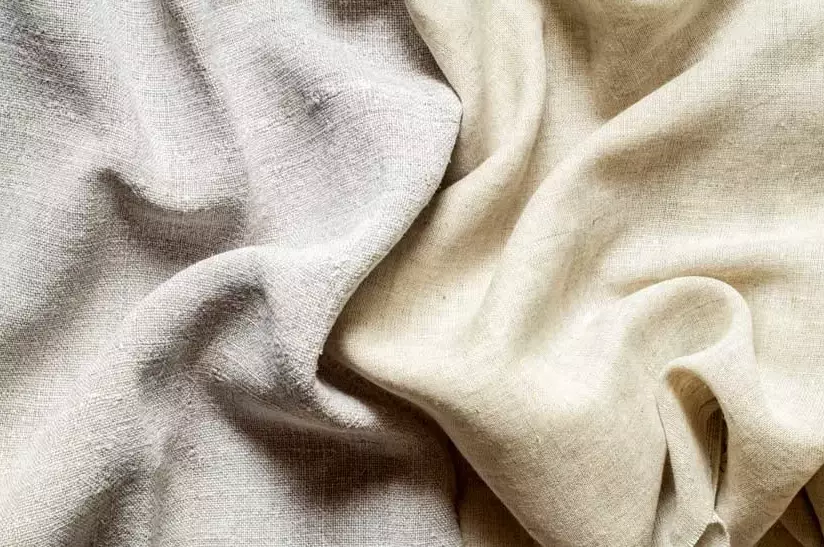
The Aesthetic: The relaxed, lived-in look. The beautiful, subtle slubs. The way it drapes with a structured softness. It has an effortless elegance that synthetic fabrics strain to imitate.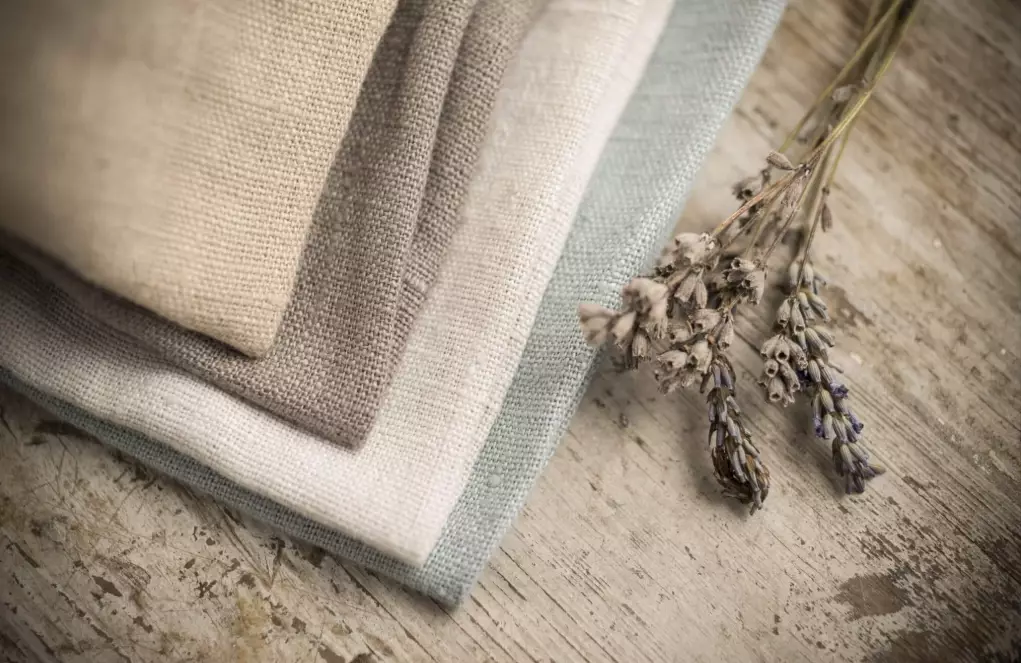
What Drives People Nuts (The Cons)
The Wrinkles. Oh, The Wrinkles. Linen has no elastic recovery. It creases the moment you look at it. This isn't a flaw; it's a feature. You either embrace the rumpled, casual elegance or you fight a losing battle with an iron. My advice? Embrace it. A perfectly pressed linen suit looks odd.
Stiffness (At First): New linen can feel coarse and stiff. This is where many get discouraged. The secret? It needs to be broken in. After 3-5 washes, it softens dramatically into that dreamy, supple feel everyone raves about.
Cost and Care: High-quality, ethically produced linen is expensive. It also often requires ironing if you want a crisp look (though I rarely bother).
Where You'll Find Linen: Clothing, Home, and Beyond
Linen isn't just for flowy summer dresses. Its utility is vast.
Apparel: Shirts, trousers, blazers, dresses, and suits. Heavier weight linens work for fall jackets. The key is matching the weight to the purpose. A 180-200 GSM (grams per square meter) linen is ideal for a shirt, while 300+ GSM is better for structured pants.
Home Textiles: This is where linen shines. Bedding made from linen is temperature-regulating—cool in summer, warm in winter. Linen towels are absorbent and dry quickly, reducing mildew. Tablecloths, napkins, and curtains all benefit from its durability and natural aesthetic.
Industrial Uses: Its strength made it the original material for canvas, sailcloth, and even early bulletproof vests. Today, you find it in high-end wall coverings and composite materials.
Linen vs. Cotton: The Ultimate Natural Fiber Showdown
Don't just choose "natural." Know the difference. Here’s a direct comparison based on what matters when you're buying.
| Characteristic | Linen | Cotton (Standard) |
|---|---|---|
| Source | Flax plant stem | Cotton plant boll (seed head) |
| Fiber Length | Long (12-36 inches) | Short to medium (0.5-1.5 inches) |
| Strength | Stronger when wet or dry | Strong when dry, weaker when wet |
| Breathability & Moisture Wicking | Superior. Cools more effectively. | Good, but retains more moisture. |
| Texture & Drape | Crisp, dry, textured (slubs). Structured drape. | Softer initially, smoother surface. Softer drape. |
| Wrinkling | Wrinkles immediately and obviously. | Wrinkles, but less severely. |
| Softness Timeline | Stiff at first, softens beautifully with washes. | Soft from the first wear. |
| Environmental Impact* | Generally lower water & pesticide needs. | Conventional cotton is water/pesticide intensive. |
| Typical Cost | Higher | Lower to Moderate |
*Note: Organic cotton and sustainably grown flax have much better footprints. Always look for certifications like GOTS (Global Organic Textile Standard).
The Verdict: Choose linen for maximum breathability in heat, unparalleled durability for items like sheets, and that distinct textured look. Choose cotton (especially high-quality like Pima or Supima) for all-around softness, easier care, and a smoother finish.
How to Care for Linen (Without Ruining It)
Treat it right, and it gets better. Get it wrong, and you waste your money.
Washing: Machine wash cold or warm on a gentle cycle. Use a mild detergent. Don't overload the machine—linen needs room to agitate. It's safe with other like colors.
Drying: Tumble dry low until just damp, then hang to finish. Or line dry entirely. This minimizes stiffness and extreme wrinkles. High heat can weaken fibers over time.
Ironing: Iron while still slightly damp on the highest heat setting your fabric allows (check the label). Use steam. For a crisp look, spray with starch. For the lived-in look, shake it out after drying and wear it—the body heat will relax some wrinkles.
Storage: Store clean and fully dry to prevent mildew. It's naturally moth-resistant, so no need for harsh chemicals.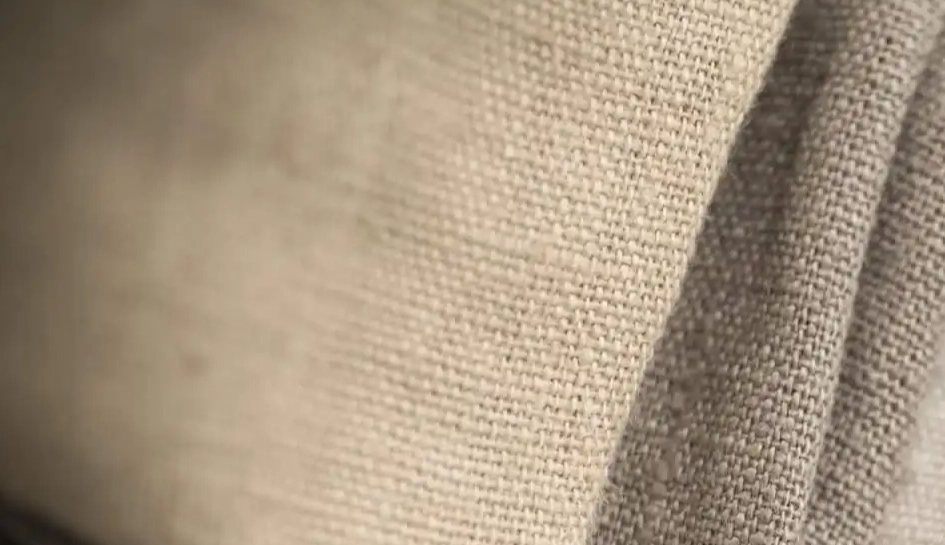
Your Linen Questions, Answered
Is linen good for hot sleepers who sweat at night?
Why does some cheap linen feel so rough and scratchy?
 Can linen be worn in winter or is it only a summer fabric?
How can I tell if I'm buying real, high-quality linen?
Do linen blends make sense, or should I stick to 100%?